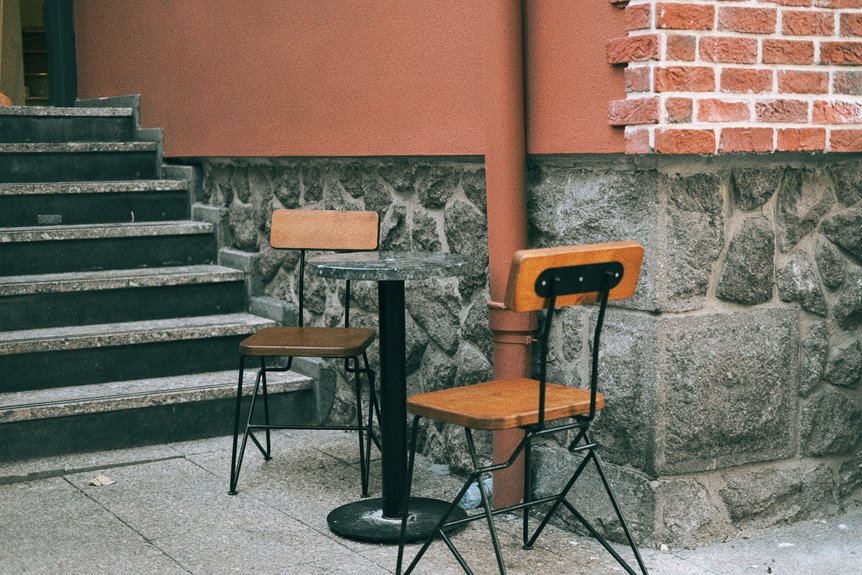
I clean my outdoor furniture in five simple steps. First, I check the material—wood, metal, plastic, or wicker—to avoid any damage. Next, I dust everything and do a quick wipe-down with water. Then, I choose the appropriate cleaner: oil-based soap for wood, mild dish soap for metal, and a gentle cleanser for plastic. After that, I rinse thoroughly and let everything dry completely in the sun. Finally, I clean the cushions separately, treat any mildew with vinegar, and store them only when completely dry. Let’s dive into the details that make each step effective.
Identify Your Outdoor Furniture Material First
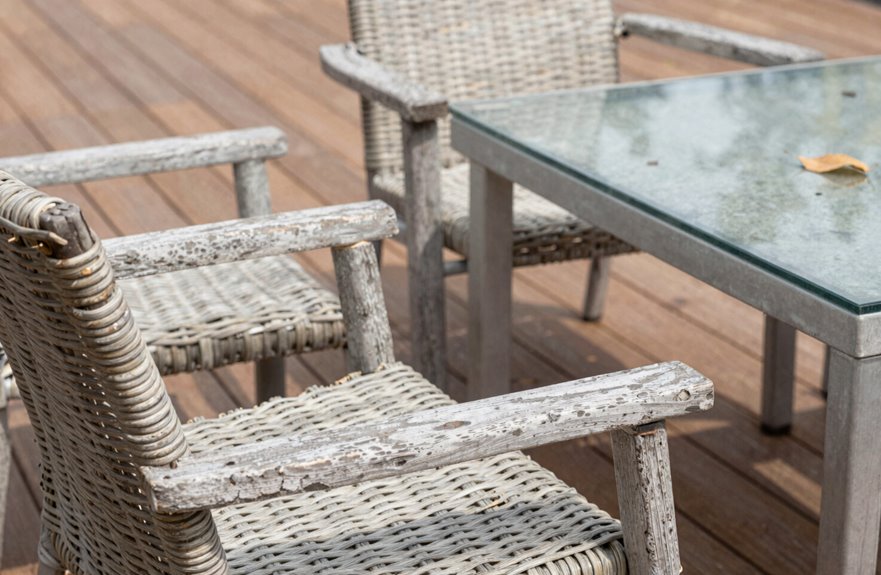
Before I grab a sponge and start scrubbing, I need to determine what my outdoor furniture is made of. Knowing the material helps prevent unintentional damage.
Here’s what I check for:
- Wood – I clean it with oil-based soap and a soft brush, working in small sections. A toothbrush is useful for reaching tricky corners.
- Metal – I wipe it down with a mild cleaner or diluted dish soap, then dry it thoroughly to prevent rust.
- Plastic – I avoid bleach and use a mild cleaner instead, then polish with a soft cloth.
- Wicker – I gently brush with warm water and soap, dry thoroughly, and keep moisture away afterward.
These care tips allow for effective cleaning without unnecessary effort.

Three 32 fl oz bottles of Murphy Oil Soap wood cleaner, Concentrated Formula, Citronella Oil Scent

ENHANCES THE BEAUTY OF THE WOOD: Teak Oil restores the beauty of grey, old and weathered teak furniture to give a golden-brown natural finish.

Product Type:Grocery
Dust and Prep All Furniture Frames
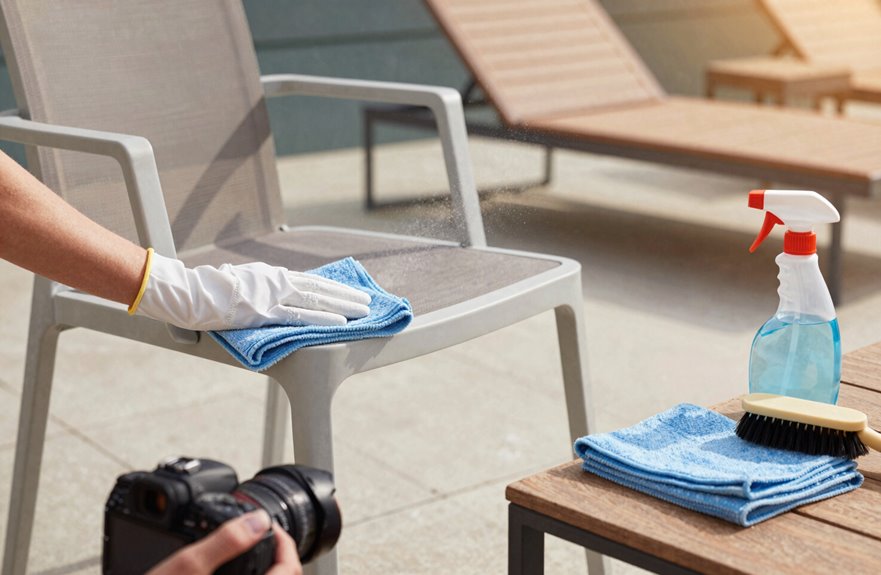
Why not do a little prep work to make cleaning easier? Before we start deep cleaning, let’s prepare our frames.
Step 1: Dust Your Frames
Start by dusting to remove loose dirt. Use a soft brush for nooks or a microfiber cloth for smooth surfaces. You’ll be surprised by how much grime comes off dry.
Step 2: Initial Wipe Down
Next, wipe down each frame with plain water. This lifts away stubborn bits before we introduce soap.
Step 3: Quick Rinse and Dry
Give everything a light rinse, then let it air-dry or pat gently. For wicker, air-drying is particularly important to prevent trapping moisture.
Preparing your outdoor furniture in this manner protects the material and speeds up the actual cleaning process.

High Quality - The rustic soap dish is made of quality cast iron material, it't solid and sturdy, and heavy enough to stay in place and no worries about it breaking if it is dropped.

Premium Material - made with high quality anodized aluminum, the soap dish is easy to clean, rustproof, and built to last

【Size】: approximately 6.5(L) x4.3(D)x 1.4(H) inches and holds a standard bar of soap.
Choose the Right Cleaner: Wood, Metal, Plastic, or Wicker
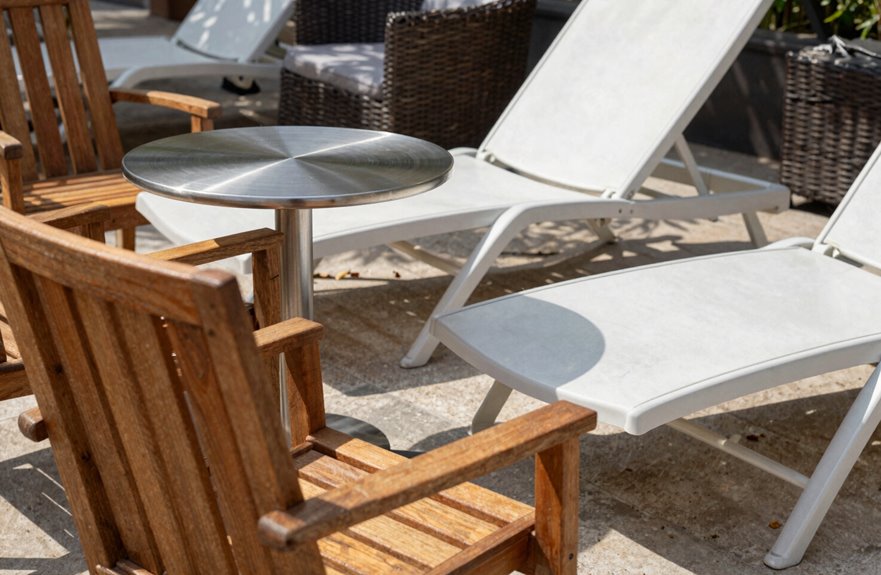
How do we know which cleaner won’t damage our furniture? It all comes down to material. Here’s what I’ve learned works best:
1. Wood
I use a gentle oil-based soap cleanser for my wooden pieces. I tackle hard-to-reach nooks with a toothbrush and work in small sections; I don’t want to over-wet the surface.
2. Metal
A mild cleaner or diluted dish soap does the trick. I wipe it down gently, making sure I’m thorough without being harsh.
3. Plastic
I avoid anything with chlorine and stick to a mild cleanser. This keeps the finish looking fresh instead of dull.
4. Wicker
I mix warm water with a mild cleaner and use a soft brush. Then I wipe away soap with a clean wet cloth. Soaking should be avoided since wicker needs gentle care to maintain its strength.

REMOVE TOUGH STAINS: Home Armor Outdoor Cleaner+ powers away dirt, grime, algae, mold and mildew stains. No scrubbing required.

POWERFUL CLEANING ACTION: Formula that loosens and dissolves greasy, grimy messes on contact ensuring easy removal with minimal effort

FURNITURE PROTECTANT AND SPRAY: Furniture protectant creates a protective barrier on contact with simple spraying action; Removes light dust, dirt, salt spray, and grime
Rinse and Dry Your Patio Furniture Completely
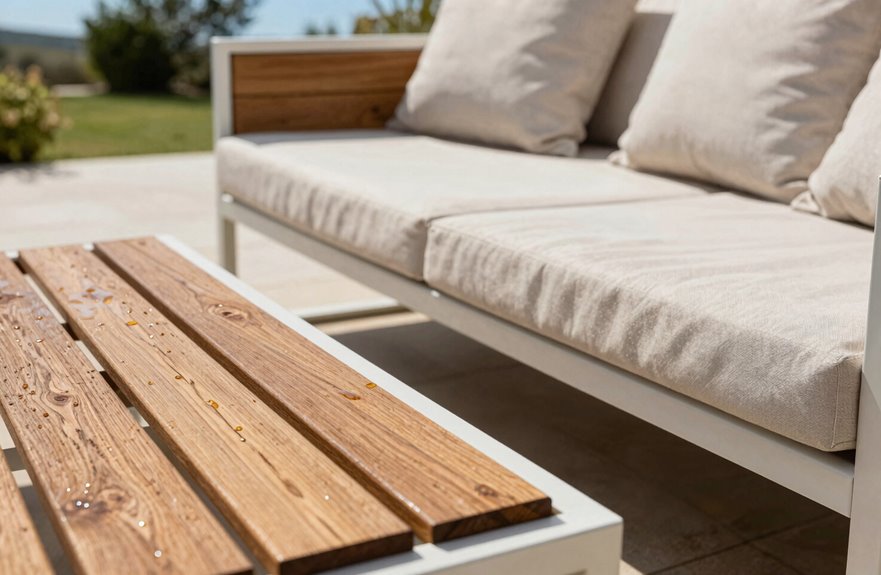
Once I’ve scrubbed everything clean, I rinse away every last bit of soap or vinegar. I grab my pressure washer, or I attach a spray nozzle to my garden hose. Either way, I ensure the water blasts through all the nooks on my patio furniture.
I flip my cushions and clean the undersides too. Mold and mildew often hide underneath, so I don’t skip that step. If anything still looks soapy, I rinse again; no shortcuts here.
Then I move everything into the sun. Drying time is crucial, as damp spots can lead to mildew returning. I make sure every surface is completely dry before considering the next steps. This approach helps maintain fresh outdoor spaces.
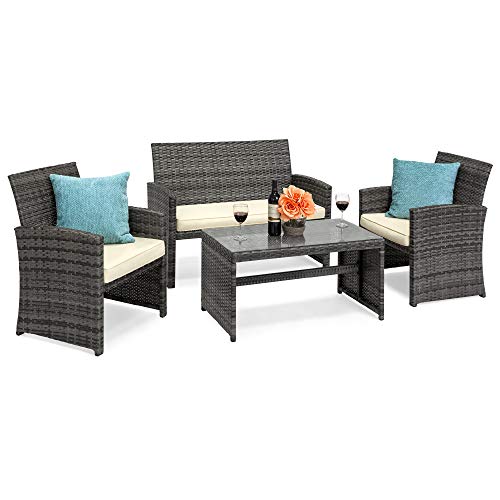
MODULAR FURNITURE SET: This versatile furniture set features a table, one double sofa, and two chairs to provide four seats that can be mixed & matched to your sitting space
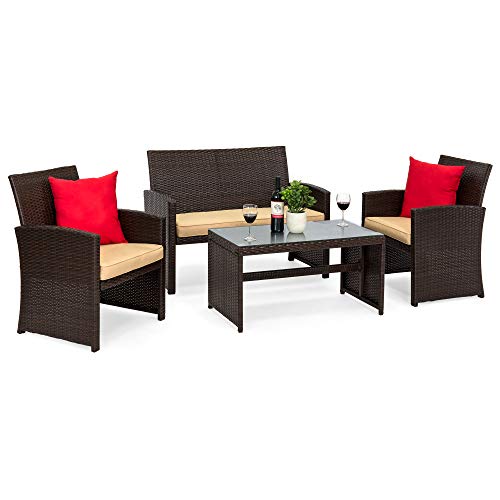
MODULAR FURNITURE SET: This versatile furniture set features a table, one double sofa, and two chairs to provide four seats that can be mixed & matched to your sitting space

SWIVEL CHAIR– Chairs feature 360° swivel for easy conversation/viewing without moving; light brown wicker + beige cushions match modern/minimalist/rustic/luxury styles—solves "outdoor furniture style limitation" issue, ideal for morning reading, afternoon tea, or small gatherings.
Clean Cushions Separately, Then Store Everything Properly
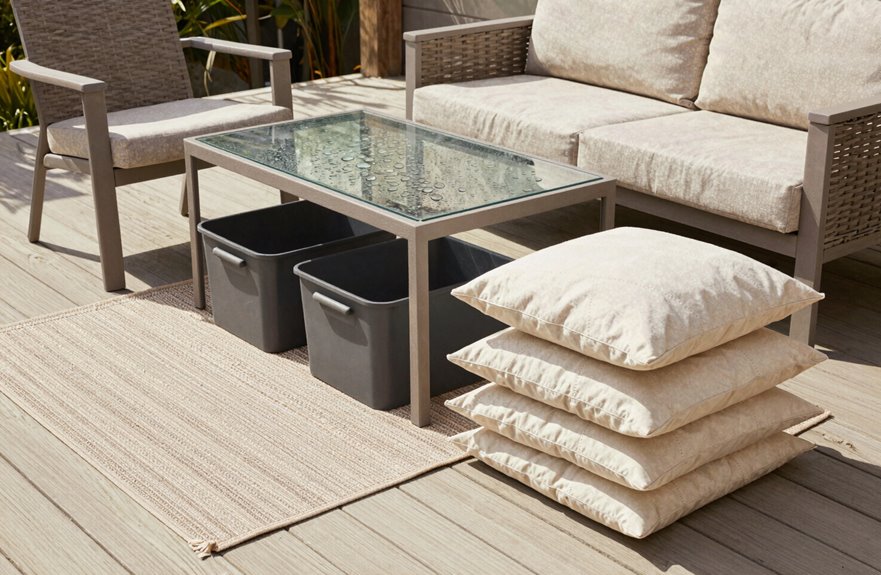
What’s the best way to handle those cushion covers? I always clean cushions separately from the frames. It keeps things simple and yields better results.
Here’s my go-to routine:
Here’s my tried-and-true method for keeping outdoor cushions looking fresh season after season.
- Brush off loose dirt with a soft brush before adding any cleaners.
- Spray undiluted vinegar treatment on mildew spots for 15 minutes, then move them into direct sunlight.
- Mix hydrogen peroxide and baking soda paste for stubborn stains, or use Dawn dish soap for greasy marks.
- Rinse with a pressure washer or a strong hose stream, then focus on drying them completely in the sun.
Mildew prevention only works if everything is bone dry. I store furniture properly only after sun-drying finishes the job. Neglecting this step means starting over next season.

Quickly removes stains caused by mold and mildew on contact without heavy scrubbing; EASY TO USE - spray, wait until the stain disappears, then rinse

Removes Mold and Mildew Stains: POFL Outdoor Fabric and Furniture Cleaner removes tough mold and mildew stains, dirt buildup, grime, and outdoor stains from patio cushions and outdoor fabrics.

REMOVES STAINS FROM ORGANIC GROWTH: The 30 SECONDS Outdoor Cleaner rapidly cleans stains from algae, mold, mildew, moss, dirt and grime on outdoor surfaces, with no scrubbing and no pressure washing