I’ve covered my fair share of pergolas over the years and learned that choosing the right material involves balancing the amount of shade you desire, the weather conditions you’ll face, and the level of maintenance you’re prepared to handle.
You can install corrugated polycarbonate panels for an affordable, weekend DIY project that blocks UV rays. Multiwall polycarbonate costs more but offers better insulation and durability, typically lasting longer with a 10-year warranty.
Retractable canvas canopies provide flexible shade on a budget, though it’s important to monitor for water pooling.
Natural options like reeds, bamboo, or climbing vines create a garden aesthetic, but they require more maintenance and offer less protection from storms.
Each method has distinct installation steps and trade-offs that are important to understand before you start.
5 Pergola Cover Materials Compared: Cost, Durability, and Maintenance
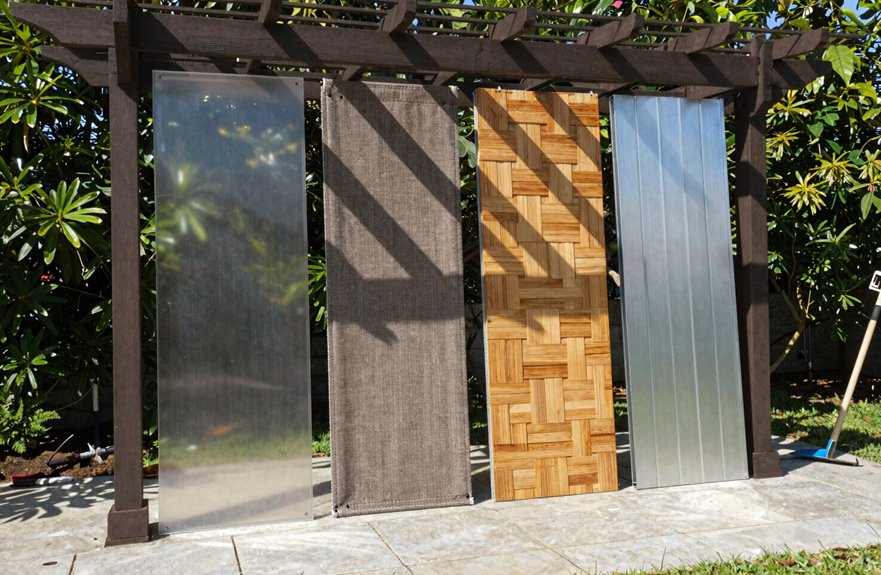
Whether you’re building new or upgrading your existing pergola, selecting the right cover involves considering three key factors: cost, durability, and maintenance requirements.
Choosing a pergola cover means weighing cost against durability and how much upkeep you’re willing to handle.
I explored various options and found the following.
Polycarbonate panels provide excellent UV protection and withstand harsh weather conditions. Corrugated types are more affordable but may yellow and become brittle over time. Multiwall systems offer enhanced durability and longevity.
Canvas canopies are available in a wide range of colors. They are inexpensive and lightweight, but they can accumulate water on top, leading to more frequent replacements.
PVC sheets allow light to filter through while keeping rain out; however, they can trap heat and create noise during storms.
Balancing maintenance needs with installation ease is crucial when choosing a pergola cover.
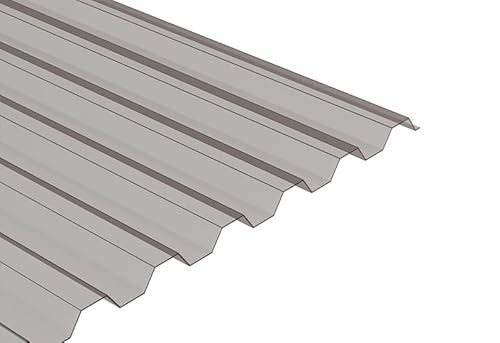
10 PANELS, 105 SQ FT: Ten black-tinted polycarbonate trapezoid corrugated sheets, each 72" L x 21" W (10.5 sq ft per panel before overlap), for a patio cover, pergola, carport, shed or under-deck drip barrier. Fasteners sold separately.
40 PANELS, 420 SQ FT: Forty black-tinted polycarbonate trapezoid corrugated sheets, each 72" L x 21" W (10.5 sq ft per panel before overlap), sized for large patio covers, pergolas, carports and shed roofs. Fasteners sold separately.
20 PANELS, 210 SQ FT: Twenty black-tinted polycarbonate trapezoid corrugated sheets, each 72" L x 21" W (10.5 sq ft per panel before overlap), for a full patio cover, pergola, carport or shed roof. Fasteners sold separately.
Install Corrugated Polycarbonate Pergola Cover Panels for UV Protection
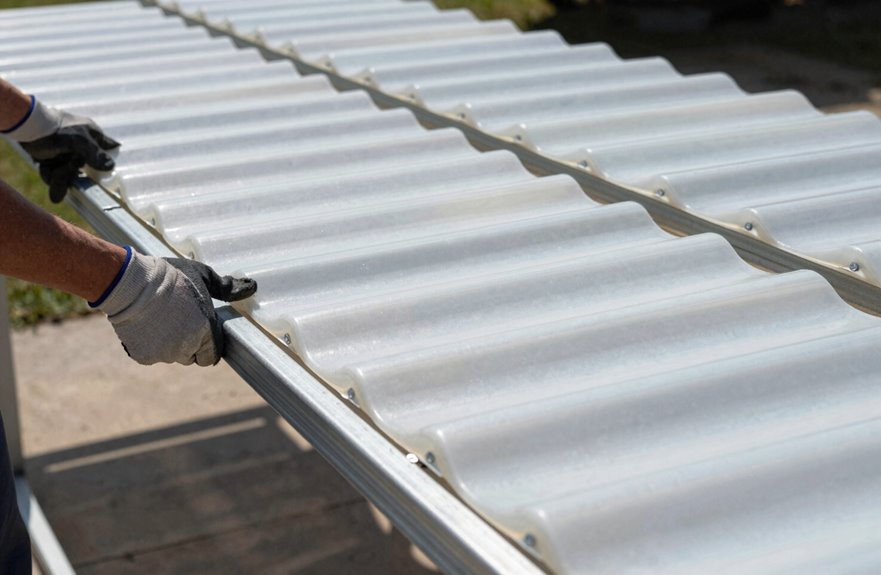
Installing a corrugated polycarbonate cover is one of the simplest ways to shade my pergola without a significant expense. These panels provide UV protection while allowing soft light to filter through, and I appreciate the traditional wavy look they add to my outdoor space.
Here are the reasons I chose this pergola cover:
- Installation is easy; I managed it myself on a Saturday afternoon using basic tools.
- The lightweight aesthetic maintains a clean appearance for my structure, avoiding a bulky look.
- It’s weather-resistant enough for daily rain and sun, though I understand it won’t last indefinitely.
My corrugated polycarbonate panels block harsh rays and most rain, creating a covered feel without a major investment. While they may scratch or yellow over the years, they currently suit my needs well.

Polycarbonate Roofing Panels: Transparent roofing panels made from polycarbonate material, 1mm thick, offering transparency comparable to glass. Features waterproofing, thermal insulation, anti-aging, and impact resistance
Polycarbonate Roofing Panels: Transparent roofing panels made from polycarbonate material, 1mm thick, offering transparency comparable to glass. Features waterproofing, thermal insulation, anti-aging, and impact resistance
Polycarbonate Roofing Panels: Transparent roofing panels made from polycarbonate material, 1mm thick, offering transparency comparable to glass. Features waterproofing, thermal insulation, anti-aging, and impact resistance
Install Multiwall Polycarbonate Pergola Covers for Better Insulation
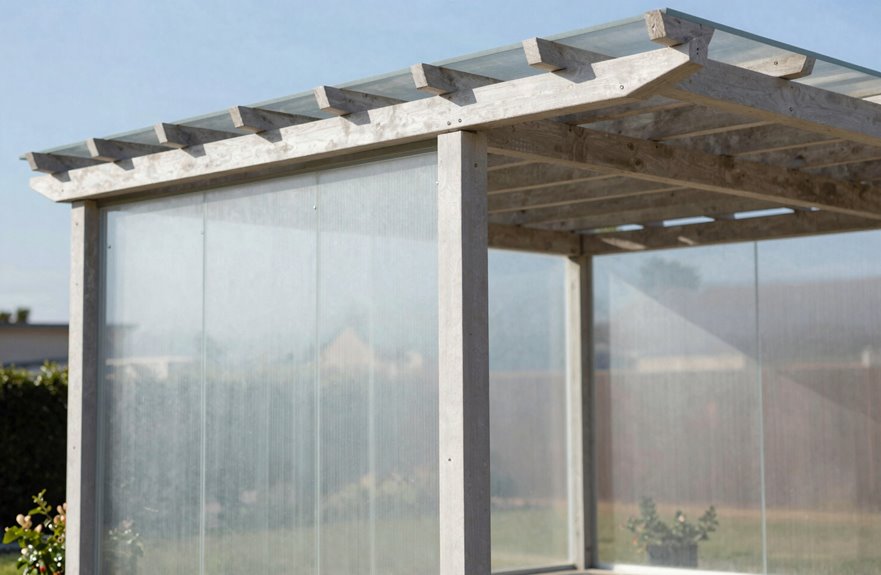
Why settle for basic coverage when I can get better insulation with multiwall polycarbonate? I’m upgrading my outdoor space with pergola covers that keep me comfortable.
Multiwall polycarbonate uses double or triple-layer sheets. This design traps air between walls, providing superior insulation against heat and cold. I still get beautiful natural light, plus UV protection that blocks harmful rays.
These pergola covers offer several advantages:
- Weather resistance that handles rain, hail, and impact better than single-wall options
- A 10-year warranty against yellowing and brittleness
- Crystal-clear clarity that lasts for years
While multiwall costs more than corrugated options, the thermal performance enhances comfort.
DIY installation is possible with the right guidance, though I might call a pro for tricky cuts. Either way, I’m investing in a space where my friends and family want to gather.

HIGH QUALITY FABRIC - Our retractable shade cover is made of high quality polyethylene, it can block most of strong sun rays but let some light get through. And it allows air to pass through with breathable fabric .

Retractable Canopy: The sliding structure can control the expansion and contraction area of the pergola replacement cover, dynamically shading, and easily adjusting the sunlight and shade you want

[Adjustable Canopy]: This arched pergola features a flexible canopy that can be independently adjusted to deliver your desired level of sunlight or shade. Its retractable design offers the utmost convenience in customizing either side
Hang Retractable Pergola Cover Canopies for Adjustable, Budget-Friendly Shade
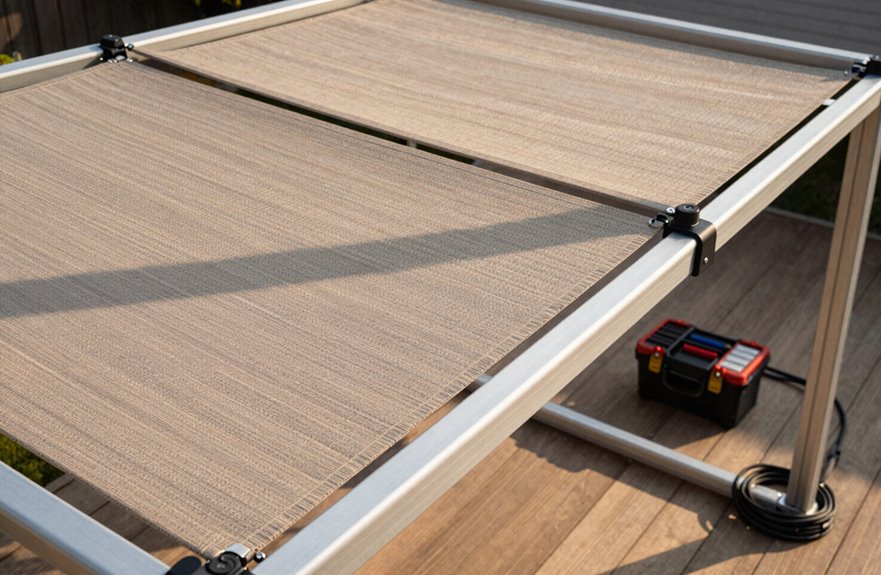
How do I get shade when I need it and sunshine when I don’t? I grab a retractable canopy, and suddenly I’ve got the best of both worlds.
A canvas canopy provides budget-friendly pergola shade with plenty of color choices, though I need to be cautious of water pockets in heavy rain. For solid weather protection, polycarbonate panels let light through without the concern of drips. PVC works as well, but I should retract it to prevent heat buildup.
DIY installation requires patience; I will ensure everything is tensioned properly so it glides smoothly for years.
Here’s what I check before buying:
- How windy does it get where I live?
- Will the hardware fit my existing frame?
- How much UV protection do my family and I need?
An adjustable retractable canopy allows for flexible outdoor living.

14MIL CLEAR VINYL TARP: Our 400g/m² Clear Tarpaulin is made of 14 mil Durable Heavy Duty PVC Vinyl.The clear design of the tarpaulin makes it an excellent choice for outdoor activities such as camping, picnics, or outdoor events where you want to enjoy the view while still being protected from the elements.Clear vinyl tarp allows light to pass through it .The sun shines through and gives us some much needed sunlight while protecting us from the cold

【HIGH QUALITY MATERIAL】is made of transparent PVC plastic, Edge Stitches Made of Polyester Fiber, Corners with Rubber Triangular Sleeves, Reinforced Edges, Metal buttonhole, Strong and Durable, and Can Quickly and Easily Fix the Tarpaulin.
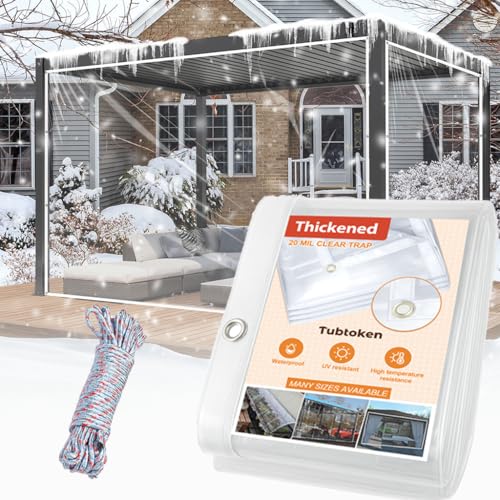
💪 Built to Last with 20mil Thickness - Say goodbye to frequent tears and creases with our upgraded 20mil waterproof outdoor clear tarp curtain! As professional PVC tarp manufacturers, we've addressed common issues by strengthening our fabric, ensuring it lasts longer than 6-10mil thick standard options. Experience durability that stands the test of time, with at least 95% of our fabrics tear-free even at creases.
Use Reeds, Bamboo, or Vines for a Natural Pergola Cover (With Tradeoffs)
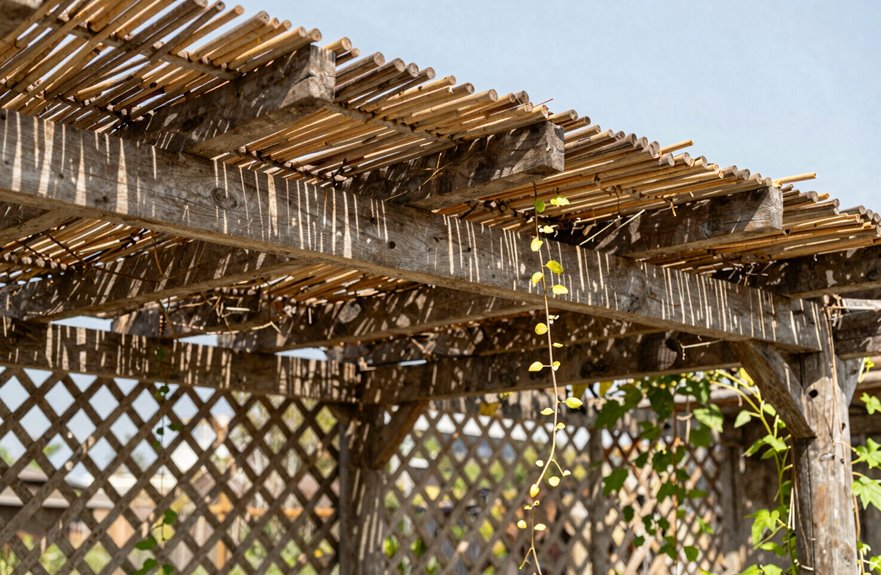
What if I want my pergola to feel like a secret garden hideaway? I’d choose reeds, bamboo, or vines for my natural cover. Each option brings that cozy, tucked-in feeling we all crave.
| Natural Cover | What You Give, What You Get |
|---|---|
| Reeds | Cheap, tropical vibes but weak durability; I replace these often. |
| Bamboo | Strong and pretty, yet I’m treating it constantly against bugs and rot. |
| Vines | Lush living shade, though the upkeep never stops and rain still drips through. |
Vines create a connection to living growth, though they won’t block storms. Reeds are budget-friendly. Bamboo lasts if I stay on top of care.
Choose the option that aligns with your maintenance preferences. Enjoying a peaceful outdoor nook is possible without unexpected challenges.

Natural Reed: The bamboo curtains for patio outdoor uses strictly selected natural wild reeds as weaving materials, which are fine and uniform, tough and straight, and have a delicate and smooth feel. The bamboo privacy fence is made using original hand-woven methods. The workmanship is fine and unique, creating a classical work of art. The faint scent of grass fills the surroundings, creating a simple and elegant atmosphere.

Privacy Fence Screen:Reed Fences are Amazing in Color and Opacity,The Bamboo reed Fencing Blocks the sun and the view of Neighbours,In additionour reed privacy screen can help hide flawed walls,replace old fences,improve backyard/balcony privacy and even prevent pets from jumping out from the balcony

Weather-Resistant: Crafted from premium natural reed, this reed fencing roll is tough and durable, offering excellent wind, rain, and sun protection. It easily withstands harsh outdoor conditions, providing a long-lasting, attractive barrier that combines both beauty and functionality to create the perfect space.