I keep my outdoor furniture grounded by arranging heavy pieces upwind to block wind channels, stacking and tying lightweight chairs together, and hiding weight bags under cushions or behind planters. I lock cushions down with Velcro strips and match my umbrella base weight to its canopy size, using about 66 pounds for a 9-foot umbrella.
For permanent setups, earthquake gel works well, though it may not be ideal if you move things frequently.
There are additional strategies to protect your space when the wind picks up.
Arrange Furniture to Block Wind Channels
Where should you start when wind keeps tossing your patio chairs around? Arranging your furniture strategically can make a significant difference.
Create a Wind Barrier
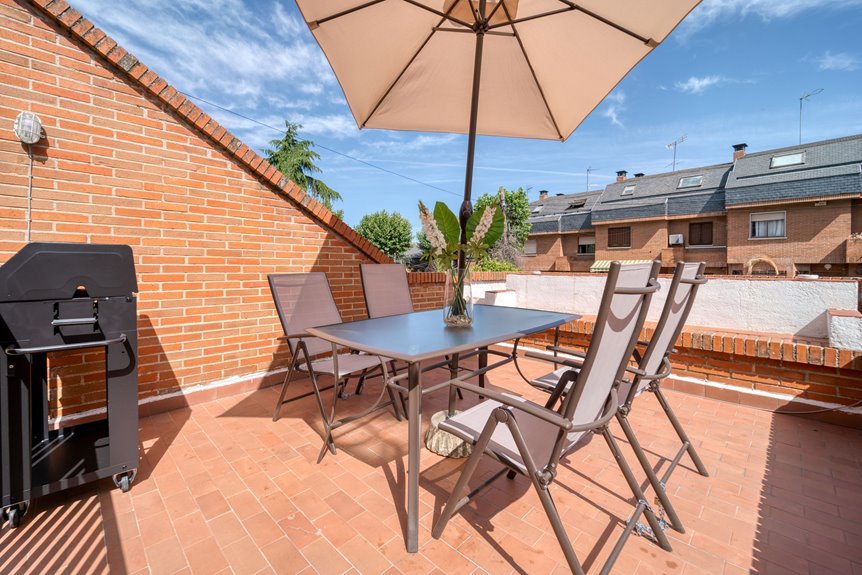
Push heavy furniture against walls or into corners to create natural shields that block wind from racing through open spaces.
I push my larger pieces, such as sofas and heavy tables, against walls or into corners. These become natural shields that stop wind from racing through open spaces. It functions like a cozy fort that protects everyone inside.
Block the Channels
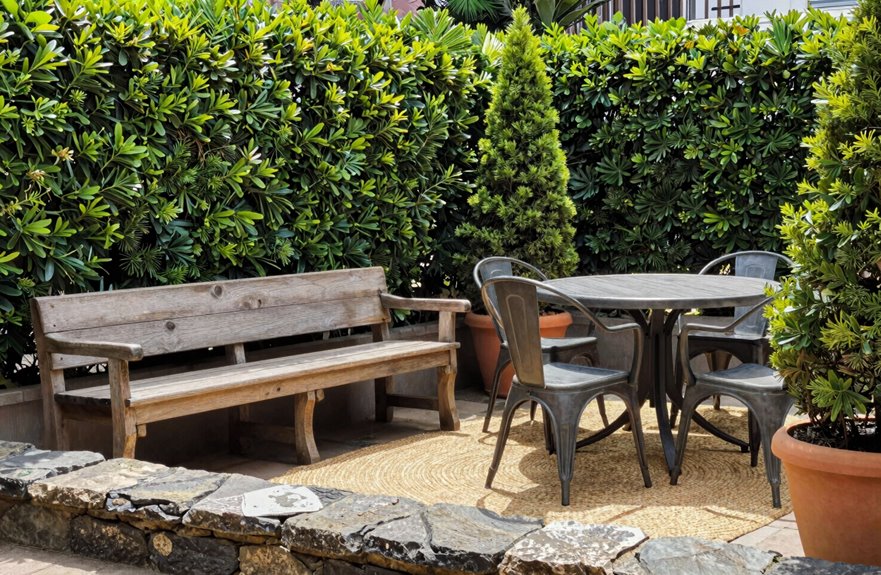
I arrange everything closely, ensuring there aren’t large gaps between items. I place tall, bulky pieces upwind of lighter ones so the wind hits the heavy items first. This setup effectively protects the lighter pieces.
Face the Wind Together
I align my seating to steer airflow around us, not through us. I leave small gaps only where we need to walk, preventing direct wind tunnels.

Package Contents: This deck or dock anchor kit includes 8 fishbone-shaped deck anchor spikes measuring 1.4 x 3 inches, 8 steel cables measuring 3mm thick and 19.7 inches long, and 16 D-shaped carabiners measuring 1 x 1.6 inches. All accessories are included in sufficient quantities. No additional accessories required—the ultimate solution for securing outdoor furniture to docks.

SECURE OUTDOOR FURNITURE: Deck anchors help stabilize chairs, tables and other outdoor equipment on compatible wood decks and docks, creating practical tie-down points for everyday outdoor use.

WELL CONCEIVED AND VERSATILE - Deck or dock anchors is the best solution to securing furniture on the dock. Any place with a gap can become an anchor point to tie outdoor furniture down. Include dock equipment like a canoe or raft.
Stack and Tie Lightweight Chairs for Quick Security
When I arrange my larger furniture to block the wind, I still need a plan for those lightweight chairs that catch air like sails.
Stack and Tie for Quick Security
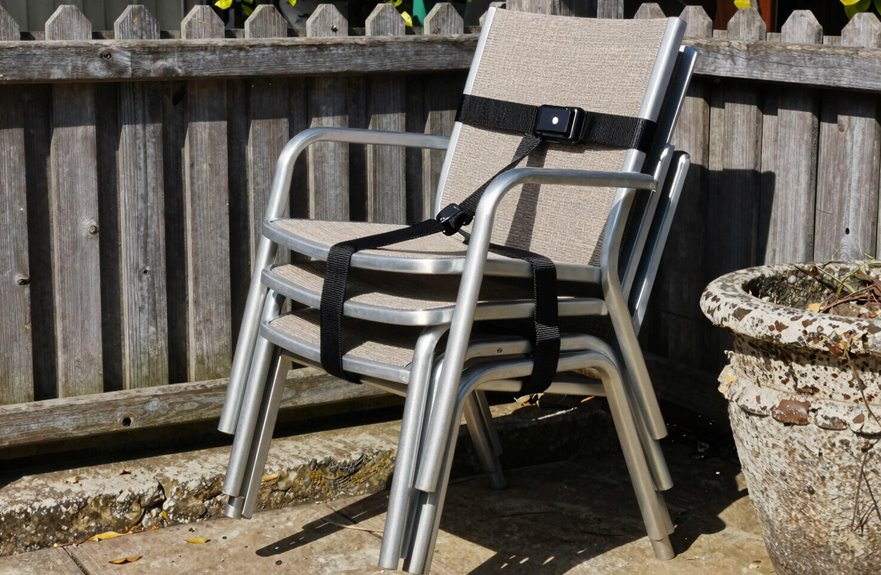
- Stack them up. I pile my chairs together; metal, wood, or aluminum all work fine. The combined weight makes them much harder to push around.
- Tie them tight. I grab a rope or bungee cord and wrap it around the stack. This keeps everything together when gusts hit.
- Find shelter. I slide the stack against a wall or tuck it in a corner, reducing wind exposure.
This simple trick also protects my deck from scratches. It’s quick, works with almost any chair type, and can be used anywhere. This method is practical and efficient.

【Package Contain】The 4PCS photography sandbags come with 4 PCS aluminum clips and 8 PE sealed bags. Warm Tip: The sandbags are empty and not loaded with sand

【Enhanced Material Sand Bags】Crafted from higher density polyester fabric and oxford cloth lining, which is wear-resistant and sturdy. Whether you're working in the studio or outdoors, these sandbags can provide reliable stability for your equipment

【𝟮𝟬𝟬 𝙡𝙗𝙨 𝙒𝙚𝙞𝙜𝙝𝙩 𝘾𝙖𝙥𝙖𝙘𝙞𝙩𝙮】This well-designed single weighted bag holds a maximum of 50 lbs can provide solid support for a variety of outdoor gear. Suitable for a variety of occasions, users can choose different fillers to adjust the weight of the furniture weights sandbags for optimal stability. Recommended fillers include sand, small gravel and dirt. (Note: Sandbags are empty sandbags with no pre-filled sand.)
Weight Tables and Chairs Without Visible Anchors
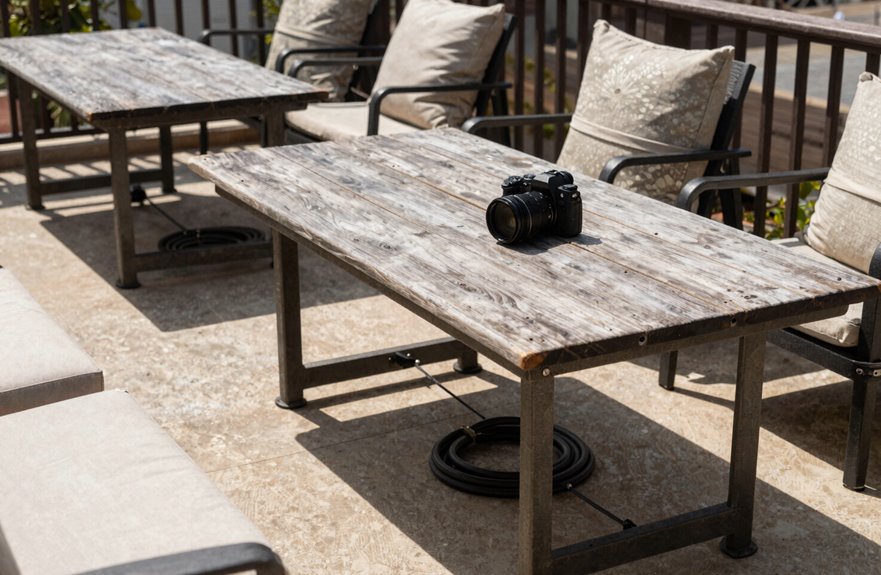
I’ve discovered effective methods to secure furniture on your patio without compromising its appearance. You can tuck heavy bags under cushions or wrap them around chair legs where they remain out of sight. Simple items like sandbags or a large bag of kitty litter can effectively stabilize your furniture during windy conditions.

Sturdy umbrella stand outdoor base: Our 40-pound umbrella base provides a secure hold for your umbrella. It is designed to be used with a patio table and umbrella
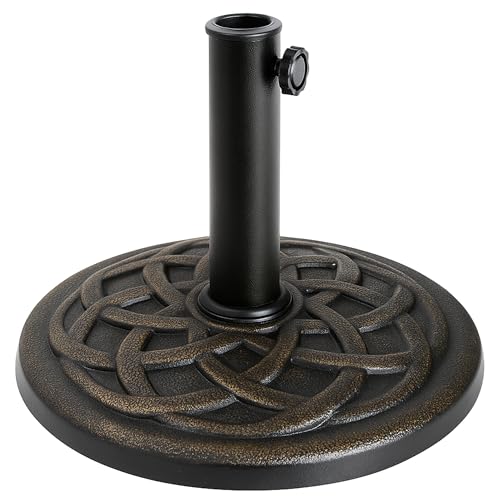
20 LB WEIGHTED STABILITY – Heavy, 20 lb round umbrella base helps keep your patio umbrella upright on the deck, porch, balcony, poolside, or backyard seating areas.

Heavy-duty & weather-resistant: Made of HDPE plastic to withstand impact and constant movement, and treated with a weather and UV-resistant coating
Stacked Chair Stability
Why let your chairs scatter across the yard when you can secure them with a simple stack?
I stack my chairs when storms roll in, and you should too. Here’s why it works:
1. Add Weight Together
Stacking turns light chairs into one heavy unit. Wind can’t push a pile as easily as single pieces.
2. Tie Them Up
I wrap a rope or bungee cord around my stack. This keeps everything bundled tight so nothing slides apart.
3. Find Shelter
I tuck my stacked chairs against a wall or into a corner. Less wind hits them there.
Your patio stays scratch-free since chairs aren’t sliding around. Plus, stacked chairs look tidy without the need for unsightly anchors.
Outdoor spaces feel more organized with this method. It keeps your setup neat, safe, and ready for your next gathering.
Hidden Weight Options
Stacking works great, but sometimes you want your furniture to stay put without looking like you tied it down. I have found some clever ways to add weight without ruining your setup’s look.
Discreet Weight Bags
I slip fabric weights around chair legs or tuck them under cushions. They blend right in with my decor, and guests never notice them.
Everyday Anchors
Regular sandbags or large kitty litter bags work perfectly. I hide these behind planters or under tables where they are out of sight, but they keep everything grounded.
Semi-Permanent Solutions
For my balcony setup, I use earthquake gel. It is clear, stays sticky, and holds furniture firmly without visible straps or hooks.
These tricks allow you to enjoy your space without clutter and maintain a simple, sharp appearance.
Lock Cushions Down With Velcro Strips
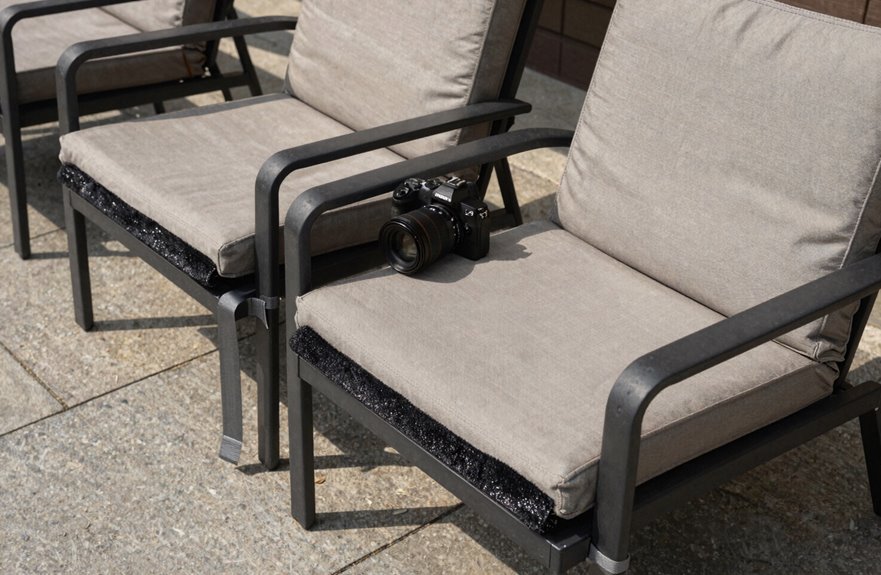
Locking cushions down with Velcro strips is one of the simplest ways to keep everything secure. Stick adhesive-backed Velcro to your furniture frame and the matching piece to your cushion, then press them together. The installation takes minutes, and your cushions will remain in place even in windy conditions.

【Package Includes】: 30 pcs Bungee Balls .Elastic rope length of 6inches (including the ball), nylon ball diameter of 1 inch, stretched to 12 inches, can be combined with multiple elastic rope for greater length and functionality;

SECURE PATIO COVERS IN WINDY CONDITIONS – Designed to keep furniture covers in place during strong winds; ideal for patio tables, chairs, grills, and outdoor equipment protection.
SECURE PATIO COVERS IN WINDY CONDITIONS – Designed to keep furniture covers in place during strong winds; ideal for patio tables, chairs, grills, and outdoor equipment protection.
Simple Installation Method
Windy days don’t have to mean chasing your cushions across the yard. I use Velcro strips to keep everything in place, and you’ll appreciate how simple it is to join those who’ve solved this problem.
Here’s my quick setup:
| Step | What I Do | Why It Works |
|---|---|---|
| 1 | Cut strips to cushion width | Fits perfectly, no bulk |
| 2 | Stick one side to frame, one to cushion | Creates tight hold |
| 3 | Align with cushion placement | Even fastening every time |
I select adhesive-backed Velcro so I can reposition items when friends come over. It works on metal, wood, aluminum, or whatever you have. No tools, no drilling, no fuss. Just peel, stick, and enjoy your outdoor space without worry.
Secure Cushion Fastening
A gust of wind can send your cushions flying, so I found a solution that keeps them securely in place. I attach adhesive-backed Velcro strips to my furniture frames and cushions, creating a hidden grip that holds strong during storms.
Here’s how I make it work:
- I cut strips to fit, then align them carefully so everything matches up.
- I press one side to the frame and the other to the cushion, focusing on the top edges and corners where lift happens first.
- I ensure that removal remains easy for cleaning or when I want to rearrange.
This method keeps my outdoor space looking clean, since no bulky straps are visible. It is ideal for renters or those who move frequently. Your cushions stay put, and your patio remains attractive.
Choose the Right Weight for Your Umbrella Base
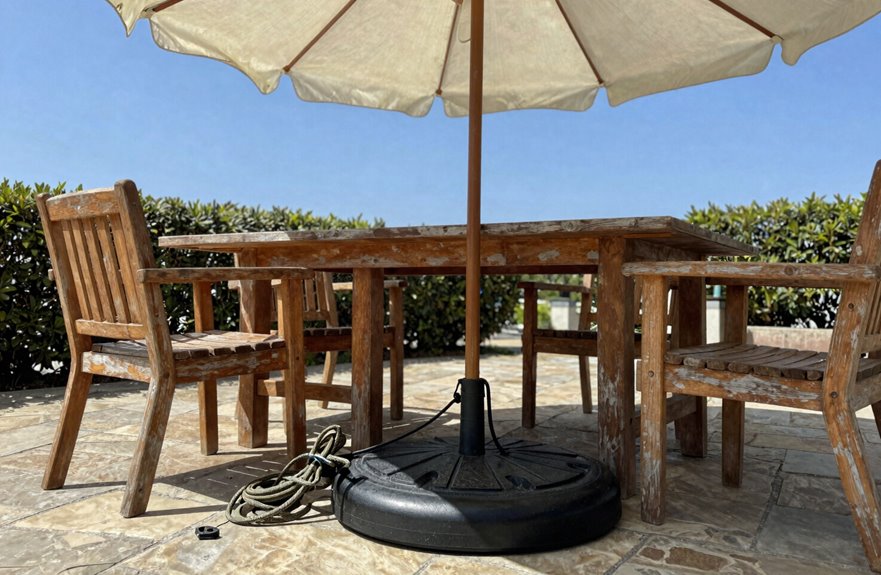
How do you keep a patio umbrella from turning into a flying saucer on breezy days? It’s all about matching your base weight to your canopy size.
Finding Your Perfect Fit
Here’s what works for me:
- Measure first, buy second. A 9-foot canopy needs about 66 pounds. Go up to 10 feet? You’ll want 88 pounds. Those big 11-foot umbrellas require 110 pounds or more.
- Cantilever umbrellas need extra love. They catch wind differently, so I always choose a heavier base than the standard recommendation.
- Think of it like this: A weighted base anchors your whole setup. Lighter bases wobble and tip, while the right weight keeps everything steady when gusts hit.
I only open my umbrella when I’m outside, and I fold it down when I’m done. These small habits help protect my investment and maintain a comfortable patio atmosphere.

Help protect the pieces you love: QuakeHOLD! Clear Gel helps keep glass, crystal and collectibles from tipping and falling during earthquakes and accidental bumps. Add extra...
Anchor Furniture Permanently With Earthquake Gel
While a weighted base works well for temporary setups, sometimes you want something that stays put permanently. That’s where earthquake gel proves effective. It is ideal when you’re ready to commit to your outdoor layout.
This method offers several advantages:
- It grips tighter than traditional anchors, ensuring your furniture remains stable during storms.
- It is particularly useful for balcony living where frequent rearrangements aren’t necessary.
- It provides assurance knowing everything is securely fixed in place.
However, this gel may not suit everyone. If you’re renting or prefer to change your space each year, you might feel restricted. Once the gel sets, your furniture remains in place. Consider your long-term plans carefully before making this choice.

Easy No-Drill Setup: These deck anchors feature a unique twist-in design, allowing quick installation without tools or drilling. Simply insert the peg into wooden deck gaps, and your rope is securely fastened. Perfect for tent tie downs, canopies, and more on wooden surfaces

Choose American. Choose Certainty. Eurmax Canopy is North America’s #1 factory store, stocking all canopies, accessories, and patio umbrellas right here in the U.S.

Great for Wooden Board, Decks and Dock : Needs 3/16" - 1/4" of spacing between decking boards, The Decks max thickness of 1.5 inch. Strong deck anchor set can protect your valuable outdoor furniture, kayaks and SUP boards in bad weather! Outdoor furniture deck anchor can create a firm and secure grip! Secure your outdoor furniture or any goods to deck.