
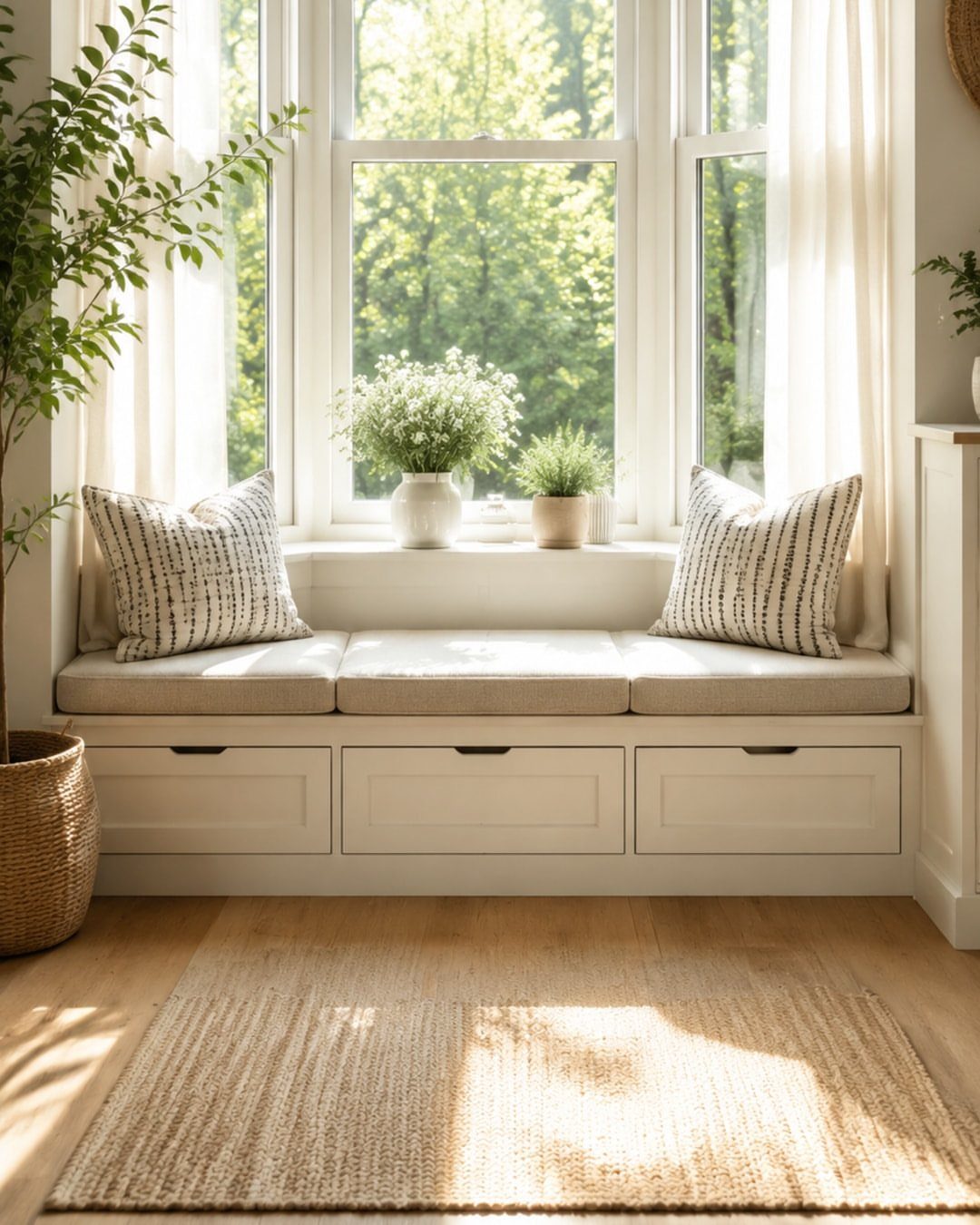
These ideas run from slim hangers to a full built-in window seat, and the right pick depends on whether you want to use what you already have or commit to something permanent.
A wheeled bin under a platform bed slides in on your own; built-in drawers under a window seat take a carpenter and a decision you cannot undo.
The 6-inch depth of a wall-mounted rail with a shallow shelf above it is what makes it work behind a door where a cabinet would block the swing.
1. Closet Shelves and Slim Hangers
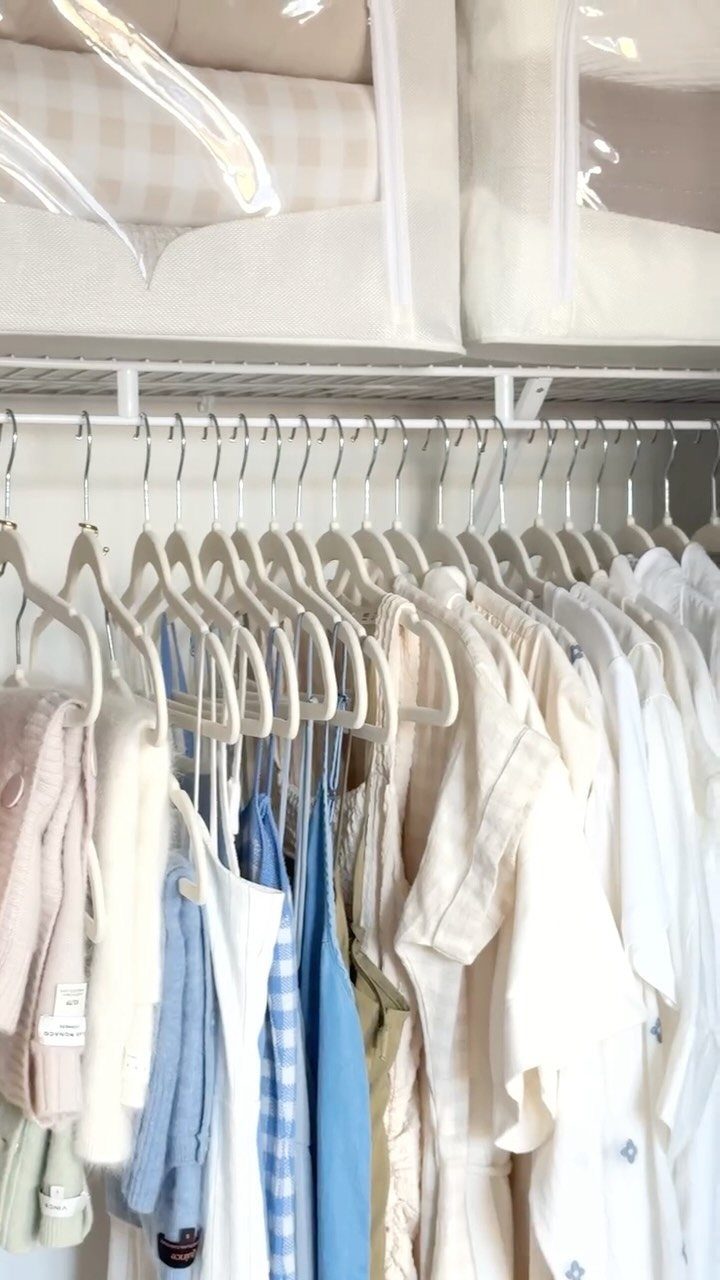
I would switch out every hanger in one go rather than mixing types, since matched sets keep clothes hanging at the same height and stop the visual clutter that defeats the purpose.
Check that your rod can handle the weight if you are doubling up; wire shelves need their bracket spacing verified before you load them with bins.

High Quality Wardrobe Storage Hangers: Our pants hangers are made of high-quality anti-rust metal material, not easy to bend, can bear heavy clothes, and metal hangers are more durable than wooden or plastic hangers. Clothes hanger has rubber tips on the exposed edges to avoid damage and cuts, and the non-slip clips have soft rubber to keep clothes from getting pinched.

INCLUDES: 30 suit clothes hangers in Ivory/Silver for keeping shirts, blazers, slacks, and more neatly hung and organized

Storage Solution for Gym Clothes: This closet organizer provides 4 pack space saving hangers for storing gym clothes and workout sets. 2 pack top hangers with 16 layers can hold 16 pieces of tank tops and 2 pack bottom hanger with 20 clips can store 20 pairs of leggings respectively, which is especially suitable for those who have many gym clothes and sport workout set
2. Under-Bed Storage
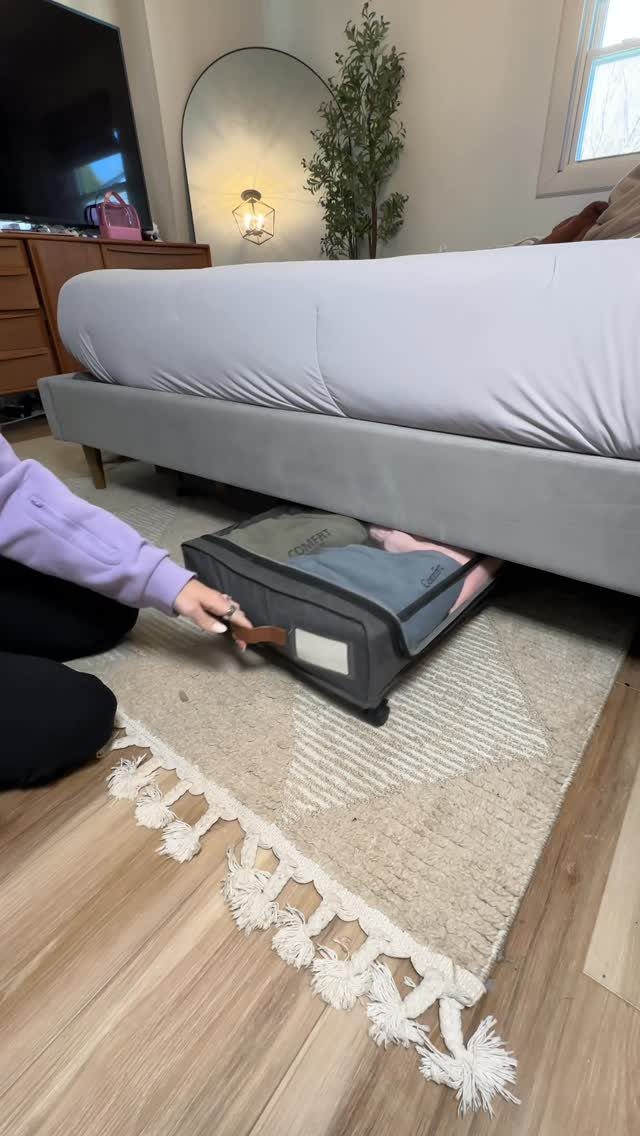
A platform bed with clearance underneath turns dead space into storage that dusts less than an open closet because it is out of sight.
A wheeled bin matters more than it looks: pulling by handle beats dragging a box across carpet, and wheels keep the fabric bottom from snagging.
I would measure floor to frame before buying anything, since beds marketed as "platform" vary in clearance and a bin that fits one may wedge stuck in another.

80L Expandable Larger Capacity : Under the bed storage with dimensions 31.5 x 15.75 x 9.45 inches (with wheels), height adjustable from 9.45" to 11.02" to fit most bed frames. Perfect for storing clothing, shoe, bedding, pillow, towel, and seasonal decor like wrapping paper, Christmas and Halloween supplies. Slides smoothly under bed, couch, closet and table to maximize unused space

Hold Up to 66lbs: Yecaye under bed storage with wheels is made of high quality 300D PU fabric and sturdy metal frame, can hold up to 66 lbs, stronger than other fragile metal mesh, spacious capacity perfect for storing clothes, toys, books, shoes and other heavy items also won't compromise stability and durability

Maximize Underbed Space: Our 66-quart storage bin fits perfectly under beds, transforming wasted space into organized storage for blankets, and seasonal items with its slim 7" height design.
3. Built-In Storage
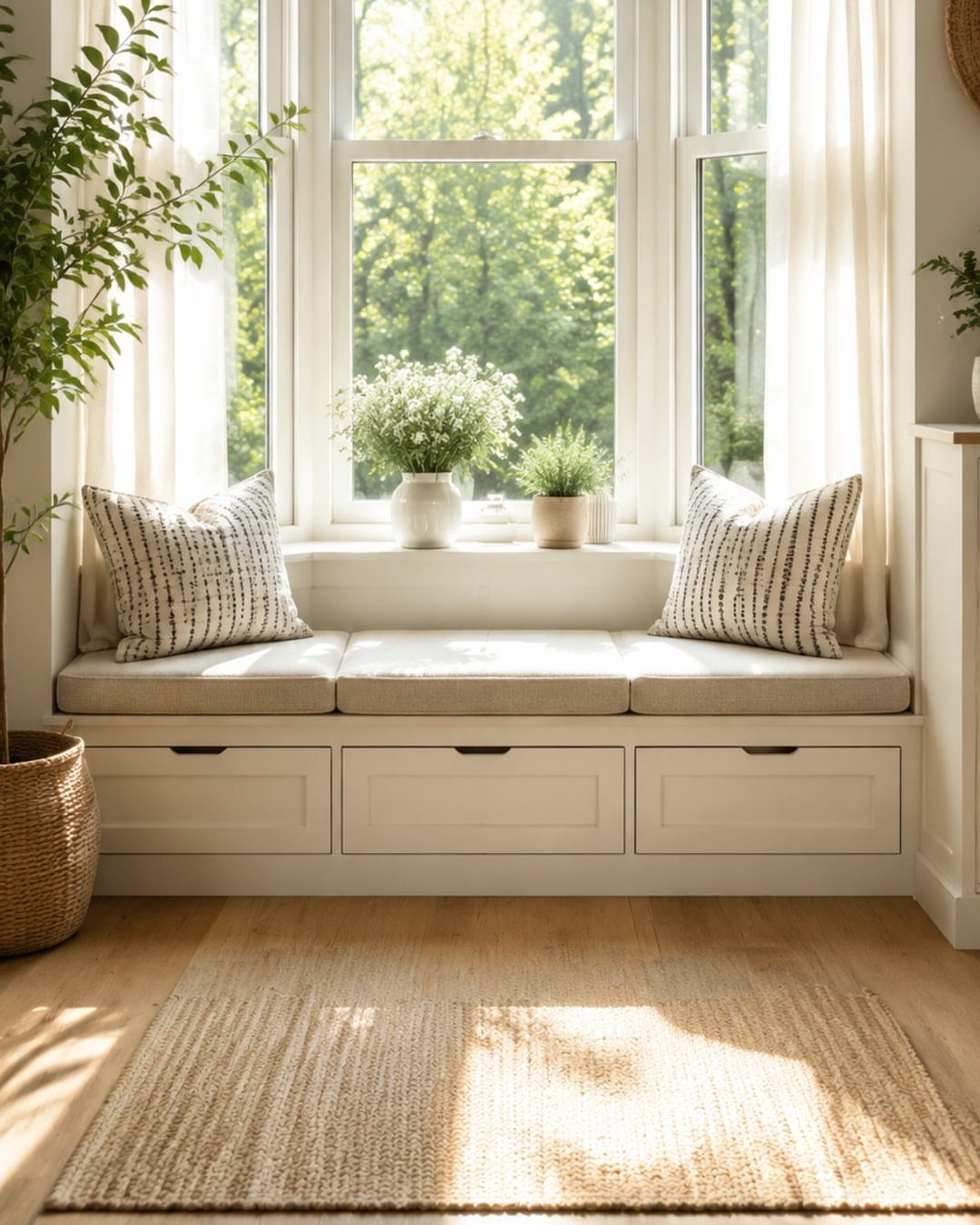
3 drawers under a window seat use a bay window’s depth without requiring more floor space, which is the only way built-in storage justifies its cost.
Built-in storage trades flexibility for permanence: the bench stays where the builder put it and the drawers fit only what they fit.
I would budget for a cushion with a zip cover rather than a fixed upholstered top, because the first thing to fail in a kitchen-adjacent window seat is the fabric, and replacing just the cover saves the carpentry.

Bamboo Storage Bench: Crafted from sustainable bamboo for eco-friendly elegance and lasting sturdiness. Waterproof coating effortlessly repels spills and stains, while smooth rounded corners ensure safety for children and pets, making it suitable for all homes

Compartment Design Meets Open Storage: This shoe bench comes from VASAGLE CUSTOS Collection, characterized by the open compartment design that embodies easy-to-blend-in minimalism, while ensuring everything's organized and easily accessible

Claim Your Boho Vibes: Part of the ELLAN Collection, this shoe bench combines a woven rattan look, rounded corners, and slim pulls for a cozy, relaxed boho feel. Pair it with the matching storage cabinets to create a unified, inviting space
4. Hooks and Rails
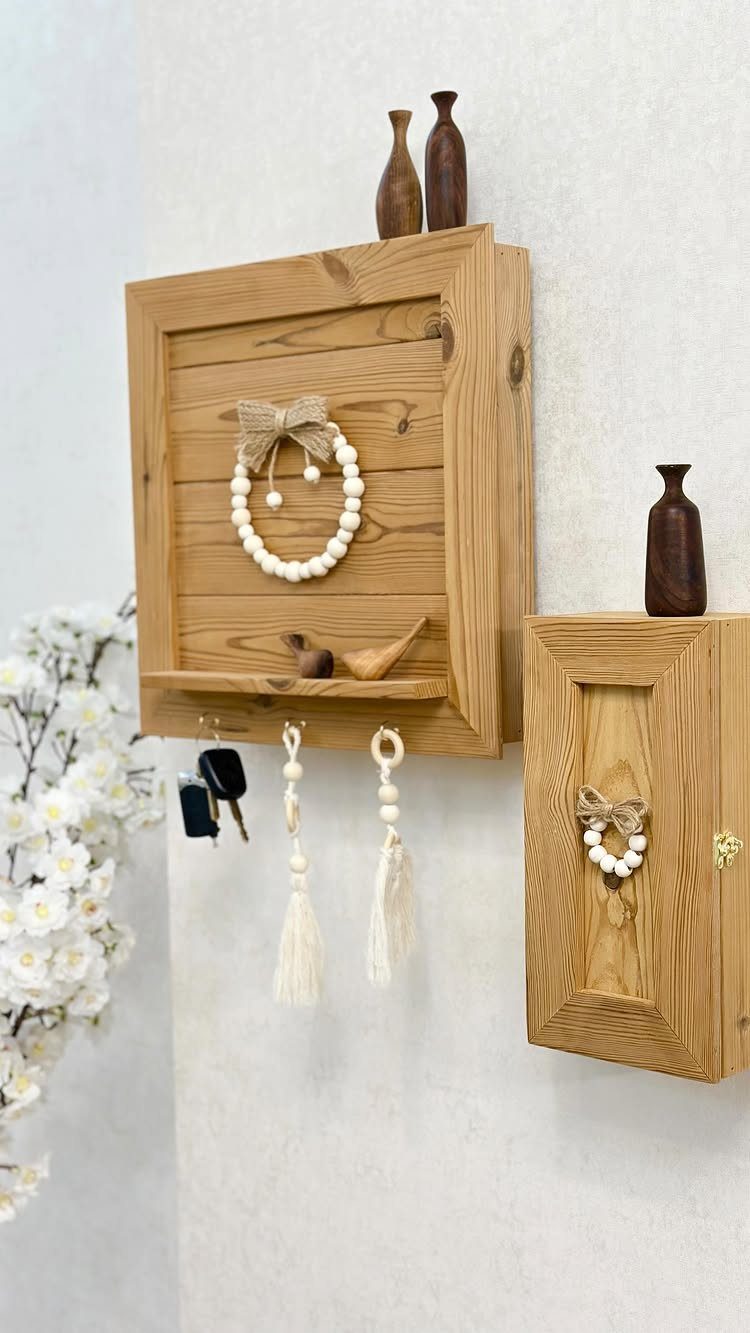
A wall-mounted rail with a shallow shelf above it does two jobs in about 6 inches of depth, which is the dimension that matters in a narrow entry or behind a door.
Keys and small items stay separated by hook spacing that prevents tangling; I would mount high enough that bags and coats hang clear of a console or bench below.
Check for a stud or use a toggle anchor, since the combined weight of wood, shelf items, and hanging hardware adds up fast.
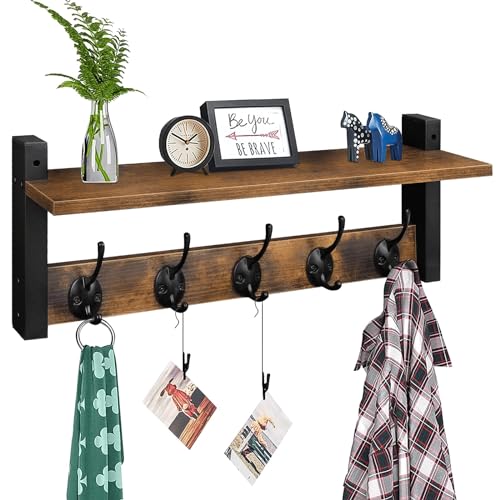
MATCHE THE AESTHETIC: Rustic brown wood surface for an old-time classic look, rigid black iron for industrial chic style, they now come together on this shelf with hooks to bring a elegant style to your home and go along with your theme in entryway, hallway, bathroom or bedroom

STYLISH & ELEGANT: Crafted from high-quality white wood, our wall hooks with shelf blends modern design with functionality. It adds a touch of elegant charm to your decor while providing a convenient place to hang coats, hats, and more

Coat Rack with Shelf: Each rack comes with a panel, which provides storage space for photo frames, plants, and postcards. And it comes with 5 hooks for storing coats, bags, umbrellas, keys, etc
5. Overhead Storage
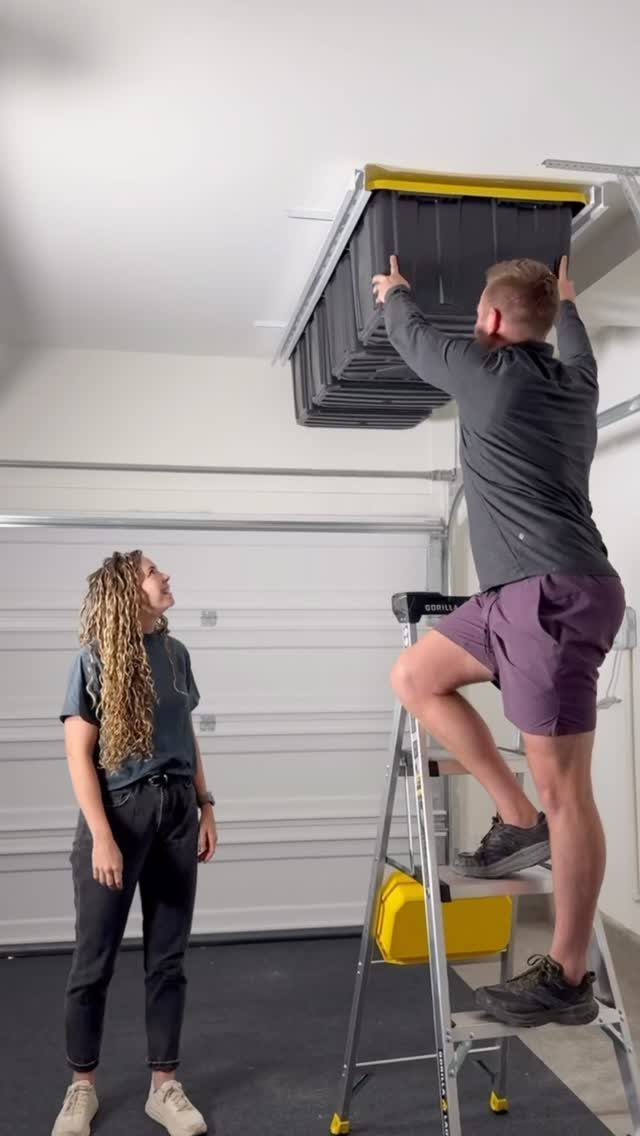
Ceiling-mounted tracks in a garage put bins where cars cannot, but the real requirement is a stepladder rated for the job, not a kitchen stool, and a second person to hand items up.
I would skip this for anything I need monthly or more often, since the time to set up and climb defeats the purpose of quick access.
Check your ceiling joist spacing before ordering hardware; wider spacing is common in newer construction, but the tighter pattern is still standard in older homes and the mounting kit needs to match.

CEILING MOUNT SPACE SAVER: Reclaim your valuable garage floor space. This overhead hanging rail system cleverly utilizes unused ceiling areas to neatly suspend your seasonal items, heavy tools, and holiday decor. Instantly transform a cluttered workspace into a highly organized, professional environment.

Expand Ceiling Space— The garage overhead storage rack allows you to move storage bins from the floor to the ceiling, stacking them neatly on the rack so you can easily access items while keeping your storage area tidy and organized

MAXIMIZE CEILING SPACE: Turn unused overhead areas into a storage bin system. Reclaim floor space in your garage, workshop, or shed while keeping seasonal gear, tools, and decorations organized with overhead garage storage
6. In the Bathroom
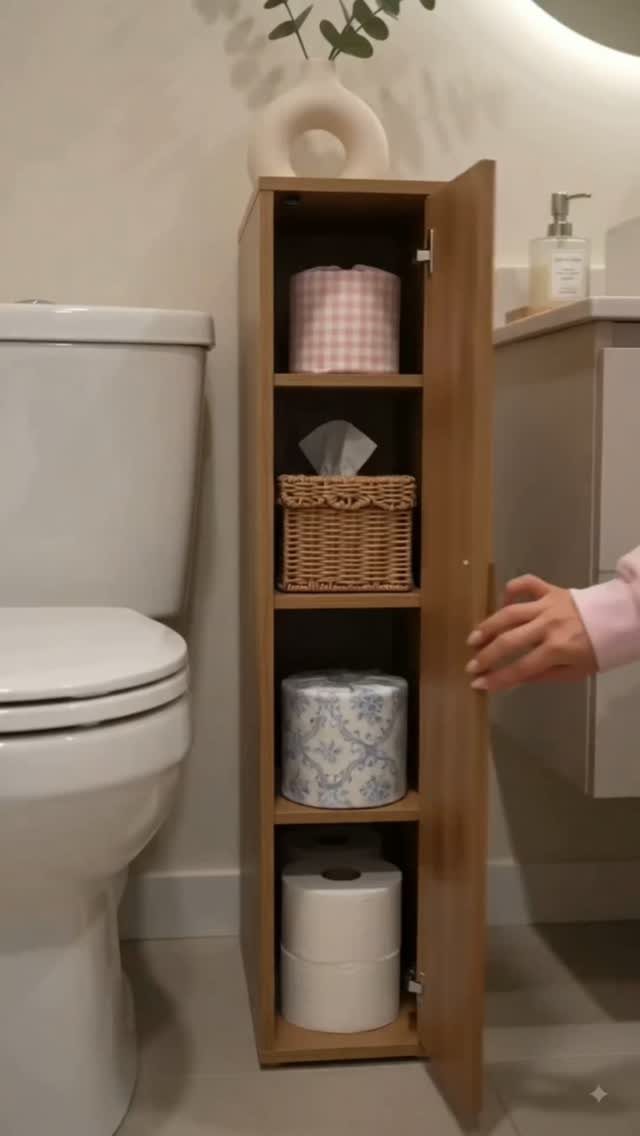
A slim cabinet wedged between toilet and vanity fills a gap often too narrow for a standard storage piece and too deep for comfort if left empty.
The right proportions for a bathroom shelf run narrow, with shallow depth that keeps toilet paper rolls from tumbling backward into shadow.
I would anchor this to the wall even if it feels stable empty, since bathroom floors get wet and the weight of full shelves shifts the center of gravity.
Check your toilet’s clearance to the side; building codes want a minimum from center to any obstruction, but the actual wall-to-bowl distance varies and a cabinet that fits on paper may crowd your knee.

𝟐𝟐 𝐏𝐀𝐂𝐊 𝐇𝐀𝐍𝐆𝐄𝐑𝐒 𝐒𝐄𝐓 𝐀𝐒 𝐇𝐎𝐔𝐒𝐄𝐖𝐀𝐑𝐌𝐈𝐍𝐆 𝐆𝐈𝐅𝐓 & 𝐀𝐏𝐀𝐑𝐓𝐌𝐄𝐍𝐓 𝐒𝐓𝐀𝐑𝐓𝐄𝐑 - This is the practical housewarming gift that will actually get used. These 16"W x 9.4"H purple plastic hangers arrive at a new home and go straight to work, making them a perfect purple clothes hanger set for an apartment that already knows its aesthetic. Just Purple is obviously the right gift choice. You get 22 hangers instead of 20, giving you two extra because you are definitely going to need them.

INCLUDES: 50 suit clothes hangers in Black/Silver for keeping shirts, blazers, slacks, and more neatly hung and organized

Heavy Duty Load Capacity: Thickened ABS plastic; each hanger holds up to 30 lbs; supports winter coats, denim, sweaters, hoodies and shirts without bending, warping or cracking; wrinkle-free
7. Corner Shelves
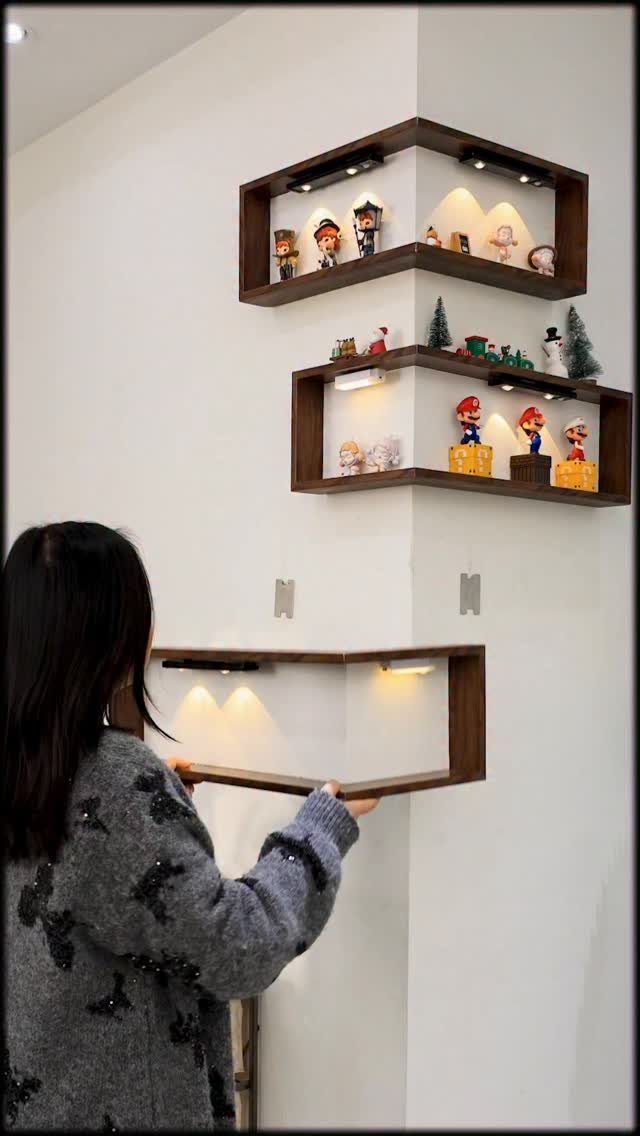
Wrap-around corner shelves turn an outside corner into display space that flat shelves cannot fill without awkward gaps. The triangular footprint keeps items visible from 2 directions, which matters more than total shelf area in a small room.
I would check wall thickness before ordering; outside corners are hollow in some construction and need anchors that grip both sides of the corner seam.
Plan the wiring channel before the shelves go up if you want integrated lighting later; retrofitting it is a much bigger job.

【Say Goodbye to Cluttered Space】– Tired of cluttered closets and wasted space? Our under bed storage containers measure 30" L x 16.2" W x 7.5" H, effortlessly turn unused under-bed areas into smart storage zones—perfect for apartments, dorms and living spaces where every square foot counts.

Versatile Dividers: Yecaye under bed storage containers comes with 2 adjustable dividers that let you organize items of varying sizes effortlessly. Whether it’s winter boots or seasonal clothes, configure the compartments to fit your exact needs. Our underbed storage ensures every inch of space is utilized efficiently, transforming chaos into an artful organization
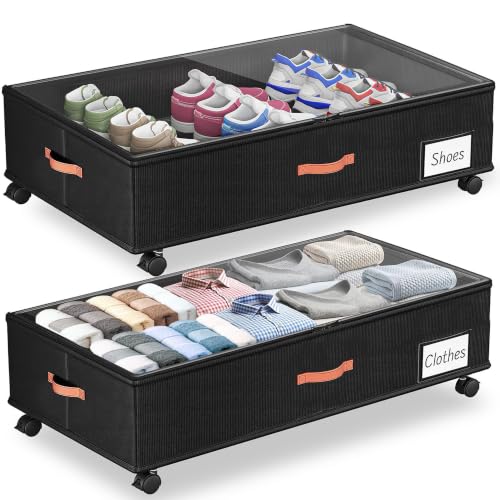
Large Capacity Construction: Engineered with 600D PU-coated fabric and reinforced metal frame, 30% stronger than standard mesh organizers. Two removable partition panels let you create compartments for clothes, shoes, books, or toys, getting the most storage space in the least space without compromising stability and durability
8. Open Shelving
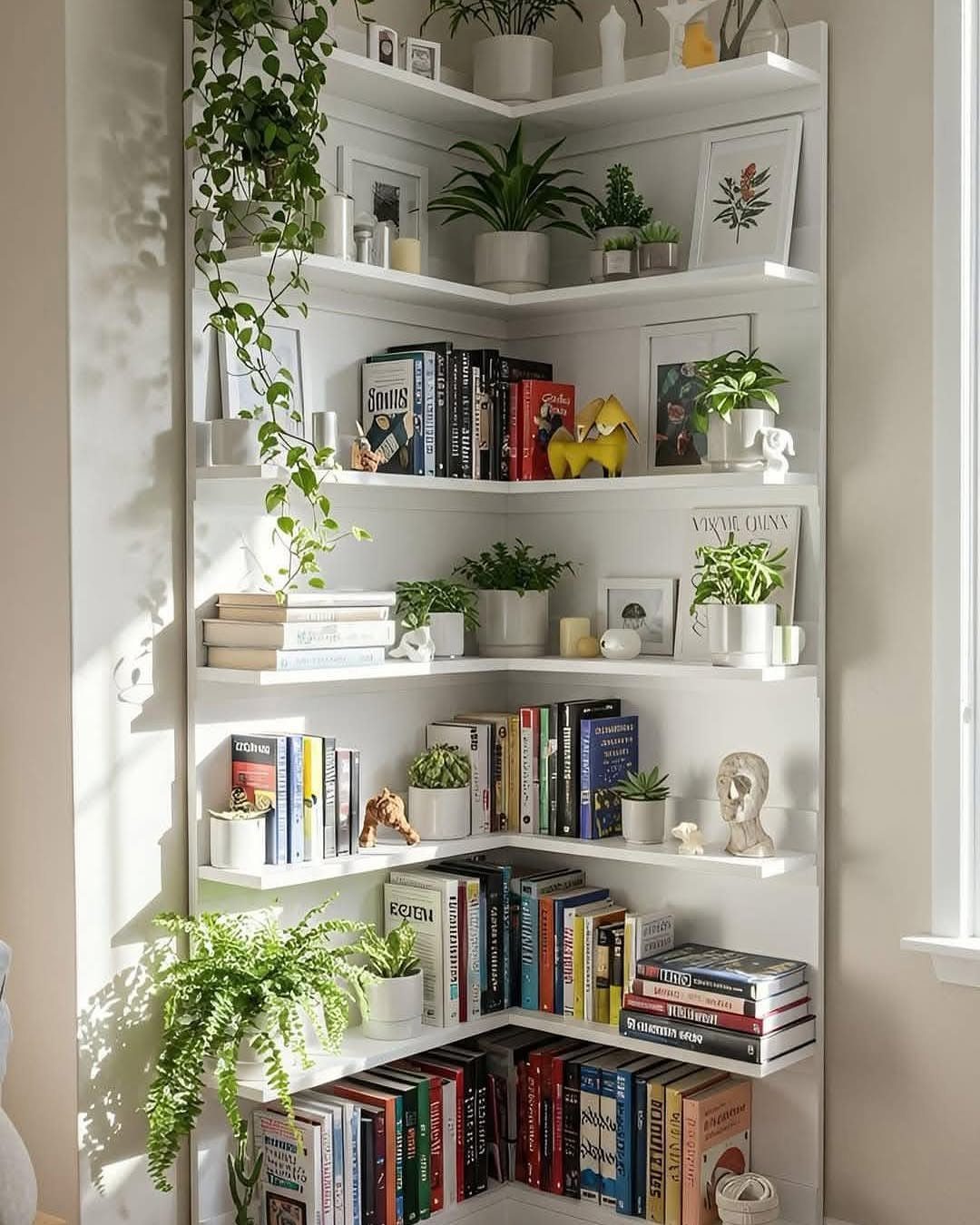
A corner bookshelf uses vertical height where floor space is already gone, and the open frame keeps a small room from feeling boxed in by closed cabinetry.
Plants and framed pieces need the stability of a unit that anchors to the wall; I would not trust a tall open shelf freestanding in a home with kids or uneven floors.
A white finish reflects light, which helps a corner that natural light reaches only from one side.

Extra Long Entryway Bench with Lift Top Storage: When you lift the top of the bench, you'll find spacious storage that can accommodate umbrellas, soft hats, small shoulder bags, purses, keys, and other assorted items. This storage bench is an ideal addition to your entryway. It provides ample space for shoes and is sturdy enough for you to sit down and tie your shoes before heading out.

Entryway Bench with Lift Top Storage: When you lift the top of the bench, the storage is spacious enough to store umbrellas, soft hats, small shoulder bags, purses, keys, and other assorted items. This storage bench is also a perfect addition to your entry area. And it holds the perfect amount of shoes and is sturdy enough to sit down and tie their shoes before going out.

39.4 Inch Spacious Family Size:Boasting a 39.4-inch size, this upgraded storage bench fits perfectly in entryways, apartments and family rooms with long flat walls. Integrating full-size seating and abundant storage in a frame, this shoe bench with storage allows multiple family members to sit and change shoes simultaneously. This storage bench greatly optimizes your entryway layout, offering comfortable seating and neat storage without occupying extra space.
9. Space Above Cabinets
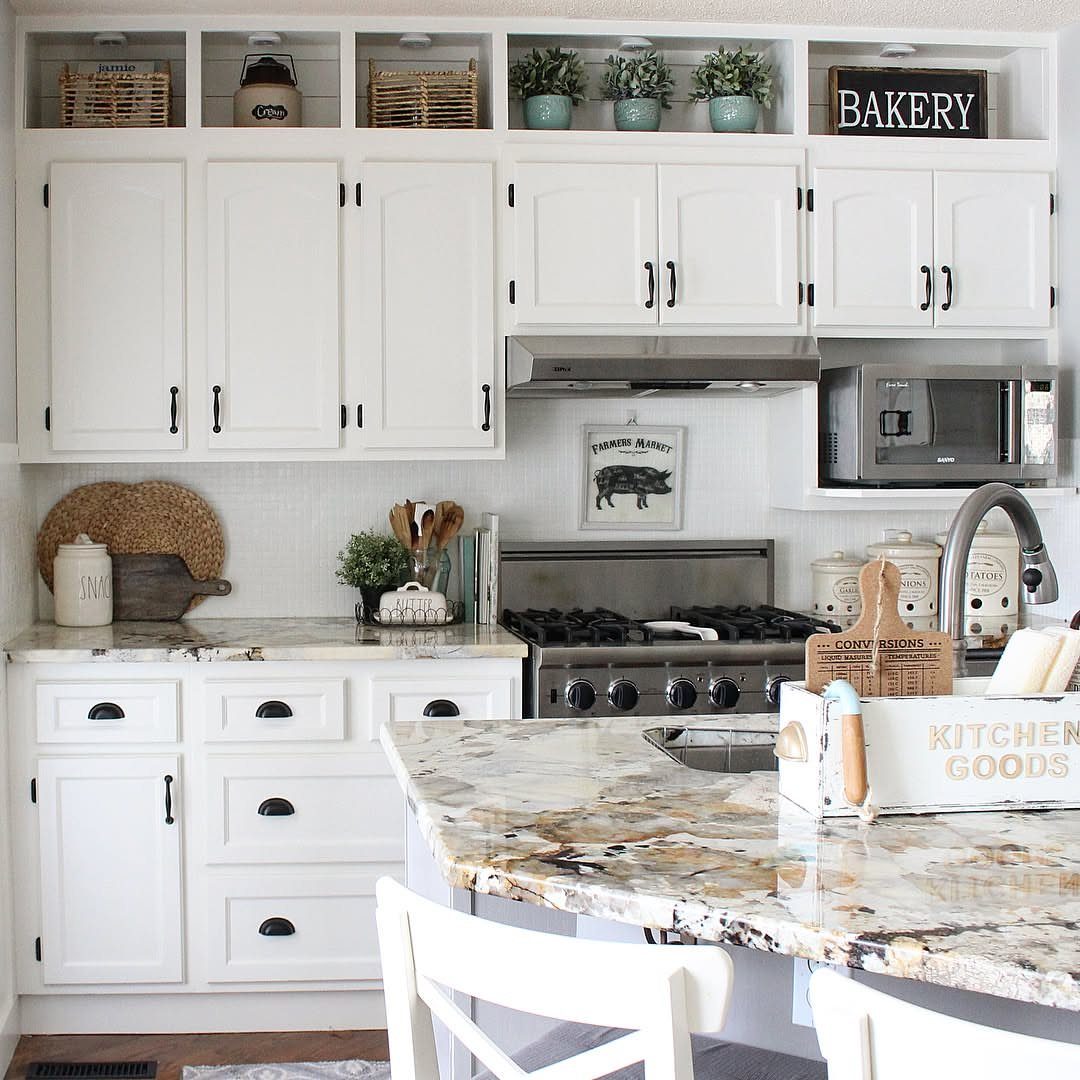
Open cubbies above upper cabinets give baskets and display items a defined footprint so they do not read as clutter floating on a ledge.
That space fits shallow baskets better than deep storage tubs, and I would measure cabinet height to ceiling before buying anything; a narrow gap wants smaller pieces than a tall one.
Signs and display pieces work up there when they repeat the room’s palette; random colors fight the kitchen below.

Upgraded Sturdy Coat Rack: The wall mounted coat rack has high-strength metal hooks and a rustic pine solid wood base,which is strong enough to hold heavy coats, jackets, backpacks, bags, while dual-hole wall mounting ensures a stable fit, for long time use

2-in-1 Design: Each wall coat hanger has a 15.75*4.3-inch panel on top, which provides additional storage space for photo frames, potted plants and collectibles, etc. It is equipped with 8 smooth hooks to store clothes, bags, keys, umbrellas, etc

SOLUTION - When you walk in your front door, what do you do with your coat? Do you put it on the back of the nearest chair? Do you throw it dramatically across the room? The best possible solution is a coat rack.
10. Rolling Utility Cart
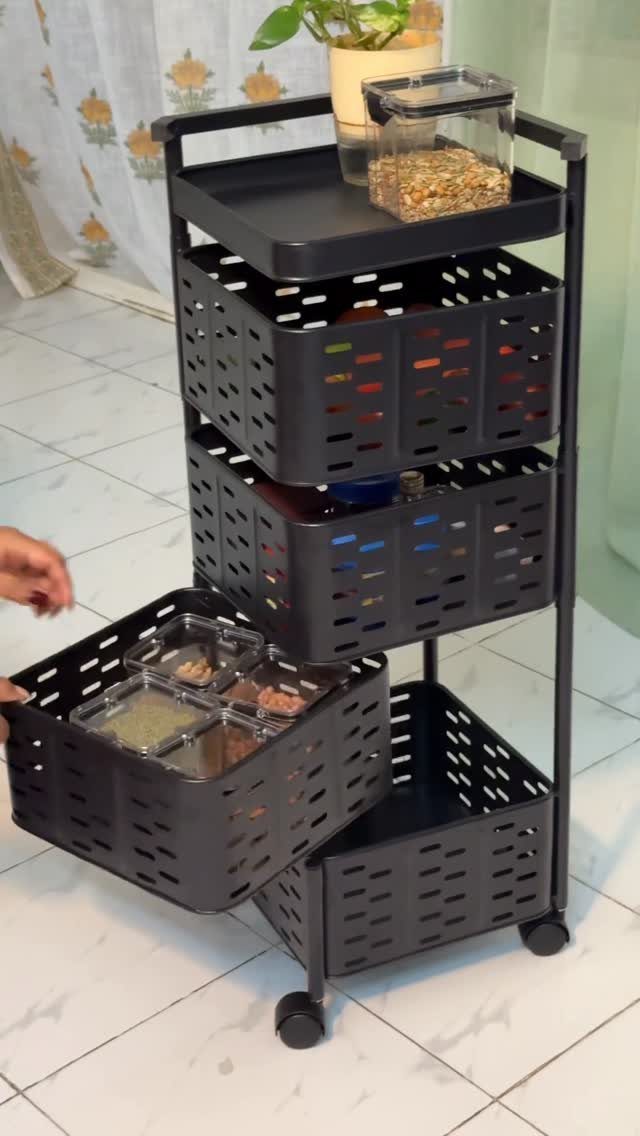
Perforated metal baskets on a rolling cart breathe better than solid bins for anything damp or aromatic, which is why a spice setup on this kind of cart makes sense.
A slim cart fits gaps between appliances or beside a narrow pantry where nothing else slides in.
I would check caster quality before buying; a cart that lists when loaded is worse than no cart, and the handle placement matters for pulling around corners. Hard flooring is ideal for a rolling cart; thick carpet resists small wheels.

900 lbs Tested, 450 lbs Rated Weight Capacity: Our overhead garage storage rack undergoes rigorous double load testing (900 lbs) to ensure unmatched safety and durability, supporting up to 450 lbs for your tools and equipment.

MAXIMIZE YOUR VERTICAL SPACE: FULUPET 5-piece rail system creates 4 secure slots to get your storage bins off the floor and onto the ceiling. Ideal for reclaiming valuable parking space and decluttering your garage

Maximize Garage Space Efficiently: Use this ceiling storage for garage to free up valuable floor space. Ideal for bins, luggage, and bulky items with over 30 cubic feet of storage capacity
11. Stackable Clear Shoe Boxes
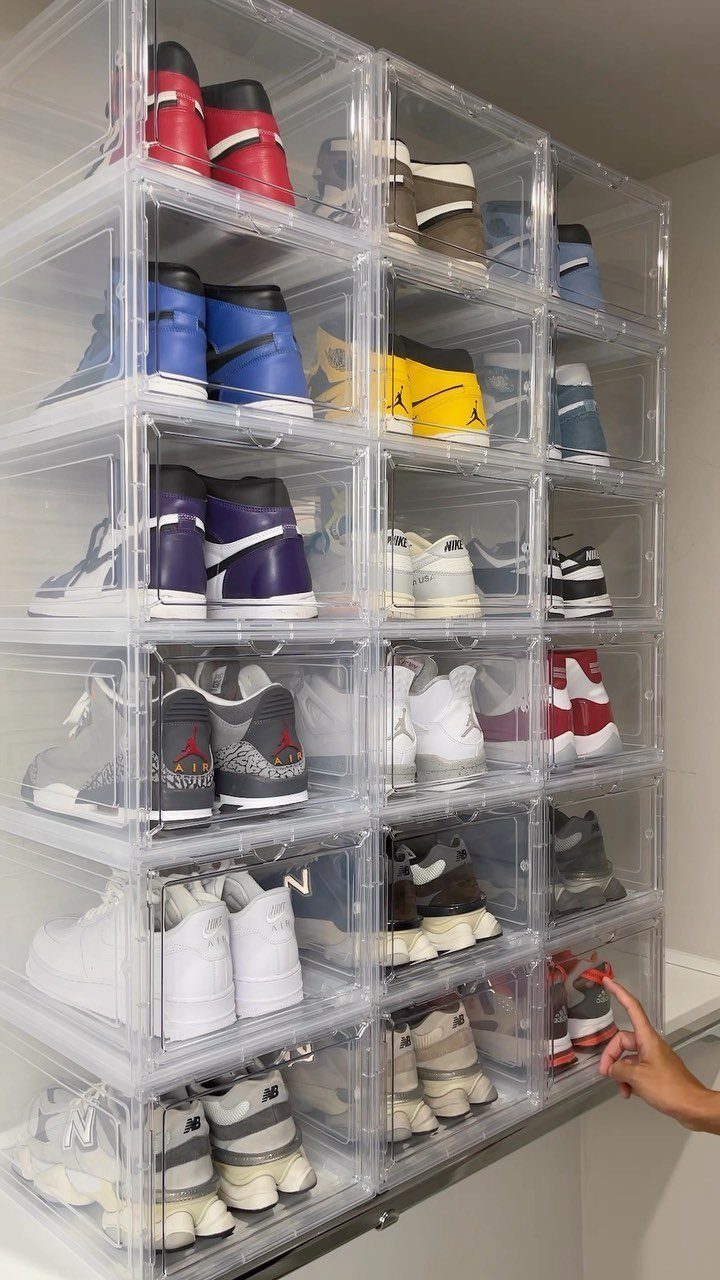
Clear boxes stack to the height of a closet rod without hiding what is inside, which ends the digging that wastes time in deep shoe piles. Uniform size matters for stability; mixed brands stack poorly and the top box leans.
I would check that the drop-front door clears the stack height when opened downward, since the front panel swings down rather than the whole lid lifting off. Low-tops fit this format fine; high boots need a deeper box.
12. Slim Vanity Chests
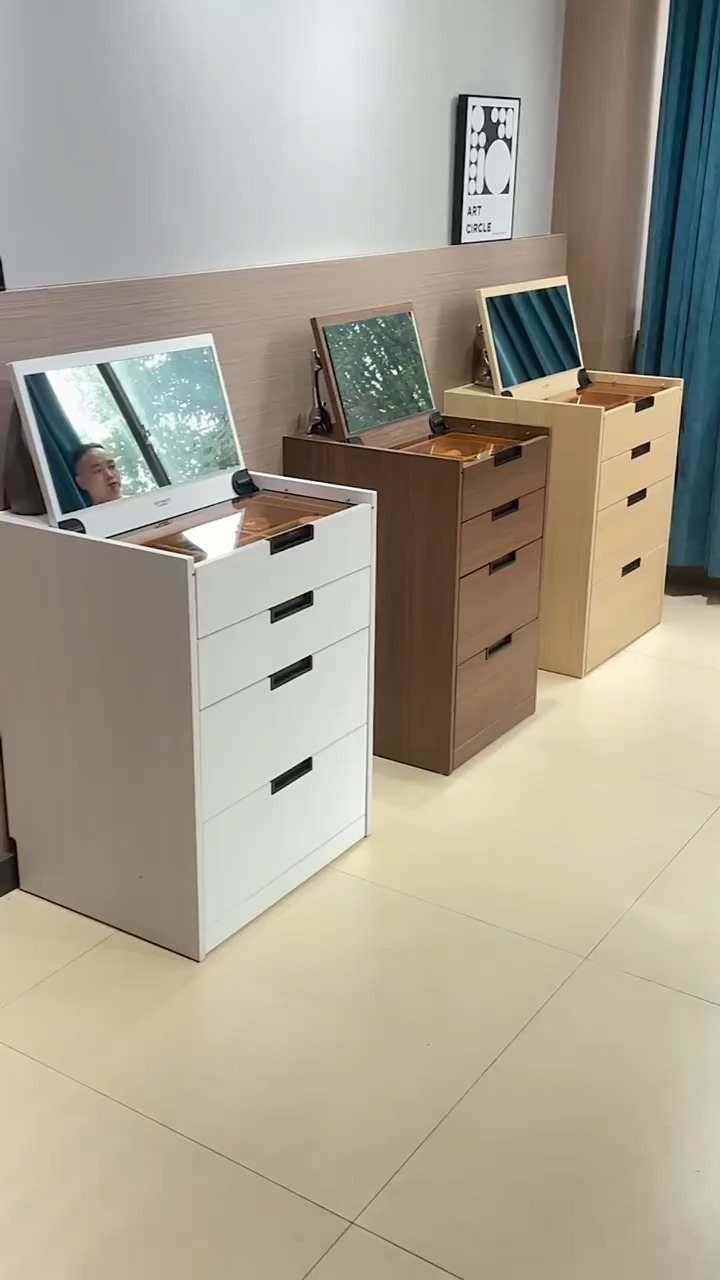
A slim chest fits beside a bed or between windows where a standard dresser will not go, and the flip-top mirror saves the wall space a separate mirror would need.
Light wood keeps the piece from disappearing against dark floors; dark finishes work better on pale ones.
Check that the lid stays open without holding it, since one-handed use with makeup or jewelry is the point, and verify the mirror is glass, not acrylic that scratches with cleaning.
Maximizing Small Spaces
Vertical storage works because floor space is what runs out first. Wall-mounted organizers, over-door racks, and ceiling-mounted systems all use surfaces that stay empty in small homes.
Multi-functional furniture earns its footprint: a window seat with drawers, a bed frame with clearance underneath, or a vanity chest with a flip-top mirror each do 2 jobs where a single-purpose piece would waste the same area.
I would look at every wall and gap as a candidate before buying a larger unit, since the cheapest storage is the kind that uses structure already in place.
For even more limited solutions, consider a storage pouf (or a pair) that provides additional seating, storage, and even a side table.
— Domino
Creative Design Elements
A mirror opposite a window bounces daylight deeper into a room than the window alone reaches, which matters in small spaces that get light from one side only.
A mirrored console table or wardrobe bounces light around the room while it stores what you need.
Layered lighting prevents the closed-in feeling that dense storage can create. I would place the brightest light where I do detailed tasks and keep secondary lighting lower to preserve the sense of depth.
Together, mirrors and lighting do not add storage, but they keep a stored-in room from feeling smaller than it is.
Frequently Asked Questions
How to create storage in a small bedroom?
Start with a bed frame that has clearance underneath for wheeled bins, since that turns dead space into dust-free storage.
A flip-top vanity chest slides into the gap beside a bed where a dresser would stick out into the walkway; the mirror hides inside the lid so you skip mounting anything on the wall.
Closet shelves with matched slim hangers keep clothes at one height and stop visual clutter from mixed types.
How do I increase storage in my house?
Use vertical surfaces before floor space: wall-mounted organizers, over-door racks, and ceiling-mounted systems all tap areas that stay empty in small homes.
I would check every wall and gap before buying a larger unit, since the cheapest storage uses structure already in place.
What is a cheaper alternative to a storage unit?
A window seat with drawers or a bay bench with a lift lid turns depth that already exists into cubic feet you do not rent; against a $120 monthly storage unit, even custom carpentry pays back in a year.
Under-bed bins on a platform bed store items you need occasionally without a monthly fee.
A slim rolling cart, 8 to 10 inches wide, parks between a fridge and cabinet or washer and dryer; the casters let you pull spices, tools, or cleaning supplies into the open instead of kneeling into a blind gap.
What are some quirky and funky storage ideas?
Wrap-around corner shelves turn an outside corner into display space that flat shelves cannot fill without awkward gaps; the triangular footprint keeps items visible from 2 directions.
A row of open cubbies mounted above the cabinet line gives baskets a frame so they look parked, not piled; the grid breaks the visual weight that a single long ledge would carry.