

The right kitchen furniture top depends on how much maintenance you will actually do, not how much you imagine doing.
Quartz and porcelain slab forgive the red wine and hot pans that real life delivers, running $50–$150 per square foot installed for quartz and roughly $60–120 for porcelain, while butcher block demands monthly oiling and marble punishes every acidic spill with permanent etching.
I would put quartz in a rental or first kitchen where soap and water is the whole care routine, and save marble for a showpiece island that sees more plating than chopping.
1. Quartz
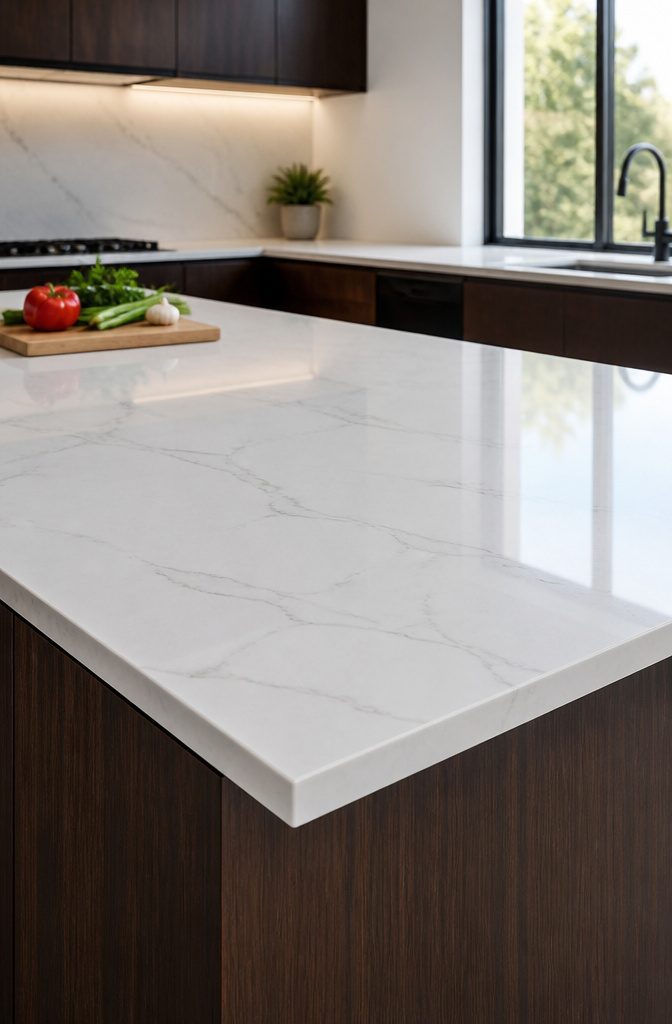
Quartz sits at the higher end of the mid-range bracket, running $50 to $150 per square foot installed, but that price buys you a surface that behaves like stone without the upkeep contract.
It is engineered from crushed quartz bound with resin, which makes it non-porous and genuinely stain-resistant. Red wine, coffee, and citrus wipe off without leaving a mark or requiring a sealing schedule.
The trade-off shows up in the visual texture.
Where natural stone carries random veining and variation, quartz can read as uniform, especially in cheaper slabs. Mid-range options with marbled patterning fix this for most kitchens, and I would take that compromise over the polishing routine marble demands.
For day-to-day durability, quartz ranks alongside porcelain at the top: both resist scratches and thermal shock better than most natural stones, though neither tolerates direct heat from a screaming-hot pan the way a homeowner might hope.
I keep trivets in the drawer and use them.
If I were choosing for a rental or a first kitchen I planned to actually cook in, quartz would be my pick. It forgives the spills that happen in real life, and the maintenance is just soap and water.

Do I need to seal my Quartz surfaces? Yes, although Quartz is known for being stain-resistant on its own, it is still a porous material that can & will stain if not taken care of properly. Regular household cleaners & most sealers contain solvents & other chemicals harmful to the stone. StonePro Quartz Protector will guard against staining safely & effectively.

CLEAN & PROTECT - MORE Stone & Quartz spray is a 2-in-1 daily cleaner and protector formulated specifically for natural stone and quartz surfaces.

Transform the look of outdated countertops with a faux marble kit
2. Butcher Block

Butcher block brings a warmth no stone surface matches, and the price lands in a range most weekend renovators can actually reach.
A standard kitchen island top runs $200 to $500 depending on the size and whether you choose maple, oak, or walnut.
The grain gets richer with age, but that patina comes with work: monthly oiling with food-grade mineral oil, sanding out knife marks, and accepting that hot pans will leave their signature.
Where I would use it is the island or a breakfast bar, not the main prep zone.
The scratches read as character on a casual surface; on your primary cutting station they read as wear you resent. One practical move is pairing butcher block there with something harder and lower-maintenance alongside the sink and stove.
"To me, countertops are possibly the most important material in a kitchen… You interact with them most, from cooking on them to wiping them up to admiring them."
That daily contact is exactly why butcher block’s demands matter.
If you will not oil it, skip it; the surface cracks and cups without that care. But if the maintenance fits your rhythm, you get a kitchen that feels lived-in from day one.

<B>Material</B>: Made From High-Quality Ceramic, This Decorative Plate Offers A Smooth, Durable Finish That’s Elegant, Lightweight, And Easy To Maintain—perfect For...
3. Marble

Marble carries a softness no manufactured surface quite matches. The veining runs organic and unpredictable, and in a low-traffic kitchen or a dedicated baking zone that visual warmth is hard to replace.
The problem is porosity. Acidic spills etch the surface quickly, red wine and citrus leave marks that do not buff out, and the stone demands sealing on a regular schedule to slow the absorption.
I would install marble on a perimeter run only if the household cooks lightly and wipes spills immediately.
For a showpiece island that sees more plating than chopping, the elegance wins. For the main prep zone, quartz or porcelain resists the daily wear far better and costs less in long-term upkeep.
The fabrication and edge finishing add to the installed price, so budget planning needs to include those line items, not just the slab itself.
If the heart says marble, I would pair it with a durable material at the prep sink and keep the marble where it handles gentle use.

RESTORES NATURAL SHINE: Specially formulated polishing compound effectively repairs light to medium chemical etching, ring marks, and superficial dull spots on polished calcium-based stone surfaces.

MARBLE POLISHING POWDER - Our marble polishing powder comes in a bottle and is easy to use

Restores Mirror-Like Gloss in several passes – This Calcite Based Stone polish This marble polish and granite countertop polish powder works on Calcite based stones Marble, Limestone, Travertine and Terrazzo, bringingback a deep lasting shine without diamond pads or expensive professional restoration to surfaces that only have light scratches and light etches
4. Concrete

Concrete offers a sculptural quality few other materials match. Sinks, drainboards, and cantilevered edges can be cast right into the slab, giving you a continuous, monolithic surface that reads industrial without feeling cold.
The finish is customizable, from matte to satin to a light polish, and pigment can shift the tone from warm gray to near-black.
That flexibility comes at a cost. You are hiring a finishing team, not ordering an off-the-shelf slab, and hairline cracks are likely to appear over time even with proper sealing.
For a weekend project on a tight budget, the maintenance and the price tag push this into higher-end territory. I would skip it unless the integrated shapes matter to your design enough to justify the upkeep.

NSF CERTIFIED FOOD GRADE - This premium mineral oil is NSF certified and lab-tested to meet the strictest food safety standards. Colorless, odorless, tasteless, and gluten-free — perfect for cutting boards, butcher blocks, and all food-contact surfaces.

Revitalizing blend prevents drying and cracking of hardwoods and bamboo
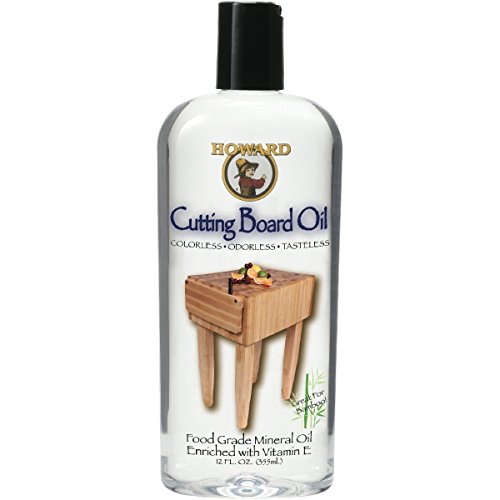
Cutting Board Oil is a deep penetrating 100% Pure USP Food Grade Mineral Oil that is tasteless, odorless, colorless, and will never go rancid
5. Porcelain Slab

Porcelain slab sits in the same tier as quartz for durability, which is why I rank it among the top choices for a busy kitchen.
The material resists heat and stains without the sealing rituals natural stone demands, and the large panel format means fewer seams catching crumbs and soap scum.
That thin, sleek edge profile is the look that sells it; the slab reads almost floating against cabinets.
I would steer toward polished porcelain if you want the surface to stay looking pristine, since the polishing process seals the pores and keeps dirt from working into the top layer.
White porcelain earns its keep in kitchens with good natural light, where it amplifies openness and pairs cleanly with darker cabinetry below.
The downside is brittleness on impact; a heavy pot dropped from height can crack it where quartz might absorb the shock.
For that reason, I would use porcelain for the perimeter and keep a more forgiving surface on the island if you are rough on your workspace.

SIZE MATTER! : 1.7" Thickness for stability, 100% sustainable black walnut wood grown in America for long-lasting. We manufacture super thick & durable wooden boards, crafted using the end-grain technique, added Black walnut wood ensures ultimate adhesion, and it’s knife friendly. Ideal as Charcuterie boards, chopping board, butcher block.

💯 Included are 5 Black Walnut 5 Cherry and 5 Hard Maple 3/4" x 2" x 12"

Still looking for a cutting board that is both beautiful and practical? THETCHRY end grain walnut cutting board is the ideal choice for you! The unique structure has excellent durability and can withstand heavy cutting without being easily damaged. Its "self-healing" property makes every cut as smooth as silk. The blade cuts between the wood fibers and the fibers quickly close after leaving, keeping the knife sharp as new.
6. Granite

Granite holds up to heat and daily abuse better than most natural stone, and the tighter grain structure makes it far less likely to stain than marble, which will soak up red wine or oil the minute you forget to seal it.
That durability comes at a cost: installed granite usually runs higher than engineered options and sits at the top of most budgets for a full kitchen refresh.
The pattern variation is wide, from speckled browns to near-black slabs with faint blue flash, so I would pick a mid-tone stone with enough movement to hide water spots and crumbs between wipe-downs.
Lighter granites need more attention to avoid looking grimy by Thursday. Sealing once a year is the maintenance reality, though the newer resins cut that chore down for some stones.
For a renter doing a single upgrade, I’d probably skip granite unless the landlord is splitting the cost; the install weight and permanence mean you leave it behind.
For a first-home owner staying put, it is the stone I would trust through a decade of dropped pans and hot pots set down without a trivet.
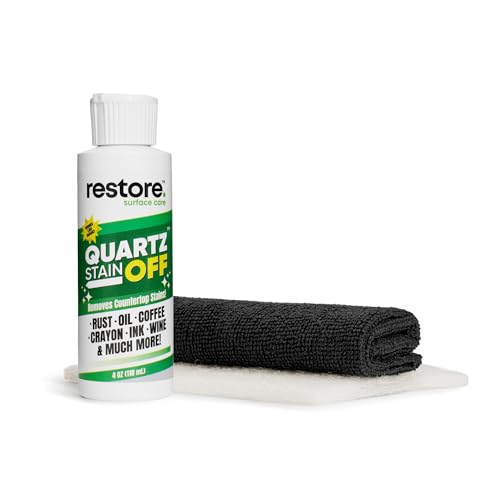
Stain-Removing Cream for Quartz Countertops – A non-abrasive, non-acidic cream designed specifically for quartz countertops. Effectively removes stubborn stains like coffee rings, crayon marks, ink, oil spills, rust spots, and set-in messes that regular quartz cleaners can’t handle without damaging the surface. A must-have for quartz owners who want proper stain removal without risking surface damage.

Silicone Mat for Kitchen Counter: Our heat resistant mats for countertop are made of food-grade silicone material, safe, reliable and long-lasting

2 Pack Counter Protector Mats - These silicone mats protect quartz and granite kitchen counters, among other materials and surfaces, against spills, scratches, grease, and high temperatures
7. Soapstone

Soapstone carries a soft, almost waxy matte finish that darkens over time into a rich charcoal patina.
I find the look works best in kitchens where you want warmth without the high polish of granite or the veining drama of marble.
The material scratches easily, which sounds like a flaw until you realize the marks sand out with fine-grit paper and a dab of mineral oil.
You will need to oil it regularly, especially the first year, or the surface stays pale and porous around the sink and prep areas. Heat handles well, so a hot pan straight from the burner will not scorch it.
The downside is softness. A dropped knife can gouge the surface, and acidic foods like tomatoes or citrus will etch if left sitting.
For a weekend project on a tight budget, I would skip soapstone unless the aesthetic is non-negotiable. The slabs run higher than laminate or butcher block, and the maintenance asks more of you than most renters want to give.
8. Travertine
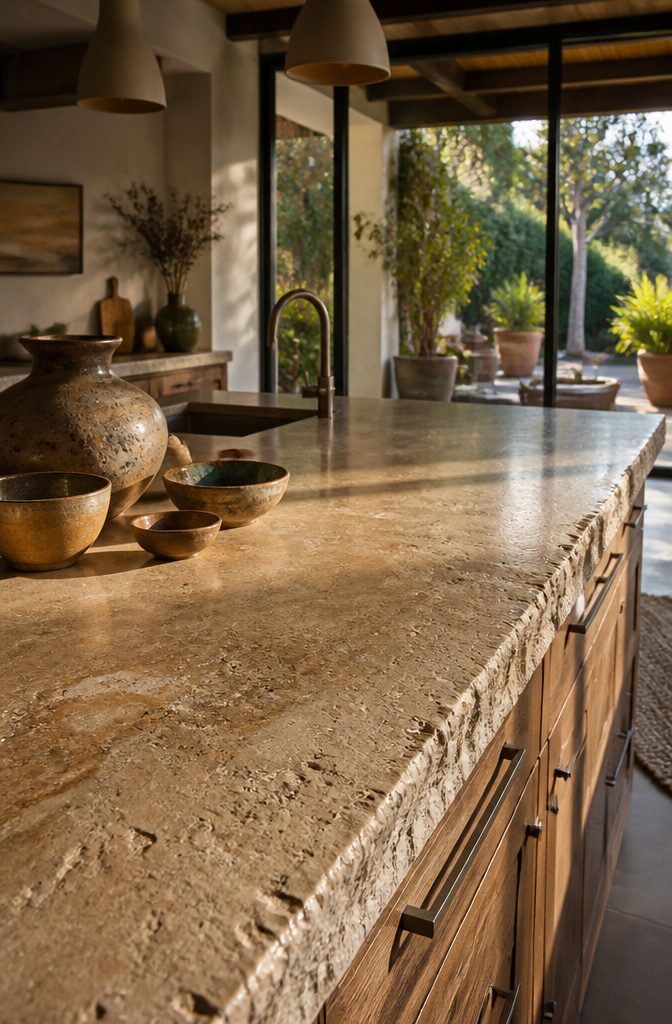
Travertine brings a warmth that synthetic materials struggle to copy, that golden, sun-baked tone that reads as relaxed rather than rustic.
Mark Grattan used Mexican yellow travertine in a Mexico City kitchen to tie the counter to handmade rugs and clay planters, and the effect lands closer to spa than farmhouse.
I would reach for it in a kitchen that opens to outdoor space, where the stone’s variation feels like an extension of the yard rather than a statement of its own.
The problem is porosity. Travertine is limestone with visible voids, and a kitchen counter sees acids that etch, oils that stain, and enough water to make sealing a quarterly habit rather than an annual one.
I would skip it for a household that cooks with turmeric or red wine daily.
For the right user, though, the maintenance is the trade, and what you get is a surface that looks settled-in from year one rather than worn by year ten.
Few suppliers push it for kitchen use, which keeps the detail thin and the niche narrow.

【Clean & Shiny Stone Finish】: Our premium marble polishing compound is crafted from high-quality materials. It gently removes minor scratches and stains, leaving a smooth, shiny finish without any residue.

Professional Polishing: This marble polishing paste requires a polishing machine for grinding and polishing. It's easy to use, so even beginners can easily achieve a professional-grade polish. To ensure the best results, we recommend testing it on a small, inconspicuous area before applying it to a larger area.

Durable Repair of Countertop Holes, Cracks, and Scratches: For hard surfaces such as marble, granite, quartz, acrylic, ceramic and stone. The marble and granite repair kit cures to a smooth and sturdy surface, restoring the luster of the countertop. Multiple color series create a seamless and durable surface
9. Stainless Steel

A stainless steel surface reads as instant commercial kitchen, which is exactly why it works in a home that leans modern or industrial.
The material takes heat without complaint and wipes clean with nothing fancier than soap and water, a combination that makes it forgiving for cooks who actually cook. Fingerprints show the moment you touch it, though they erase just as fast.
The real compromise is the scratching. Over time the surface develops a network of fine marks from normal use, a patina that some owners accept as character and others find worn-looking.
You cannot sand or buff them out the way you might with wood or stone; the grain is permanent once it sets in.
I would reserve steel for a work zone or a baking station rather than the main visual surface of the kitchen, where the wear would bother me every morning.
For renters, it is worth knowing that prefabricated stainless tops in standard sizes cost less than custom fabrication and install without the mess of stone templating.

NSF CERTIFIED FOOD GRADE - This premium mineral oil is NSF certified and lab-tested to meet the strictest food safety standards. Colorless, odorless, tasteless, and gluten-free — perfect for cutting boards, butcher blocks, and all food-contact surfaces.

FOOD-GRADE MINERAL OIL FOR CUTTING BOARDS: Helps restore and protect dry cutting boards, butcher blocks, and wooden kitchen surfaces. Refreshes dull, worn wood and helps prevent cracking or splitting; works on bamboo, teak, acacia, olive wood, and hardwood boards

FOOD GRADE - This butcher block conditioner is lab tested to ensure that it meets food safety standards, and is also colorless, odorless, tasteless, and gluten free.
10. Laminate

Laminate tops the list for anyone who needs a working surface now and has maybe $30–$50 per square foot installed. The material is a thin plastic layer bonded to particleboard, printed to look like stone or wood.
That printed layer keeps costs down but also keeps it vulnerable. Hot pans leave blisters.
Knife slips leave permanent marks. Water seeps in at the seams and swells the core over time.
I would pick laminate for a rental kitchen I planned to refresh in five years, or for a first home where the budget needs to stretch to appliances and cabinets too.
The color range is wide enough to avoid the dated patterns that gave laminate its bad reputation.
I would skip it under a sink or near a cooktop where standing water and heat concentrate, and I would use a cutting board religiously.
The exchange is straightforward: you save hundreds now and replace sooner later. For some projects, that math works.
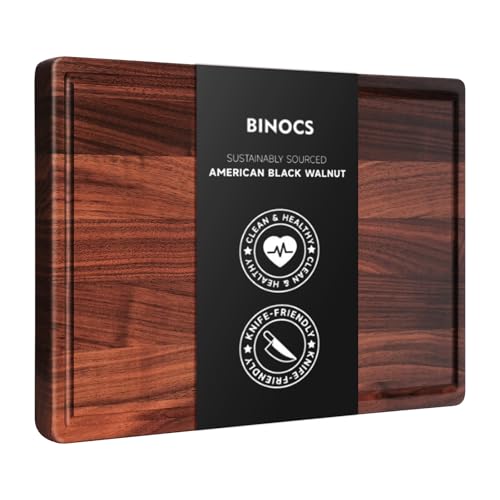
【Black Walnut Wood Material】 We carefully select natural black walnut wood. It has a hard texture and unique, beautiful grain patterns. This not only adds an elegant touch to your kitchen but also offers excellent durability. It can accompany you through your cooking times for a long time and easily handle all kinds of needs.

SIZE MATTER! : 1.7" Thickness for stability, 100% sustainable black walnut wood grown in America for long-lasting. We manufacture super thick & durable wooden boards, crafted using the end-grain technique, added Black walnut wood ensures ultimate adhesion, and it’s knife friendly. Ideal as Charcuterie boards, chopping board, butcher block.

【Extra-Large & Thick for Family Meals】 Measuring 20 × 15 × 1.5 inches, this large walnut cutting board offers ample room for carving roasts, slicing bread and preparing vegetables. The thick, substantial design creates a spacious work surface for everyday cooking, family dinners and holiday gatherings.
11. Microcement
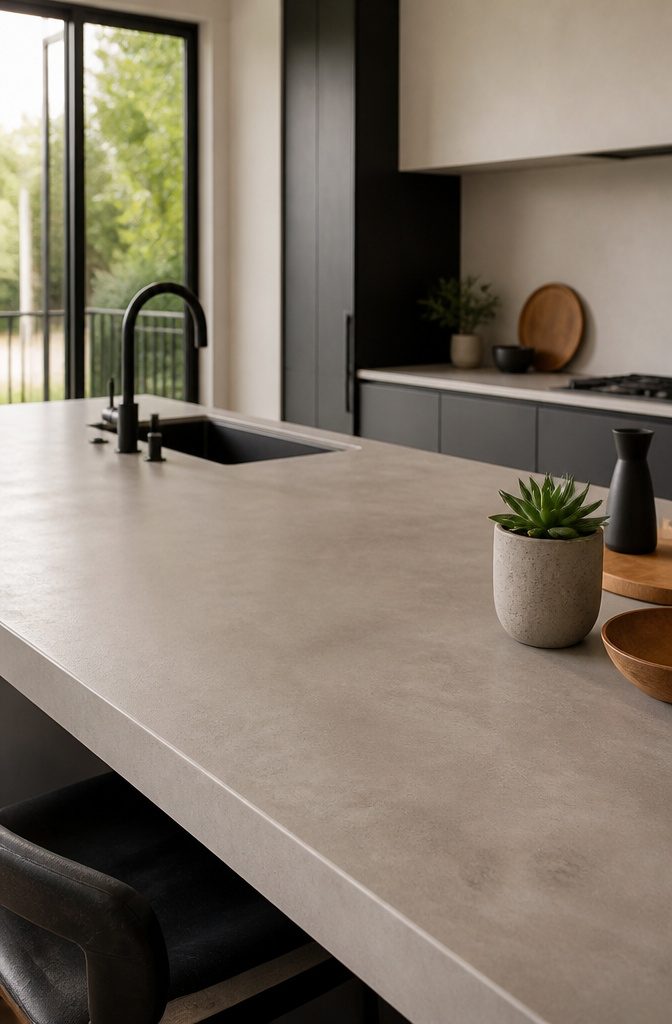
Polished microcement reads as concrete’s sleeker cousin, with the same industrial feel but a finer, more uniform surface.
The material goes on in thin layers over an existing substrate, so you are not pouring a slab; you are resurfacing one. That means custom colors and integrated sinks stay on the table without the weight or the forming crew.
The trade-off shows up in the install. You need a finishing team either way, and microcement still demands sealing to handle kitchen spills.
Hairline cracks can appear over time, just as they do with concrete, so this is not the pick for anyone who wants a maintenance-free surface.
I would put microcement in a kitchen where the look matters more than absolute durability, and where the budget stretches to skilled labor. For a weekend project with a few hundred dollars, it is out of reach.
12. Large Format Porcelain

Large format porcelain delivers the clean, uninterrupted surface that makes a kitchen feel instantly pulled together.
The panels run big enough to drop seams across most standard layouts, so the counter reads as one continuous plane rather than a tiled patchwork.
That scale pairs well with matching porcelain floor tile if you want the same material to carry through the space without visual clutter.
The surface itself is baked hard, non-porous, and shrugs off both heat and stains. Thin, sharp edges are possible with porcelain, which keeps the profile looking crisp and modern rather than bulky.
I would use it anywhere I wanted stone looks without stone maintenance, though the slab can feel cold underhand and the material does not forgive a dropped glass.
Budget roughly $60–120 per square foot installed, with fabrication eating a larger share than the raw material. The color and pattern range is wide, but the best results come from large samples viewed in your actual light, not a showroom.
13. Wood Laminate
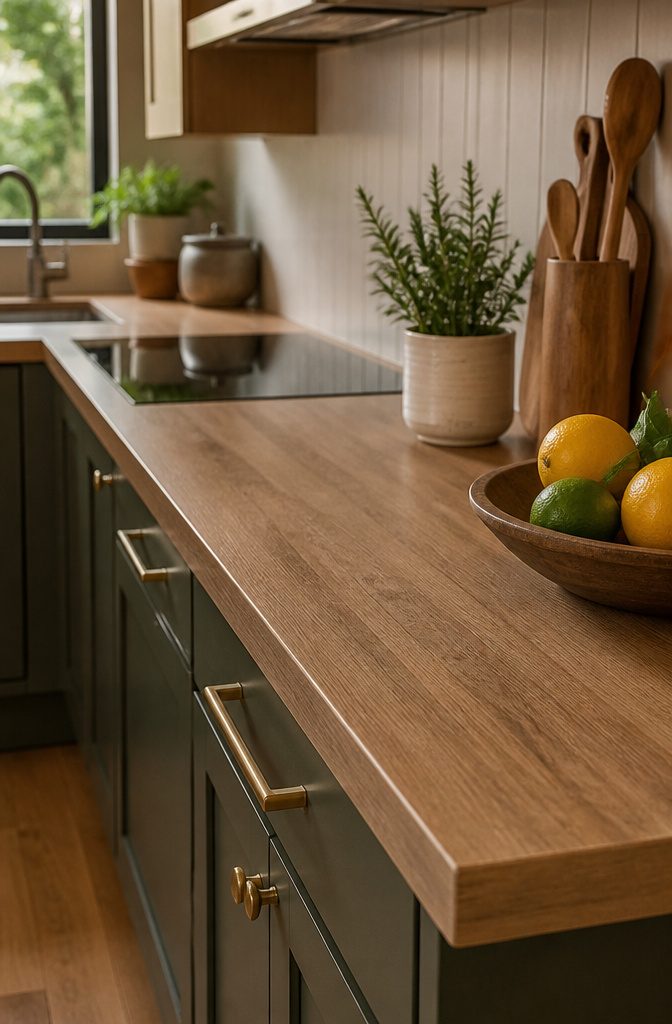
Wood laminate gives you the warmth of butcher block without the oiling and sanding that real wood demands.
The surface is a printed layer sealed under a tough clear coat, so spills sit on top instead of soaking in. That matters on a furniture-top you actually cook on, not just photograph.
I would put this on a kitchen island or a coffee station where I want the look of grain but not the maintenance schedule. The trade-off shows up at the edges and corners.
Water that gets under the lip can swell the core over time, so I would seal the underside of any sink cutout with silicone and keep a dish mat in the wet zone.
Budget installations run $20–$40 per square foot installed, which leaves room for a better faucet or hardware elsewhere. It will not raise resale value the way stone does, and a hot pan will scar it permanently.
For a rental refresh or a starter home you plan to sell in five years, that equation works. For a forever kitchen, I would spend the laminate savings toward quartz instead.
14. Mixed Materials
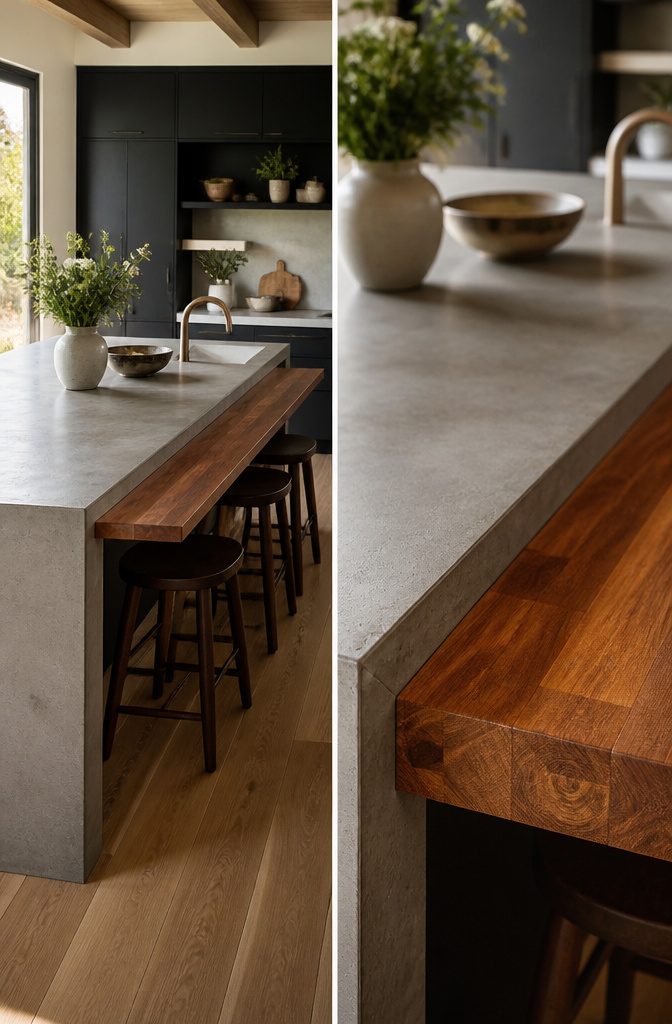
A single surface across every counter flattens a kitchen into something you forget. Mixing materials fixes that, and it does not require a Parisian renovation budget to pull off.
The pairing I keep returning to is porcelain at the wet zones and wood where you actually live: the sink run and the range wall get the slab that shrugs off heat and acid, while the island or the breakfast bar gets oak or walnut that warms up the room and forgives a coffee mug set down without a coaster.
The seam between them is the detail that matters. I would set it at a change in height or thickness so it reads as intentional, not as a patch job.
Where this approach earns its keep is in the galley kitchen or the L-shaped layout with one long sightline; the material break gives your eye a place to rest.
In a small U-shaped kitchen the same trick can chop the space up, so I would skip it there and keep one surface throughout.
15. Dark Countertops

Dark countertops anchor a kitchen in a way lighter surfaces rarely manage. The depth they add reads as sophistication rather than gloom, especially when the veining carries warmth like the gold and brown streaks found in certain sultry marble slabs.
In a small kitchen, running the same dark tone from countertop to cabinetry creates the illusion of more space by eliminating the visual break that chops the room into pieces.
Concrete-effect dark countertops lean modern without trying too hard.
The finish works best when you carry that same shade onto the backsplash in large format tile, so the area around the stove reads as one continuous plane rather than a countertop with a wall attached.
Matching work surfaces to surrounding surfaces this way keeps the design flow from stuttering at the cook zone.
The cost is maintenance. Dark stone shows dust, water spots and fingerprints faster than mid-tone alternatives, so the sleek look costs a few extra seconds of wiping.
For a weekend project with real use in mind, I’d still take that hit: the visual weight grounds open plans and forgives bold choices elsewhere, like Brutalist tile or heavy ceiling beams that might otherwise float untethered.
Durability Compared

Quartz and porcelain sit at the top for day-to-day durability, resisting stains, scratches, and thermal shock more efficiently than most natural stones.
Marble gives you that classic look but needs regular sealing, and I would keep it away from heavy prep areas where acidic spills happen.
Butcher block and concrete both ask more of you: the wood wants oiling and occasional sanding, while concrete carries its own maintenance rhythm.
| Material | Scratch Resistance | Stain Resistance | Thermal Shock | Maintenance Level |
|---|---|---|---|---|
| Quartz | High | High | High | Low |
| Porcelain / Ultra-compact | High | High | High | Low |
| Marble | Moderate | Low | Moderate | High |
| Butcher block | Low | Low | Moderate | High |
| Concrete | Moderate | Moderate | Moderate | High |
Porcelain justifies its higher install cost with longevity and that continuous appearance, though fabrication runs steeper than quartz.
Butcher block repairs are simpler and cheaper than stone when damage does hit, which matters if you cook hard and want a surface you can refinish yourself.
For a weekend-install budget, quartz still wins: you get the durability without the premium fabrication.
Maintenance by Material

The maintenance gap between materials is what separates a weekend project from a monthly chore.
Quartz and porcelain slab surfaces ask almost nothing of you: a wipe with soapy water and the occasional glass cleaner handles daily use. No sealing, no oiling, no stain panic when red wine sits too long.
Butcher block demands more. I would oil mine every four to six weeks with food-grade mineral oil, more often in dry winters, and sand out any dark spots before they set.
Skip the maintenance and the wood cups, cracks, and harbors odors you cannot bleach away.
Marble falls somewhere harsher.
It needs sealing, yes, but the real work is the vigilance: acidic foods etch the surface on contact, and those marks do not buff out. I have watched friends treat honed marble like quartz and regret it within a year.
| Material | Sealing Required | Regular Oiling | Stain Risk | Best For |
|---|---|---|---|---|
| Quartz | No | No | Very low | Hands-off owners |
| Porcelain slab | No | No | Very low | Same-day install, busy kitchens |
| Butcher block | No | Yes, monthly | Moderate if oiled; high if neglected | Warmth on a budget you will maintain |
| Marble | Yes | No | High, permanent etching possible | Willing caretakers |
If I were choosing for a rental or a first home with limited time, quartz or porcelain wins outright.
The upfront cost difference pays itself back in hours saved. Butcher block only makes sense if you enjoy the upkeep, or if the kitchen is a weekend project in a house you plan to sell within five years.
What Costs What

Laminate still starts around $30 per square foot installed, which makes it the entry point that keeps a rental kitchen functional without eating the whole project budget.
Butcher block lands in the middle, and the maintenance is manageable: oil it regularly and sand out deep scratches when they show up. Repairs run cheaper than stone fixes, which matters if you are doing the work yourself.
Mid-range quartz with a marbled look is the right balance for anyone who wants the stone aesthetic without the sealing routine.
I would skip the uniform slabs that look obviously engineered and put the savings toward a better edge profile, since simpler edges cost less and are easier to keep clean.
Granite and custom concrete sit at the high end. Porcelain slabs belong up there too for longevity and ease of maintenance, though fabrication and installation push the total higher than the material price alone suggests.
One thing the estimates rarely show upfront: edge finishing and fabrication often run a third to half of the quoted slab cost.
| Material | Price Tier | Maintenance Level | Best For |
|---|---|---|---|
| Laminate | Low | Minimal | Rentals, tight budgets |
| Butcher block | Moderate | Regular oiling, sanding | Warm, DIY-friendly kitchens |
| Mid-range quartz | Moderate | Minimal | Stone look without sealing |
| Granite | High | Periodic sealing | Natural variation, resale value |
| Custom concrete | High | Sealing, possible cracking | Custom shapes, industrial style |
| Porcelain slab | High | Minimal | Durability, continuous appearance |
Edge Profiles and Volume Pricing

Edge profiles on a kitchen furniture top do more shaping than most people notice. A simple eased edge, barely rounded at the corner, keeps the cost down because it runs through a standard router bit with one pass.
More elaborate profiles like ogee or waterfall edges need extra cuts, more sanding, and more time at the bench.
For a weekend project with a tight budget, I would stick with the simpler edge and put the savings toward a thicker slab.
On volume, some shops cut the price when you order four or more tops at once.
One maker takes 35% off orders of four or more, which matters if you are doing both a kitchen run and a matching laundry or bar area.
The snag is lead time, which stretches by about half again once you add finishing to the order.
If your contractor is pushing for a quick install, a volume discount only works if you planned far enough ahead to wait out the longer queue.
Frequently Asked Questions
Which kitchen cabinet tops are the most durable?
Quartz and porcelain rank at the top for day-to-day durability.
Both resist scratches, stains, and thermal shock better than most natural stones, and neither needs sealing. The downside is that neither tolerates direct heat from a screaming-hot pan, so trivets still matter.
Is marble a poor choice for kitchen counters?
Marble is not a poor choice if you use it in the right place, but it demands care.
Acidic spills etch quickly, red wine and citrus leave permanent marks, and regular sealing is non-negotiable. I would keep it to a showpiece island or a dedicated baking zone, not the main prep area where daily wear accumulates.
What should I budget for a new countertop?
Laminate starts around $30 per square foot installed, butcher block runs $200 to $500 for a standard island top, and mid-range quartz with marbled patterning lands between $50 and $150 per square foot installed.
Granite, custom concrete, and porcelain slab sit at the high end, with fabrication and edge finishing often adding a third to half of the slab cost.
What is the new trend in kitchen counter tops?
Dark countertops are anchoring kitchens with visual weight, especially when the veining carries warmth like gold and brown streaks in sultry marble.
Running the same dark tone from countertop to cabinetry eliminates visual breaks and creates the illusion of more space in small kitchens. Concrete-effect dark finishes paired with matching large-format backsplash tile are also gaining traction for a continuous, modern plane.
What type of countertop is best for a kitchen?
The best type depends on how you cook and how much upkeep you will do.
Quartz wins for hands-off owners who want stone looks without sealing. Porcelain matches it for durability and adds large continuous panels.
Butcher block suits those who enjoy monthly oiling and want warmth on a budget. Skip marble for heavy prep areas unless you wipe every spill immediately.