
You can reset a bedroom in 15 to 30 minutes, but only if you stop treating supply hunting as part of the work.
The back-and-forth for trash bags, baskets, and cleaners doubles the time before a surface gets touched, which is why the fastest cleans start with a loaded caddy and three containers for sorting.
1. Gather Your Supplies First

The biggest time sink in any quick clean is the back-and-forth hunt for supplies, so I line everything up before I touch a single surface.
A portable caddy loaded with the full kit keeps every tool within arm’s reach and cuts the walking in half.
I start with a trash bag, a laundry basket for dirty clothes, and a small basket for items that belong in other rooms; those three containers handle the sorting that would otherwise trip me up mid-task.
For surfaces, microfiber cloths or disinfectant wipes paired with an all-purpose cleaner cover most of what a bedroom throws at you, and a vacuum or broom finishes the floors.
Some cleaners swear by a preloaded caddy with scrub brushes and specialty sprays, but I keep it tighter: the basics move fast, and anything fancier can wait for deep-clean day.

Large 17L Capacity & Perfect Size:This cleaning caddy offers a spacious 17L capacity and measures 28 × 28 cm / 11 × 11 inches, providing ample room for all your essential cleaning supplies. The wide opening design allows you to see everything at a glance, ensuring quick access to cloths, bottles, sprays, and tools, making your cleaning process more efficient.

PORTABLE CLEANING ORGANIZER: Lightweight cleaning caddy makes it simple to move supplies from room to room and is ideal for household office or professional use
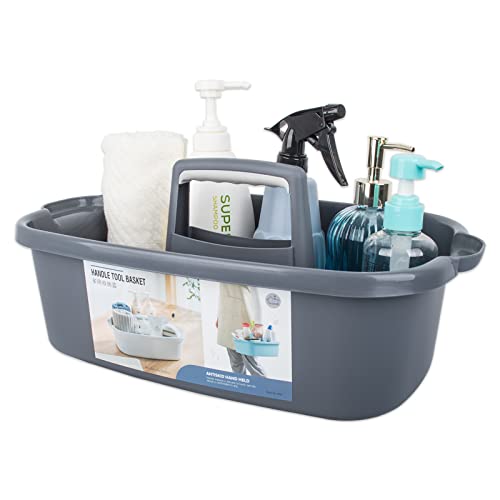
Plastic Basket Size: 16.5 in L x 9.8 in W x 6.7 in H, can hold what you need, easy to use; lightweight, easy to clean. It is a good gift choice.
2. Declutter in Three Sorts

Trash, dishes, and clothes are what turn a messy room into an unlivable one, so I deal with them before anything else.
I carry three containers: a trash bag, a laundry basket, and a smaller basket for things that belong elsewhere. Working top to bottom, left to right keeps me from circling back to the same spot twice.
Clean clothes hit the bed for folding at the end; dirty ones go straight to the laundry basket. Anything that lives in another room drops into the relocation basket, which I set outside the door to deal with later.
Items already in their right place get straightened now, parallel or perpendicular to the furniture edge so surfaces look tidy even before I wipe them.
A moderately messy room takes 20 to 30 minutes for this whole sort; heavier clutter can push closer to an hour, but skipping this step makes every minute after it less productive.

[Streak Free & Versatile Cleaning] The amazing absorbency to clean any surfaces in few wipes, quickly also non-scratch without streak and on glass, mirrors, dishes & cups, counters, sink or kitchenware

Strong Absorbent & Streak-Free: Crafted with premium microfiber, these cleaning rags quickly absorb water and wipe away spills, dust, grease, and dirt without leaving streaks. Ideal for drying dishes, cleaning countertops, or polishing surfaces in the kitchen, car, or around the home.
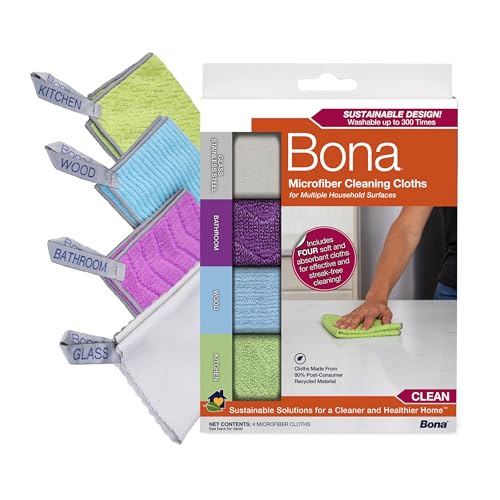
Four unique microfiber cloths for all the surfaces around your home
3. Dust and Wipe Surfaces

Microfiber cloths pick up dust instead of pushing it around, which is why I reach for them before paper towels or an old t-shirt.
Work top to bottom, hitting shelves, lamp bases, picture frames, and the sides of furniture before anything below waist height. Gravity does the rest; dust you knock loose lands on a surface you have not touched yet.
A damp cloth with all-purpose cleaner handles most hard surfaces. For points of contact, door handles, and light switches, I switch to a disinfectant wipe or a disinfectant spray, since all-purpose cleaner does not always cover that job.
Electronics need a gentler touch, barely damp rather than wet, and I never spray directly on the screen.
The S-pattern matters more than people think. Zig-zagging across a dresser top in one continuous motion catches grime without redistributing it.
Buff dry with a second cloth if the finish streaks, then replace items quickly, wiping each piece as you set it down. The whole pass takes maybe five minutes for an average bedroom, and the room already looks finished.
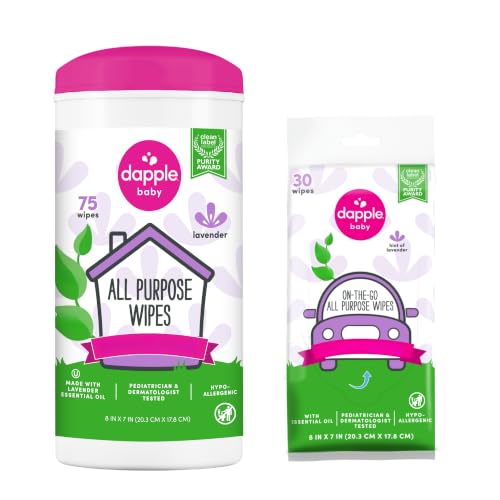
EFFECTIVE ALL PURPOSE WIPES: Powered by plants; effectively clean surfaces including toys, high chairs, swings, counters, backpacks, lunchboxes, and desks — great for daycareand back-to-school messes

LYSOL DISINFECTANT WIPES: Tested and proven to kill 99.9% of viruses and bacteria*, including COVID-19¹⁴ and 8 cold and flu viruses¹⁰. Disinfects, cleans, removes allergens and deodorizes on 100+ surfaces.

LYSOL DISINFECTANT WIPES: Tested and proven to kill 99.9% of viruses and bacteria*, including COVID-19¹⁴ and 8 cold and flu viruses¹⁰. Disinfects, cleans, removes allergens and deodorizes on 100+ surfaces.
4. Clean Mirrors and Windows

A mirror with smudges reads as unfinished even when the bed is made and the floor is clear.
I reach for glass cleaner and a lint-free cloth, not paper towels, because the fibers in paper leave behind the lint you’re about to fight.
Spray the glass, then wipe in circular motions first, finishing with straight vertical strokes for the streak-free shine that actually holds up to daylight.
Circle-to-straight beats the S-pattern because the final pass aligns with how window light falls, so any faint streak that survives runs with the view, not across it.
Hit the window sill and frame while you’re there; dust on the casing undoes the work on the glass in about an hour.
This pass takes two minutes per surface and it is the one that makes a tidy room feel done.

TAILORED FOR SHELVING & CLOSET SYSTEMS: Sized at 13"L x 9"W x 7.8"H, this 4-pack is precision-engineered to fit into closet organizers and storage units. The rectangular silhouette maximizes shelf space, providing a cohesive, organized look for your bedroom wardrobes and laundry room cubbies

Including 9 pack storage organizer baskets in 3 colors: black, gray, white. Not only a basket, but also good for decoration. You can apply different colors baskets to different scenes or uses, use them freely according to your needs. Dimensions: 7.7" L x 5.5" W x 2.4" H.

Keeps Laundry Organized in Busy Spaces-This collapsible laundry hamper creates a clean drop zone for worn garments before wash day, helping bedrooms, bathrooms, shared dorm rooms, laundry rooms, and guest spaces look less cluttered. Use it for daily outfits, towels after shower time, sleepwear, pajamas, and light bedding, so items are gathered in one place instead of piling up on chairs, floors, or the end of the bed.
5. Organize Closets and Drawers

Fold clothes neatly and group similar items together before anything goes back in. Shirts with shirts, pants with pants; the 30 seconds this takes saves five minutes of hunting later.
Use organizing bins to keep small items contained; socks, belts, and accessories disappear into drawers otherwise. I would skip color-coding hangers for a speed run.
It photographs well, but the benefit comes weeks later, not today. A catch-all bin on the floor gathers anything that belongs elsewhere so you are not leaving the room mid-task.
Close drawers and closet doors last. The visible order matters more than the system behind it, and a shut drawer reads as done even if the inside is merely adequate.

VERSATILE THREE IN ONE DESIGN. Easily converts from a corded stick vacuum to a hand vacuum or a stair vacuum. Powerful suction makes it the perfect electric broom for quick pickups on sealed hard floors and area rugs throughout your home.

Dustbowl capacity - 13 ounces. Designed for quick + easy cordless cleaning

QUICK-DRY FOAM: Carpet and Room Odor Eliminator features a light, Quick-Dry Foam formula that will not leave a residue on carpets. You can see the foam working as it disappears into your carpet
6. Vacuum or Sweep Floors

Corners and edges are where the last visible debris hides, so I always hit those first with the vacuum hose or a broom angled into the joint where wall meets floor.
A quick pass across open carpet in a W pattern lifts surface debris and leaves the pile standing fresher than straight-line back-and-forth strokes.
Hard floors get a sweep, then a damp mop if I have thirty extra seconds, though for a rapid refresh the sweep alone removes what the eye catches.
Under the bed and behind furniture are the spots that collect dust bunnies even after decluttering. I slide lightweight pieces aside now while the floor is clear, vacuum the exposed patch, and slide them back.
If you are allergy-prone, those crevices matter more than the center of the room, so I do them every third or fourth speed-clean rather than every single pass.
The floor is the last physical step; once it is done, the room reads as finished even if a stray item remains on a shelf.

Plastic Basket Size: 16.5 in L x 9.8 in W x 6.7 in H, can hold what you need, easy to use; lightweight, easy to clean. It is a good gift choice.

Premium Quality: The cleaning supplies organizer is made of high quality nylon materials with thicker lining, which is wearable and sturdy,and it with heavy duty breathable mesh base, and come with an extra aluminum film bottom padding
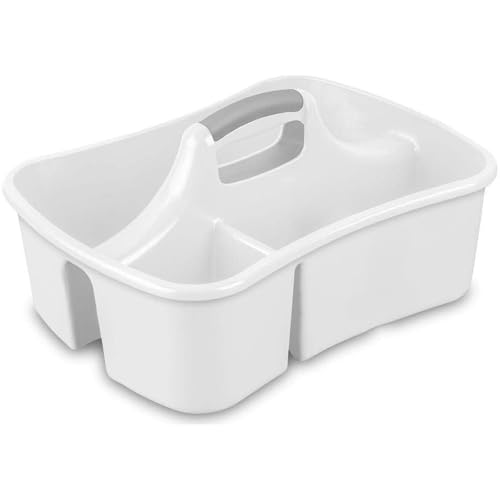
SUPER VERSATILE: Experience the versatility of our extra-large caddy, a powerhouse for cleaning supplies, shower essentials, art materials, and general organization. Its large compartment easily accommodates bulky items like shampoo bottles or paper towel rolls, while the three smaller sections neatly organize smaller items like spray bottles, brushes, and sponges. Our customers report even report using this cleaning supply caddy/bath caddy as a diaper caddy organizer
7. Finish With Scent

The last two minutes of any room cleaning session matter more than most people think. A fresh scent signals that the job is finished and the space is ready to live in again, not half-done.
An air freshener works fine if that is what you have on hand. I would reach for a candle or essential oil diffuser instead; they add a small ritual that marks the end of the work.
On a day with decent weather, opening the window for ten minutes does the same job for nothing and clears out the chemical smell of whatever cleaner you used on the surfaces.
The scent itself matters less than the act of adding it. Your brain takes the cue and stops looking for the next task.
I have seen people skip this step, then keep circling the room straightening things that were already straight. The smell is the period at the end of the sentence.
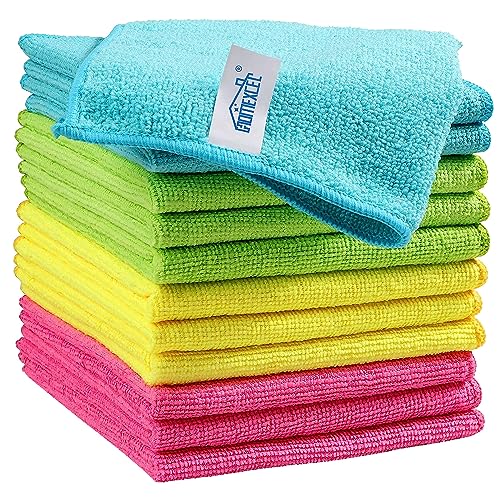
Effective Streak-Free Cleaning: Clean kitchen countertops, windows, mirrors, bathroom surfaces, stainless steel, car interiors, glass, and other delicate surfaces with just water or your favorite cleaner—these microfiber cloths deliver streak-free, neat results with minimal effort, making daily cleanup fast and simple
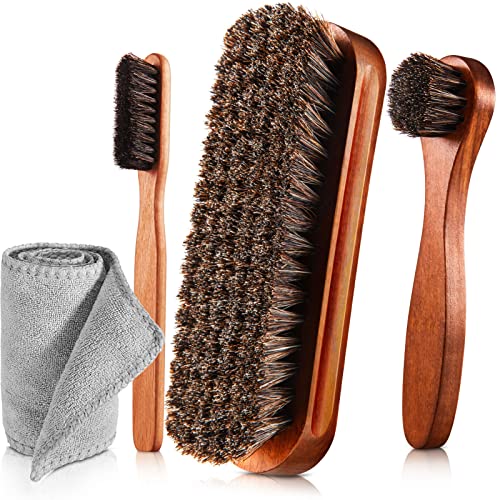
Shoes Shine Brush Set - There are 1 x large size shine brush, 1 x long handle horsehair brush, 1 x detailing shoe brush and 1 x microfiber buffing cloth

8. The 15-Minute Speed Run

- Start at the door and move clockwise, picking up trash and anything that belongs in a bin. Two minutes is plenty if you do not pause to sort.
- Collect dirty laundry from the floor, chair, and any surface it landed on. Drop it straight into a basket; folding can wait.
- Return books, chargers, cups, and loose items to where they live. If something has no home, I stick it in a drawer or the wardrobe base and deal with it after guests leave.
- Wipe the desk, dresser, and nightstand with a cloth or wipe. Visible surfaces matter more than perfect corners right now.
- Smooth the sheets and arrange the pillows. A made bed pulls the whole room together faster than almost anything else.
- Run a quick vacuum through high-traffic floor areas only. Skip under furniture; nobody looks there first.
- Add a scent. A spray or diffuser finishes the job because clean registers faster when the room smells like it.

Convenient Cleaning and Disinfection – Prevention One-Step Disinfectant Cleaner Wipes offer a hassle-free way to clean and disinfect surfaces effectively with just one step, eliminating the need for multiple products.

LYSOL DISINFECTANT WIPES: Tested and proven to kill 99.9% of viruses and bacteria*, including COVID-19¹⁴ and 8 cold and flu viruses¹⁰. Disinfects, cleans, removes allergens and deodorizes on 100+ surfaces.

SHIPMENT CONTAINS: Two 85-count canisters of Lemon Scent & one 85-count canister of Fresh Scent for 255 disinfecting wipes in total, with canisters made of 20% post-consumer recycled plastic
Daily Maintenance Habits

Five minutes of daily maintenance keeps the weekly reset from turning into an hour-long ordeal. I make the bed first thing, toss any visible trash, and put clothes either in the hamper or back on the hanger.
The bed alone changes how the whole room reads, and the other two moves keep surfaces from disappearing under accumulated clutter.
The real benefit is momentum. Once these three actions become automatic, the room never reaches the state where you need a full reset.
A five-minute daily habit beats a 30-minute weekly slog because you are never starting from zero. Miss two days and you notice; miss a week and you are back to square one.
Kids can handle parts of this, though I would not lean on that. The habit has to be yours first.

Keeps Laundry Organized in Busy Spaces-This collapsible laundry hamper creates a clean drop zone for worn garments before wash day, helping bedrooms, bathrooms, shared dorm rooms, laundry rooms, and guest spaces look less cluttered. Use it for daily outfits, towels after shower time, sleepwear, pajamas, and light bedding, so items are gathered in one place instead of piling up on chairs, floors, or the end of the bed.

Keeps Laundry Organized in Busy Spaces-This collapsible laundry hamper creates a clean drop zone for worn garments before wash day, helping bedrooms, bathrooms, shared dorm rooms, laundry rooms, and guest spaces look less cluttered. Use it for daily outfits, towels after shower time, sleepwear, pajamas, and light bedding, so items are gathered in one place instead of piling up on chairs, floors, or the end of the bed.

TAILORED FOR SHELVING & CLOSET SYSTEMS: Sized at 13"L x 9"W x 7.8"H, this 4-pack is precision-engineered to fit into closet organizers and storage units. The rectangular silhouette maximizes shelf space, providing a cohesive, organized look for your bedroom wardrobes and laundry room cubbies
Mindset and Focus Tricks

A timer turns cleaning into something finite. I set mine for 20 or 30 minutes, work until it rings, and then I actually stop.
That hard cutoff keeps the job from ballooning into an all-day project and gives me a real reason to step away, get some air, and come back fresh if the room still needs another round.
The break is part of the method, not a reward you have to earn.
Tidying in short bursts by setting a timer and putting the task down once the timer has gone off, regardless of where you are with it, will help to break the chore down and allow frequent breaks to reset and refresh.
Music works the same way for me, though I pick the playlist before I start so I am not standing in the middle of a half-made bed scrolling for the right song.
Give your mind a container: something that says this is happening now, and it ends at a known time. Without that frame, a quick refresh drifts into an unfocused afternoon of moving the same three piles around.

【CHIC, COMPACT & PORTABLE】 Designed to fit seamlessly into your lifestyle, this cordless mini vacuum is lightweight and stylish—perfect for home, car, office, or anywhere you need a quick clean-up.

Carpet Fresh Quick-Dry Foam, Fresh Scent, 10 Oz

Low Suction or Short Runtime? If the vacuum stops and the suction indicator flashes, it's usually means the filter is clogged, not that the vacuum is defective. Replacing the filter is the fastest way to restore suction and runtime. Recharge the unit regularly (at least once every 3 months) to ensure the battery stays active and ready when needed
Frequently Asked Questions
How can I clean my bedroom when it’s really messy?
Tackle one zone at a time, starting with trash, then laundry, and finally organizing items.
Carry three containers, a trash bag, a laundry basket, and a relocation basket, and work top to bottom, left to right so you never hit the same spot twice.
A moderately messy room takes 20 to 30 minutes for the full sort; heavier clutter can push closer to an hour.
What’s the fastest way to tidy up before guests arrive?
Focus on visible areas, make the bed, clear the floors, wipe down surfaces, and add fragrance.
The 15-minute speed run works here: move clockwise from the door picking up trash, collect laundry, return loose items to their homes, wipe visible surfaces, smooth the sheets, vacuum high-traffic floor areas only, and finish with a scent.
Clean registers faster when the room smells like it.
How long should it take to tidy a bedroom?
A moderately messy room takes 20 to 30 minutes for the full declutter and surface pass; heavier clutter can push closer to an hour.
The 15-minute speed run handles emergency situations by skipping under-furniture vacuuming and perfect corners. Five minutes of daily maintenance, bed, trash, and clothes, keeps the weekly reset from ever ballooning to that length.
How do I clean my room without being overwhelmed?
Tidying in short bursts by setting a timer and putting the task down once the timer has gone off, regardless of where you are with it, will help to break the chore down and allow frequent breaks to reset and refresh.
The break is part of the method, not a reward you have to earn. Step outside for air between bursts so you come back fresh instead of drained.
How can I clean my room fast in 5 minutes?
Prioritize making your bed, collecting clothes for washing, and putting trash in a bin.
If you need to hang clothes but have no time, fold them loosely and pop them in a drawer or the base of your wardrobe to tidy later. These three moves alone change how the whole room reads.
How do I clean my room with ADHD?
A timer turns cleaning into something finite: set it for 20 or 30 minutes, work until it rings, and actually stop. That hard cutoff keeps the job from ballooning into an unfocused afternoon of moving the same three piles around.
Pick your music playlist before you start so you are not standing mid-task scrolling for songs, and use the three-container sort, trash, laundry, relocation, so decisions stay binary and fast.
How to clean a room in 30 minutes?
Gather supplies first in a portable caddy so you are not hunting mid-task. Spend the first 20 to 30 minutes on the three sorts, trash, dishes, and clothes, working top to bottom.
Use the remaining time to dust and wipe surfaces top to bottom, clean mirrors with circular motions finishing in straight vertical strokes, and run a quick vacuum in a W pattern.
Add a scent in the final two minutes to signal the job is finished.
How to tidy your room in 10 minutes?
Start at the door and move clockwise, picking up trash and anything that belongs in a bin.
Collect dirty laundry from the floor and surfaces, return loose items to where they live or stash them in a drawer for later, wipe visible surfaces only, smooth the sheets and arrange pillows, and run a quick vacuum through high-traffic floor areas.
Skip under furniture; nobody looks there first.