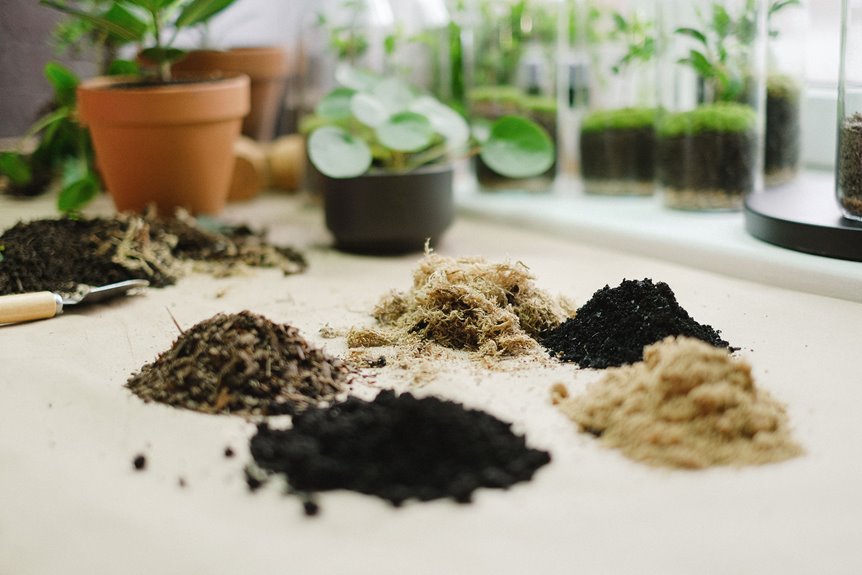
I don’t recommend using straight garden soil in potted plants, as it tends to be too heavy and dense for containers. Over time, it compacts and squeezes out air pockets that roots need to breathe. This can lead to poor drainage, soggy roots, and potential rot. If you must use garden soil, blend it 50/50 with perlite, coarse sand, or quality potting mix to improve its texture. For best results, choose a bagged potting mix designed specifically for containers. I will provide a step-by-step guide on how to amend garden soil and explain when it is worthwhile to do so.
Why Garden Soil Fails in Containers (And What to Use Instead)
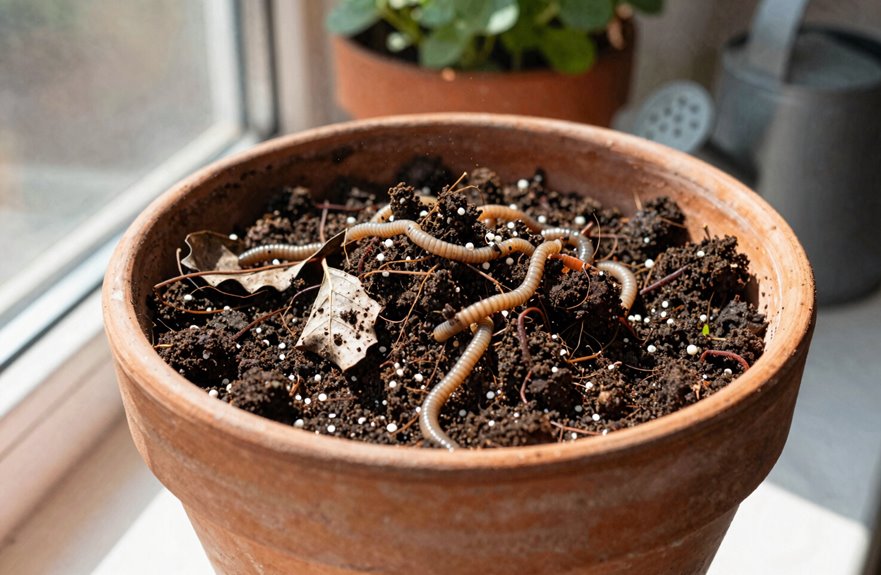
When I first started container gardening, I made the classic rookie mistake of grabbing soil straight from my backyard to fill my pots. My plants turned yellow and wilted, and I couldn’t figure out why. Many beginners experience this same issue.
Here’s what went wrong:
- Garden soil packs down tight in containers, squeezing out the air pockets roots need to breathe.
- Drainage suffers badly when soil becomes dense and heavy, trapping water around roots and causing rot.
- Roots can’t spread freely through compacted dirt, which stunts growth and blocks nutrient absorption.
The solution is straightforward. I switched to a proper potting mix instead. These blends remain light and fluffy, providing roots with the ideal balance of moisture and drainage for healthy growth. My plants bounced back within weeks, and yours can too.
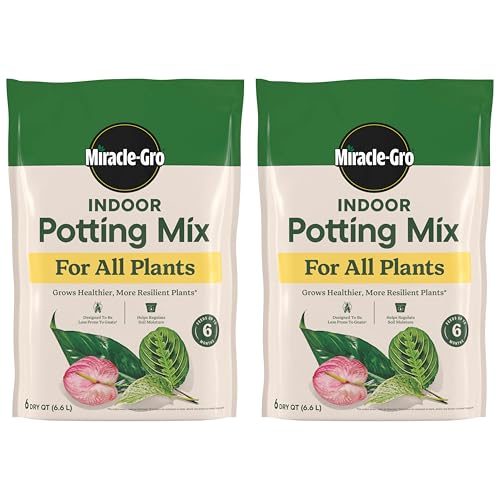
Miracle-Gro Indoor Potting Mix for All Plants feeds houseplants for up to 6 months and grows healthier, more resilient plants (vs unfed when used as directed)
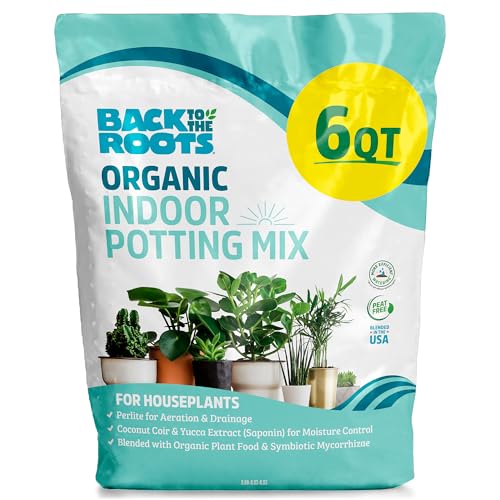
Includes 6qt of Back to the Roots Indoor Potting Mix. Our Potting Mix contains organic yucca extract that aids in retaining moisture in the soil which keeps your indoor plants happy and healthy

INDOOR GROWING: Growing indoors is easy under the right conditions; Miracle-Gro Houseplant Potting Mix is an indoor plant potting soil that combines key elements container plants need to thrive
Garden Soil vs. Potting Mix: Which Belongs in Containers?
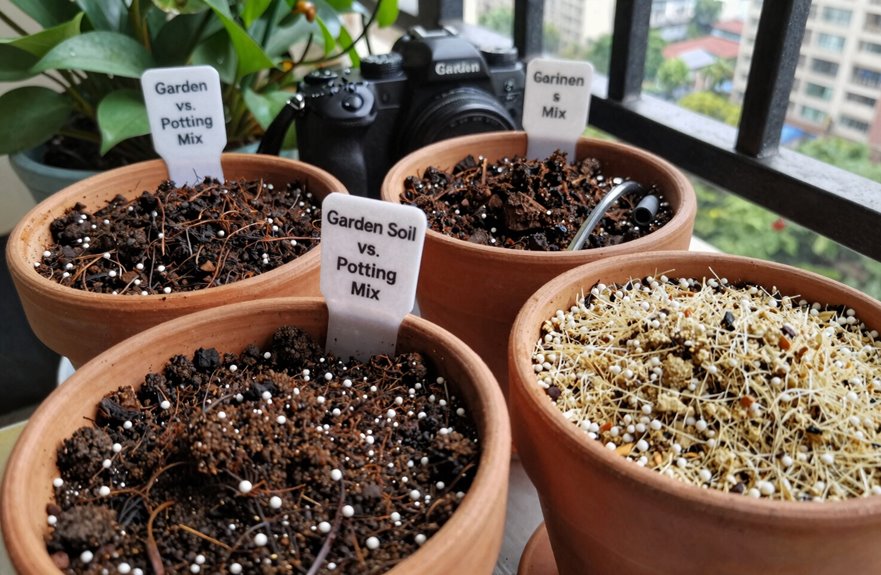
I want to explain the key differences between garden soil and potting mix so you can understand why they behave differently in containers. We’ll examine how drainage problems develop, why compaction can harm your plants, and which alternatives are effective. By the end, you’ll know which option gives your potted plants the best chance to thrive.

HELPS REGULATE SOIL MOISTURE: Miracle-Gro Organic Indoor Potting Soil Mix is an organic potting soil that protects indoor plants against over and under watering

FEEDS UP TO 6 MONTHS: Miracle-Gro Potting Mix is a gardening soil for outdoor containers that feeds all types of potted plants, including flowers, vegetables, shrubs, annuals, and perennials for up to 6 months
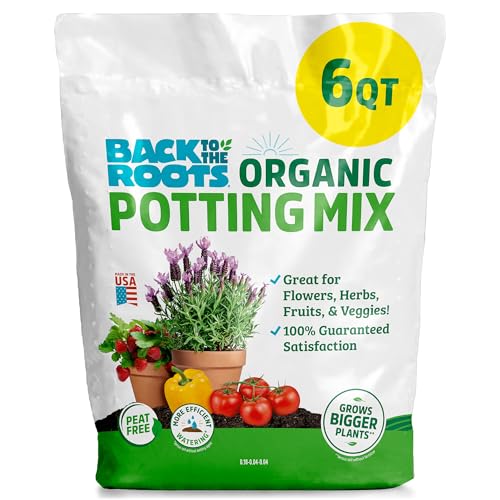
Includes 6qt of Back to the Roots Premium Blend Potting Mix. 100% Organic and Peat-Free, made from upcycled plant matter and wood fines from across the U.S. No imported peat, just better soil with a lighter carbon footprint.
Drainage Differences Explained
Why does water seem to sit forever at the bottom of some pots? This occurs when garden soil fills the container. Garden soil is heavy and dense, which causes it to pack down tightly. When used in pots, the drainage is insufficient, leading to water being trapped and roots unable to breathe.
Potting mix addresses this issue. It is light and fluffy, providing the aeration that roots need. Air pockets allow water to flow through instead of pooling.
I’ve noticed the following:
- Garden soil lacks worms and bugs that help loosen the ground soil.
- Without them, containers receive no natural aeration.
- Potting mix is specifically designed for drainage from the start.
I prefer using purpose-made potting mix. My plants remain healthier, and I have less concern about root rot.
Compaction Risks Identified
Compaction Risks Identified
Poor drainage isn’t the only problem you’ll face with garden soil in pots. Compaction also causes serious trouble.
Why Compaction Matters
When I fill a container with yard soil, it settles into a dense brick. This compaction squeezes out air pockets that roots need. Without those spaces, water can’t move through properly, leading to even worse drainage.
What Happens to Roots
Plants struggle when their roots hit packed earth. They can’t stretch, breathe, or drink. It’s like trying to grow through hardened clay with a spoon.
The Compaction-Drainage Cycle
Compaction creates poor drainage, and soggy soil compacts further. Roots can drown in slow motion.
A Quick Fix
If you’re like me and tempted to use garden soil, mix it with perlite or coarse sand first. I don’t risk using soil straight from the ground anymore.
Recommended Alternatives Compared
So what should you actually use instead?
I recommend reaching for a quality potting mix every time. Unlike garden soil, potting mix is designed specifically for containers. It is lightweight, fluffy, and provides the drainage that roots require.
Here are the advantages of potting mix:
- Better drainage – Water flows through easily, ensuring roots stay healthy and rot-free.
- Consistent moisture – It holds water without becoming soggy.
- No compaction – Your roots receive air and room to grow.
If you only have garden soil, you can blend it with perlite, vermiculite, or coarse sand to improve drainage. However, starting with a proper potting mix simplifies the process and enhances plant health. Making the right choice in the beginning supports every gardener’s success.
Can You Fix Garden Soil for Container Use?
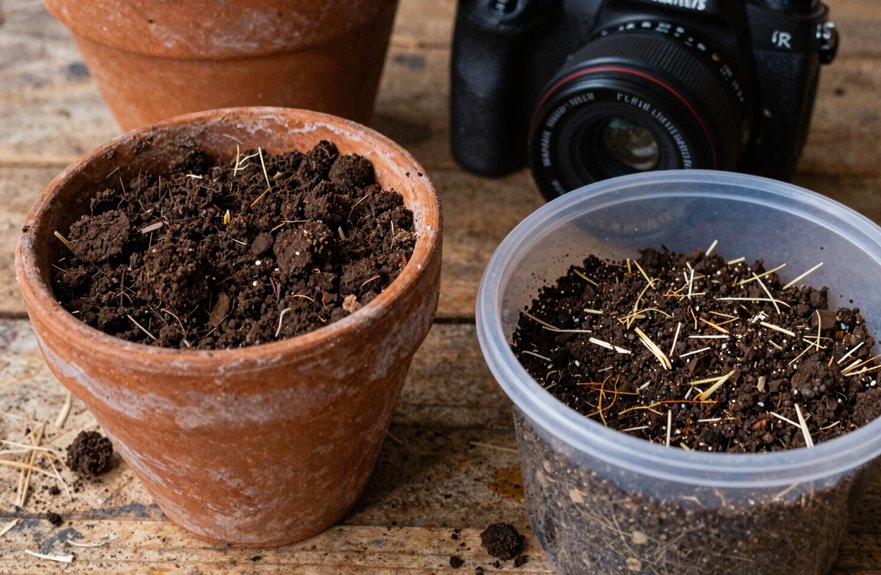
I know straight garden soil isn’t ideal for pots, but it can be improved with some simple adjustments. Amending your garden soil is straightforward, and I’ll guide you through a few DIY container mixes that are budget-friendly and effective.
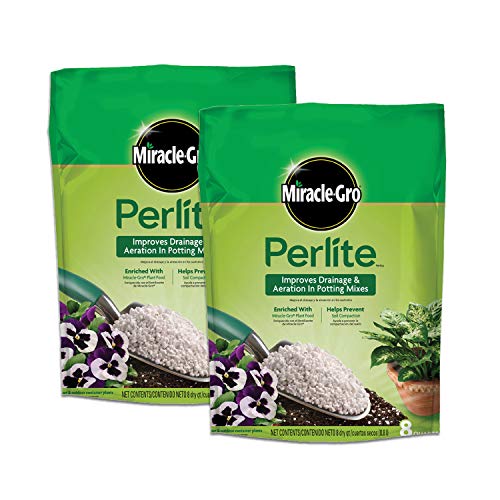
DRAINAGE AND AERATION: Miracle-Gro Perlite for plants improves drainage and aeration in potting mixes, and helps prevent soil compaction
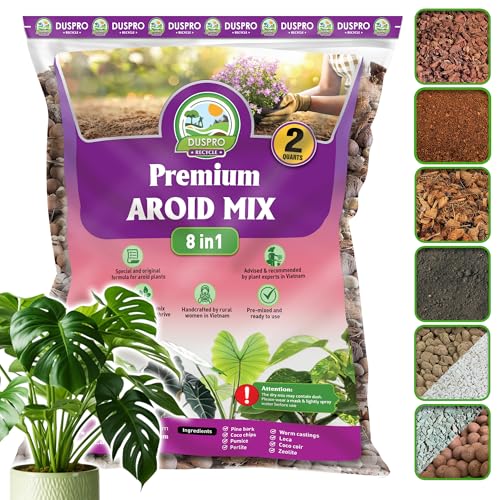
Pre-Mixed 8-Ingredient Aroid Blend: DUSPRO Recycle Aroid Mix is a ready-to-use blend designed for aroid plants. This 8-ingredient mix combines pine bark, pumice, coir, coco chips, LECA, perlite, zeolite and worm castings in one pre-mixed formula. No need to buy or mix separate components. Use straight out of the bag to save time compared to DIY mixing.

Pre-Mixed 7-In-1 Blend: This 7-in-1 succulent soil potting mix indoor combines perlite, pumice, lava rock, peat moss, pine bark, worm castings and vermiculite in one pre-mixed, ready-to-use formula. No need to buy or mix separate ingredients before repotting your cactus and succulent plants. Simply open the bag, fill the pot and adjust your watering routine based on plant type, pot size and light conditions.
Amending Garden Soil
Why does garden soil cause so much trouble in pots? It’s heavy, compacts easily, and blocks drainage. I’ve seen roots rot when water can’t escape.
| Problem | Amendment | Benefit |
|---|---|---|
| Heavy texture | Perlite or vermiculite | Better aeration |
| Poor drainage | Coarse sand | Water flows through |
| Compaction | Peat moss or coco coir | Looser structure |
| Water retention | Compost | Balanced moisture |
| Nutrient gaps | Aged manure | Feeds plants |
You can fix garden soil, but don’t use it straight. I blend mine with potting mix—about one part garden soil to two parts potting mix. This improves drainage and prevents that dense, brick-like texture.
For thriving container plants, I often choose purpose-made potting mix. It is specifically designed for this task.
DIY Container Mixes
Garden soil can work in containers, provided you mix it properly. Straight garden soil becomes heavy in pots, which can choke roots and trap water.
A simple solution is to apply the 50/50 rule. Blend garden soil with at least half soilless potting mix. This lightens the weight, adds air pockets, and helps prevent roots from drowning.
What to add:
- Perlite or vermiculite for drainage
- Coconut coir or peat moss for moisture retention
- Compost for gentle nutrients
Avoid using straight garden soil in containers. Many plants suffer from root rot when backyard dirt remains too wet.
Your container mix should feel fluffy and moist, never soggy or rock-hard. This balance gives your potted plants the support they need for healthy growth.
How to Amend Garden Soil: The 1-1-1 Mix Method
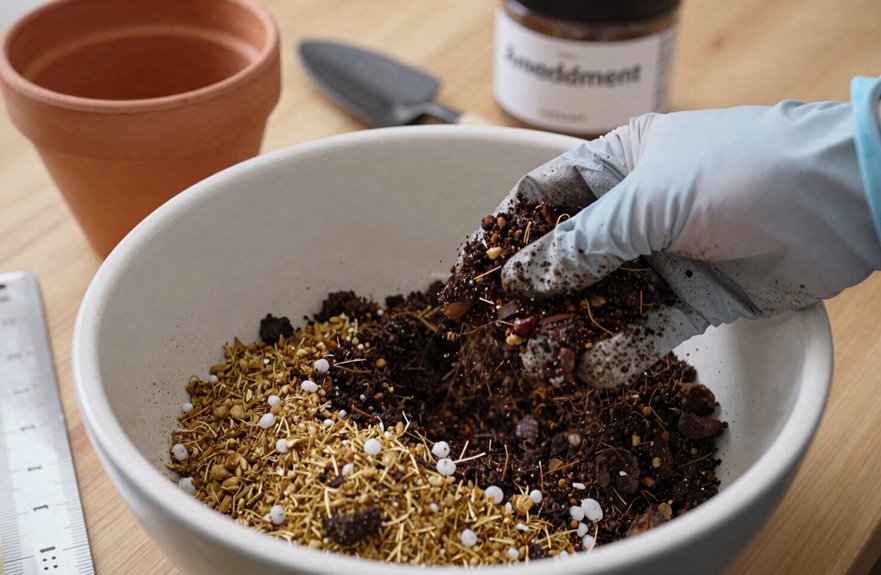
If you’ve decided to use garden soil in your pots, you’ll need to amend it for your plants to thrive. The 1-1-1 mix method is effective for this purpose.

Coarse Perlite for Growing Media: This large-grade horticultural perlite is intended for use in potting soils, seed starting, plant propagation, hydroponic systems, organic gardening, and more.
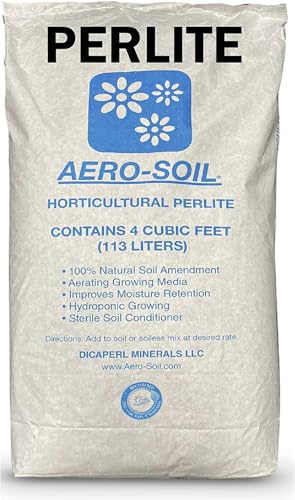
EXPANDED PERLITE - Provides space for both air and water within a soil mix. Learn why this mineral has advantages that lend itself to plant performance. A naturally occurring mineral aggregate. Will not compact, maintaining consistent aeration and drainage for plant roots. Will not decompose over time, depleting soil nitrogen. Lightweight, and ready to use. Neutral pH—a reliable constant when mixing with organic materials

Package Includes: You will get 4 quarts of coarse perlite, these are evenly sized and perfect for adding to potting soil for potted plants or as pavement for succulents to keep your plants looking nice and clean, it is essential for precise cactus mixes or carnivorous plant soils as it pulls water away efficiently
What You Need
The mix combines three equal parts:
- Garden soil – your base
- Moisture-retention – coco coir, peat moss, or leaf mold
- Drainage and aeration – perlite, vermiculite, or coarse sand
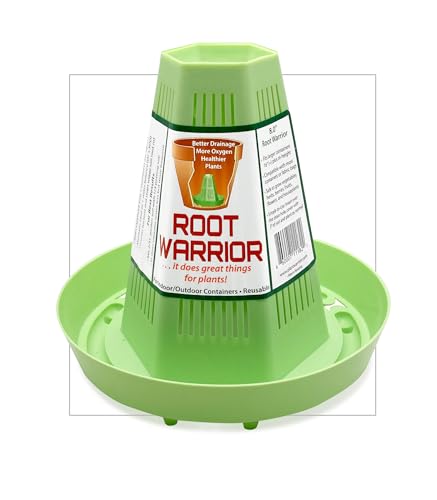
Large. Set of 5. Also available in Medium and Small. Visit Plant Warrior Store for all options.
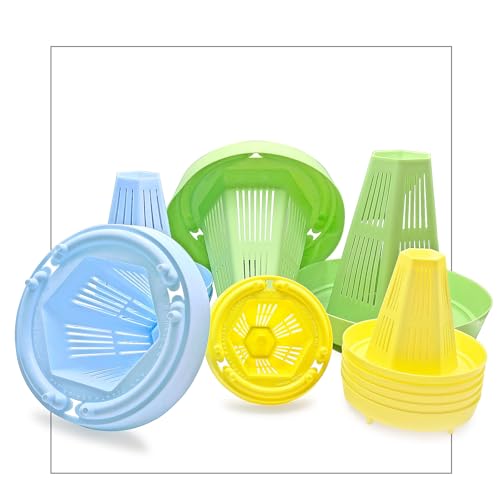

Effective root rot treatment for plants: Our transparent aeration tubes are scientifically designed to boost airflow around roots, preventing waterlogging and root rot in succulents, bonsai, and indoor greenery.
Why This Helps
Pure garden soil tends to compact in containers. This compaction restricts air and water, which can stress roots. This blend loosens the soil while retaining moisture where plants need it.

🌱 PERFECT FOR ALL PLANTS Versatile all-purpose potting mix designed for indoor plants, outdoor gardening, seeds, herbs, flowers, and vegetables. Ideal for beginners and experienced growers.
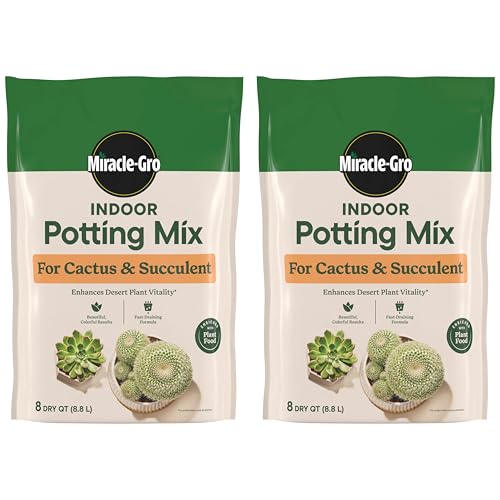
Miracle-Gro Indoor Potting Mix for Cactus and Succulent is enriched with Miracle-Gro Plant Food and enhances desert plant vitality (vs unfed plants when used as directed)

Includes 12qt of Back to the Roots Indoor Potting Mix. Our Potting Mix contains organic yucca extract that aids in retaining moisture in the soil whichs keeps your indoor plants happy and healthy
One Extra Step
Garden soil nutrients can vary, so I add balanced fertilizer. Container plants cannot access nutrients beyond their pot, so it is essential to ensure they are available.
This method allows you to utilize what you have while maintaining healthy plants.

ALL-NATURAL MIX: Burpee Organic Premium Potting Mix is formulated with plant food & coconut coir to promote seed & root growth and healthy flower, vegetable & herb plants. OMRI Listed for organic use.

FEEDS UP TO 6 MONTHS: Miracle-Gro Moisture Control Potting Soil Mix feeds plants for up to 6 months and Grows Plants Twice As Big (vs unfed plants)

Includes 10lb block of Back to the Roots compressed Coconut Coir that expands to 51qt of potting soil. A balanced pH, which means it’s truly all-purpose. Use alone or as an amendment for anything in a pot or in the ground — vegetables, flowers, herbs, and even starting seeds.
DIY Potting Mix Recipes That Actually Work
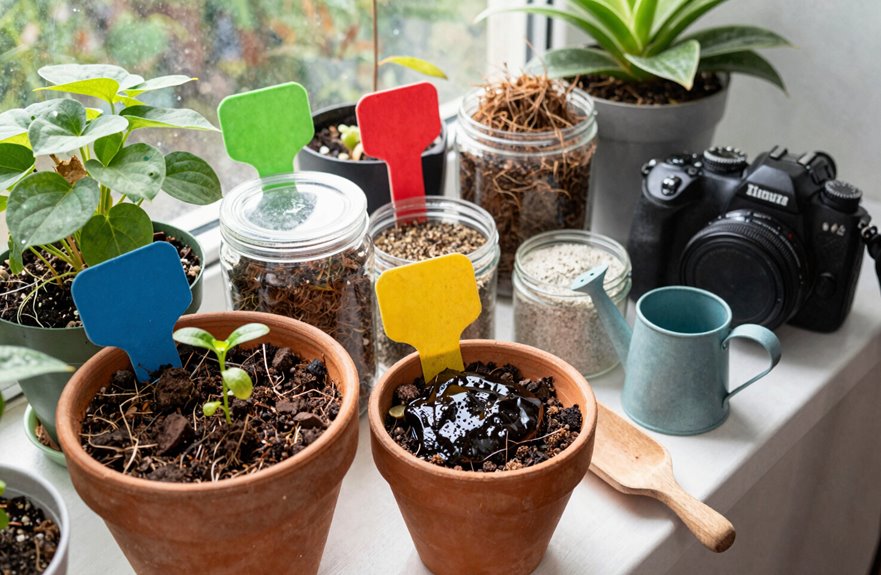
I’ll guide you through three effective DIY potting mix recipes, starting with the essential ingredient ratios you need to get right. We’ll discuss how to achieve proper aeration and drainage to ensure your roots remain healthy, along with straightforward fertilization strategies to nourish your plants without unnecessary complexity.

🪴 No Chemical Fertilizers- Our root food blend is rich in nutrients from Worm Castings as natural fertilizers and beneficial Mycorrhizae

[Enhanced Soil Aeration] - Perlite improves soil aeration, allowing roots to access oxygen more efficiently, which is crucial for healthy plant growth.
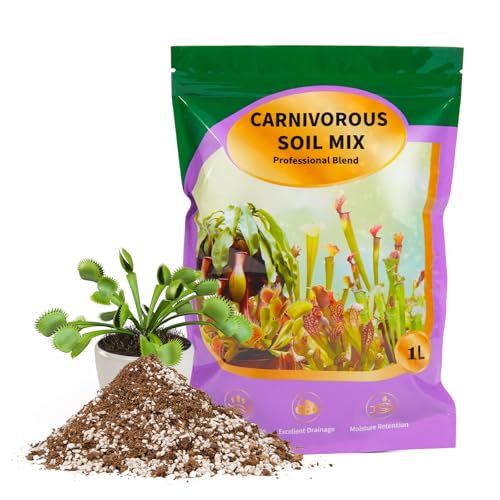
【Low-Nutrient Formula】Specifically formulated with a low-nutrient profile to mimic the natural, nutrient-poor environments where carnivorous plants thrive.
Core Ingredient Ratios
How do you build a potting mix that works? I start with a simple 1:1:1 ratio that keeps things balanced and easy to remember.
My Go-To Formula
- One part garden soil – gives your potting mix structure and nutrients.
- One part moisture retention – coco coir or leaf mold keeps roots happily hydrated.
- One part drainage material – details will follow.
I also add a handful of worm castings or compost for slow-feeding benefits. Your mix should feel light and fluffy, not heavy like a brick.
For Starting Seeds
Use a soil-free mix. Seeds need gentle moisture control and plenty of air pockets to push through.
Getting these ratios right means you’re on your way to thriving container plants. While seedling losses can happen, this foundation supports growth.
Aeration and Drainage
That 1:1:1 ratio I shared earlier works only if we focus on aeration and drainage. Garden soil in pots tends to get packed tight, preventing roots from breathing and causing water to sit, which leads to rot. We need airy, loose mixes instead.
Here’s what I use to ensure proper flow:
- Perlite – these white bits create pockets for air and water to move.
- Vermiculite – retains some moisture while allowing roots to breathe.
- Pumice – a heavier option that won’t float away when watered.
- Coarse sand – an inexpensive addition that breaks up dense spots.
I mix one part of these drainage helpers with my base. Using straight garden soil is not advisable, as it is too heavy and can suffocate roots. Get this right, and your plants will exhibit healthy growth.
Fertilization Strategies
So, where do we go from here? Let’s discuss fertilization and how to create potting mix components that nourish your plants effectively.
I blend moisture-retention materials like coco coir with drainage helpers such as perlite. Then, I incorporate slow-release fertilizers or bone meal for consistent nutrition. This approach is more reliable than relying solely on compost, which can compact and release nutrients unpredictably.
Here’s my simple method:
- Mix 1 part compost or garden soil with 2–3 parts moisture-retention material.
- Add 1–2 parts drainage components like vermiculite.
- Stir in slow-release fertilizer for balanced feeding.
How to Pick a Quality Potting Mix at the Store
When you’re in the garden aisle, looking at bags of potting mix, it can feel overwhelming. Choosing the right one is essential for your plants’ health. Here’s how to find a quality option:
- Check the texture. I squeeze the bag. Good potting mix feels light and fluffy, not heavy or dense.
- Read the ingredients. I look for perlite, vermiculite, or coconut coir. These components assist with container drainage and aeration.
- Avoid garden soil labels. I skip anything marked “topsoil” or “garden soil” since those aren’t designed for pots.
- Pick trusted brands. I choose formulas from names like Miracle-Gro or Vigoro, which are tested for container performance.
Your plants will benefit from improved water flow and better root aeration.

Natural Horticultural Perlite,has a neutral ph of 7.0, clean and decorative.

Includes: 1 Bag Coarse Perlite 4 cu ft bag

100% Natural Soil Amendment for Plants - Plantonix Vermiculite Bliss is a natural soil amendment that traps nutrients in the soil, before gradually releasing them into plant roots as needed. Over time, vermiculite drastically improves nutrient retention and availability, leading to higher nutrient uptake and optimizing soil conditions for increased plant vigor.
Should You Mix Garden Soil With Potting Soil?
Why risk blending these two soils when your plants’ roots are at stake? Mixing garden soil with potting soil is not the shortcut it appears to be.
Garden soil adds heaviness and compaction, which potting soil works hard to prevent. Together, they create confusion in your container; the mix becomes too dense and too soggy, which can harm your plants. Consistency is key for healthy growth, not a struggle between different soil types.
Garden soil brings heaviness; potting soil resists it. Combined, they confuse your container, creating dense, soggy conditions that harm plant growth.
Instead, consider these recommendations:
- Skip the mix entirely. Choose a quality potting soil made for containers.
- If you must use garden soil, blend it sparingly with lighter materials like perlite or compost.
To cultivate thriving plants and avoid complications, relying on purpose-made mixes is essential for successful gardening.

Revive plants affected by poor soil airflow by increasing oxygen around roots and helping prevent root rot caused by excess moisture.

KILL ROOTS THAT CAUSE CLOGS: Green Gobbler Foaming Root Killer helps dissolve tree roots growing inside pipes. It clears clogs, prevents regrowth and won't damage the tree if used as directed.

Package Content: These plant aeration tubes for pots come in 10pcs with white color and size 0.54x9.84in/14x250mm. You can place plant aeration tubes in different planters with ease, and your daily root care gets enough pieces for indoor pots, balcony pots, and garden containers.
Is Garden Soil Actually Harmful in Containers?
You might wonder if garden soil is truly dangerous or just inconvenient. It’s more harmful than you might think, and avoiding the mistakes I’ve made can save you some trouble.
Here’s why garden soil causes real problems in containers:
- It gets heavy and compact, squeezing out air pockets that roots need.
- Drainage suffers, leaving roots soggy and prone to rotting.
- Pests and diseases can move from your yard into your pots.
- Oxygen struggles to reach roots as the soil settles and hardens over time.
Without nature’s help breaking things up, garden soil becomes a trap. I’ve seen plants struggle in dense, waterlogged containers that looked fine on top. Good drainage is essential for healthy, thriving container plants.
Emergency Soil Substitutes: 5 Options for Empty Shelves
Sometimes you walk into the garden center and the potting mix shelves are bare. It’s stressful when your plants need homes. Here’s what I grab instead, focusing on drainage to keep roots happy.
| Substitute | Why It Works |
|---|---|
| Coco coir | Light, holds moisture without sogginess |
| Compost + perlite | Balances nutrients and air pockets |
| Vermiculite blend | Improves aeration in a pinch |
| Wood chip mulch | Breaks down slowly, adds structure |
| Leaf mold | Free, local, decent drainage |
I mix these with whatever I find until I can get real potting mix. These options won’t replace quality mix forever, but they’ll support your plants in the meantime. Many gardeners have improvised; your plants will adapt.
How to Rescue Plants Already Potted in Garden Soil
What should you do when you’ve already got plants sitting in garden soil? Garden soil becomes heavy and compacted in pots, blocking drainage and trapping water around roots. Here’s how to rescue your plants:
- Gently remove the plant and shake off the dense garden soil from the roots.
- Switch to potting mix specifically designed for containers, as it remains light and airy.
- Check the drainage holes and clear any blockages to ensure water flows out properly.
- Repot with fresh mix, adding a bit of slow-release fertilizer on top.
If you can’t start over, blend your garden soil with at least 50% potting mix to enhance drainage. Healthier growth will result from these adjustments, and you can feel assured in your gardening skills.
When Garden Soil Actually Works: Large Outdoor Containers
Why does garden soil get a bad reputation for containers? It compacts easily, cutting off drainage and air to roots. However, it works well in large outdoor containers.
When filling a big planter, such as half-barrels or raised patio boxes, straight potting mix can become expensive. Here’s my solution:
The 50/50 Rule
I blend garden soil with at least 50% soilless potting mix. This keeps drainage open while being budget-friendly.
Why Size Matters
Large containers don’t dry out as quickly, making the density of garden soil less of a concern. Roots have room to spread, and gravity helps water move through.
My Go-To Mix
- 50% garden soil
- 50% potting mix or compost
I never use garden soil alone; this blend keeps my patio plants thriving without excessive costs.
Quick Reference: Soil Choices by Container Type
Here are three simple rules I follow when selecting soil for any container. Getting this right helps me avoid root rot and keeps my plants thriving.
- Small indoor pots: I always choose a bagged potting mix. It provides the drainage and aeration my houseplants need.
- Large outdoor containers: I sometimes blend garden soil with amendments, but I never use it straight. The weight can become excessive, and drainage can suffer.
- Seed starting trays: I use lightweight potting mix only. Seeds require a balance of air and moisture that garden dirt cannot provide.
- Raised beds: I loosen topsoil with compost to create better drainage than solid ground.
Using garden soil alone can lead to pests, disease, and compaction in containers. Proper drainage is essential for healthy plant growth.