
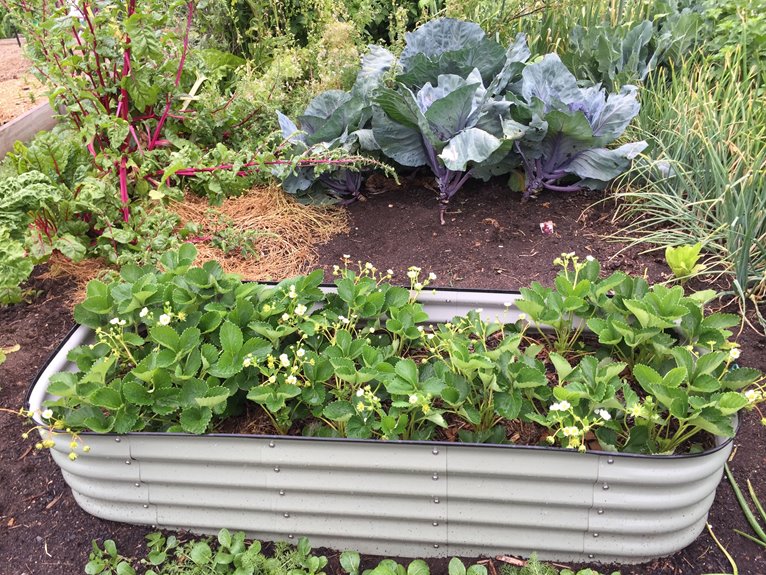
I built raised beds to transform my weedy slope into a thriving garden, and you can too. They warm up faster in spring, allowing me to plant 2-3 weeks early. I control exactly what soil goes in, promoting deep and healthy root growth. Vertical trellising doubles my space, while elevated beds reduce strain on my back during long tending sessions. They enhance the appearance of my garden, work well on patios or slopes, and extend my harvest season with simple covers. I will share more about how to make these work for your space.
Transform Any Space Into a Productive Food Garden
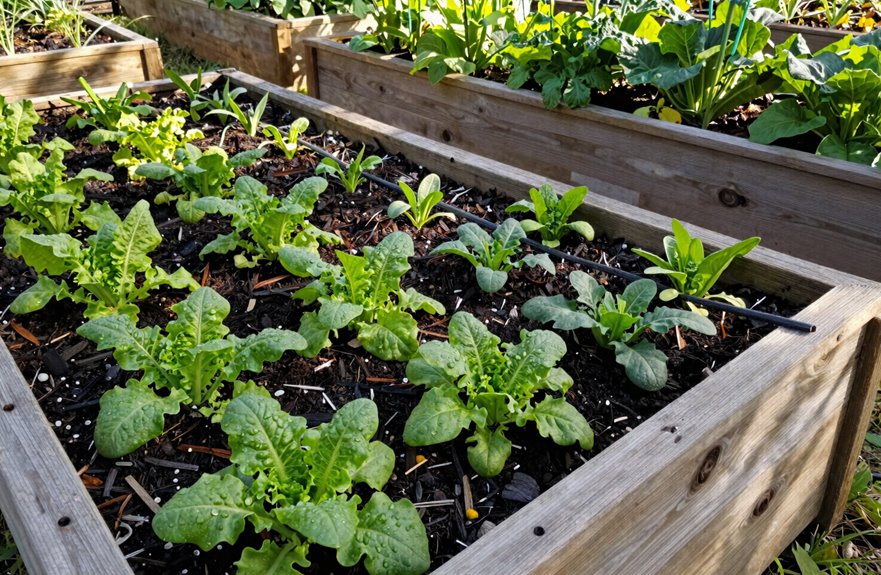
Why let a tiny yard stop you from growing your own food? I built raised beds in my cramped backyard, and now I’m harvesting more than I ever thought possible.
1. Maximize Every Inch
Raised beds allow me to pack plants closer together. I grow peas upward on trellises, which doubles my growing space without expanding my footprint.
2. Control Your Soil
I fill my beds with the exact soil my vegetables need. There’s no more fighting clay or sand; just rich, loose earth that roots thrive in.
3. Boost Productivity
My small plot now yields salads, herbs, and vegetables throughout the season. Raised beds transform forgotten corners into thriving food gardens.
Join me. Whether you have a balcony or a small yard, raised beds demonstrate that you don’t need acres to enjoy fresh produce from your own garden.
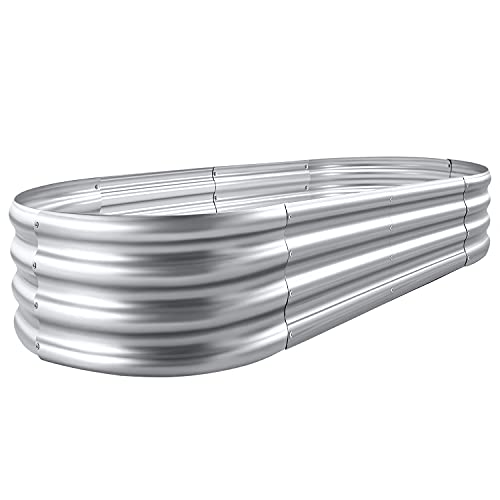
Each raised metal garden bed size: 4×2×1ft ,7.14Cu

More suitable raised garden bed size and Volume:67"L x 20"W x10"H, 7 Cu. Ft. You can cultivate plants, like vegetables, flowers, herbs in your patio, yard, garden, and greenhouse.

Size: 144"(L) x 48"(W) x 12"(H),Planter raised bed provide outdoor sufficient space to grow vegetables,flowers,galvanized garden bed
Plant Weeks Earlier in Naturally Warmed Soil
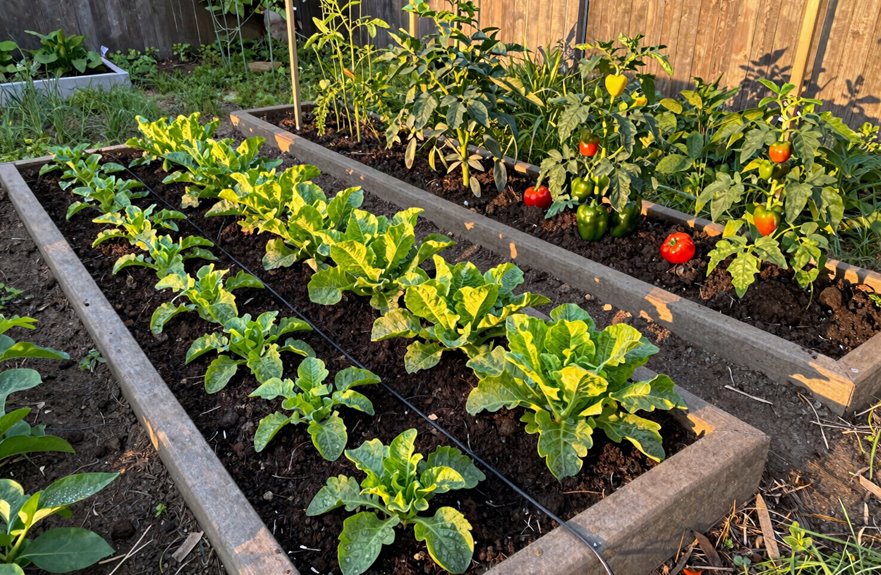
Once you’ve built and filled your raised beds, you’ll notice an exciting development as winter fades. The soil in your raised beds warms up faster than the surrounding ground. This allows for early planting, giving you a head start on your gardening before your neighbors even think about theirs.
Watching my seeds sprout while frost still touches the ground nearby is a highlight of the season. The warmth in raised beds gives heat-loving vegetables like tomatoes and peppers an advantage. Your seedlings root faster and grow stronger because the drainage prevents them from sitting in cold, soggy soil.
Here’s what this means for your garden:
| Benefit | Result |
|---|---|
| Faster soil warming | Plant 2-3 weeks earlier |
| Better drainage | Healthier seedlings |
| Quicker germination | Earlier harvests |
| Extended season | More food from your space |
Join us in getting a head start this spring.

4X2X1FT GROWING SPACE: This oval raised garden bed measures 4 x 2 x 1 ft, providing 7+ cu. ft. of organized growing space for vegetables, herbs, flowers, strawberries and selected root crops. Its compact footprint fits naturally into backyards, lawns and small outdoor gardens while keeping plants easy to reach and maintain.

Size: 60×29×11 in, 68 gallons of soil required.
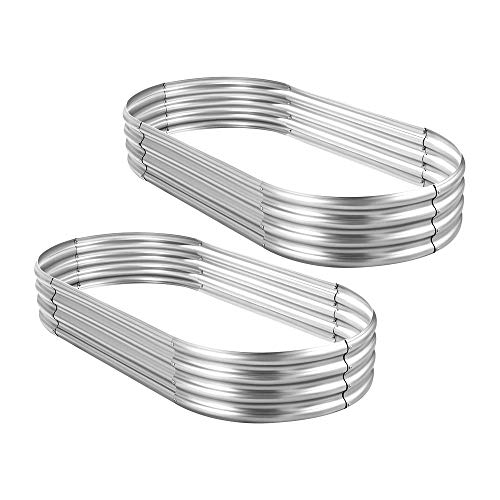
Each raised metal garden bed size: 4×2×1ft , 7Cu
Build Perfect Soil Instead of Fixing Problem Ground
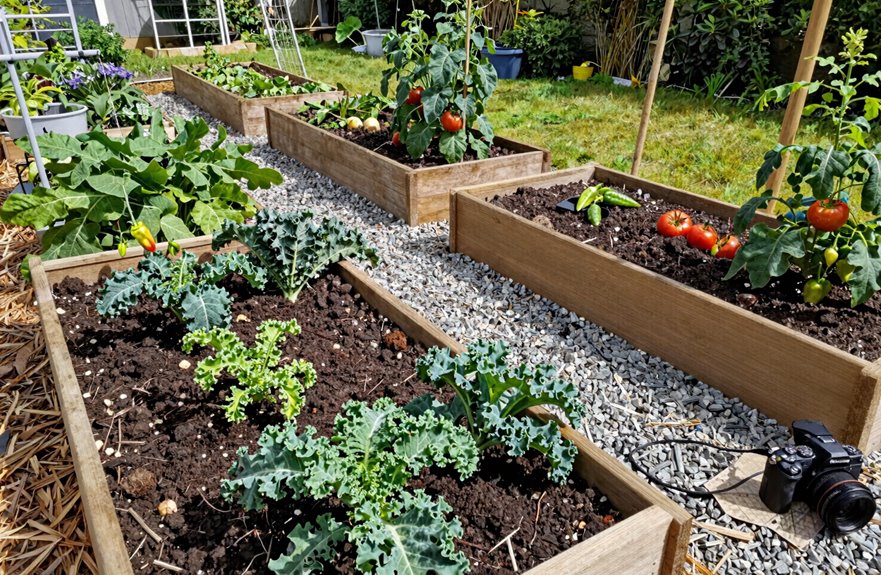
I used to spend years battling my backyard dirt, digging out rocks, adding endless bags of compost, and hoping things would finally grow. Then I discovered raised beds, and everything changed.
Why Starting Fresh Beats Fixing What’s Broken
- You control the soil from day one. Instead of amending problem ground for seasons, I fill my raised beds with quality soil mix that warms faster in spring. My tomatoes and peppers get the perfect start they need.
- Drainage problems disappear. The elevated design allows water to flow through easily, so my roots never sit soggy. No more drowned seedlings after heavy rain.
- I work around bad ground entirely. Rocky or questionable soil stays below while my plants thrive in clean, fertile beds above.
Building perfect soil is more effective than battling bad dirt.

Ready-to-Use Formula: No mixing or extra steps required. Simply pour and plant - perfect for gardeners of all experience levels.

Specially Crafted for Raised Beds: Formulated to provide the ideal growing environment for vegetables, herbs, flowers, planter boxes, and other container gardens.

FOR USE: Ideal for raised garden beds and outdoor containers.
Let Roots Dig Deeper for Healthier, Bigger Plants
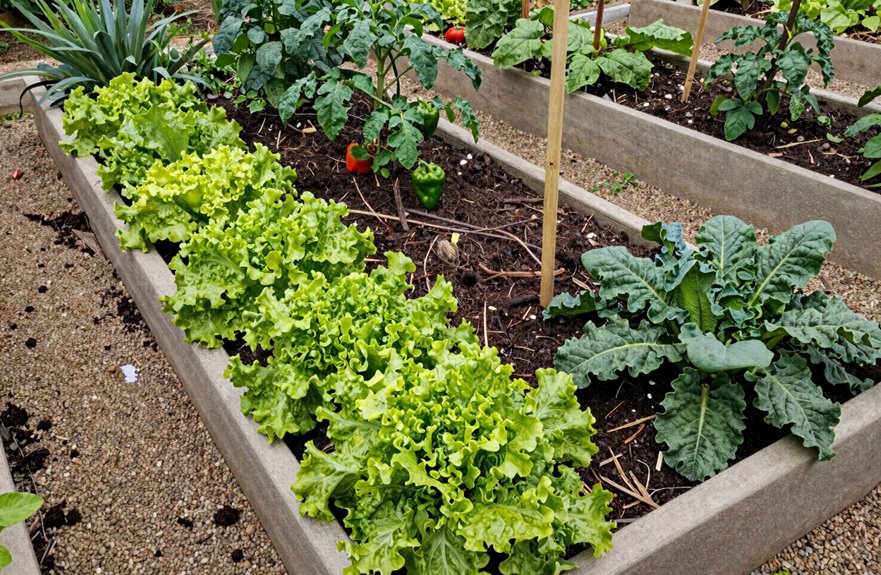
Because I give my plants room to stretch their roots downward, they reward me with stronger growth and bigger harvests than I ever got from flat ground.
Give your plants room to stretch their roots downward, and they’ll reward you with stronger growth and bigger harvests than flat ground ever could.
My raised beds create the perfect setup for root growth. Here’s why they work so well:
Loose soil means happy roots.
I fill my beds with light, fluffy soil mix instead of heavy clay. My plants don’t fight packed dirt, so their roots spread wide and deep without struggle.
Better drainage, healthier roots.
Water flows through my raised beds instead of pooling around stems. This soil drainage keeps roots breathing and prevents rot that stunts growth.
Warmth gets things growing.
My raised soil warms faster in spring. I plant earlier, and roots kick into gear weeks before ground-level gardens wake up.
When roots thrive deep below, I see the payoff above: sturdy stems, lush leaves, and vegetables that size up impressively.

【Advantages of cucumber trellises】Heavy Duty Rustproof Garden Trellis, No assembly required, Ready to use right out of the box

【Multi-Function】 Tall Tomato Cage-Each tomato cage can be adjusted from 16inches to 47 inches in height,suit for different growth stages of plants, offering versatile supports for a wide variety of tomato plants, ensuring they grow tall and strong.

A-Frame Design for Maximum Growth – The Suteck 39" 2 Pack A-Frame Cucumber Trellis allows double-sided planting for cucumbers, peas, beans, tomatoes, and other climbing plants. Promotes airflow and ensures full sunlight exposure for healthy growth and a bountiful harvest.
Multiply Your Growing Space With Vertical Trellising
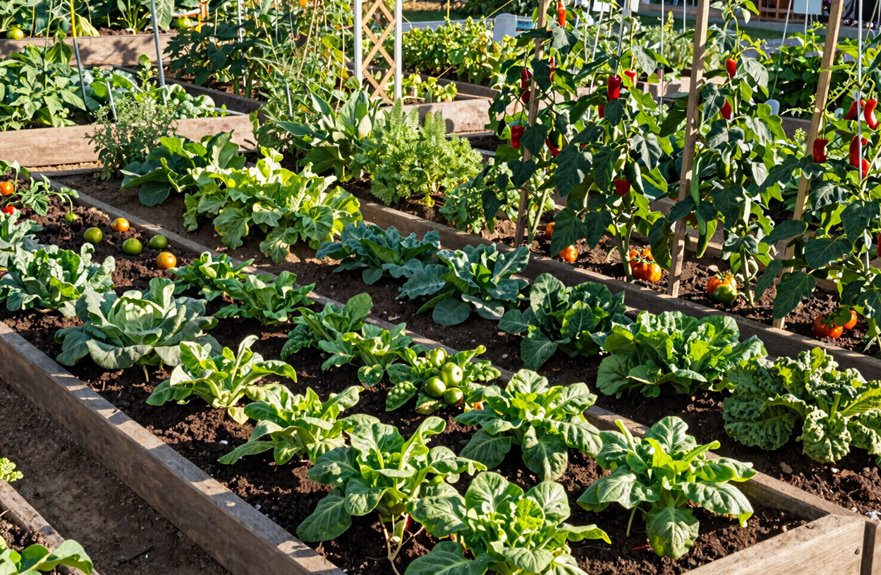
Why let all that air above your soil go to waste? I don’t, and you shouldn’t either. Raised beds provide an ideal setup for vertical growing, and I am always amazed at how much more I can fit in.
Here’s how I maximize my space:
1. Grow upward, not outward
I train my peas and beans up a simple trellis. The same footprint accommodates double the plants, effectively adding a second floor to my garden.
2. Keep vines healthy and productive
Lifting plants off the ground improves airflow and reduces sick leaves. My tomatoes and cucumbers thrive each season.
3. Layer your plantings
I tuck lettuce beneath my trellis while peas climb above. Two crops exist in one space, ensuring no competition.
4. Create garden architecture
My long beds become living walls that are organized, beautiful, and productive.
Vertical growing changes the way we garden together. It results in more food, less space, and smarter design.
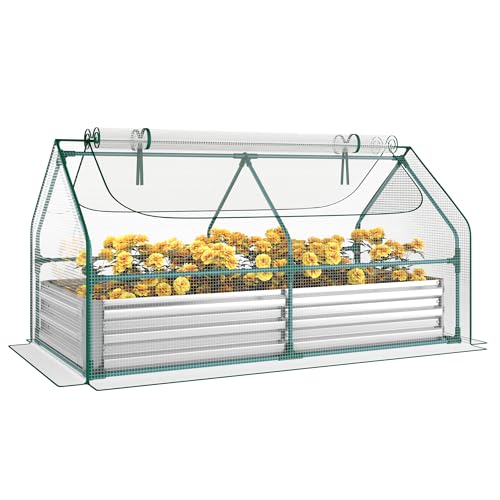
3-IN-1 GARDEN BED WITH GREENHOUSE COVER: One kit, three uses: use it as a raised garden bed, a mini greenhouse, or combine both for full protection. Flexible design lets you adapt to different seasons and plant vegetables, herbs, or flowers in any outdoor garden space.

2 COVERS FOR CHANGING SEASONS: Switch between the reinforced PE greenhouse cover and breathable mesh cover as the seasons change. The PE cover helps retain warmth during cooler spring and fall weather, while the mesh cover provides ventilation and protection during warmer months.

36 PCS Garden hoops for Raised Bed : Greenhouse Hoops frame widely used indoors and outdoors, great for the yard, vegetable garden, and garden raised beds. DIY Garden Hoops Grow Tunnel Kit works well to protect your plants, seedlings, herbs flowers,strawberry in any season gardening plant.Plant support for climbing plants,plant stakes for outdoor plants,Tomato support garden stakes.
Rotate Crops and Deter Pests in Contained Beds
Splitting my garden into separate raised beds makes crop rotation manageable. I can move my tomatoes, beans, and carrots to different spots each year, which keeps the soil healthy and confuses pests that try to overwinter. When bugs do show up, I can address issues in just that one bed without worrying about them spreading throughout the garden.

Raised Garden Bed - Add a new level of convenience to your gardening experience with the Galvanized Raised Garden Bed. Enjoy expanded yield and a more assembled garden layout with this garden accessory, each sized at 120 cm X 60 cm x 30 cm.

ULTIMATE PRACTICALITY: The planter box measures 96"(L) x 24"(W) x 12"(H), has a huge capacity, any plants and flowers you want to grow can be planted, happiness is overflowing.

Crop Rotation Benefits
How do I keep my vegetables healthy year after year? I rotate my crops, and raised beds make it much easier.
Why Crop Rotation Works
Planting the same vegetables in the same spot drains the soil. By practicing crop rotation across my raised beds, I improve soil health. My leafy greens move to where my tomatoes were, and my beans follow my squash. Each plant family requires different nutrients, so changing locations helps maintain balance.
My Simple System
I group my beds by plant families. One year, nightshades occupy bed three. The next year, they move to bed five. This planned rotation allows me to add compost and adjust pH precisely where each crop needs it.
My raised beds make this process manageable. I mark my plan, follow it, and see my garden thrive.
Pest Prevention Methods
Where do all those garden pests keep coming from? I’ve discovered that raised beds provide an advantage in pest prevention. Here’s how I rotate crops and deter pests in my contained beds.
My Pest Prevention Strategy
| Problem | Solution in Raised Beds |
|---|---|
| Soil-borne pests overwintering | Crop rotation between beds each season |
| Repeated pest attacks on same plants | Moving plant families to different beds yearly |
| Favorable conditions for critters | Better drainage and soil warmth deters them |
I use multiple smaller raised beds to practice crop rotation easily. Tomatoes move from Bed A to Bed C, while beans take their place. This breaks pest cycles before they can establish. I also plant peas with lettuce and add radish borders, as intercropping confuses hungry insects. With easy access for scouting, I can spot trouble early and stay proactive.
Save Your Back With Elevated Tending and Harvesting
I don’t have to bend over as much when tending my raised beds, which has made a significant difference for my back. Harvesting vegetables at waist height allows me to pick tomatoes or pull carrots without excessive reaching and straining. It’s easier to stay out there longer, and I find myself looking forward to garden chores now.
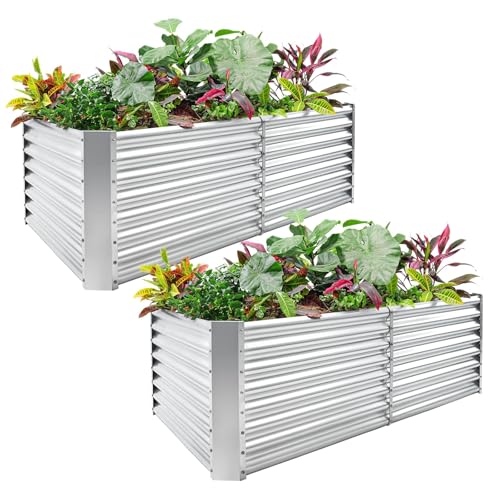
2 feet height: Compared with the ordinary 1-foot garden bed, this raised garden box has been improved in all aspects in terms of aesthetics, stable performance, and soil volume. It is time to replace the previous small planter box with a large raised planter box Now, it must be your better choice! ! !

Large capacity: Provide enough growth space for deep-rooted plants like potatoes, tomatoes, broccoli, etc. Tall enough to keep pets away from the garden planter and give you easy access!

2 feet height: Compared with the ordinary 1-foot garden bed, this raised garden box has been improved in all aspects in terms of aesthetics, stable performance, and soil volume. It is time to replace the previous small planter box with a large raised planter box Now, it must be your better choice! ! !
Ergonomic Height Benefits
Gardening should bring joy, not back pain. Raised beds with ergonomic height significantly enhance my comfort while tending to the garden.
Why Height Matters
- Less bending. My back remains straighter when I tend to plants at waist level rather than ground level.
- Better visibility. I can identify issues early because crops are closer to eye level, eliminating the need to squint at soil level.
- Joint protection. I no longer kneel, which spares my knees and hips after long gardening sessions.
Finding Your Fit
Raised beds are most effective when customized to your needs. I built mine at 24 inches, but anywhere from 12 to 36 inches accommodates various requirements. This accessibility allows people with arthritis or mobility challenges to garden comfortably.
The contained soil and clear paths also reduce twisting motions. I can garden for longer periods with less fatigue, encouraging me to return to my patch day after day.
Easy Access Harvesting
Why struggle to reach your crops when you can bring them right to you? Raised beds make harvesting feel natural and easy, not like a chore. You’ll appreciate the difference they make.
Easy access harvesting offers these rewards:
- Your back stays happy. Elevated tending means no more bending and stooping for hours.
- Every plant is within reach. Loose soil allows you to grab what you need without stepping anywhere.
- Friends with mobility challenges can join in. Raised beds make gardening accessible to everyone in our community.
- Vertical growing doubles your space. Trellises bring peas and tomatoes right to hand level.
Better drainage keeps roots healthy, ensuring your vegetables are ready when you are. Once you experience this comfort, you will prefer harvesting from raised beds over the ground.
Make Your Food Garden a Yard Showpiece
A raised bed can transform your vegetable patch into something you’ll want to showcase.
Raised beds enhance your yard’s visual appeal. Suddenly, your tomatoes and peppers appear organized and intentional rather than messy.
Raised beds turn a chaotic vegetable patch into an intentional, eye-catching garden display.
Consider decorative layouts like potager designs, which create attractive patterns using vegetables. I enjoy weaving edible flowers between my lettuce rows; this attracts butterflies and adds vibrant colors.
You can also go vertical. Adding trellises for climbing peas or tomatoes introduces layers of greenery. Stone paths between the beds complete the look, giving your yard a designed feel that catches the attention of neighbors.
Your garden integrates with your home’s style, rather than being just a side project. It feels rewarding when people pause to admire something you built with your own hands.

100% Natural Compost for Plants - Compost is a nutrient-rich, soil-like substance made from blending yard trimmings and plant residue, such as leaves and grass clippings. Together, they’re composted to make a growing medium that’s part fertilizer, part soil amendment. When mixed with garden soil, compost helps loosen soil, holds onto moisture, and provides essential nutrients for plants.
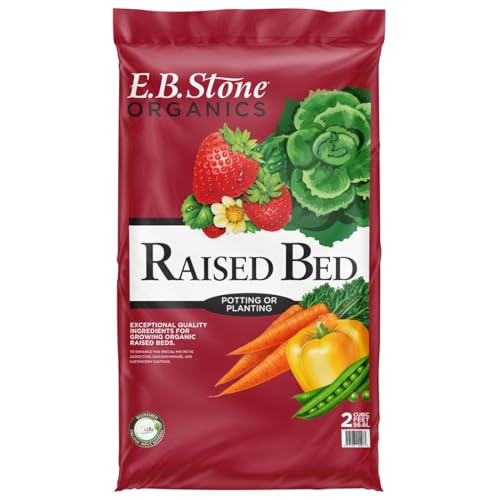
BUILT FOR RAISED BEDS - A rich, organic, ready-to-use garden soil blended specifically for raised beds, large containers, and vegetable gardens, no mixing required.

Ready to Use, Right from the Bag: No prep required. This raised bed garden soil is packed with organic compost and nutrients, ready to use for quick and easy planting
Garden Where You Couldn’t: Slopes, Patios, Bad Soil
I used to think my rocky backyard and concrete patio meant I’d never grow my own tomatoes. Raised beds changed that completely; they allowed me to build rich soil from scratch, right on top of problem ground. Now I’m harvesting peppers on a slope and lettuce on my patio, areas I had previously considered unplantable.

【Package included】: This Trellis for Climbing Plants Outdoor comes complete with everything you need to get started: 17pcs metal stakes, 8pcs stainless wire connect pipe, 2 A-shaped connectors, and a 0.9x1.8meter Bird net.

Adjustable Height Trellis (17" to 50") – Perfect for Raised Beds & Tall Vines, grow Any Climbing Plant! DIY from Compact Seedlings to Towering Vines! Match your raised bed cucumber trellis needs: Start at 17" for young plants, then extend to 50" as they grow! Customize height—ideal for beans, peas, and tall outdoor climbing plants.

Garden Trellis Size for Raised Beds: This 48" L x 48" H cucumber trellis for raised bed adjusts from 16" to 26" wide, fitting many 4 ft raised garden beds. Use it as a trellis for raised garden bed layouts to save ground space while guiding vines upward.
Slopes Become Plantable
Three tricky spots used to stop me from growing vegetables: steep slopes, concrete patios, and packed clay yards. Then I discovered raised beds, and those impossible slopes became my favorite growing spots.
Raised beds transform slopes into plantable space in the following ways:
- Raised beds create flat surfaces on angled ground, so soil doesn’t wash away.
- Drainage improves dramatically because water flows through instead of pooling.
- Slopes become manageable when you build beds with sturdy supports.
- You control the soil completely, starting fresh instead of fighting rocky inclines.
I built my first slope bed with simple wooden frames, and now I’m harvesting tomatoes where I used to mow weeds. The soil warms faster, allowing me to plant earlier than my flat-yard neighbors.
Patios Turn Productive
Where could you possibly grow vegetables when your only outdoor space is solid concrete? I faced this exact puzzle, and raised beds transformed my patio into a thriving garden sanctuary.
Raised beds let you build directly on hard surfaces. You control everything: soil drainage, depth, and quality. No more staring at useless concrete; you create life where none existed.
| Before Raised Beds | After Raised Beds |
|---|---|
| Wasted concrete space | Lush vegetable harvests |
| Back-breaking ground gardening | Comfortable standing height |
| Muddy messes | Clean, managed soil drainage |
| Limited growing season | Earlier planting, faster warming |
| Empty, lonely patio | Inviting green community space |
I fill my patio beds with rich compost blends. I add trellises for climbing beans and tomatoes, maximizing every inch. Containerized beds reduce strain and keep harvesting simple.
You can grow food and connect with nature right outside your door.
Poor Soil Bypassed
Patios aren’t the only impossible spots raised beds fix. Poor soil bypassed opens up gardening everywhere. When native ground fights you, raised beds allow you to build fresh soil from scratch.
I’ve observed this work in several scenarios:
- Slopes – Raised beds create flat planting zones that stop erosion and hold moisture where roots need it.
- Rocky yards – I skip the pickaxe and fill frames with quality compost instead.
- Compacted clay – My raised beds drain properly instead of drowning seedlings.
- Contaminated lots – I control exactly what touches my food crops.
Better drainage means warmer soil earlier, so I plant sooner. Whether you’re on a hillside or dealing with builder’s fill, raised beds provide a solution to poor growing conditions. Gardening is possible everywhere.
Harvest Earlier and Later in the Season
When I switched to raised beds, my growing season gained weeks on both ends. Here’s how that works.
How Raised Beds Stretch Your Season
- Warmer soil, earlier starts. Raised beds warm up faster in spring because they’re above ground. I can plant cool-season crops 2-3 weeks sooner than my neighbors.
- Better drainage, healthier roots. Water drains quickly, so roots don’t rot. This allows me to plant again sooner after rain.
- Extended season coverage. I use simple hoops and row covers to keep growing into fall. My tomatoes continue producing for weeks longer.
- Easy crop rotation. I move plants bed to bed each year. This keeps my soil fertile, allowing for continuous harvesting.
Join me in maximizing every growing day. Your garden’s potential is greater than you may think.
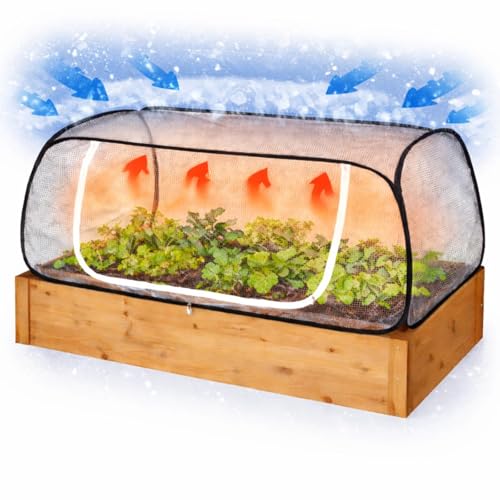
【PROFESSIONAL PLANT PROTECTION】 - Heavy-duty thermal insulation PVC cover + steel frame creates a protective greenhouse environment, blocking 100% pests (rabbits, deer) and harsh weather (frost, hail, heavy rain).
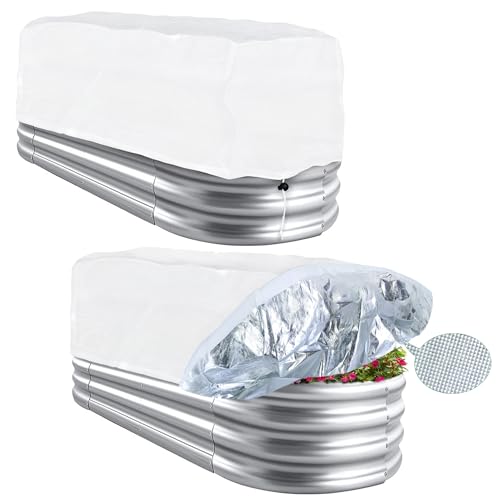
Plant Covers for Raised Garden Beds: You can receive 2 rectangular plant covers for winter outdoors, size of 55.1x27.6x17.7 inches, for covering 4x2x1 FT garden beds, planter boxes. Ideal for winter plant frost protection of vegetables, flowers, seedlings and crops. Please measure the size of your garden bed before purchasing.

【Non-Woven Plant Cover for Cold Weather Gardening】 Non-woven plant cover is designed for use during cold weather. This winter plant cover features a pop-up frame that unfolds over garden beds. The non-woven material is lightweight and flexible for easy placement.