

Homemade cleaning products with natural white vinegar are simply water-and-vinegar mixes that trade store-bought chemicals for a 5% acid solution already in your pantry.
Dilution is what matters: a 1:1 ratio cuts grease and kills foodborne bacteria, but the same strength etches granite and strips wood finishes if you skip the surface warnings.
One cup of straight vinegar left overnight in a toilet bowl dissolves mineral rings that scrubbing alone cannot touch.
What White Vinegar Actually Is

Distilled white vinegar is 5% acetic acid, and that percentage is what makes it useful around the house. The acid breaks down mineral deposits, cuts through grease, and kills common foodborne bacteria like E. coli and Salmonella.
It is not a hospital-grade disinfectant, but for everyday kitchen and bathroom grime, the 5% concentration handles most jobs without the skin and airway irritation that comes with stronger chemical cleaners.
Cleaning vinegar pushes the acidity to 6%, which translates to about 20% more strength against stubborn messes. Higher acid content makes cleaning vinegar unsuitable for cooking, so you will need a separate bottle if you still want vinegar for salad dressing.
For most renters and weekend cleaners, standard distilled white vinegar is the more practical choice: it is already in the pantry, it works on nearly every surface, and you do not have to track two bottles.
Apple cider vinegar carries more sugars and pigments that can leave residue or faint stains behind, and it costs more without adding any real cleaning benefit. I would skip it entirely for household use and save it for recipes.

5% ACIDITY: Clear distilled white vinegar with a clean, sharp taste

One 16-fluid-ounce bottle of Distilled White Vinegar

1. The Basic All-Purpose Mix
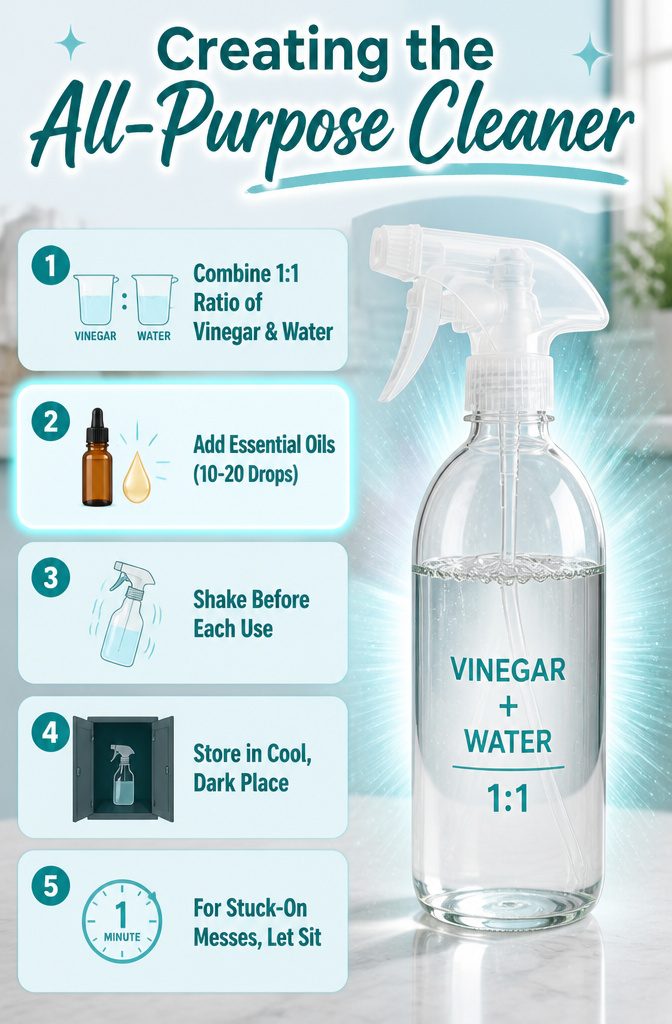
A 1:1 ratio of distilled white vinegar to water is the baseline that actually works. I fill a spray bottle halfway with vinegar, top it with water, and add 10 to 20 drops of essential oil if the smell bothers me.
Lemon, grapefruit, or a germ-fighter blend cover it best without turning the bottle into a perfume experiment.
Shake before each use. The oil separates, and half-separated cleaner leaves streaks on counters.
I make small batches, use them immediately, or store the bottle in a cool, dark place for one to two months. Beyond that, the acidity drops and you’re just spraying scented water.
Two ways to play the strength: equal parts vinegar and water for everyday grease and fingerprints, or shift to two parts water to one part vinegar if the smell lingers too long in a small apartment kitchen.
The weaker mix cuts less but won’t announce itself to guests. For stuck-on messes, the full 1:1 ratio wins; spray, let it sit one minute, then wipe.

Spray Nozzles: The adjustable nozzle allows 3 spray settings: mist, stream and off. The convenient and reliable squeeze trigger sprayer can meet all your needs.

【HDPE Eco-Friendly Material】Empty Spray Bottles for Cleaning Solutions are Manufactured With Strong HDPE, the BPA-Free Plastic Durable and Chemical Resistant. Cleaning Spray Bottle Unlike Glass, No Longer Need to Worry About the Bottle Shattering If It Accidentally Falls.

Chemical Resistant Heavy Duty Bottle & Sprayer - Our sprayers are made from durable, all-plastic materials with no metal parts, making them more corrosion-resistant. They are BPA-free and eco-friendly, safe for use with bleach, vinegar, rubbing alcohol, and more, and have been validated by countless consumers. They are perfect for both home use and commercial or industrial applications.
2. Window and Glass Cleaner

A 1:3 vinegar-to-water ratio is what I use on glass, and it is weaker than the all-purpose mix for good reason.
More water here means the solution evaporates slowly enough to wipe before it sets into streaks. Straight vinegar or a 1:1 mix dries too fast on a sunny window, leaving the haze you are trying to avoid.
Some people go as far as 3 tablespoons vinegar to a full quart of water, which is roughly the same dilution.
For especially grimy glass, a drop or two of dish soap helps cut the grease, though I skip it on mirrors where residue shows more than dirt does.
Cornstarch is another addition I have seen, but a simple water-and-vinegar mix with a microfiber cloth or newspaper does the job without extra ingredients to rinse away.
The real trick is the wipe, not the recipe. A dry cloth buffs out whatever the damp one leaves behind, and that second pass matters more than tweaking the ratio.

Clean surfaces quickly and easily-porcelain, hard water stains, pool tiles, flush toilets, barbecue grills, steel and stone.

Equipped with extended grip handle to keep your hands away from dirty water and grimy messes during cleaning. The handle fits naturally in your palm to bring a steady, comfortable cleaning experience without uncomfortable bending or direct contact with stains.
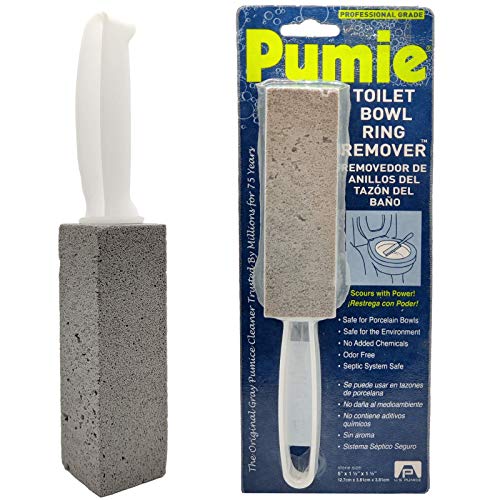
PACK OF 1 PUMIE SCOURING STICK – Includes one heavy-duty cleaning pumice stone designed for deep cleaning where ordinary products fail. Effectively removes limescale, mineral deposits, rust buildup, and baked-on grime, making it a must-have tool for tackling the toughest messes in kitchens, bathrooms, and utility spaces
3. Toilet Bowl Cleaner

For mineral buildup and stains that sit below the waterline, 1 cup of white vinegar poured straight into the bowl and left overnight does what an hour of scrubbing cannot.
The acid needs time to dissolve calcium and rust; force only scratches the porcelain while leaving the deposit intact. I let it sit from evening to morning, give the ring a quick pass with the brush, and flush.
The sources split on whether to add baking soda, and I skip it here. The fizz is satisfying, but the reaction neutralizes the acid you just paid for with contact time.
If the stain is stubborn, borax paired with vinegar and left overnight is the stronger play, though that crosses from pantry supplies into something you have to keep labeled. For a routine clean, plain vinegar wins on simplicity and cost.
This breaks down minerals, it does not disinfect. If someone in the house is ill, diluted bleach still has its place.
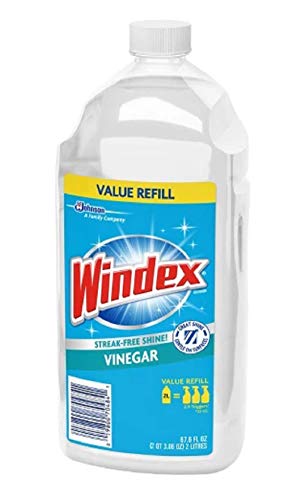
Johnson S C Inc Windex Vinegar Glass Cleaner

Amber Glass, UV Protection: The spray bottle is made from high-quality amber glass, which provides UV protection to preserve the contents from light degradation, making it ideal for essential oils, cleaning solutions, and more.

What You'll Get: One 23 oz spray bottle of Windex Ammonia Free Crystal Rain Glass and Window Cleaner
4. Mold and Mildew Remover

For light mold and mildew on bathroom grout or shower corners, a 1:4 ratio of white vinegar to water does the job without eating through your caulk.
Spray it on, let it sit for an hour, then scrub with a stiff brush and rinse. The acidity breaks down the surface growth well enough that I reach for this before anything harsher.
Heavier buildup needs more punch.
A paste of vinegar and baking soda, spread thick and left to dry, lifts stubborn patches that the spray alone won’t touch. The reaction between the two is brief, but the abrasive residue scrubs off what the initial fizz loosened.
Both methods work on hard, non-porous surfaces: tile, glass, sealed tubs. Porous materials like drywall or unsealed wood are a different story.
Once mold has sunk into those, surface cleaning just chases the visible part while the colony spreads behind it. I would call in remediation for anything covering more than a square foot, or any musty smell that persists after cleaning.
Vinegar saves you a service call on the small stuff, but it will not fix a moisture problem that has gone structural.

Aunt Fannie's All Purpose Vinegar Cleaning Spray: Our solution uses the power of vinegar & plant-based cleaners to tackle greasy & grimy messes on a variety of household surfaces; No rinsing required

Cleaning Vinegar Wipes for Everyday Messes: Contains 35 eucalyptus scented wipes for convenient clean up of household dirt & grime from the kitchen to the bathroom for a clean, fresh smelling home
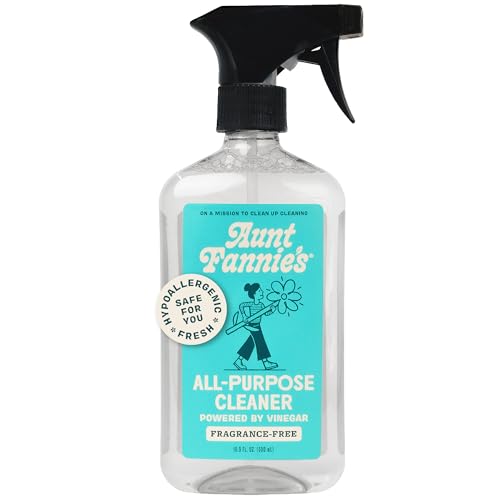
Aunt Fannie's All Purpose Vinegar Cleaning Spray: Our solution uses the power of vinegar & plant-based cleaners to tackle greasy & grimy messes on a variety of household surfaces; No rinsing required
5. Fruit and Vegetable Wash

A 1:3 ratio of white vinegar to water is the right strength for rinsing produce, which works out to roughly 25 percent vinegar and 75 percent water.
That level of acidity is enough to break down waxy surface residues and whatever else the grocery store left behind without tasting like a pickle barrel.
I fill a clean spray bottle with the mix, mist the vegetables or fruit, and let them sit for about thirty seconds.
The acid does the work; scrubbing with a brush is usually overkill and risks bruising soft tomatoes or berries.
After that soak, a thorough rinse under cold tap water matters more than the vinegar step itself. Lingering acid will keep working on flavor, and nobody wants strawberries that bite back.
Regular white vinegar at 5 percent acidity handles this fine.
Cleaning vinegar runs stronger at 6 percent, but I skip it here. The extra strength is unnecessary for produce, and the bottle in my kitchen already does both jobs.

Crystalino Essential Oil Infused Vinegar Gallon Bottle For Bulk Cleaning Application; Use Distilled Vinegar For Cleaning Purposes & Enjoy The Powerful Yet Soothing Cleaning Power Of Essential Oils

5% ACIDITY: Clear distilled white vinegar with a clean, sharp taste

MEGA VALUE PACK: Set of 4 large jugs containing 128 fluid ounces each, providing a total of 4 gallons of powerful cleaning vinegar
6. Stainless Steel and Dishwasher Cleaner

Full-strength white vinegar handles stainless steel differently than it handles the inside of a dishwasher, and the distinction matters because you want shine in one place and degunking in the other.
For stainless steel, undiluted vinegar cuts through the grease and water spots that dull a finish. I wipe it on with a soft cloth, follow the grain, and buff dry with a clean one.
The acid dissolves residue fast, but it also means this is a polish, not a soak. I would never let vinegar pool on the surface; prolonged contact risks pitting, especially on cheaper appliance grades.
For the dishwasher itself, the job is machine maintenance, not shine.
A cup of white vinegar set upright in the top rack, with no detergent in the dispenser, run through a normal cycle without heat dry, breaks down the hard-water scale and soap film that clog spray arms and dull glassware over time.
The diluted, heated vinegar circulates through the works; it does not sit concentrated on any one surface.
Two uses, one bottle, opposite approaches: full strength and immediate wipe-off for steel, measured dilution through a cycle for the machine.
I keep both in rotation quarterly, and skip the essential-oil scents some recipes suggest. The vinegar smell fades once dry, and oils carry their own complications without adding any real cleaning power.

Spray Bottle Size: 10oz (300ml) capacity, approx. 7 x 2.3 inches, perfectly designed to fit in your hand and large enough that you won't have to fill it as often.
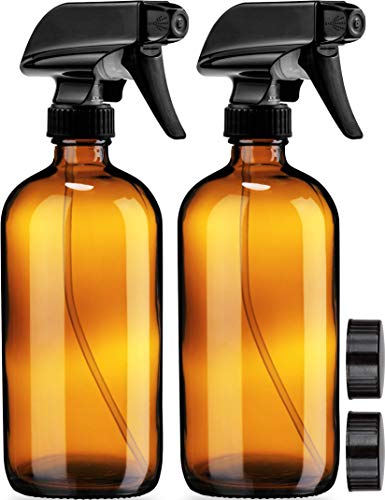
UV protection - heavy duty protection against degradation from ultraviolet light and keeps your essential oils safe plus the glass is not affected by strong oils like citrus.

COMPLETE SPRAY BOTTLE SET: This 2-piece set includes 16.9oz/500ml plastic spray bottles with an extra spray nozzle, a funnel, and 2 caps for convenient use and replacement
7. Laundry Softener

Half a cup of white vinegar in the rinse cycle replaces fabric softener with no extra rinse needed.
The acetic acid dissolves the alkaline detergent residue that leaves towels feeling stiff and scratchy over time. That same residue is what traps body oils and that musty smell in gym clothes, so vinegar pulls double duty as a deodorizer.
I worried about the smell at first too. The vinegar scent hangs around while the load is wet, but it evaporates completely as the fabrics dry; what you are left with is nothing, which is the point.
Fabric softeners coat fibers with oils and perfumes to mask residue rather than remove it, and that buildup fades absorbency in dish towels and wicking in workout gear. Vinegar strips it back to the fiber itself.
For a standard top-loader, pour it into the fabric softener dispenser or straight into the rinse water when the cycle shifts.
A front-loader with a dedicated softener compartment handles the timing for you. I skip it on delicates that I air-dry indoors; the vinegar smell lingers longer without the heat and tumbling of a dryer to finish the job.

EFFECTIVE STAIN REMOVAL: Pumice stone cleaner tackles tough hard water rings, rust, and mineral stains inside toilet bowls.

What You'll Get: Five tablets of scrubbing Bubbles Toilet Bowl Tablets
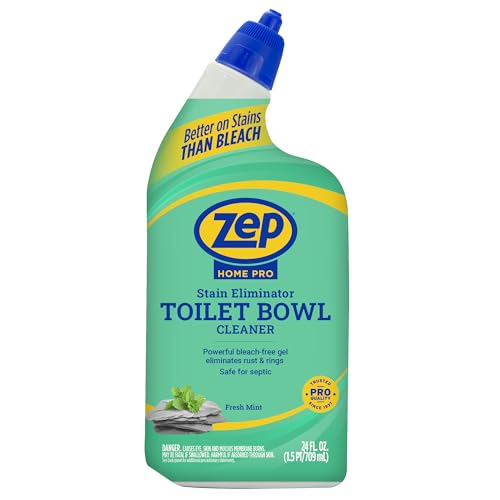
POWERFUL FORMULA: Professional-strength toilet bowl cleaner that effectively dissolves tough limescale and rust stains
Surfaces to Avoid

White vinegar’s acidity makes it a poor match for anything calcium-based or finish-coated. The acetic acid reacts with calcium carbonate in stone, leaving microscopic pits that dull the surface over time.
It also degrades protective layers on wood and rubber. I keep it away from these entirely:
- Granite, marble, travertine, slate, soapstone, and other natural stone — the acid etches the calcium carbonate structure, stripping polish and creating permanent dull spots that no amount of sealing fixes
- Hardwood floors and unfinished wood furniture — vinegar eats through enamel finishes and causes warping; even dilute solutions degrade the protective layer that keeps wood stable
- Waxed or coated furniture and surfaces — the acid dissolves wax and synthetic coatings, leaving streaky patches where protection is gone
- Coffee makers, blenders, and appliances with rubber seals or low-quality metal parts — acetic acid corrodes rubber gaskets and certain metals, leading to leaks or part failure; check your manufacturer’s manual before trying any vinegar-based cleaner inside
- Cast iron and aluminum — repeated contact strips seasoning from cast iron and pits aluminum surfaces
- Tech devices and screens — the liquid and acidity risk both the anti-glare coating and internal components
A quick test spot in a hidden corner is the only safe way to experiment outside this list. I spray, let it sit a minute to loosen grime, then wipe immediately; longer contact time means more damage risk.


STREAK-FREE WINDOW WASHING: Remove tough dirt and grime with this professional window washing solution that leaves no streaks, foam, film, or residue. A little soap goes a long way with your cleaning tasks around the home.

What You'll Get: One 23 oz spray bottle of Windex Vinegar Streak-Free Shine Glass Surface Cleaner
Essential Oils and Citrus Infusions

Vinegar’s smell is the main reason people hesitate to use it, which is where 10–20 drops of essential oil in a 16-ounce batch makes the difference.
Lemon, grapefruit, or a germ-fighter blend are the ones I’d reach for; they add a scent you actually want and carry mild antimicrobial properties, though no homemade spray gets lab-grade disinfection. Shake before each use, since oil floats and separates.
Citrus-infused vinegar is the slower but stronger-smelling alternative.
Steep orange, lemon, or grapefruit peels in white vinegar for 1–2 weeks, then strain. The result is a cleaner that already smells like something you’d buy, no essential oils required.
I keep a jar going on the counter whenever citrus season hits, and the leftover liquid works at the same 1:4 vinegar-to-water ratio as the basic mix.

Mrs. Meyer's Baking Soda Cream Cleaner removes soap scum and grease build-up to make your kitchen sparkle

Aunt Fannie's All Purpose Vinegar Cleaning Spray: Our solution uses the power of vinegar & plant-based cleaners to tackle greasy & grimy messes on a variety of household surfaces; No rinsing required

Aunt Fannie's All Purpose Vinegar Cleaning Spray: Our solution uses the power of vinegar & plant-based cleaners to tackle greasy & grimy messes on a variety of household surfaces; No rinsing required
Storage and Shelf Life

Homemade vinegar cleaners last about one to two months when you keep them in a cool, dark cupboard.
Light and warmth speed up any breakdown in the solution, so a pantry shelf away from the stove or window works better than under the sink.
Glass bottles are what I would pick for storage.
A set of two glass spray bottles runs roughly $20, and they hold up through years of refilling. PET plastic is the next best option if glass feels risky around kids or tile floors.
I would skip standard plastic spray bottles: the acidity in vinegar can degrade them over time, and that leaching is the last thing you want in a cleaner you mixed yourself to avoid mystery ingredients.
Label every bottle with the date and what is inside. A simple strip of masking tape and a marker does the job, though a label maker keeps it neat if you already own one.
Without that date, you are left guessing whether a bottle is two weeks old or pushing three months, and making your own loses its main advantage: knowing exactly what you are using.
Frequently Asked Questions
What vinegar is best for cleaning?
Distilled white vinegar at 5% acidity is the best choice for most household jobs.
It is already in most pantries, works on nearly every surface, and does not cost extra. Cleaning vinegar at 6% is 20% stronger against stubborn messes, but it cannot be used for cooking, so you would need a second bottle.
Can I use vinegar on granite?
No. The acetic acid in vinegar reacts with calcium carbonate in natural stone, including granite, marble, travertine, slate, and soapstone.
Over time it etches microscopic pits that strip polish and create permanent dull spots no amount of sealing fixes. Use plain soap and water instead.
How do I make a homemade all-purpose cleaner?
Mix equal parts distilled white vinegar and water in a spray bottle. Add 10 to 20 drops of essential oil if the smell bothers you, and shake before each use because the oil separates.
For everyday grease and fingerprints, the 1:1 ratio works; shift to 2 parts water to 1 part vinegar if the smell lingers too long in a small space.
How can I make my own white vinegar cleaner?
Fill a spray bottle halfway with distilled white vinegar and top it with water for the basic all-purpose mix.
Adjust the ratio to match the job: 1:3 vinegar to water for glass, 1:4 for mold and mildew on grout, or full strength for mineral buildup in toilets left overnight.
What is the best DIY all-purpose cleaner that works on everything?
No single cleaner works on everything, but a 1:1 vinegar-to-water mix comes closest for everyday surfaces.
It cuts grease, breaks down mineral deposits, and kills common foodborne bacteria. The surfaces to avoid are natural stone, unfinished wood, waxed or coated furniture, cast iron, aluminum, and tech screens.
How to make pure magic cleaner?
There is no standard recipe by this name.
If you mean a strong all-purpose vinegar cleaner, use equal parts distilled white vinegar and water with 10 to 20 drops of essential oil. For a citrus-infused version, steep lemon, orange, or grapefruit peels in white vinegar for 1 to 2 weeks, then strain.
What can I mix with white vinegar for cleaning?
Water is the base for every mix. Essential oils mask the smell.
For glass, add a drop of dish soap to cut grease. For stubborn mold, make a paste with baking soda; the abrasive residue scrubs off what the fizz loosened.
For produce, stick to water only at a 1:3 ratio. Never mix vinegar with bleach, ammonia, or hydrogen peroxide.