
I keep my bath warm by sealing the bathroom first. Closing the door and blocking drafts traps heat right where I need it. I pre-heat the tub with hot water for a minute, then fill it warmer than I want. A layer of bubble foam on top acts like a blanket, and I cover my legs with a towel when I’m not fully under. I choose acrylic tubs when possible, as they hold heat better than steel. If I need more warmth, I drain a few inches and top up with hot water. Heated basalt stones also provide additional warmth. Below, I will detail how to execute each step.
Close Your Bathroom to Keep Bath Heat From Escaping
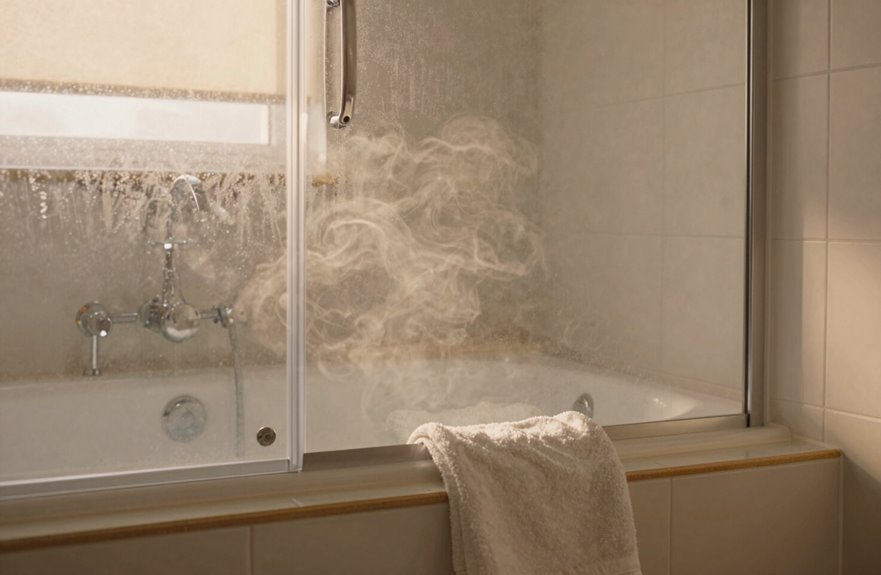
When I’m ready to settle into a warm bath, I make sure my bathroom is sealed up tight first. I close the bathroom door completely to trap steam and warmth right where I need it. This simple step cuts down on heat loss and keeps me cozy longer.
Sealing up my bathroom tight before a bath traps steam and warmth exactly where I need it, cutting heat loss and keeping me cozy longer.
I also use a draught excluder at the bottom of my door. It blocks cold air from sneaking in while I’m soaking. Together, these tricks create a warmer microclimate around my tub.
Quick Tips for Better Insulation:
- Shut windows firmly before filling the tub.
- Add a draught excluder if you feel chilly air creeping under the door.
- Consider double glazing or underfloor heating for extra insulation.
A sealed bathroom allows for more relaxing soaks without constantly adding hot water. You’ll notice the difference immediately.

Spacious Oval Soaking Experience for 1‑2 Persons:This modern freestanding soaking bathtub measures 59"L ×31.5"W ×23.5"H with large 67‑gallon water capacity. The roomy oval interior delivers full‑body immersion for single relaxation or comfortable soaking for two people. Its freestanding layout supports flexible placement and fits most contemporary‑style bathroom remodels.
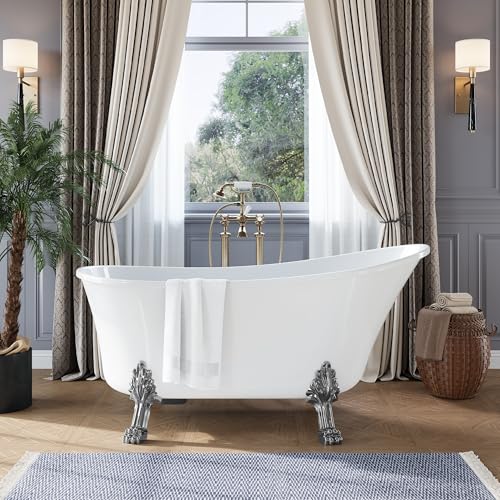
【Ergonically Designed for Deep Relaxation】Experience ultimate comfort with our 59" double-walled acrylic bathtub, contoured to support your back and neck. The elevated design allows for a full-body immersion, transforming your bathroom into a personal spa retreat for stress relief and relaxation.

Small Space-Saving Design — Big Comfort in Compact Spaces Measuring just 55.12" L x 28.35" W, this freestanding tub is specifically designed for smaller bathrooms, apartments, and powder rooms where standard 60"+ tubs won't fit. Despite its compact footprint, the 15-inch soaking depth delivers a fully immersive bathing experience, while the ergonomic sloped back provides comfortable support for long, relaxing soaks.
Pre-Heat Your Bath to Stop Heat Loss to Cold Surfaces
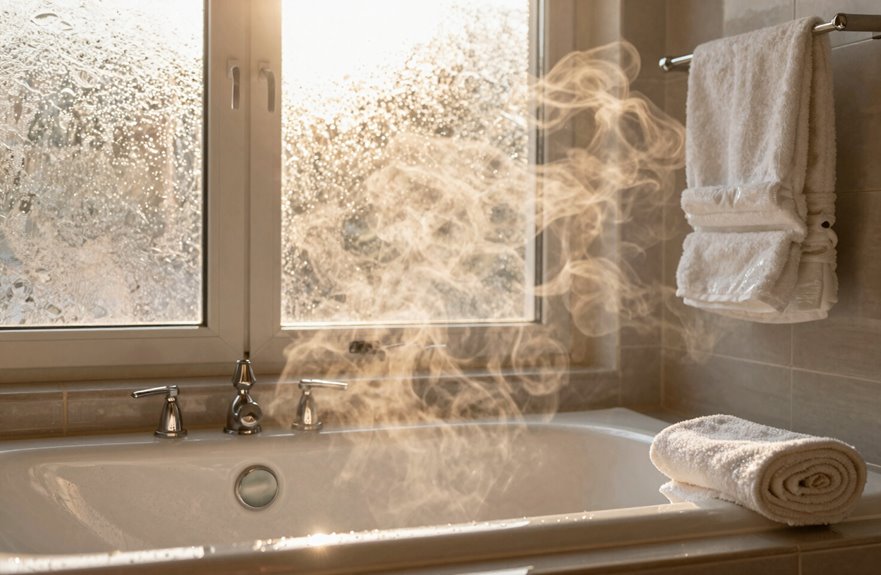
Before I settle into my bath, I run hot water for a quick blast to warm up the tub itself. This step significantly improves how long my soak remains comfortable.

Duck Brand insulating foam pipe stick covers are great for insulating both hot and cold water pipes

Size - Foam Tubing Dimensions - 1inch/25mm inner dia, 1-23/32"OD/43mm outer dia, 1.8m(6ft) total length,Working temperature is -40°C to 80°C(-40°F to 176°F)

Product Size: Foam Tubing Dimensions - 1inch/25mm inner dia, 1.8m(6ft) total length,Working temperature is-20-100(-20°F to 176°F); Color: Black;
Why Tub Preheating Works
Cold surfaces quickly absorb heat. When I skip preheating, my bathwater loses warmth immediately to the chilly tub walls. This heat loss can be easily prevented.

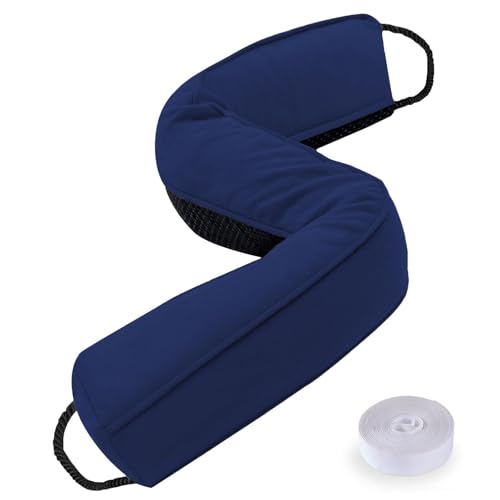
ALL-SEASON DRAFT BLOCKER & ENERGY SAVER: Keep your room warm with Sunolga weighted door draft stopper. It tightly blocks freezing winter drafts, and its functional design helps reduce the workload on your heating and air conditioning system year-round

BLOCK DRAFTS EFFECTIVELY - High-quality door draft stopper made from industry-grade silicone with exceptionally strong adhesive. Our door sweep for the bottom of doors puts an end to all draft problems, cold air, and dust (for exterior doors and indoors). Size: 2” H x 39” L
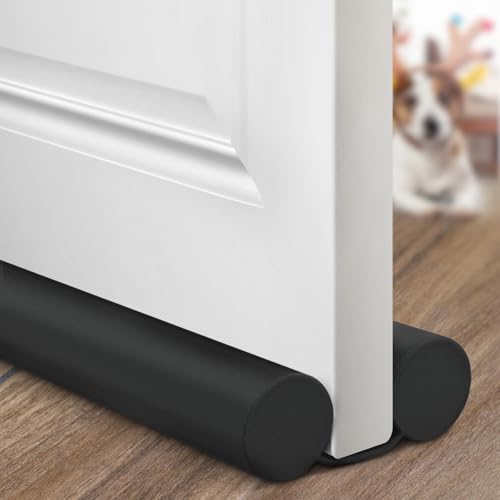
Easy to install: Adjustable size for most homes; Please measure the gap and width of the door before purchasing and keep the door clean to ensure our draft stopper works as intended
How to Pre-Heat Your Bath
- Run hot water for 30-60 seconds before filling.
- Swirl it around to coat all surfaces.
- Drain and refill with water hotter than my target temperature.
This method is particularly effective with acrylic or steel tubs, which draw heat away rapidly when cold. Pre-warming the tub helps keep my water cozy longer, reducing the need for constant refills. A small habit can lead to a more enjoyable bathing experience.

【All-in-One Bathtub Tray & Cover】This multi-purpose bath accessory functions as both a dust-proof tub cover and a sturdy bath tray. It creates a clean surface to hold your book, tablet, cellphone, or a glass of wine, transforming your bathtub into a personal relaxation station. The flat surface also serves as a safe tub topper to keep curious pets away from water.

-Efficient Energy Savings: This spa cover reduces water evaporation and significantly decreases your energy and water bills, ensuring a more sustainable hot tub experience.

Energy-Saving and Eco-friendly:The waterproof hot tub cover is made of 170G top polyethylene material, providing excellent thermal insulation that helps reduce heat loss, save energy, and minimize your electricity bill, making it an eco-friendly option for your hot tub.
Use Bubble Bath Foam as a Surface Insulation Barrier
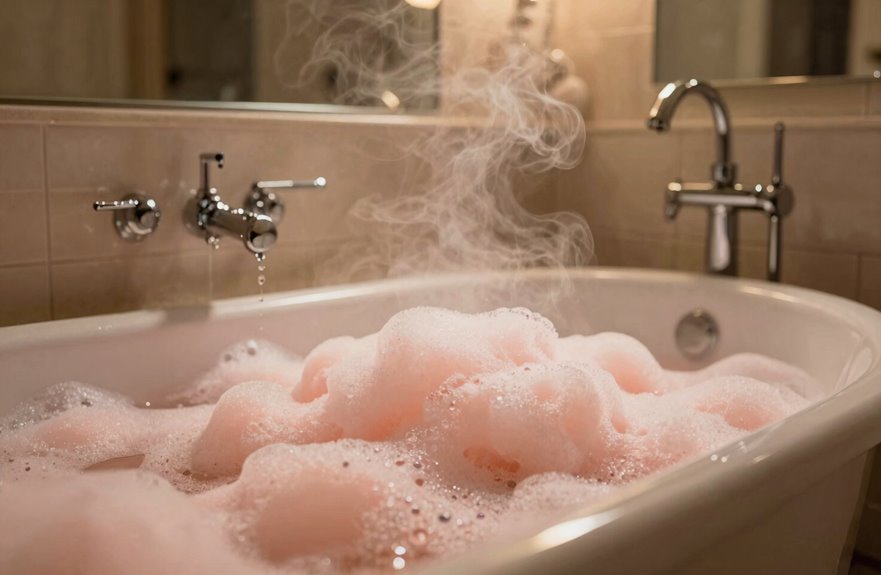
Once the tub itself is warm, I focus on keeping the water from cooling too quickly.
How Bubble Bath Foam Helps
I’ve found that bubble bath foam creates a simple surface insulation layer that works effectively. The foam barrier sits right on top of the water, trapping warmth where it is needed most.
Why It Works
- The bubbles form a continuous cover that slows heat loss to the air.
- More bubbles mean better heat retention overall.
- The foam layer also reduces evaporation, which can decrease warmth.
Making It Work for You
I pour in my favorite scented foam while the water is running. The moisturizing kinds feel great on my skin and still provide insulation. It keeps the water warm, enhances skin softness, and ensures comfort for a longer duration. No complicated steps are required.

Natural Material: made of natural basalt stones; this stone has great heat retention, give your body a comfortable SPA.

LARGE MASSAGE STONES SET: There are 2 pieces large stones 7*9*3.2cm, suit for the back, arm , leg massager. you will get a relax from the mind and the body, keep your health and beauty.

Stones are a standard size and a standard shape, which can be more convenient for some therapists to work with
Cover Your Bath When Not Fully Submerged
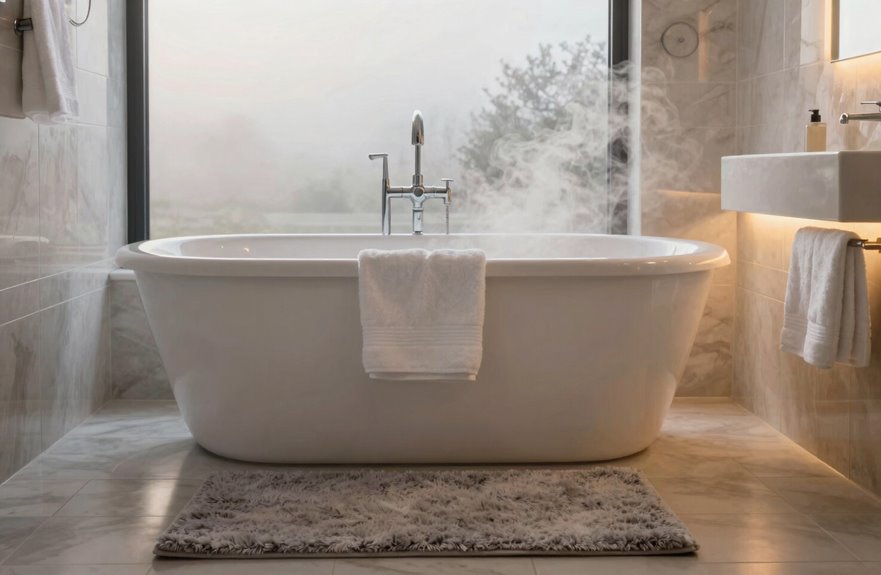
Why let warmth escape while you’re sitting up to read or relax? Using a bath cover significantly improves heat retention when you’re not fully submerged.
A bath cover limits evaporation, which is a major way your tub loses warmth. I use a simple wooden or plastic cover that rests easily over half the tub. This allows me to keep my legs warm while I sit up, and the cover traps steam and warm air for natural insulation.
Here’s how I do it:
1. Position the cover over your lower half
Slide it on when you sit up to read or scroll. You’ll feel the warmth stay put.
2. Keep it handy between soaks
When I step out briefly, I drape the cover back on. It maintains the temperature without any fuss.
Using a bath cover is simple, safe, and effective for longer, cozier baths.

Leak-Proof Sealed Drain System: Features an integrated sealed overflow and drain design that prevents leaks better than traditional exposed drains. This ensures a worry-free installation and protects your bathroom floors from future water damage.
【Ergonically Designed for Deep Relaxation】Experience ultimate comfort with our double-walled acrylic bathtub, contoured to support your back and neck. The elevated design allows for a full-body immersion, transforming your bathroom into a personal spa retreat for stress relief and relaxation.

【Ergonically Designed for Deep Relaxation】Experience ultimate comfort with our 67" double-walled acrylic bathtub, contoured to support your back and neck. The elevated design allows for a full-body immersion, transforming your bathroom into a personal spa retreat for stress relief and relaxation.
Pick Acrylic Over Steel for Built-In Heat Retention
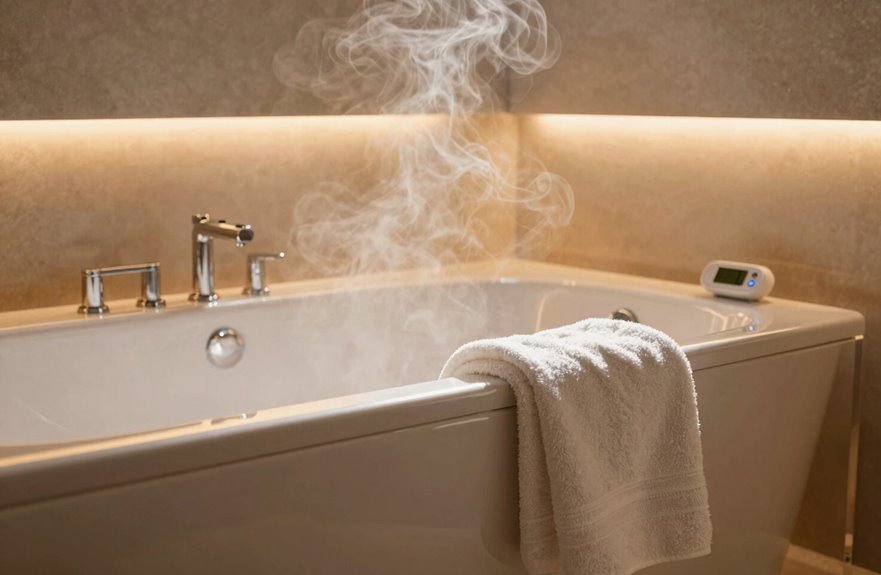
I chose acrylic for my tub because it retains heat much longer than steel. The material acts like a blanket, keeping warmth where you want it instead of allowing it to escape into cold metal. If you’re selecting a new bathtub, this choice significantly affects how long your soak remains comfortable.

Product Size: 1"Inch(25mm)inner dia, 3/8 Inch (9mm) Tube Thickness, 6Ft(1.8m) total length

Parameters - This black foam pipe has an inside diameter of 2-3/8 inches (60mm), an outside diameter of 3 inches (78mm), and an overall length of 6 feet (1.8m). It is designed for pipes up to 2-3/8 inches (fits pipes with an outside diameter of 2"-2.38").

This grip will work on handles and pipes up to 1" in diameter.
Material Thermal Properties
Why I Choose Acrylic
- Better insulation. Acrylic naturally traps heat inside your bath, so you aren’t constantly adding hot water.
- Warmer surface temperature. When I touch my acrylic tub, it doesn’t feel cold like steel does. This means less heat gets pulled away from your body.
- Built-in heat retention. Thicker acrylic walls work like a thermos, keeping warmth where you want it.
- Smart design. Many acrylic tubs use reinforced materials that enhance warmth even further.
Since switching, I’ve noticed my baths stay pleasant longer without wasting energy. You can enjoy the same comfort.
Insulation Comparison
When I was shopping for my new tub, I had to decide between acrylic and steel. I did my homework, and this choice really impacts how cozy the experience will be.
Why Acrylic Wins
Acrylic insulation outperforms steel. Steel pulls heat away quickly, leaving you uncomfortable. Acrylic helps maintain your bath water temperature for a longer period.
Here’s what I learned in my insulation comparison:
- Acrylic stays warmer to the touch. There’s no cold shock when you lean back.
- Heat retention is built right in. The material itself traps warmth.
- Slower temperature drops. You won’t need constant top-ups.
High-grade acrylic or gel-coat composites work even better than basic options. Your material choice influences everything about your soak.
Choosing acrylic means more time relaxing and less time worrying about hot water. You’ll feel comfortable in that warm, inviting tub.
Drain and Refill: The Energy-Smart Bath Top-Up Method
Why let all that water go lukewarm when I can easily warm it back up? I’ve discovered a simple trick that keeps my bath cozy while conserving resources.
Why let bathwater go lukewarm when you can easily warm it back up? A simple trick keeps things cozy while conserving resources.
Here’s how I boost my bath temperature with energy efficiency in mind:
- I drain about 2–3 inches of tepid water first, then add a quick hot water top-up instead of running the tap constantly.
- I check the new temperature with my hand or a thermometer to avoid scalding, which is especially important if I have reduced sensation.
- I repeat this refill method periodically rather than keeping hot water flowing nonstop.
This approach saves water and maintains warmth without the guilt of excess usage. It’s a small habit that helps me make informed choices, ensuring my bath stays comfortably warm from start to finish.

👼【ONE SIDE DOOR DRAFT BLOCKER】— SYIPO Under Door Draft Stopper is made from top quality styrofoam & abrasion resistant fabric. Total height is 3.5". Jumbo 1.2-inch diameter foam tubes are perfect for blocking extra-large gaps under your door. Fits door up to 37”. We will protect your home against the elements, taking the brunt of rain, snow, dust, and other weather-related factors.

[Save Energy and Money] : In winter and summer, door draft stopper prevent the leakage of air conditioning and heating, weather stripping door seal make your room more efficient in cooling or heating
SUMMER COOLING & ENERGY SAVER: Effectively maintain a refreshing indoor climate by retaining cool AC air and blocking outside heat seepage. Our functional design helps reduce the workload on your air conditioning system
Add Heat-Retaining Stones for Slow Warmth Release
I add basalt hot stones to my bath because they keep the water warm for a longer time without needing to run more hot water. Choose stones that are smooth, dense, and large enough to retain heat—fist-sized or larger work well. I heat mine in the oven at 200°F for about 30 minutes, then use tongs and oven mitts to avoid burns when placing them in the tub.

【𝙎𝙪𝙥𝙚𝙧𝙞𝙤𝙧 𝙁𝙧𝙚𝙚𝙯𝙚 𝙋𝙧𝙤𝙩𝙚𝙘𝙩𝙞𝙤𝙣】 These outdoor faucet covers are made from high-quality waterproof and insulating materials like 420D Oxford fabric and special PP insulated cotton. These outside faucet covers effectively prevent rainwater from entering and keep the faucet dry and warm, protecting it from freezing and bursting.

Reliable Material: The insulated hot tub cover is made of 420D heavy-duty Oxford cloth and thickened cotton insulation layer and aluminum foil layer, which is waterproof, UV resistant, tear resistant. High quality materials and excellent craftsmanship ensure good insulation effect and longer service life, providing long-term protection for your hot tub.

Versatile fit: suitable for different foot shapes, these toe protectors are designed to accommodate a variety of sizes and types,ice barrel bathtub cover,cold plunge cover
Stone Selection Criteria
Choosing the right stone can significantly enhance your bath experience by improving heat retention. Here are some key points to consider when selecting stones:
- Choose basalt stones for the best heat retention, as their high density stores warmth and releases it slowly.
- Look for smooth, seasoned surfaces to avoid scratching your tub and ensure even heat distribution.
- Select stones that are small enough to handle safely, yet large enough to retain meaningful warmth.
Preheating your stones properly is essential before adding them to the water. Heating them in an oven first allows the stored warmth to transfer effectively into your bath, creating a cozy environment without hassle.
Safe Heating Methods
How can you safely add warmth to your bath without constantly running hot water? I use basalt hot stones for heat retention, and they’ve become my favorite trick.
Start by preheating the tub surfaces with hot water before draining and refilling. This keeps the walls warm so heat doesn’t escape as quickly.
Here’s my simple process:
- Heat your stones – Warm basalt hot stones in a pot of water on the stove, or use a stone heater if you have one.
- Add them carefully – Drop stones in after filling your bath. They’ll release warmth slowly, extending your soak.
- Follow safety precautions – Always use tongs or heat-resistant gloves. I’ve learned this through experience, and you want to avoid burned fingers.
Combine this with a bath cover, and you’ll stay cozy longer without wasting water.