
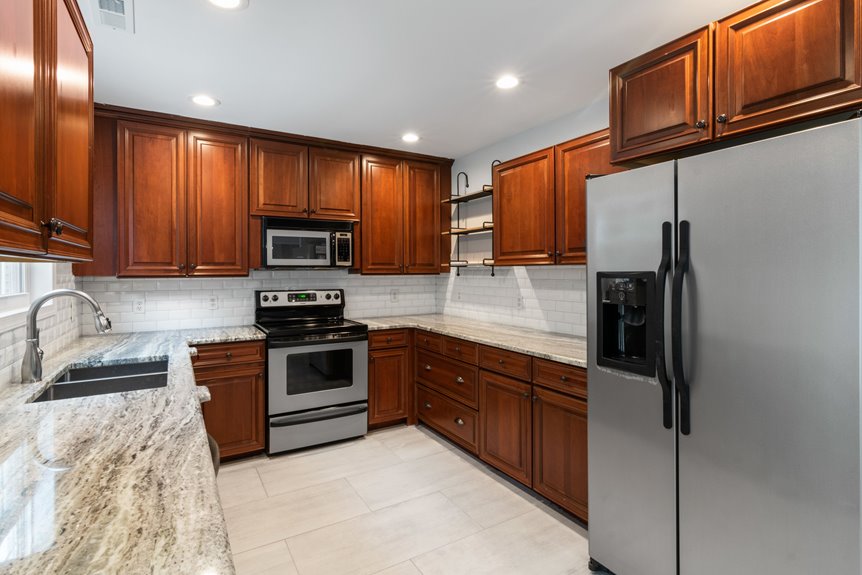
A typical kitchen remodel takes anywhere from six weeks to five months, depending on the scope of work. If I’m just swapping cabinets and adding a backsplash, the timeline is a few weeks. However, if I’m moving walls, rewiring, and replumbing, that timeline can extend significantly.
I always allocate an additional two to four weeks for planning and permits.
I also order appliances and cabinets early to account for potential back-orders.
There are many details to manage to keep everything on track.
How Long Does a Typical Kitchen Remodel Take?
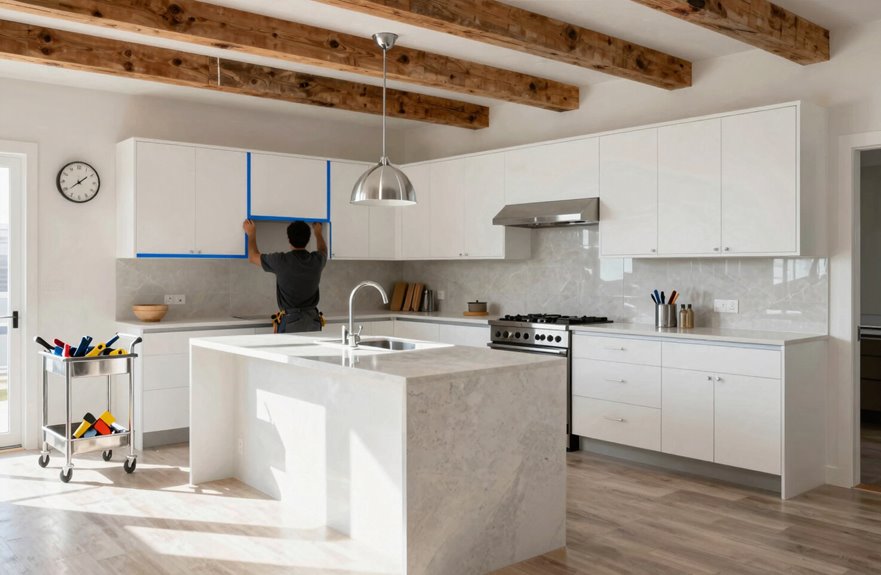
How long should you expect your kitchen remodel to take?
For most, timeline estimates start with the basics. A typical kitchen remodel takes about 6 to 12 weeks of active construction. This doesn’t include planning and design, which adds another 2 to 4 weeks.
A typical kitchen remodel takes 6 to 12 weeks of active construction, plus 2 to 4 weeks for planning and design.
Here’s what shapes your schedule:
Your project type matters
- Cosmetic updates (new cabinets, backsplash, no layout changes): just a few weeks
- Standard renovation (same footprint, upgraded features): 6–12 weeks of construction
- Footprint change (moving walls, plumbing, electrical): longer timelines
Staying on track
Regular updates with your contractor and early coordination with trades are essential. Small hiccups happen, but good communication helps your kitchen remodel progress smoothly without unnecessary delays.
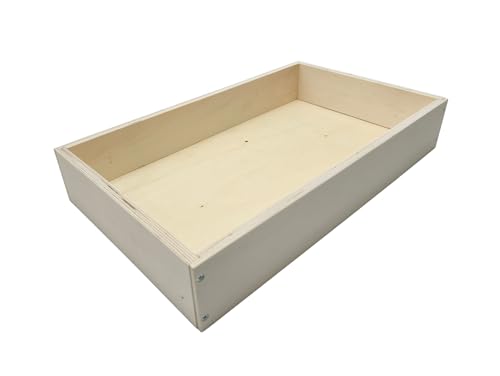
【What You Get】 – 19" deep replacement kitchen drawer box made of durable plywood, designed for cabinets with 19–21" drawer slide depth. Ships unassembled with pre-cut panels and pre-drilled holes for fast setup. Screws included. Assembly typically takes about 5 minutes.
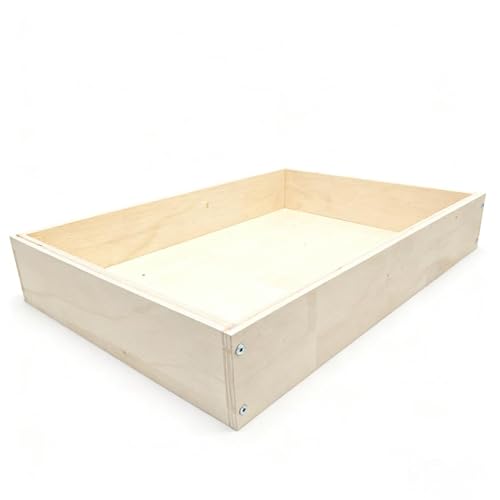
【What You Get】 – 14"W x 19"D x 3 1/2"H replacement kitchen drawer box made of durable plywood. Thickness of side panel: 1/2 inch (12mm). Ships unassembled, but all panels are pre-cut with pre-drilled holes for quick setup. Screws are included. Assembly is straightforward and takes about 5 minutes.

What Extends a Kitchen Remodel to 3–5 Months?
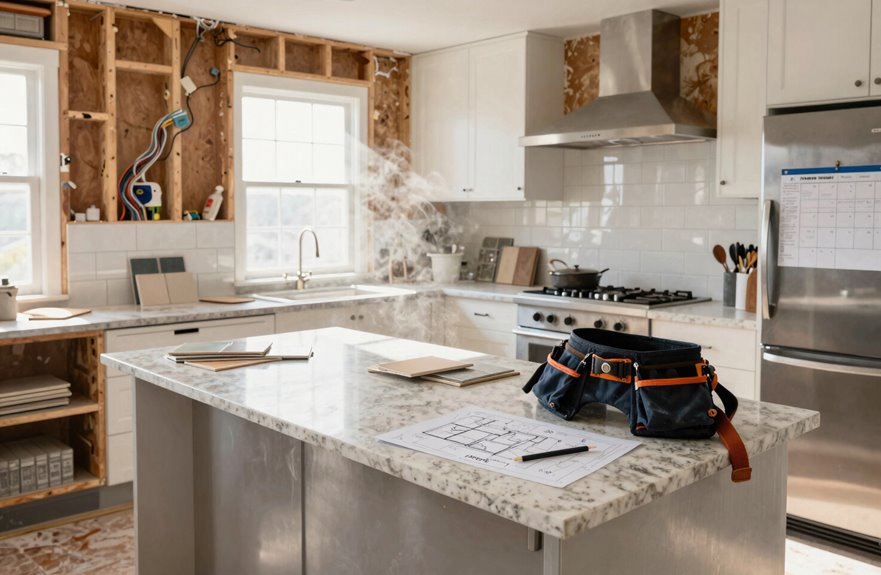
While a standard kitchen remodel wraps up in 6 to 12 weeks, some projects extend to 3 to 5 months. This can happen when the planning phase takes longer than expected or when permitting encounters unexpected delays.
Factors that typically add extra weeks include:
- Planning and design: Detailed layouts and selections can add 2 to 4 weeks upfront.
- Permitting delays: City approvals for plumbing or electrical work are not instant.
- Lead times: Custom cabinets and back-ordered appliances can test your patience.
- Trades coordination: Coordinating electricians, plumbers, and installers takes time.
- Material delays and scope changes: Supply shortages or mid-project adjustments can push timelines further.
These factors are part of the process of creating a kitchen that you will enjoy for years to come.

𝐏𝐫𝐞𝐦𝐢𝐮𝐦 𝐏𝐞𝐫𝐟𝐨𝐫𝐦𝐚𝐧𝐜𝐞: Our peel and stick wall tiles are designed with high-performance PVC polymer material, offering waterproof, heat-resistant, stain-resistant, anti-scratch, and fadeless properties. Rest assured, the super-strong adhesive ensures the tiles stay securely in place!

What You Get:10 sheets thicker self-adhesive wall tiles,12" x 12" each tile, total covers around 10 square feet area.

𝐏𝐫𝐞𝐦𝐢𝐮𝐦 𝐏𝐞𝐫𝐟𝐨𝐫𝐦𝐚𝐧𝐜𝐞: Our peel and stick wall tiles are designed with high-performance PVC polymer material, offering waterproof, heat-resistant, stain-resistant, anti-scratch, and fadeless properties. Rest assured, the super-strong adhesive ensures the tiles stay securely in place!
Can You Finish a Kitchen Remodel in Just a Few Weeks?
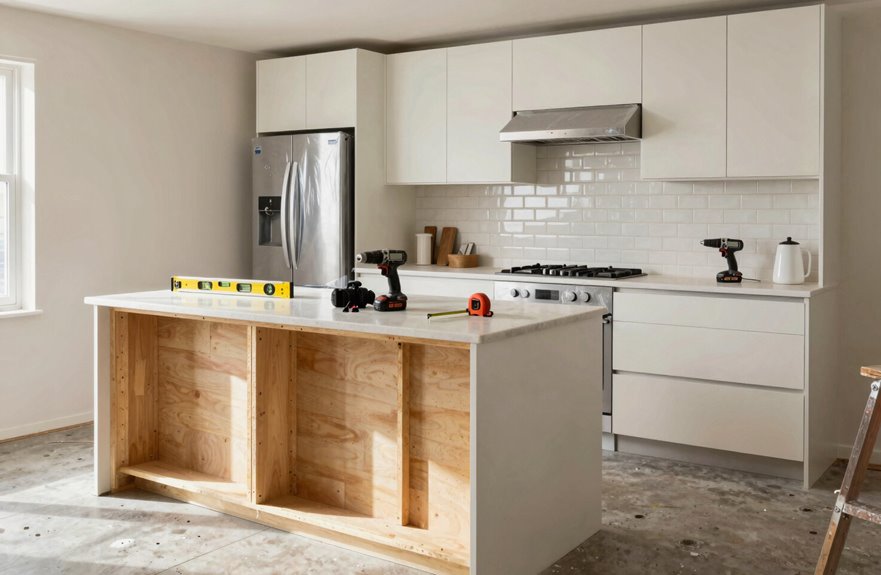
I know you’re probably hoping for a quick turnaround. Cosmetic updates like painting cabinets or swapping hardware can realistically wrap up in a few weeks. However, anything involving plumbing, electrical work, or layout changes requires more time. You’ll need to weigh what you’re willing to compromise: speed means skipping the big transformations, while a full renovation demands patience through permits, material orders, and multiple trades. Let me break down what’s actually possible so you can set expectations that align with your goals and budget.

Universal Compatibility: This kitchen sink plumbing kit comes with all tubualr parts that removes the guesswork from any repair task or modification. Plumbing parts are easy to use for homeowners and pros,the kitchen sink drain repair kit can be installed to be P trap kit , S trap drain kit, end outlet waste, center outlet waste,washing machine traps to fits most sink drains with 1 1/2" drain pipes, no matter you need connect to the wall or floor

UNIVERSAL INSTALLATION: Our complete kitchen sink drain repair kit includes several replacement pipes and fittings to fit most sinks with drainage that connects to the wall or to the floor.

Cosmetic Updates Only
Why rush a full gut job when a cosmetic refresh might be just what you need? Cosmetic updates can transform your kitchen in just a few weeks, not months.
Here’s what makes this timeline possible:
- New cabinets, countertops, and backsplashes without floor plan changes
- Planning and coordination with trades keeps things moving smoothly
- Ordering materials early prevents frustrating delays
- Clear design decisions from day one protect your schedule
- Final finishes and installation typically wrap up within 2 to 4 weeks
You’ll join countless homeowners who have discovered that smart planning is more effective than rushing. While full remodels can take 3 to 5 months, your cosmetic project remains streamlined. Regular check-ins with your team ensure everyone stays aligned, keeping your kitchen goals within reach—no stress, no endless waiting, just results you can enjoy soon.
Major Renovation Realities
Cosmetic updates work well for some kitchens, but sometimes you need more than a surface-level refresh. When moving walls or reworking plumbing, you’re looking at a major renovation, which requires significant time.
You can’t finish a major renovation in just a few weeks. Here’s what you’re actually facing:
| Phase | Typical Timeline |
|---|---|
| Planning & design | 2–4 weeks |
| Permitting | 2–6 weeks |
| Ordering materials | 4–8 weeks |
| Active construction | 8–12 weeks |
| Finishing touches | 1–2 weeks |
The active construction phase alone lasts two to three months. Add planning, permitting, and ordering before any construction begins. Scheduling delays can arise from back-ordered cabinets or busy inspectors. Coordination among trades is essential; if your electrician and plumber can’t align, you’ll experience further delays. Most major renovations typically take 3 to 5 months in total. This timeframe is common in the renovation process.
Timeline Trade-Offs
How fast can you really finish your kitchen? A few weeks is possible with the right approach. Simple updates like new cabinets or countertops, without changing your floor plan, can wrap up in a weekend to a few weeks. Here’s what I’ve discovered about making it work:
- Start planning early so you’re ready to move when the time comes.
- Secure permits before demo day to avoid idle time.
- Check material lead times for cabinets and appliances upfront.
- Lock in reliable subcontractors who won’t leave you hanging.
- Build a tight scheduling plan with your contractor.
Full remodels stretch longer because permits, custom orders, and subcontractor delays add up. Smart scheduling can keep projects on the shorter end. For a quick turnaround, focus on what is realistic for your scope.
Why Does the Planning Phase Add 2–4 Weeks Minimum?

Where does that extra time actually go when you’re itching to start tearing things out? The planning phase isn’t busywork; it’s essential for maintaining your timeline.
The planning phase isn’t busywork; it’s the foundation that keeps your renovation timeline intact.
Here’s where those 2–4 weeks disappear:
1. Drawings and approvals
Your contractor needs detailed plans before anyone lifts a hammer. I wait for architects to finish and then chase down permits. In regulated buildings, this step takes longer than expected.
2. Measuring and coordinating
I schedule multiple site visits. Precise space measurements are crucial, especially when working in NYC kitchens with strict rules.
3. Finalizing choices
Locking in layouts, cabinet styles, and materials early prevents costly surprises later. Changing your mind during construction leads to delays and additional expenses.
Solid planning now helps avoid issues when demolition finally starts.

Compact Retrofit Design: This led light engine features a 7.4" PCB with a 8.39" overall size, rated for damp locations like bathrooms, and fits ceiling fan light replacement across ceiling flush, pendant, lantern and garden fixtures


When Should You Order Kitchen Appliances and Cabinets?
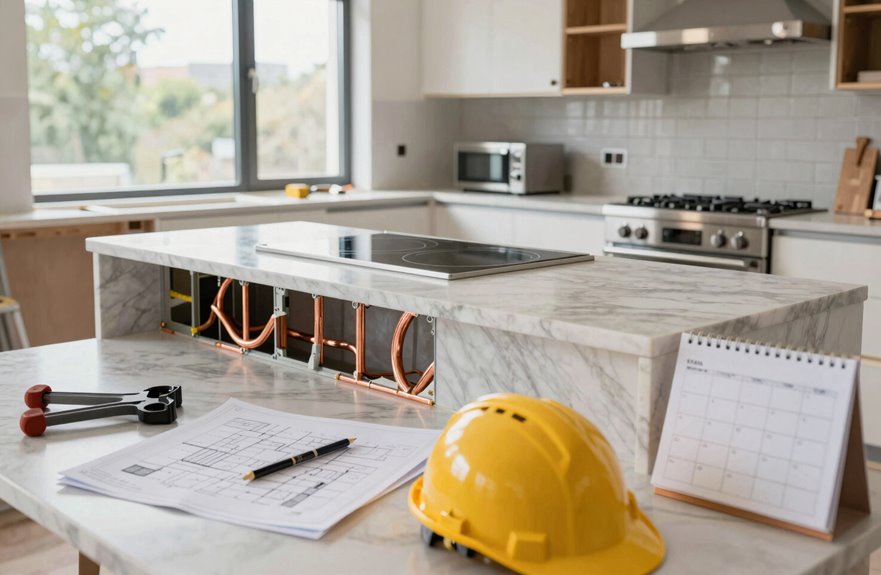
Why wait until the last minute? I start ordering appliances and cabinets early because lead times can stretch for months, and we’re in this together to avoid stress.
Here is what I focus on:
- Check lead times for appliances before finalizing any layout.
- Order custom cabinets 8–12 weeks ahead since they take the longest.
- Schedule delivery coordination so everything arrives when needed.
- Plan installation sequencing with countertops and templating.
- Confirm orders quickly after approving 3D drawings.
I also order windows, tiles, and finishes alongside my cabinets and appliances. This prevents gaps where crews wait around. When I nail the timing, my kitchen comes together smoothly. Starting early means fewer surprises for everyone involved.
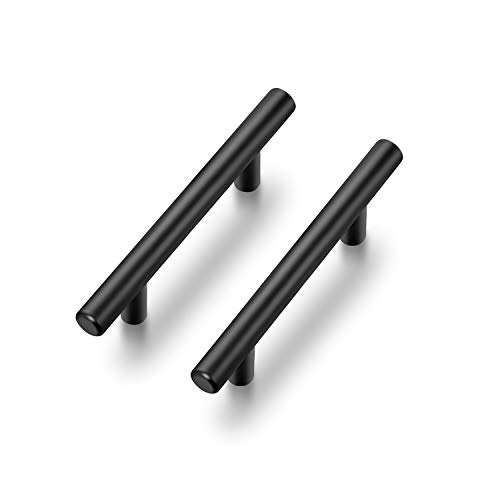
365-Day Evaluation: We believe you'll find value in your Ravinte handles. Use them for a full year, and if they don't meet your needs, we're here to help

Measurements: 3 inch Center to Center with 5 in Overall Length..Please measure your cabinet HOLE CENTERS is 3in before you purchase cabinet handles.
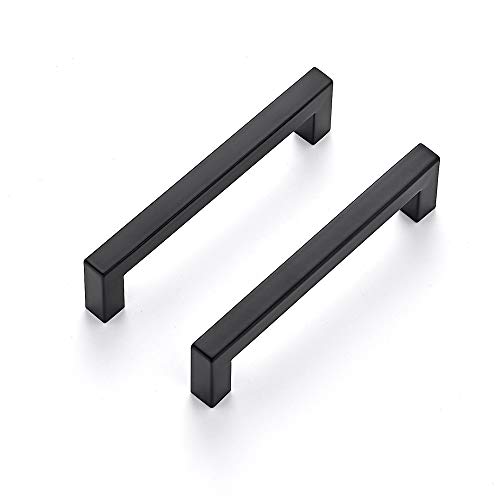
365-Day Evaluation: We believe you'll find value in your Ravinte handles. Use them for a full year, and if they don't meet your needs, we're here to help
Why Do Layout Changes Slow Everything Down?
Moving a sink or shifting an island can throw your entire timeline off track. Layout changes create a domino effect that is difficult to manage.
When you relocate plumbing or electrical systems, you are not just moving pipes and wires. You are initiating new permits, inspections, and waiting for specialists who may be booked weeks in advance. A sink shift requires reworking water lines and drainage, which can delay drywall installation for several days.
Cabinets also face disruption. New dimensions necessitate fresh measurements, revised shop drawings, and longer lead times for custom pieces. Timelines can stretch from six weeks to three months if appliances no longer fit standard openings.
The real issue arises from delays among tradespeople. Each specialist must wait for the previous one to finish, and one reschedule can affect everyone. Staying with the original layout can save months of time.

Cabinet Knobs size: Each drawer knobs measures approximately 1.2inch/30mm in diameter and 0.92inch/23.4mm in height; The length of the small screw is about 0.98in/25mm. The length of the large screw is about 1.57in/40mm.

【What You Get】 – 19" deep replacement kitchen drawer box made of durable plywood, designed for cabinets with 19–21" drawer slide depth. Ships unassembled with pre-cut panels and pre-drilled holes for fast setup. Screws included. Assembly typically takes about 5 minutes.

What Local Factors Delay Kitchen Remodels?
Local issues can extend a kitchen remodel well beyond its original finish date. Labor shortages often leave you waiting weeks for an available electrician or plumber. Back-ordered cabinets and delayed shipments from regional suppliers can create frustrating gaps in the work schedule. Additionally, permit approvals vary in speed depending on your city, and rushing this paperwork typically does not expedite the process.

2-3 Times Thickness: Much thicker than ordinary peel & stick tile, 2mm-2.5mm each, durable and solid tile, unlike soft sticker tiles

Premium Performance: Our peel and stick wall tiles are designed with high-performance PVC polymer material, offering waterproof, heat-resistant, stain-resistant, anti-scratch, and fadeless properties. Rest assured, the super-strong adhesive ensures the tiles stay securely in place!

【Sophisticated Marble Design】:Transform your space with these peel and stick wall tiles featuring a sophisticated marble-inspired design (not real marble tiles). Perfect for enhancing washroom walls, kitchen backsplashes, or accent walls, these tiles deliver a high-end look without the high cost.(Not suitable for use on floors and in high humidity shower rooms.)
Labor Shortages Impact
Where you live can significantly affect how long your kitchen remodel takes, especially when local workers are hard to find. Labor shortages can turn simple projects into waiting games, and many people share this frustration.
Local delays often include:
- Trades like electricians and plumbers booking out for weeks, which extends your timeline
- Backlogs that leave you waiting for qualified help to become available
- Scheduling challenges when everyone is vying for the same subcontractors
- Permits taking longer to process when inspectors are overwhelmed by demand
- Your contractor managing gaps between demolition, rough-in, and finishing crews
Weather and busy seasons can exacerbate these issues. It’s advisable to plan for extra time, stay flexible, and build relationships with reliable professionals. Patience can help keep your project on track.
Material Availability Delays
Even the best-planned kitchen remodel can experience delays when materials do not arrive on time.
Why Materials Go Missing
Material availability affects everyone. Back-orders can derail projects, with cabinets sometimes sitting in warehouses for weeks. Custom countertops and imported tiles can stretch delivery lead times, adding as much as a month to your wait.
Common Culprits
- Cabinets – custom builds take 8-12 weeks
- Appliances – popular models sell out quickly
- Specialty finishes – limited production runs
What You Can Do
Order early. Check stock before demo day. Build buffer time into every schedule.
Local Realities
Your neighborhood influences delivery times. Coastal areas may wait longer for imports, while rural locations often have fewer supplier options. Peak season can exacerbate delays.
Stay connected with your suppliers. Regular updates help identify problems before they escalate.
Permit Approval Timelines
Why do some kitchen remodels stall before a single cabinet gets touched? Permit-related delays can derail your timeline before demolition even starts.
Here’s what slows things down:
- NYC permits for plumbing, electrical, or wall moves need DOB approval.
- Board approvals in co-ops and condos add extra waiting weeks.
- Landmark rules create extra regulatory delays you cannot skip.
- Structural changes or footprint additions extend approval timelines.
- Building renovation hours and logistics restrict when work happens.
In New York, planning and permits take 4 to 8 weeks. Starting paperwork early helps prevent postponements. Across any city, these permit-related delays remain a significant risk. Coordinate with your designer and contractor upfront to keep your project moving effectively.
How Do You Protect Your Timeline From Common Delays?
How can you keep your kitchen remodel on track when various factors can cause delays? Protecting your timeline starts with smart planning.
1. Plan for the unexpected
I always build in schedule buffers because lead times for cabinets and appliances can stretch for weeks. I also check subcontractor availability early, since good crews book up fast.
2. Stay connected
Regular updates with my contractor ensure everyone is on the same page. Early coordination between trades prevents scheduling conflicts that waste days.
3. Protect your budget
I set aside 10–20% for contingencies. When surprises occur, I’m prepared instead of scrambling.
4. Order ahead
I start appliance and material orders immediately. Mid-project changes require layout rewrites and can lead to significant delays.
These steps keep me in control and help foster confidence throughout the process.

One-stop Installation and Great Time Saver: The 1-1/2" sink trap kit is designed for easy installation , which includes all the needed parts and sink drain pipes to install or repair your kitchen sink drain, you don't have to spend much time fumbling around in the store, plumbing department trying to find the right thing,making it a user-friendly solution for all your kitchen sink drainage worries.

FLEXIBLE SINK TRAP:This flexible P trap includes a expandable J bend ,which is made of flexible material and corrugated stretch design, It can be bent and stretched at will in a narrow sink space , the length,height and installation direction can be adjusted easily, not only can be used for regular connect the regular kitchen sink drain , but also great for constrained space and odd installations.
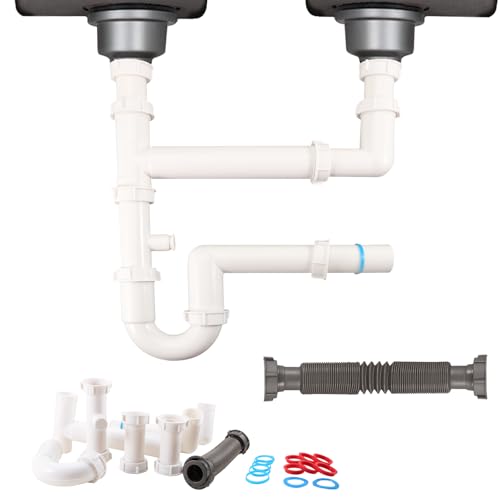
【Complete Installation Kit】The sink drainage kit includes: 2 short straight pipes; 1 tee pipe; 2 L-tubes; 1 overflow tee; 1 U-tube; 1 double-ended telescopic tube; 5 cone pads; and 8 O-ring pads.Easy DIY installation; please contact us if you have any questions.
Does Hiring a Contractor Save More Time Than DIY?
Once you have your timeline protections in place, the next significant question is who should do the work. This choice can shape entire projects, depending on your schedule and comfort level.
Here’s what I’ve learned about contractor versus DIY timelines:
- Contractors handle permits faster, cutting through red tape that stalls DIY projects.
- DIY works for quick cosmetic updates, but progress slows during full construction phases.
- Limited availability stretches DIY timelines across months of weekend work.
- A contractor’s coordination keeps electricians, plumbers, and installers moving without gaps.
- Complex layouts require professional scheduling to avoid costly delays.
For many balancing jobs and family, a contractor’s 6–12 week construction schedule provides more certainty than the unpredictability of DIY. You can reclaim evenings and weekends while experienced hands manage the heavy lifting.
How Much Budget Buffer Prevents Timeline Delays?
What happens when your dream countertop is suddenly out of stock, or a pipe bursts behind the wall? A solid contingency keeps your timeline on track when surprises arise.

Sturdy & Robust Cabinet Knob: Our silver cabinet handle is made of stainless steel. The sturdy drawer knobs will not easily scratch or fade off, which is long-lasting for decorating cabinets

Value Pack – 105 PCS Included Get more for your project with 105 breakaway cabinet handle screws, providing extra replacements compared with standard 100-pack sets. Perfect for home renovation, cabinet installation, and hardware replacement.

Probrico brushed nickel handles are made of Solid zinc alloy. 48hr salt spray tested. Scratch-resistant. Engineered for lasting resilience & modern elegance. Trusted hardware precision.
Why Your Budget Needs Breathing Room
I always build in 10–20% extra. This cushion covers:
- Back-ordered materials – That perfect tile might take six extra weeks.
- Hidden problems – Old pipes or wiring you couldn’t see.
- Rush decisions – Quick fixes without panic.
Material lead times are unpredictable right now. Without a contingency, you’re stuck waiting or settling for second choice. I’ve seen friends face delays because they couldn’t afford faster shipping or alternate products.
A realistic budget from day one prevents mid-project changes that stretch your timeline. When you’re prepared, you finish on schedule rather than scrambling for solutions.
Where Should You Set Up a Temporary Kitchen?
Where will you make your morning coffee when your kitchen is under renovation? A smart temporary kitchen layout helps maintain your daily routine while the main work is underway.
Here are the essentials I always include in my setup:
- A mini fridge and microwave near a water source
- Counter space for prep and dining
- Storage bins for dishes, utensils, and pantry items
- Easy access to trash and recycling
- Good lighting for evening meals
I position mine away from demolition zones and active plumbing or electrical work. This minimizes exposure to dust, noise, and safety hazards. I also coordinate my temporary kitchen timeline with cabinet delivery dates to avoid dealing with both chaos and new boxes at the same time. You’ll appreciate having real meals instead of relying on takeout for weeks.
What If Your Materials Get Back-Ordered?
Why does one missing item bring everything to a halt? Back-ordered appliances, cabinets, or tiles can stop your kitchen remodel. I’ve seen it happen, and I know how frustrating it feels.
One missing back-ordered item can bring your entire kitchen remodel to a grinding, frustrating halt.
Here’s how I protect my timeline:
Order early. Custom cabinets need 8–12 weeks. Imported tiles take even longer. I check lead times before I sign anything.
Stay connected. I ask my contractor for weekly updates on order statuses. This helps me spot delays before they disrupt my schedule.
Build flexibility. I add 10–20% extra time for contingencies. When materials run late, I have some breathing room.
Adjust smartly. When back-orders occur, I re-sequence work. Painters can finish another room while we wait.
Delays happen to all of us. By following these steps, you can keep your project on track and reduce stress.