
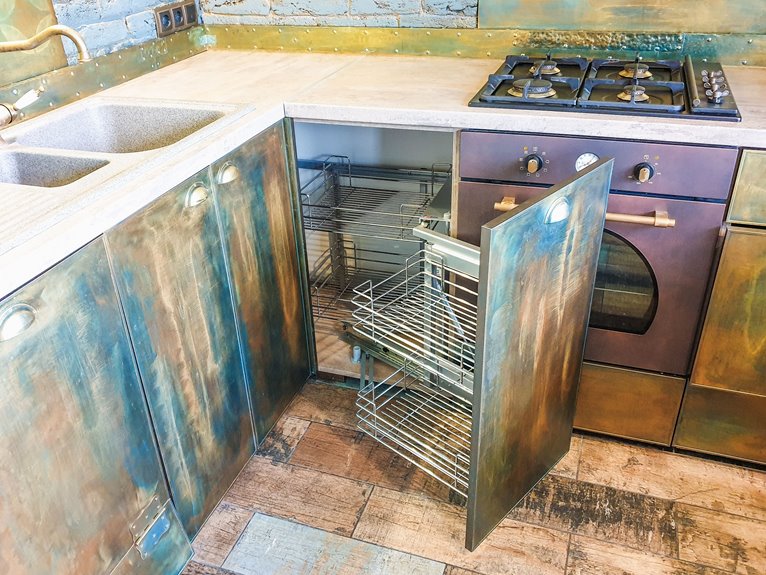
Cabinet refacing involves replacing your doors and drawer fronts with new ones, adding fresh veneer to the boxes, and updating hardware. This process results in a completely new look that lasts 15 to 20 years. In contrast, refinishing simply involves painting or staining your existing doors, maintaining the same style while costing less. This method lasts 8 to 15 years, but more wear may be evident over time.
Refacing is most effective when your cabinet boxes are solid but outdated. Refinishing is suitable for wood cabinets in good condition that only require a color change. Your budget, timeline, and how long you plan to stay in your home will help determine the best option for you. There are additional factors to consider as you evaluate each choice.
What Refacing and Refinishing Actually Change About Your Cabinets
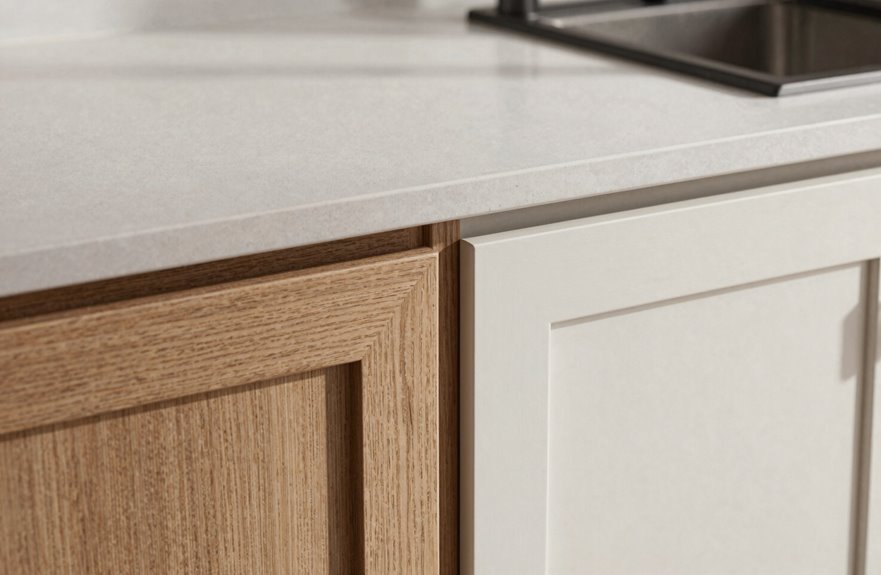
How do you know which cabinet update is right for your kitchen? Let’s explore what actually changes with each option.
Refacing: The Big Style Shift
With refacing, I swap out my doors and drawer fronts entirely. I add veneer to exposed sides and panels, and I install new hardware for a fresh, modern feel. The cabinet boxes remain unchanged, but everything visible transforms. This offers significant design flexibility; I can choose new door styles, colors, and finishes that completely reinvent my space.
Refacing transforms everything visible—new doors, veneer, hardware—while keeping your cabinet boxes intact, offering complete design flexibility to reinvent your space.
Refinishing: The Color Refresh
In refinishing, I retain my existing cabinet surfaces. I strip the old finish and apply new paint or stain. The door styles remain the same; only the color or finish changes. This option is budget-friendly and has a lighter installation impact, making it ideal when my cabinet boxes are structurally sound.

MEASUREMENTS: Measurements are EXACT. This replacement raised panel kitchen cabinet door measures 24-inches Wide, 12-inches high, and 3/4-inches thick


Which Cabinets Qualify for Refacing vs. Refinishing
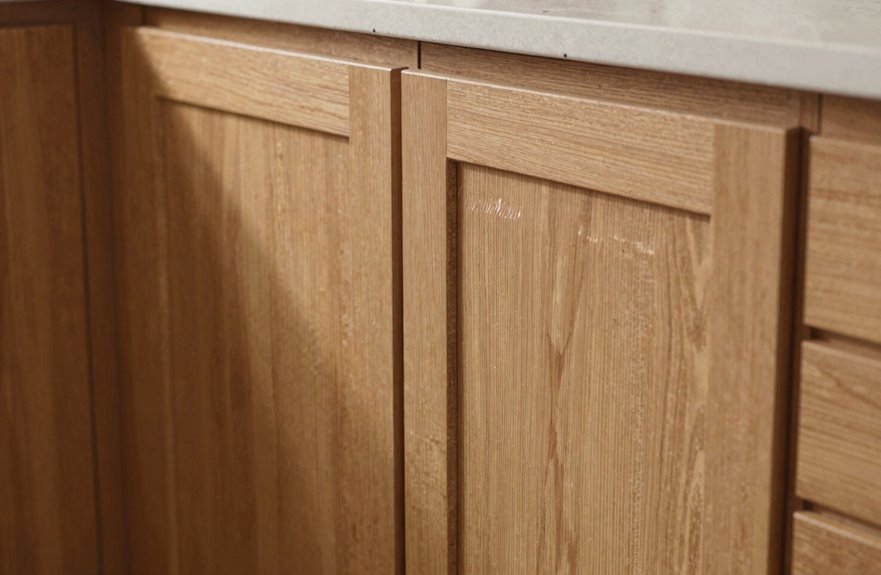
Now that I understand what each option changes, I need to determine if my cabinets can handle the update I want. Material suitability and project scope depend entirely on what I’m working with.
- Refacing works when cabinet boxes are structurally sound; doors and drawer fronts look tired, so I can swap those out for a fresh style.
- Refinishing fits wood cabinets in good shape, where I just want a new color without altering the design.
- Laminate or thermofoil existing cabinetry usually can’t take refinishing, so refacing is the better option.
- Damaged or warped doors mean neither option works, and full replacement will be necessary.
Evaluating my existing cabinetry helps ensure I start a project that can be completed successfully.

✪【Red-brown wood grain contact paper looks great】 Wood grain furniture stickers has the 3D visual effect of natural wood, simple and stylish,Can easily decorate countertops, cover cabinets,door and closets,renovate various furniture, make your love home a new look.

Material: Walnut contact paper is made of high quality vinyl, waterproof, oil resistant, durable and easy to clean.

Premium Material & Roll Size: This gray oak contact paper is made of high quality thicken eco-friendly vinyl film with strong adhesion, durable, waterproof, oil-proof, heat resistant, moisture-proof, no easy to tear and can be used for a long time. Easy to clean, just need a damp cloth to wipe. Roll size is 15.74" wide by 118" long, covers 12.9 square feet each vinyl wall paper roll
How Much Visual Transformation Each Method Delivers
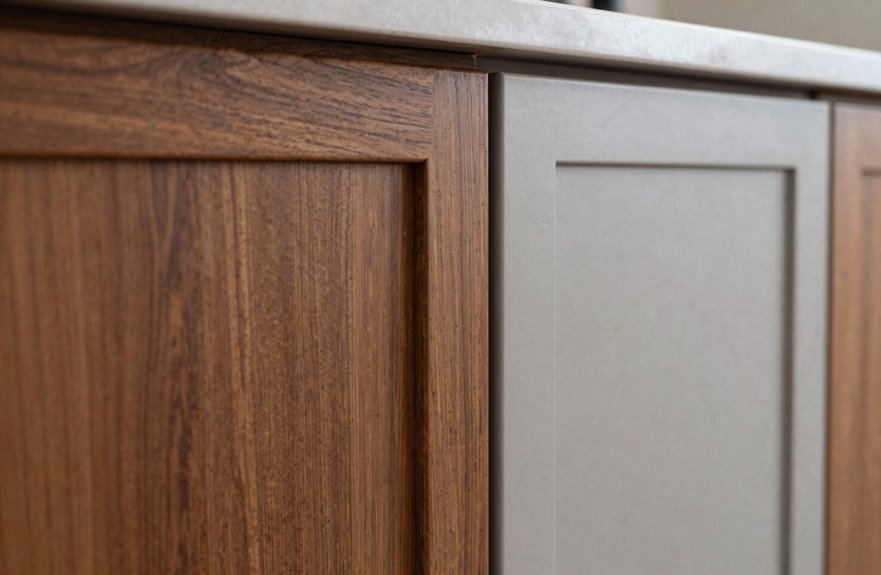
What kind of change am I really hoping to see when I open my kitchen door each morning? That question shapes everything.
1. Refacing provides the most significant visual transformation.
This method involves new doors and drawer fronts, along with veneers that completely reshape the look. The color options are extensive, and the design customization allows me to choose between modern shaker styles or sleek slab designs. It offers a chance for that showroom-like update I’ve been envisioning.
2. Refinishing simplifies the process.
This approach changes the color or finish, but maintains the current door design. The door style limitations mean I can’t transition from traditional to contemporary; I am simply refreshing what I already have.
3. Resurfacing offers a middle ground.
With resurfacing, I receive new coverings and a refreshed look, while the existing structure remains intact.
For me, refacing is the best choice when I seek a truly new appearance.

100% Solid Wood: Constructed of high-quality Maple wood, this cabinet door is strong and durable, and the surface is smooth and easy to clean

Measurements are exact. Please ensure that you measure your existing cabinet doors. Refer to our video above on the proper way to measure cabinet doors
Precision Measurement: Ensure that the 11W x 18H dimensions match your existing cabinet openings to avoid fitting issues
Refacing vs. Refinishing: Cost and Timeline Compared
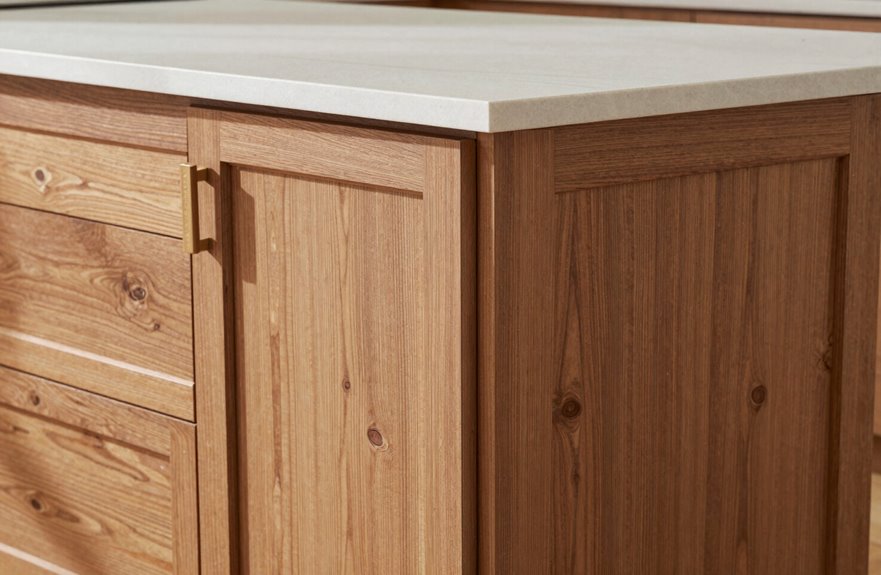
I know you’re probably wondering which option fits your budget and schedule best, so let’s break down what you can expect to spend and how long each project takes. Refinishing typically costs less and takes about 3 to 7 days to complete, while refacing is more expensive—about 70 to 80% of a full replacement—and finishes faster, around 3 to 5 days. When considering long-term value, refacing lasts 15 to 20 years compared to refinishing’s 5 to 7 years; therefore, your initial choice significantly influences your long-term investment.

Quantity & Accessories: Each hinge comes with four 15.5mm mounting screws. For easy installation, a installation instructions specifically designed for these cabinet door hinges is also included

【Durable Material】Pegs for shelves made of high quality zinc alloy and polished nickel,good quality and durable for long using life,surface is smooth without metal burrs,can meet your daily shelving needs.

✅ 135° Concealed Hinge for Corner Kitchen Cabinet.
Price Point Breakdown
When you’re looking to give your kitchen a fresh look without overspending, it’s important to know the costs involved. Let’s break down the numbers so you can find what fits your budget.
- Refinishing costs average around $2,908, which is suitable for budget-focused homeowners seeking quick results.
- Refacing costs increase to approximately $7,116, placing this option in the mid-to-upper mid-range tier.
- Pricing ranges are significant: refinishing remains narrow and predictable, while refacing varies from $4,264 to $9,971 depending on materials.
- Compare your costs by weighing project scope against your budget—both options are viable, but one may resonate more with your style.
The timeline and installation duration are fairly similar between both options, though downtimes can differ based on complexity. Choose what aligns best with your current lifestyle.
Project Duration Comparison
How long will your kitchen be out of commission? Let’s break down the project timeline so you can plan your life around these cabinet updates.
Refinishing Duration
Refinishing keeps your existing doors and boxes, so you’re looking at 3 to 7 days. The surface preparation, including sanding, painting, and staining, adds time, plus drying periods. This option takes the longest, but it is more efficient than a full replacement.
Resurfacing Duration
Resurfacing falls in the middle at 2 to 5 days. This method involves covering existing surfaces with new material, which is quicker than starting from scratch.
Refacing Duration
Refacing takes 3 to 5 days. This process involves swapping doors and fronts and applying veneers. Although it requires skilled labor and materials, the downtime remains minimal with little odor.
Choose the option that fits your timeline, and you will be back in your kitchen soon.
Value Over Time
Why should you care about what happens five years from now? Your kitchen deserves a choice that grows with you, not one you’ll regret.
Feel confident about where your money goes. Here’s how these options stack up over time:
- Refacing durability provides 15–20 years with factory-finished materials that resist daily wear.
- Long-term update means new doors and hardware on your existing cabinet boxes; no tear-out needed.
- Cost vs value offers a strong return at 70–80% of full cabinet replacement comparison prices.
- Refinishing frequency requires redoing every 5–7 years, while lifespan and design impact favor refacing for lasting appeal.
Your kitchen should welcome everyone home. Make a wise choice, and you’ll enjoy it for years to come.
Which Upgrade Withstands Daily Wear Better
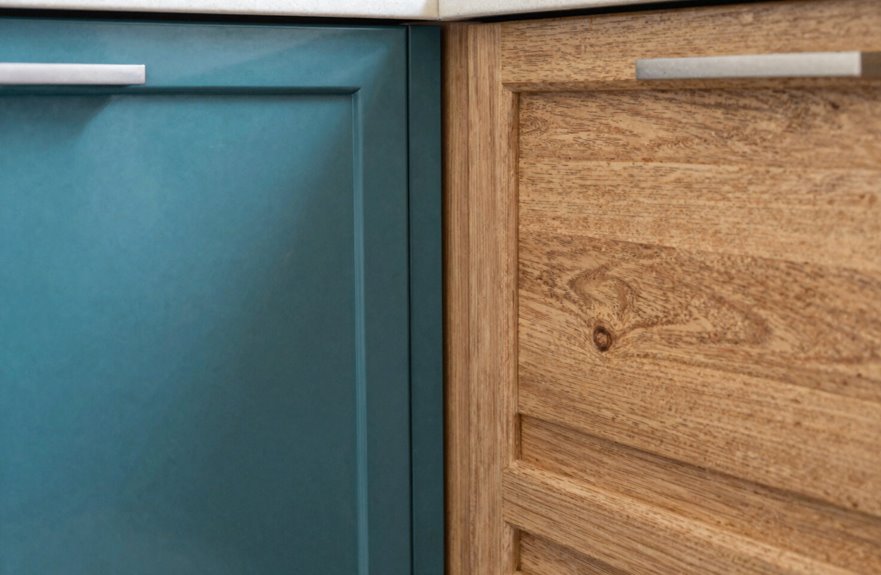
I want you to know how long each option really lasts when you’re opening and closing cabinets every single day. Refacing gives you the toughest result because you’re adding brand-new doors and veneers that can handle 15 to 20 years of use. Refinishing looks nice at first, but I have seen it chip and wear down around the edges after just 5 to 7 years in busy kitchens.

All-surface uniquely formulated paint solution: Easily refinish furniture, cabinets, countertops, doors, trim, floors and more

Includes 30 featured and newest released color card. Sprayed on color to see our colors in your homes lighting for more accurate color choices.

KITCHEN CABINET DEGREASER THAT WON'T STRIP THE FINISH - Built on 50 years of family cabinet refinishing, not by a chemical company. This cabinet cleaner degreaser lifts cooking grease off wood and painted cabinets without attacking the factory coating underneath.
Material Quality Matters
The daily grind of cooking and cleaning puts your cabinets through a lot, so it’s important to know which upgrades can withstand the test of time. Material quality significantly influences longevity.
Consider the following:
- Refacing provides brand new cabinet doors with factory-applied 3D laminate or wood veneers that resist scratches and moisture better than home-applied options.
- The core material is crucial; you have solid wood, plywood, or particleboard cores, and this choice impacts how your cabinets respond to daily wear and tear.
- Most refacing packages include higher-quality hardware, ensuring hinges and slides function reliably during busy meal preparations.
- Refinishing retains your existing materials, which means if your cabinets are laminate or thermofoil, they cannot be refinished.
Investing in quality materials ensures your kitchen remains a valuable part of your home for years.
Surface Protection Levels
Beyond material quality, it’s important to understand how well each option holds up when life gets messy.
How Each Option Protects Your Cabinets
- Refacing gives you brand new doors/fronts and veneer. This creates the strongest surface protection against daily wear. You receive fresh, factory-finished surfaces designed to withstand significant use.
- Refinishing works with what you’ve got. I apply new paint or stain to your existing doors. This helps, but the surface protection isn’t as durable. High-traffic kitchens tend to show weathering and chips more quickly.
- Resurfacing adds new coverings. This boosts durability; however, wear resistance largely depends on material quality and the installation process.
For cabinets that experience constant use, refacing provides better longevity and surface protection. Your kitchen maintains its appearance through years of everyday activity.
Longevity Expectations Compared
How long can you expect your cabinets to actually last after each upgrade? I’ve looked at the numbers, and there’s a real difference between these options.
Here’s what you need to know about cabinet durability:
- Refacing longevity stretches 15–20 years thanks to new door replacements and veneer durability that stands up to daily life.
- Refinishing lifespan runs shorter at 8–15 years, with wear resistance fading faster in high-traffic kitchens.
- Hardware updates and fresh materials give refacing better long-term value for busy families.
- That showroom-like appearance lasts longer with refacing because you’re not covering old problems.
If you cook every day, refinishing often shows wear around handles within 5–7 years. Refacing holds up better when your kitchen works hard.
How to Choose Based on Your Kitchen Goals
Where do you even begin when your kitchen feels stuck in the past? I’ve been there, staring at cabinets that drain my energy every morning. Let’s break this down together.
Start with your kitchen goals. Ask yourself what really matters.
1. Dreaming of a total look change?
Cabinet refacing swaps your doors and drawer fronts and covers cabinet boxes with fresh veneer. You get hundreds of design options, including new styles, colors, and hardware. It creates a dramatic appearance change.
2. Just need a color refresh?
Refinishing keeps your existing doors and simply repaints or restains them. The cost stays lower, but your door style remains unchanged.
3. Think about longevity versus budget.
Refinishing saves money now, yet refacing lasts 15 to 20 years compared to 5 to 7 years for refinishing. When my cabinet boxes are sound but the style feels dated, I lean toward refacing for lasting value.
Choose what fits your life.


Kitchen Remodeling

PREMIUM THERMOFOIL FINISH: High-density MDF core wrapped in a durable thermofoil layer that resists peeling, warping, and everyday wear
Which Option Impresses Buyers More at Resale
Now that you’ve identified your kitchen goals, let’s discuss what happens when it’s time to sell.
I have observed buyer reactions when they enter a kitchen, and first impressions are crucial. Here’s what I’ve learned about enhancing your cabinets for resale:
- Refacing resale value wins because you achieve a fresh door style update that buyers desire, along with new veneer and hardware, without the high cost of full replacement.
- Resale appeal increases with refacing since the dramatic transformation of cabinets stays in buyers’ minds during tours.
- Durability is important to families planning for the future—refacing provides 15 to 20 years of longevity compared to refinishing, which offers 8 to 15 years.
- Cost comparison favors refacing as well, providing solid gains in buyer perception without significantly impacting your budget.

Classic Design: Featuring a pair of doors and crown molding in a classic white finish

Outwater 1 Ft Wide x 32 In High Unfinished Solid White Oak Tambour Sheet features a fluted pencil pattern decorative wood panel design for a refined reeded look.

VERSATILE APPLICATION: Our 25 ft premium Mahogany wood edging tape is an all-in-one solution for DIY edging repairs. It's perfect for covering the linear edge of a standard 8’ x 4’ MDF panels. It is also suitable for a wide range of household applications including cabinets, shelves, kitchen units, tables, and more.