Metal sheds cost less upfront and assemble in a weekend, while wood requires weeks and a larger budget. Wood needs regular sealing and painting; metal only requires occasional checks. Wood offers customization options like shelves and wiring, while metal maintains a straightforward design. Metal resists termites, rot, and fire better, though it can rust in coastal areas. Wood provides a classic and natural appearance; metal has a modern and sleek look. Both materials handle weather well if constructed properly, but metal is superior for snow loads. Your decision will depend on budget, time, and aesthetic preference, and further details will assist in making the right choice.
How Much Do Metal and Wood Sheds Actually Cost?
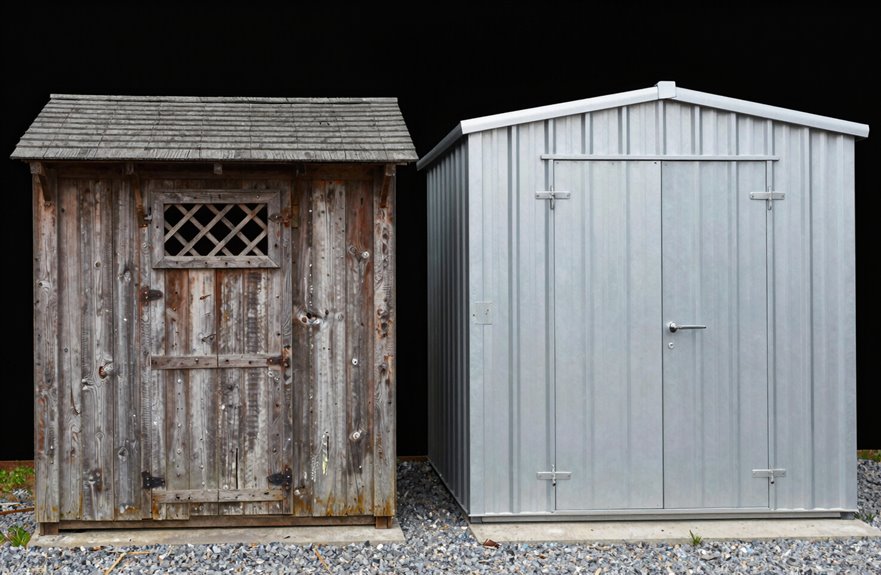
How much should you expect to spend? This breakdown will help you plan effectively.
1. Upfront Costs
Metal sheds have lower initial costs. They come ready-to-assemble, which saves on labor and materials. You can find solid metal options that are budget-friendly.
Metal sheds offer lower upfront costs and easy assembly, making them a budget-friendly choice for practical storage solutions.
Wood sheds tend to be more expensive upfront. It’s rare to find one under $1,000. Customization can also lead to a quick increase in costs.
2. Long-Term Maintenance
This is where the situation changes. Metal sheds require minimal maintenance, typically just occasional checks. In contrast, wood sheds need regular care, including sealing, painting, and repairs. This ongoing maintenance can accumulate over the years.
3. The Bottom Line
If you’re focused on immediate costs, metal sheds are a practical choice. If you have some flexibility in your budget and are willing to handle maintenance, wood sheds offer aesthetic appeal.
Regardless of your choice, you will be part of a community of shed owners who have found what works for them.

Durable Galvanized Steel Construction: Crafted from high-quality galvanized metal, this outdoor storage shed is built to last. It offers superior resistance to rust, corrosion, and UV rays, ensuring your tools and equipment stay protected against rain, wind, and harsh sun in your backyard, garden, or patio

Spacious Storage: Our 7x5ft outdoor storage shed features an external dimensions of 85.8''L*59.8''W*72.4''H, and door sized 61.4''L*55.9''W; Ideal for storing items such as snow blowers, umbrellas, bicycles, skateboards, trash bins, and gardening tools
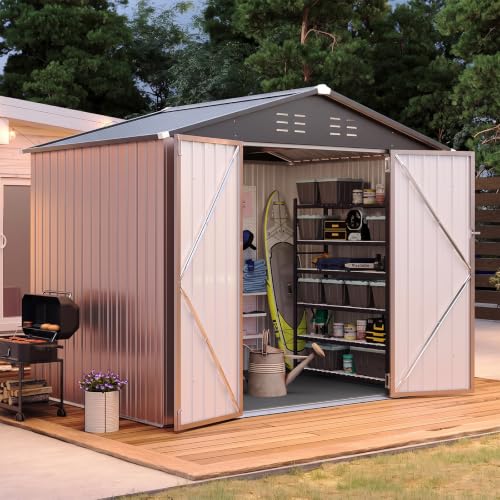
Quality Floor Frame & Galvanized Steel Construction: Crafted with thick galvanized steel panels and reinforced structural engineering, this metal shed delivers exceptional durability. The anti-rust powder-coated surface combined with a 12mm interlocking plastic floor ensures 360° moisture resistance while maintaining floor flatness. In addition, the floor supports a load-bearing capacity of 82 pounds per cubic foot, making it easy to hold heavy machinery
Which Shed Type Matches Your Priorities?
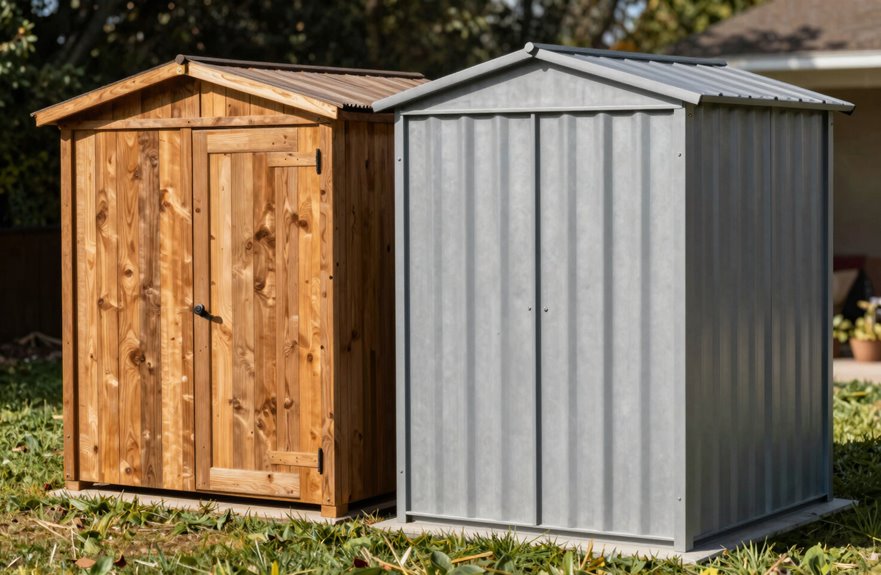
I know you’re weighing your options, so let’s match your priorities to the right shed. This can be broken down into three key areas: how much you want to spend compared to how appealing it looks, how much upkeep you’re willing to manage, and how customized you need the space to be. Answer these questions honestly to determine which material suits your lifestyle.

Built for All-Weather Durability: Crafted from a solid fir wood frame, rigid waterproof plastic panels, and a sloped asphalt roof. Engineered as an all-new outdoor storage cabinet with a waterproof roof, this premium unit easily withstands intense sun, heavy rain, and winter snow without fading, cracking, or warping over time.

Repels moisture as it enhances wood's natural beauty. Protect your outdoor furniture from mother nature and protect your investment.

Hybrid Construction – Combines [fir wood framework] + [metal panels] , this outdoor storage cabinet ensures long-lasting durability while withstanding outdoor elements
Budget Versus Appearance
When you’re standing in your backyard deciding what to build, the first question that comes to mind is usually about money. It’s important to find something that works within your budget.
Here’s what I’ve learned about balancing costs with aesthetics:
- Metal sheds cost less upfront and are quick to assemble, which saves you on both materials and labor.
- Wood sheds have a higher initial cost, but they offer a classic appearance that can enhance your neighborhood’s charm.
- Long-term budget considerations are crucial, as wood requires more maintenance over time.
If you value an attractive backyard, wood is likely the better option for looks. However, if you’re focused on minimizing expenses, metal sheds are a practical choice. Either way, you are making a thoughtful decision for your space.
Maintenance Commitment Level
Why Maintenance Matters When Choosing a Shed
Maintenance significantly influences how much time you spend enjoying your yard compared to working on it.
Metal Sheds: The Easy Path
Metal sheds require minimal upkeep. Regular cleaning and occasional rust checks are sufficient. They don’t suffer from rot or pest issues.
Wood Sheds: The Hands-On Choice
Wood sheds demand more attention. They need sealing, staining, or painting every few years. Monitoring for moisture damage and pest control is essential, along with regular inspections for rot protection.
Finding Your Fit
Consider whether you prefer free weekends or enjoy engaging in hands-on projects. Metal sheds offer convenience, while wood sheds provide a classic connection. Both options are viable; the choice depends on your lifestyle.
Customization Needs Priority
How much do you want to make your shed truly yours? When customization drives your decision, wood sheds feel like home from day one.
Here are the key factors:
- Interior space freedom – I can add shelves, lofts, or wiring anywhere in wood sheds; metal sheds lock me into their frame.
- Making it match – I can paint wood any color I dream up, while metal limits me to factory choices.
- Special touches – I can build porches and custom windows with wood, but metal kits restrict my creativity.
Metal sheds excel in easy setup, yet they cannot match wood’s flexibility. For those who want their space to reflect their individuality, wood offers the customization that transforms four walls into a personal sanctuary.
How Do Metal and Wood Sheds Compare for Fire Safety?
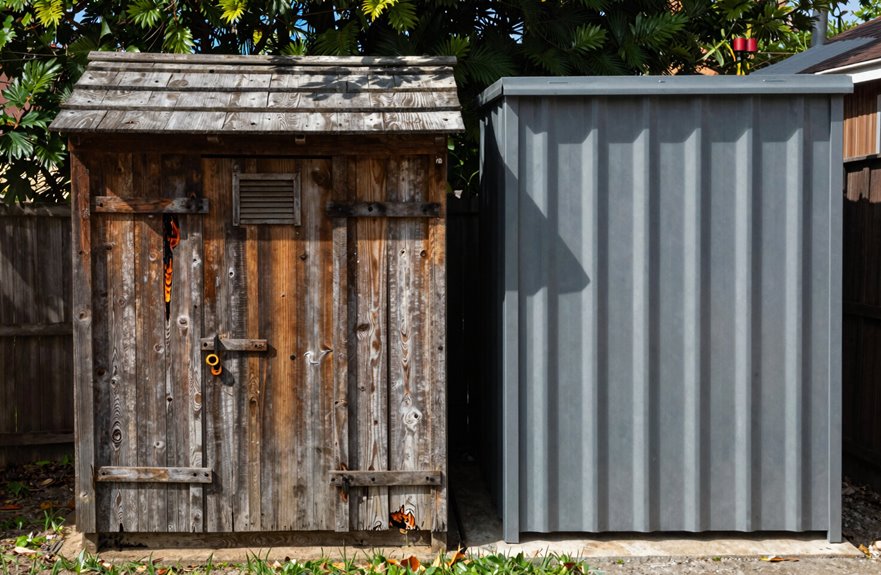
Where does fire risk rank on your shed shopping list? For many, it is a high priority, especially if storing fuels, chemicals, or power tools.
Fire Safety Basics: Wood vs. Metal
Metal sheds have a clear advantage in fire safety. They are non-combustible, meaning they do not catch fire like wood. Wood sheds are naturally flammable; even with treatments, they burn more quickly and intensely than steel options.
Living in Fire-Prone Areas
In dry climates or wildfire zones, metal sheds provide better fire resistance. Neighbors have lost wooden structures while metal ones remained intact nearby.
Smart Storage Matters
Metal sheds help reduce risks from stored chemicals. However, proper sealing and ventilation are essential for complete fire safety.

【Heavy-Duty Metal Build with All-Weather Protection】Crafted from high-quality, heavy-duty metal panels, this outdoor storage shed stands up to rain, wind, and rust year-round. Unlike wooden or plastic alternatives that warp, crack, or fade, the reinforced steel frame delivers long-lasting structural integrity with minimal upkeep. The smooth, weather-resistant surface wipes clean easily, keeping your backyard, garden, or patio looking tidy and well-maintained without constant repairs.

Spacious 4×6 ft storage solution Offers ample room for garden tools, lawn equipment, bicycles, pool supplies, and seasonal items. The compact footprint fits easily in backyards, patios, and narrow spaces while maximizing vertical storage capacity.

【Enhanced Structural Integrity】Polar Aurora outdoor shed boasts a reinforced structure, methodically tested to facilitate a 29% easier and more stable assembly, aligning with practicality and durability.
What Maintenance Does Each Shed Type Really Need?
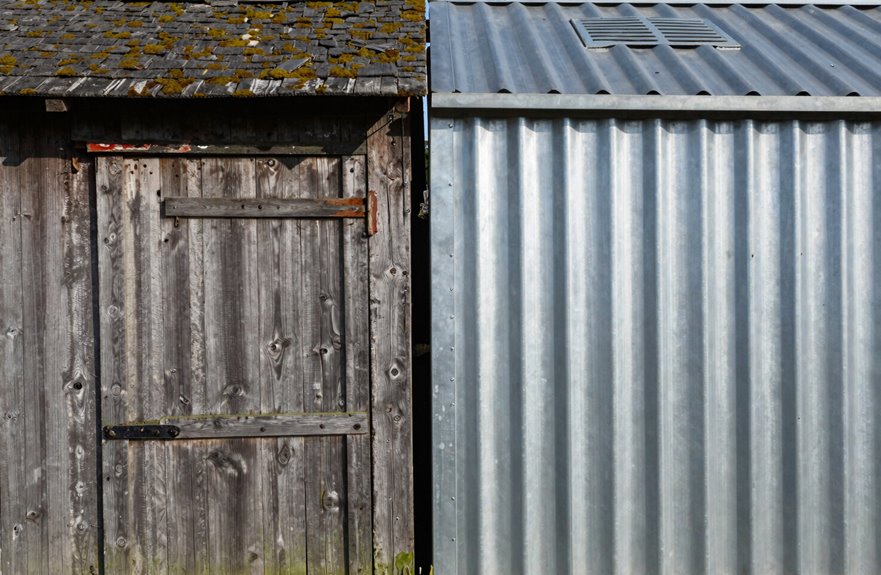
Here’s a breakdown of the maintenance required for different shed types. Wood sheds require regular sealing, painting, and monitoring for pests to prevent rot and mold. In contrast, metal sheds primarily need occasional rinsing and vigilance for rust spots.

WOOD TREATMENT FOR MAXIMUM PROTECTION: Bora-Care penetrates deep into wood fibers to eliminate and prevent termites, carpenter ants, wood-boring beetles, and decay fungi; protects your structure for the life of the wood.

TWO TERMITE PRODUCTS IN ONE: Pop-up indicators detect termite activity, and the stakes kill foraging termites.
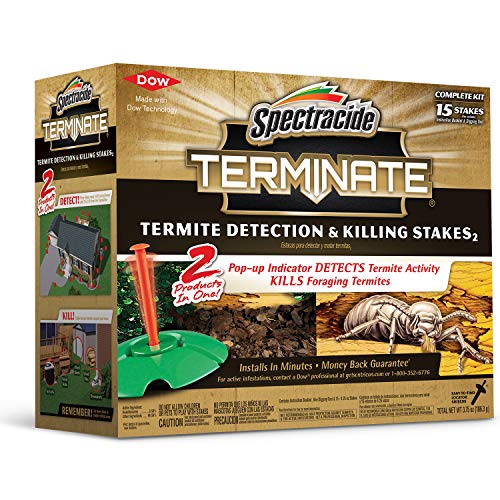
Two termite products IN one: pop-up indicators detect termite activity, and the stakes kill foraging termites
Wood Shed Upkeep
Why does wood shed maintenance matter? Without regular care, wood is susceptible to rot, pests, and costly repairs. I learned this when I skipped sealing my shed and discovered warped boards within two seasons. Even pressure-treated lumber requires attention to remain strong.
Your wood shed requires commitment, not perfection. Here are some key practices to keep it healthy:
- Seal and stain every 2–3 years; this blocks moisture that causes rot.
- Check for pests seasonally; termites and carpenter ants are attracted to untreated corners.
- Control dampness; keep gutters clear, and trim nearby plants to improve airflow.
Maintaining my shed is fulfilling. Small efforts now prevent larger issues later, and my wood structure remains in excellent condition because I invest time in its upkeep.
Metal Shed Care
Although metal sheds don’t require as much attention as wood, they still need care to remain in good condition.
Simple Steps to Protect Your Investment
Metal maintenance is straightforward, which is a relief. You don’t have to seal or paint every year.
- Check for corrosion twice yearly. I walk around my shed and look for rust spots, especially after rainy seasons. Touch up small spots with rust-inhibiting paint.
- Keep it clean. I rinse mine with a hose and mild soap; it takes about thirty minutes.
- Mind the setup. Elevating your metal shed and anchoring it properly enhances its durability in wind or wet conditions.
With minimal effort, you can achieve 25+ years of solid performance without issues like warping or termites.
Can You Customize Windows, Shelves, and Electrical in Metal or Wood Sheds?
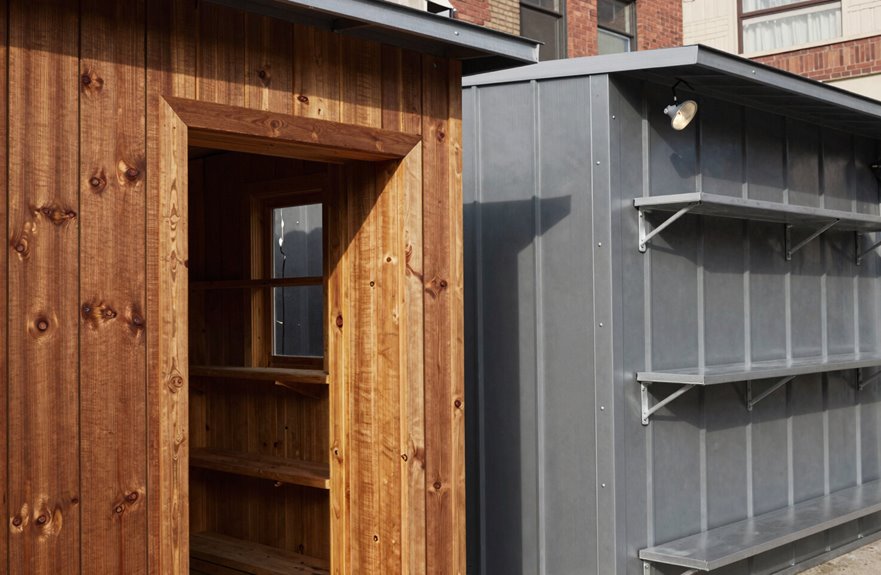
How can you make a shed feel personalized? Customization can transform a basic box into a space that feels like home.
Here’s what you can do with each material:
- Windows – In wood sheds, I can cut openings wherever I choose. Metal sheds require careful planning, as panel placement limits options.
- Shelving – I can directly build into wood walls with simple screws. For metal, I need special brackets or tracks, which feel less permanent.
- Electrical – Running wires through wood framing feels straightforward and safe. Metal requires fire-rated components and tricky routing that often necessitates professional help.
Wood provides the flexibility to adapt as my needs evolve. While metal options exist, they can impose limitations when personalizing. Your shed should evolve with you and not restrict your creativity.

Extended Length for Gentler Slope & Superior Stability: The shed ramp measures 36" L x 24" W x 2" H per piece—2.5 feet longer than standard ramps. This extended design significantly reduces the tilt angle to just 12.7°, allowing riding mowers and lawn tractors to ascend with a smoother, more stable approach. The widened platform provides ample tire contact, minimizing wobble and giving you greater control during loading and unloading

Reinforces one roof truss

Effortless Setup: Designed for hassle-free assembly, this storage shed comes with a detailed manual and step-by-step tutorial to guide you through the process. Should you need extra help, our expert support team is on standby for remote assistance.
How Fast Can You Build or Install Each Shed?
I will break down how quickly you can get each shed type up and running, as your schedule is just as important as your budget. Metal kits typically assemble quickly, often within a single weekend. In contrast, wood builds can extend over several weeks due to the need for framing, sealing, and finishing work. Additionally, consider whether you’re handling the project yourself or hiring professionals, as this choice can significantly affect your timeline.

Spacious and Versatile: Measuring 82.5''L x 53.56''W x 72.4''H, this DWVO 7 x 5 ft metal outdoor storage shed offers 170 cubic feet of storage, spacious for garden tools, bikes, and outdoor gear; It's multipurpose as a pet shelter or greenhouse

Utility Storage Shed: Storage shed is available in a variety of sizes for multipurpose use, perfect for outdoor backyard, garden, patio, utility room. It can also be used as a pet house to provide a warm and safe room for your pet. The protective film on the surface can prevent people from being scratched.

Sturdy Sheds Storage: This storage shed with thick steel plates and deep ribs, means a strong design that won’t rust or rot providing weather-resistance all year long, unlike metal or wood sheds. The design of the surface coating provides stronger quality assurance for this shed.
Metal Kit Assembly Speed
When you’re looking at a pile of shed parts in your backyard, speed is crucial. I’ve found that metal kits excel when you want your shed completed quickly.
Here are the reasons prefabricated sheds excel in assembly speed:
- Pre-cut panels snap together without measuring or cutting, allowing me to avoid spending hours figuring out angles.
- Clear instructions guide me through each step, making the installation time feel manageable even on a Saturday morning.
- Factory-sealed joints eliminate the need for messy weatherproofing required with other materials.
My metal kit went up in one afternoon with a friend’s help. The standardized parts meant no surprises, and I didn’t need special tools. If you want quick results without sacrificing quality, metal kits provide that gratifying sense of completion sooner.
Wood Construction Timeline
While metal sheds can be assembled in an afternoon, wood sheds require more time, which can be beneficial.
Understanding Your Wood Timeline
Wood construction follows a different rhythm. You need to consider framing, siding, and interior finishing. Even with pressure-treated lumber and pre-cut components speeding things up, the wood timeline often stretches across several weekends.
What Affects Your Build
- Standard kits move faster.
- Custom designs demand extra hours.
- Weather delays occur more frequently with wood.
Metal still wins for pure speed, especially with basic configurations. The extended timeline for wood construction allows for personalization. You are building something that feels unique, rather than assembling a pre-made template.
The trade-off is clear: metal provides immediate results, while wood construction offers a rewarding experience with lasting significance.
Professional vs DIY Options
How quickly can you get your shed up and running? It really depends on your chosen path.
- DIY metal kits usually click together in hours. The panels are light, and I don’t need fancy tools.
- Professional installation for wood often stretches days or weeks. I wait for crews, permits, and various scheduling issues.
- Lead times are more significant with wood as well. I’ve seen pressure-treated lumber require curing time, while my metal shed kit arrived ready to anchor that weekend.
When I wanted instant backyard belonging without delays, metal was the clear choice. If I prefer a classic look and am okay with longer lead times, wood allows for a personal touch. Understanding my timeline upfront makes the project enjoyable and manageable.
Will Termites, Rot, or Rust Destroy Your Shed?
Where should you look first when checking if your shed will stand the test of time? I recommend examining the materials hiding beneath the surface.
Wood sheds feel warm and classic, but they can attract issues. Termites often damage wooden frames, and rot can develop where dampness exists. Without regular maintenance, your investment may deteriorate.
Metal sheds avoid pest problems entirely. With no termites or rot, they offer clean, strong walls. However, I do monitor for rust, especially in coastal areas. A quick inspection of seals and a raised foundation helps keep moisture at bay.
Here’s my simple breakdown:
- Wood needs pest control and moisture management.
- Metal requires rust prevention and proper sealing.
Choose the option that suits your lifestyle, and you’ll join the ranks of knowledgeable shed owners who make informed decisions.

GARDEN BED WOOD SEALER - For Use On Cedar And All Wood Types Used In Raised Bed Gardens. Deep Penetrating, Natural Oils, Bond With Wood Fibers To Protect Wood For A Decade Or More.

【Weatherproof & UV Resistant Resin】Built with dual-layer weather-resistant resin panels and a water-repellent top, this outdoor storage cabinet withstands rain, sun, and corrosion. The UV-resistant material prevents fading and cracking, ensuring long-lasting beauty for poolside and patio use.

2 Removable Shelves:The two-tier shelves of the Gizoon outdoor storage cabinet provide an ideal solution for organizing gardening tools or household items. The shelves are easily removable, allowing you to create larger compartments for storing bulkier tools
Which Shed Handles Heavy Snow and High Winds Better?
I’ve observed sheds enduring intense storms and learned what contributes to their strength or vulnerability. When selecting a shed for harsh winters, it’s essential to know what truly matters.
Here are the key factors:
- Galvanized steel sheds handle significant wind loads without buckling due to their robust panels and internal bracing that keeps everything secure.
- Snow load capacity is also a strong point for metal; these rigid roofs resist sagging or splitting under heavy snow, while wood can warp under pressure.
- Structural integrity remains intact in metal sheds with proper anchoring and roof bracing, particularly during repeated freeze-thaw cycles that degrade wood.
Wood requires ongoing maintenance to combat rot and pests. Metal simply needs secure anchors, providing reliable protection season after season.

Multifunctional Outdoor Storage Shed: The large-capacity metal shed has multiple uses. It can store most of the outdoor tools you would normally use, such as lawn mower, bikes, toolboxes, etc. If you have pets, it can also be used as a pet house to keep out the wind and rain and provide enough warmth. You can also use it as a garbage room to keep your yard clean and tidy.

【Spacious Storage Solution】Measuring a generous 139.3"D x 162.9"W x 81.5"H, our shed offers ample space to house your gardening tools, equipment, and outdoor necessities without clutter.
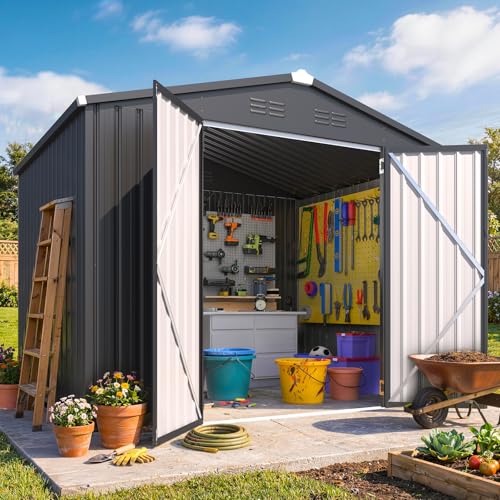
Withstands 70 mph Winds & 20" of Snow: Built from heavy-duty galvanized steel with a rust-resistant gray coating. Sloped roof sheds rain and melting snow — no pooling, no leaks. Your gear stays protected in every season.
How Does Appearance Compare: Metal vs Wood in Your Yard?
When choosing a shed, looks are just as important as durability. I want something that feels like home.
Wood vs Metal Appearance
Wood offers a classic, natural vibe. I can see the grain, add flower boxes, or paint it to match my house. It blends seamlessly into my yard and enhances curb appeal without effort.
Metal presents a sleek and modern look with its smooth panels and sharp edges. It features clean lines and bold colors, though customization options are limited.
My Choice Tips
- Pick wood if I crave warmth and traditional charm.
- Choose metal if I prefer minimalist, contemporary style.
- Remember that wood stains highlight texture, while metal remains uniform.
Both options improve curb appeal; I just need to determine which appearance aligns with my space.
Which Shed Best Fits Your Specific Needs?
How do I determine which shed suits my needs? I begin by assessing what I need to store and the effort I’m willing to invest.
Here’s my decision-making process:
- How handy am I? Wood allows for the addition of shelves, lofts, and wiring later, but it requires regular maintenance like sealing and staining. Metal minimizes upkeep, saving time.
- What’s my weather like? In humid regions, wood can warp and rot. Galvanized steel offers better durability through varying seasons with proper anchoring.
- What’s my budget and risk? Metal tends to have a lower upfront cost and resists pests, while wood aligns with my aesthetic if I’m prepared for the maintenance. For larger gear, I opt for sizes like 8×10 or larger, regardless of the material.

Strong Load-bearing Capacity: Our heavy-duty shed ramp is made from selected steel, ensuring durability and the ability to support up to 750lbs. The dual H-shaped support structure provides enhanced stability for the ramp. You can confidently use it to load heavy gear such as lawn mowers, motorcycles, garden carts, and wheelchairs. (The ramp measures 28.7" x 23.6". Please measure the installation space before purchasing)

【Improved Dimensions】: Compared with standard ramps on the market, our shed ramp features an upgraded extended size of 33.2" L x 24" W, which enhances traction and ensures smooth ascent for your lawn mower. Unlike traditional wooden ramps that are prone to rot and wear, our shed ramp is built for long-lasting durability. It resists rust and corrosion in extreme conditions—whether sweltering heat, freezing cold, rain, or snow—so it stays in great shape and ready to use year-round. (Notice:Kindly verify all size details prior to your purchase to avoid wrong orders.)

【Improved Dimensions】: Compared with standard ramps on the market, our shed ramp features an upgraded extended size of 33.2" L x 24" W, which enhances traction and ensures smooth ascent for your lawn mower. Unlike traditional wooden ramps that are prone to rot and wear, our shed ramp is built for long-lasting durability. It resists rust and corrosion in extreme conditions—whether sweltering heat, freezing cold, rain, or snow—so it stays in great shape and ready to use year-round.