I’ll guide you through the ten cabinet types you need to know. First, choose between framed cabinets, which offer a classic look but less space, or frameless cabinets, which have a modern design with 10–15% more storage.
Next, pick your overlay: partial overlay shows the frame, full overlay hides it, or inset sits flush for a premium feel.
Door styles include the timeless shaker, which remains popular for upgrades, the trending slab style, which is flat and minimalist, the traditional raised panel with depth, or beadboard for coastal charm.
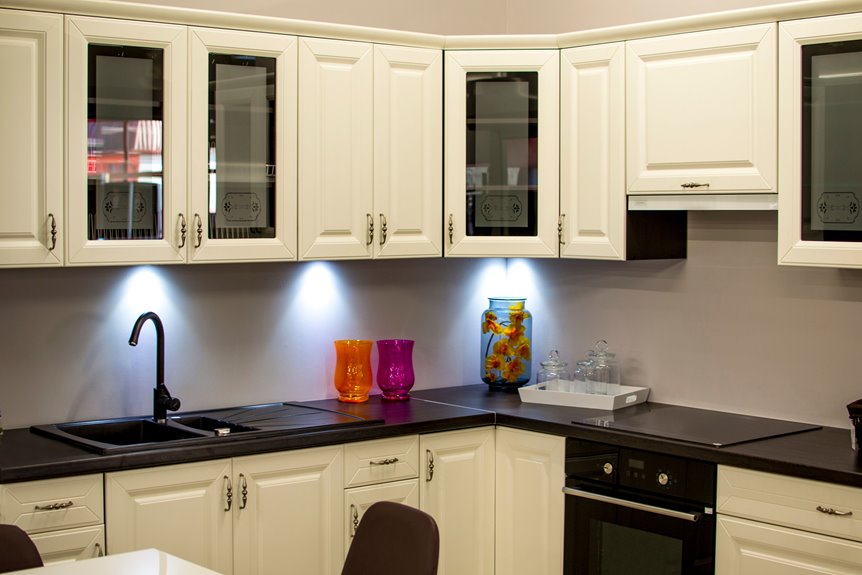
You can also consider glass-front or mullion doors for added light and display options.
Finally, select your stock level: RTA for value, stock for speed, semi-custom for a balanced approach, or custom for a perfect fit.
Each choice will help you build your ideal kitchen step by step.
Cabinet Construction 101: Framed, Frameless, and Why It Matters First
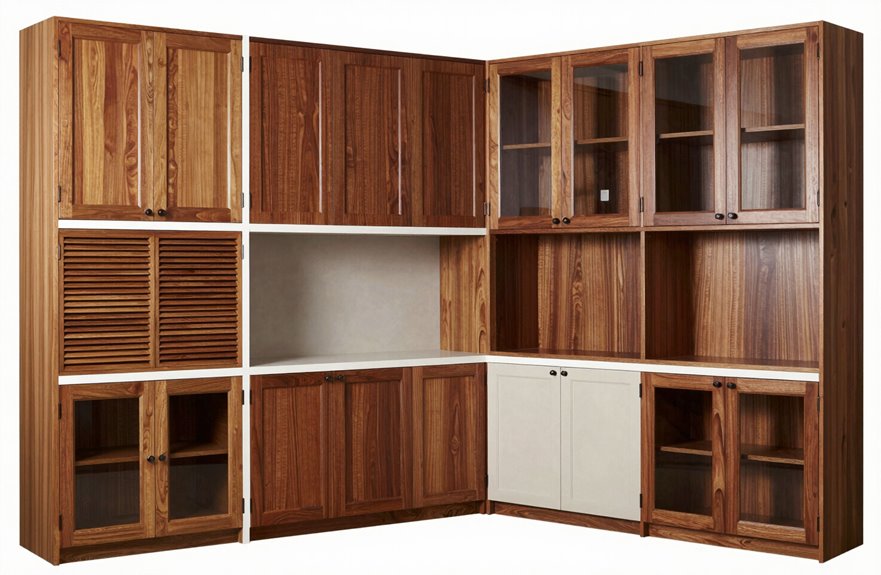
How do you pick cabinets that work for your kitchen? I start with cabinet construction because everything else builds from there.
1. Framed vs. Frameless: Your Foundation
Framed cabinets have a wooden border around the front. This traditional backbone supports classic styles like Shaker or raised-panel doors. Frameless cabinets skip that border, attaching doors directly to the box. You get flush exterior surfaces and a cleaner, more modern look.
Framed cabinets anchor tradition; frameless ones embrace sleek modernity. Your choice shapes every design decision that follows.
2. How Doors Sit Matters
Your overlay options significantly affect the overall appearance. Full overlay covers most of the frame (or the whole box in frameless). Partial overlay leaves some frame visible. Inset doors sit inside the frame completely, offering a tight, precise, and timeless design.
I decide on framed vs. frameless first, then overlay, and finally door style. This sequence ensures your kitchen remains functional and visually appealing while avoiding later second-guessing.

Quantity & Accessories: Each hinge comes with four 15.5mm mounting screws. For easy installation, a installation instructions specifically designed for these cabinet door hinges is also included

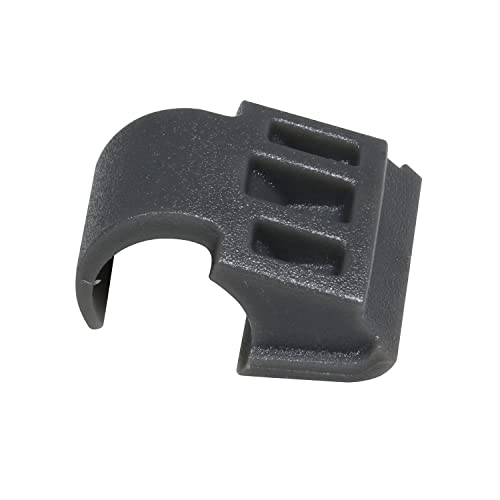
SIGNIFICANT SAFEGUARD: Our restrictor clips for cabinets effectively limit the door's opening angle to 86 degrees, offering crucial protection for installations where doors might otherwise swing excessively and potentially collide with nearby cabinets, walls, appliances, glass fixtures, and more. NOTE: HINGE IS SOLD SEPARATELY
Framed vs. Frameless: The Real Storage Space Trade-Off
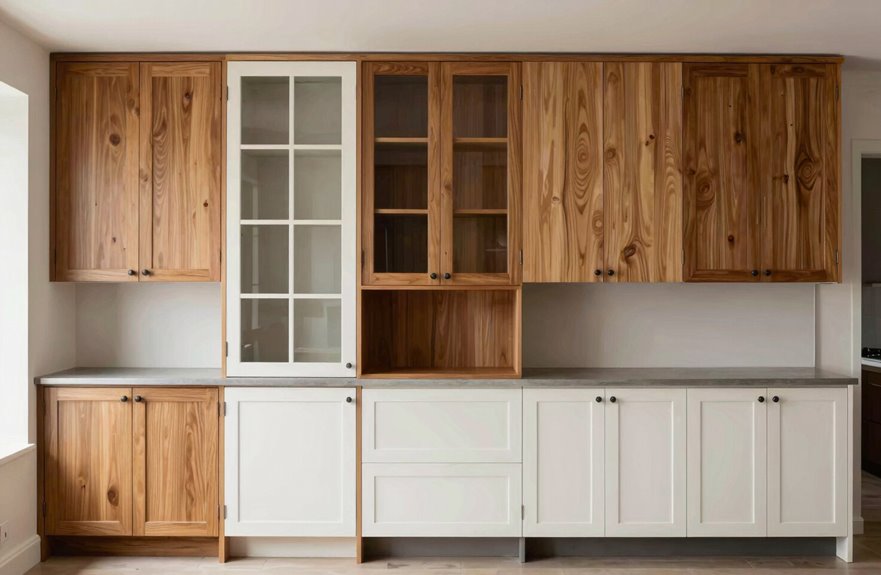
Framed cabinets feature a border around the front, which reduces the interior space, while frameless cabinets eliminate that border, providing an additional 10–15% space for stacking plates or accommodating larger pots. Your choice of overlay—whether partial, full, or inset—determines the visibility of the frame and the sleekness of the front. Start with construction, consider the storage trade-off, and let the overlay define the aesthetic.
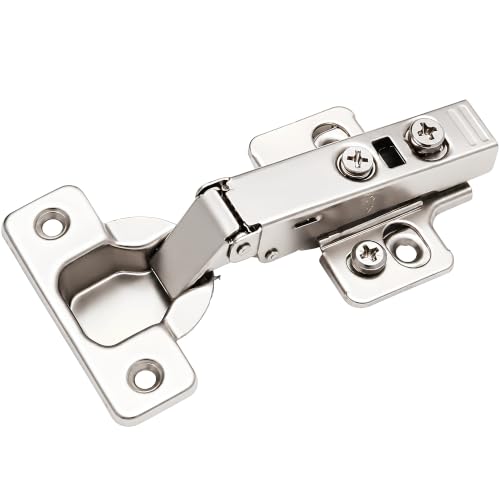
PACKAGE CONTENT: 10 Pieces Soft Close Full Overlay Hinges and Installation Screws

Complete Hardware Package:This set includes 5 pair (10 hinges) with four 15.5mm corrosion-resistant screws, accompanied by an illustrated installation guide designed for quick tool-free assembly

Installation Specification - Cup depth: 13.5mm; Screw holes distance: 45mm; Opening angle: 105 degrees; The range of door thickness is 14-22mm, suitable for most cabinet door styles. Each hinge comes with 2 easy-on dowels and 4 self-tapping wooden screws to ensure a perfect fit and comes with 2 screw covers to hide the screws. Each euro-style concealed kitchen cabinet hinge is fit for full overlay doors on frameless cabinets.
Construction Fundamentals
When planning a kitchen, I start with the structure of the cabinets, since whether they are framed or frameless significantly impacts storage capacity.
Framed cabinets feature a wooden frame on the front. Doors hinge off this frame, providing sturdy construction and a wide range of cabinet hardware options. The drawback is that the frame reduces some interior space.
Frameless cabinets do not have a front frame. Doors mount directly to the box sides, offering 10–15% more interior space and a sleek, modern appearance.
Here’s how your choices progress:
- Construction — Pick framed or frameless first.
- Overlay — Choose partial, full, or inset (inset costs more, but provides a refined look).
- Door style — This final layer defines your kitchen’s personality.
Storage Comparison
I explain to my clients that cabinet construction is not solely about aesthetics; it’s also about maximizing interior space.
Frame versus Frameless
Framed cabinets feature a front frame that supports the doors, providing strength but reducing interior space. This loss of width around the edges accumulates across an entire kitchen.
Frameless cabinets eliminate the frame entirely. Doors attach directly to the box sides, offering about 10–15% more usable storage in the same footprint. Additionally, drawers can extend wider.
The Overlay Factor
Even with full overlay doors on framed cabinets, some depth is still compromised. Frameless designs utilize every inch between adjacent doors effectively.
Bottom Line
When comparing cabinet types, frameless cabinets provide greater storage capacity. Framed cabinets offer traditional styling and flexibility, but the difference in usable space is noticeable when loading dishes.
Overlay Implications
Although most people focus on door styles and colors, overlay choices significantly influence the usable space inside your cabinets.
Consider the space trade-offs:
- Frameless cabinets provide 10–15% more usable space since doors attach directly to the box, allowing for no face frame to take up room.
- Full overlay on framed cabinets conceals most of the frame, maximizing depth.
- Partial overlay reveals more of the frame, delivering a traditional look but slightly reducing interior capacity.
- Inset doors sit flush inside the frame; they offer a sleek appearance but require tight tolerances, which can limit space.
Your choice of overlay—partial, full, or inset—affects both cost and the spaciousness of your kitchen. Select what best suits your needs.
Door Overlay Explained: Partial, Full, and Inset Options
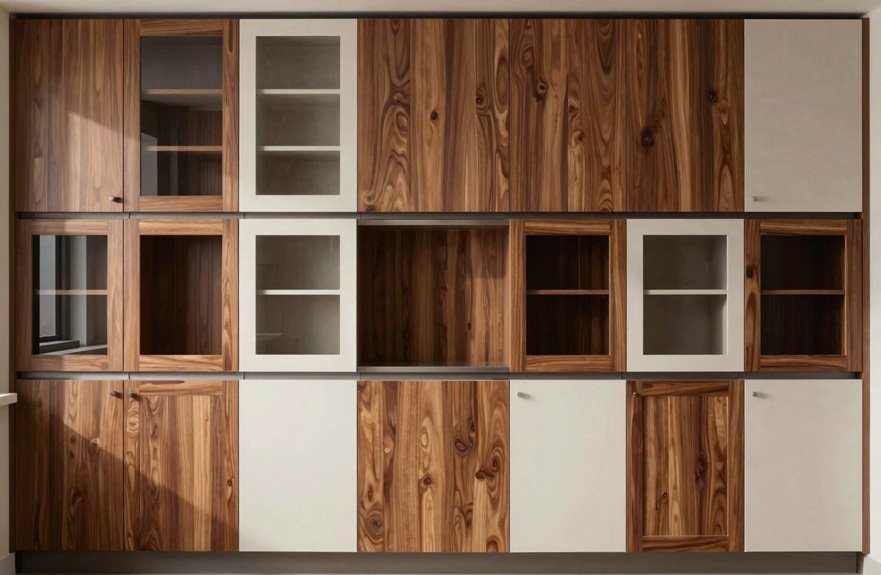
Understanding how your cabinet doors sit on the frame is essential, as this choice influences your kitchen’s overall look and feel. We will cover the basics: partial, full, and inset options. After that, I will guide you in deciding which option aligns with your style and budget. Let’s break it down to help you choose confidently.

Complete Package: the package includes 2 white pine kitchen cabinet doors and 4 cabinet hinges, providing you with a convenient set for effortless installation; No need to source additional doors, sufficient for your cabinet door replacement upgrades
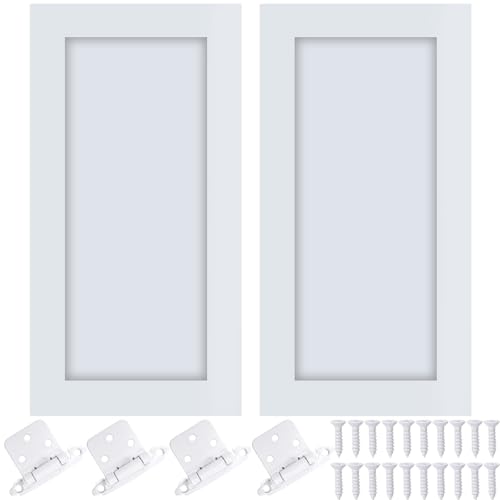
Complete Package: the package includes 2 white pine kitchen cabinet doors and 4 cabinet hinges, providing you with a convenient set for effortless installation; No need to source additional doors, sufficient for your cabinet door replacement upgrades

Premium Solid Pine: Made from natural solid pine, these unfinished cabinet doors are solid wood construction, and these classic shaker cabinet doors effectively resist warping, cracking, and deformation. They withstand humid environments and frequent use, serving as durable kitchen cabinet doors for long-term home renovation
Overlay Style Basics
How does a cabinet door sit on its frame? This question shapes your kitchen’s overall look. Here are three ways doors meet their face frame, helping you choose the best fit.
- Partial overlay covers about half the frame, leaving roughly 2 inches visible. It’s classic, cozy, and more budget-friendly.
- Full overlay conceals nearly the entire frame for a sleek, modern vibe that’s trending in 2026.
- Inset doors sit flush inside the frame instead of on top. This style is precise, high-end, and often comes with a higher price tag due to tight tolerances.
Your choice affects the interior depth, visual weight, and price tier of your cabinets. Partial overlays typically fall under the budget category, full overlays are mid-range, and inset doors are in the premium tier.
Choosing Your Overlay
Three simple choices stand between you and your perfect cabinet look.
1. Partial Overlay
This option is a budget-friendly choice. Your cabinet doors cover about half the frame, leaving roughly two inches visible. It offers a traditional, warm feel at an affordable price.
2. Full Overlay
Many people prefer this style today. Your doors nearly hide the frame completely, providing a clean, modern aesthetic. Visually, it is sleek and seamless.
3. Inset
This option is distinct. Your doors sit flush within the frame, creating a perfectly level appearance. It tends to be more expensive and requires expert craftsmanship, but the result is a timeless look.
My Take
Your choice of overlay significantly influences your kitchen’s overall character. Partial overlay conveys a homey feel, full overlay is popular in contemporary kitchens, and inset suggests luxury. Choose the style that resonates with you.
Shaker Cabinets: Why 61% of Upgrades Still Choose This Style
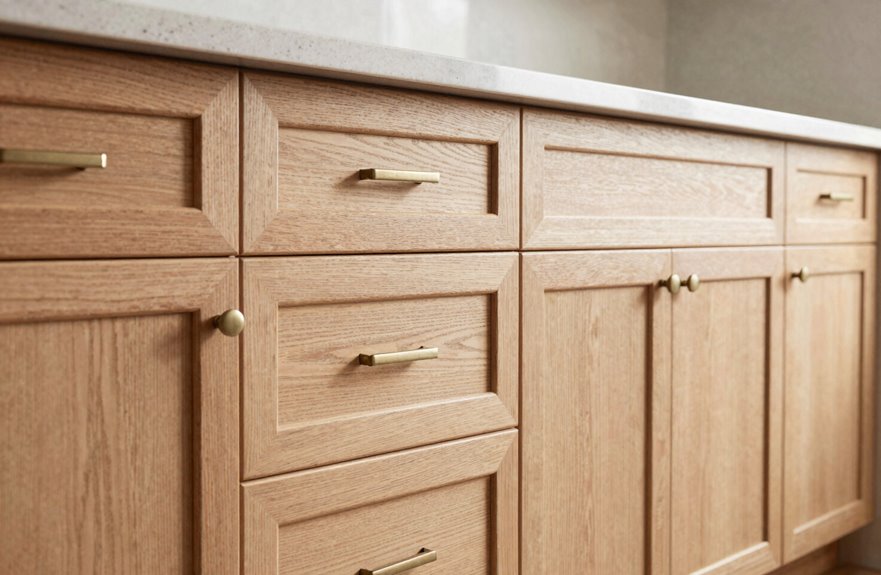
What makes Shaker cabinets the go-to choice for more than half of all kitchen upgrades? Their perfect balance of simplicity and character creates a welcoming atmosphere.
Shaker cabinets feature a five-piece construction with four frame pieces surrounding a recessed center panel. This design creates clean lines that feel fresh yet familiar. Their versatility allows them to blend seamlessly into farmhouse kitchens or sleek modern spaces.
Shaker cabinets blend timeless craftsmanship with versatile style, fitting effortlessly from farmhouse warmth to modern minimalism.
Here are the key reasons to choose Shaker cabinets:
- Timeless design never goes out of style.
- Recessed center panels add subtle depth without fuss.
- Clean lines create calm, organized spaces.
- Five-piece construction ensures lasting quality.
Whether you opt for white Shaker with soft-close hardware or grey Shaker with thick plywood shelves, you’ll be among millions who have found their ideal fit.

Comprehensive Kitchen Organization - Featuring a complete storage system with both a wall-mounted cupboard and a floor-standing sideboard, this 63-inch set maximizes your kitchen's horizontal and vertical capacity to keep appliances and pantry items neatly categorized

Design House offers furniture, lights, cabinetry, hardware, locks, rugs, mirrors and more for your home.

【Versatile 4-in-1 Multi-Functional Buffet】This 59" wide cabinet with 3 doors and 2 drawers, seamlessly transforms into a sideboard, TV stand, study storage unit, or entryway cabinet. Its neutral rustic wood finish complements various home styles, serving as a great organizer for your dining room, living room, kitchen, or hallway
Slab Cabinet Doors: 2026’s Fastest-Growing Style (69% of Designers Agree)
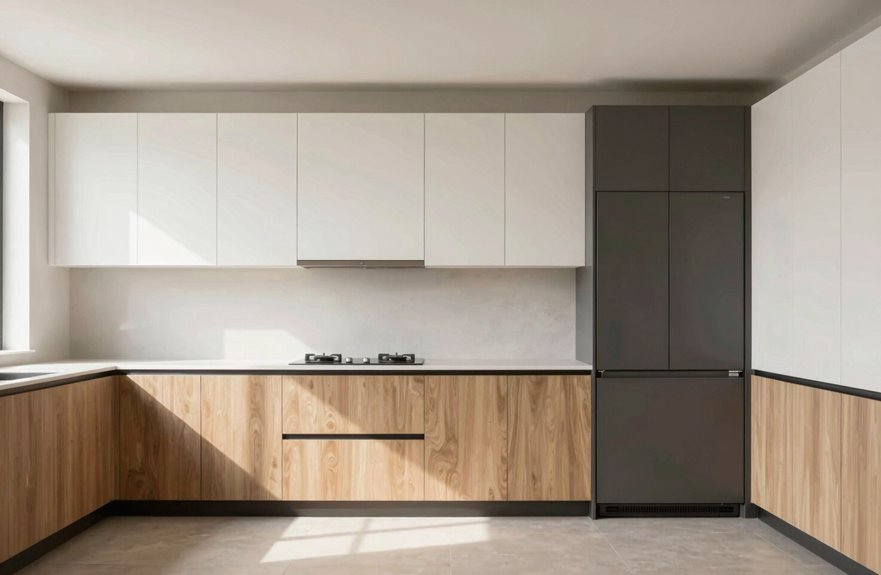
I’m seeing slab doors everywhere lately, and the numbers back it up—69% of designers say they’re the fastest-growing style for 2026. These cabinets consist of one flat piece with no frames or intricate details, providing kitchens with a clean, modern look that many people desire. Let me explain what makes them unique and why they are gaining popularity.

【Flexible Storage Solutions】This sideboard buffet cabinet features adjustable shelves, allowing you to customize the space for all your favorite items, from oversized serving platters to delicate décor pieces. Imagine hosting a family gathering and effortlessly storing everything from snacks to dinnerware, maximizing your storage potential. Plus, the soft-close pads on the cabinet doors ensure a quiet closing, making your home a peaceful haven for you and your loved ones.

Ample Storage & Flexible Organization: This pantry cabinet features adjustable shelves, 4 doors, a drawer, and an open compartment for microwaves or coffee makers. Shelves can be adjusted or removed to fit dishes, pots, containers, and tall items, while the storage cabinet keeps essentials neat and organized.

【Multi‑Functional Partitioned Storage】The Living Room Cabinet provides multi‑tier inner shelves, central drawer and open middle area. Enclosed compartments store tableware and dry goods, and open zone holds small kitchen appliances, protecting stored items from dust and maintaining neat arrangement. Product Dimensions: 15.8"L x 27"W x 64.5"H.
Slab Door Definition
Why are so many designers choosing slab doors right now? The flat-panel style is everywhere, and it’s easy to see why. Slab doors consist of one smooth piece—no frames, no intricate details, nothing extra. This simplicity is the main appeal.
This design trend originates from European aesthetics, where clean lines dominate. It’s ideal for modern kitchens seeking a minimalist vibe without excessive effort.
Here are some features that make slab doors appealing:
- One flat surface means no dust hiding in corners.
- Handleless options maintain a sleek, seamless appearance.
- They are generally more affordable than traditional five-piece doors.
- They work well in small or open spaces where clutter disrupts the atmosphere.
If you appreciate calm, uncluttered environments, you’re likely aligned with this movement. Slab doors are shaping the future of modern kitchens.
Growth Statistics Explained
The numbers support what I’ve been observing in showrooms and homes lately. Slab doors are gaining popularity, which is not surprising.
Why Everyone’s Choosing Flat-Panel
According to the NKBA 2026 study, 69% of designers identify flat-panel as the fastest-growing style. Currently, slab doors account for about 22% of the market, and that figure continues to rise.
What’s Driving This Shift
- Clean lines complement the modern kitchen.
- The minimalist aesthetic creates a fresh, uncluttered look.
- European design influences are prevalent.
Practical Perks
Growth statistics indicate a preference for easy cleaning and cost-effectiveness. Slab doors are less expensive than intricate five-piece styles and can be cleaned quickly. When paired with handleless hardware or simple bar pulls, they achieve the low-profile, contemporary appearance that many desire.
Raised Panel and Beadboard Cabinet Doors: Traditional Character, Modern Choices
How do you add real personality to your kitchen without going overboard? Raised panel and beadboard cabinet doors provide the ideal blend of tradition and flexibility, allowing you to express your unique style.
Raised panel cabinet doors feature a lifted center panel that adds depth. They pair beautifully with warm wood veneers like cherry or walnut, creating a classic, traditional feel. Beadboard, characterized by its narrow vertical grooves, softens the overall look and complements coastal or farmhouse aesthetics.
- Choose square, arch, or cathedral raised panel styles for different moods.
- Use beadboard as an accent to keep things light.
- Mix both in transitional spaces for heritage charm.
- Dust grooves regularly to maintain the beadboard’s appearance.
In 2026, simpler profiles within these traditional doors are emerging, demonstrating that you can honor tradition while staying relevant.

BEST VALUE PACK- FATLODA 200 PCS pack contains clear cabinet door bumpers of 0.4 inch in diameter and 3mm/0.1" in thickness. The clear bumpers self adhesive suitable for cabinets, drawers, cupboard doors, table tops, laptop, cutting boards, picture frames, etc.

Generous Quantity and Size: 200 pieces of round silicone clear self-adhesive bumpers stoppers measuring 0.4inch diameter x 0.12inch height for cabinet doors, drawers, sliding doors, vases, and furniture

[High Quality] - The cabinet door bumper is made of high quality and eco-friendly silicone, water-proof, non-toxic, safe for the environment. The cabinet door stoppers have a very sticky self-adhesive backing to ensure the bumper stay in place and not easy to fall off
Glass-Front and Mullion Cabinet Doors: Light, Display, and 2026’s Textured Glass Trend
Here’s what to know:
| 2026 Trend | What It Means for You |
|---|---|
| Fluted glass | Adds privacy, hides clutter |
| Reeded glass | Vertical lines draw the eye up |
| 36% of renovators | Choose these for accent cabinets |
This 2026 trend isn’t perfect; fingerprints can be an issue. Keeping interiors tidy is easier when everyone can see inside.

Full overlay type: The euro-style concealed kitchen cabinet hinge fit for full overlay doors on frameless cabinets. The cabinet door cover the cabinet almost completely with a 1/4inch of space between the doors or drawer It’s not fit for face frame cabinet

Slow Close Cabinet Hinges: Our soft close hinges for cabinet doors feature a built-in soft-close damper that prevents door from slamming shut to protect fingers & reduce noise making peacefulness for families with small children, senior adults, or pets
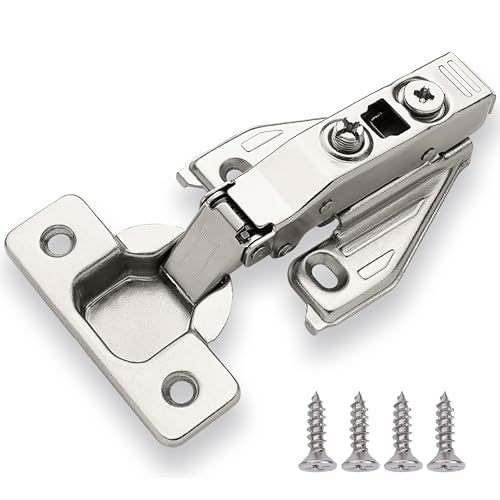
5/8" INCH FULL OVERLAY KITCHEN CABINET HINGES : Adjustable to 1/2" with a gap. Come with Clip-on Plates, matching screws, and 3-D adjustability to ensure a perfect fit for your kitchen and bathroom.
Cabinet Finish Trends 2026: Wood Beats White for the First Time
Why has wood finally overtaken white after years of dominance? There is a noticeable shift in cabinet finishes for 2026, as many are craving something warmer and more natural in our kitchens.
Wood tones now lead at 29% compared to white’s 28%. It’s a close margin, but it signifies a collective movement toward spaces that feel grounded and real.
Several factors are driving this change:
- White oak rules, capturing 51% of designer requests for its clean, versatile look.
- Flat panel doors are surging; 69% of designers report growth in this area, fitting the modern minimalist vibe.
- Inset cabinet styles are rising; premium recessed panels are trending high-end, reflecting a value for craftsmanship.
- Warmth is winning; there is a preference for connection over clinical perfection.
Many are drawn to this trend, as we create kitchens that feel like home together.

Complete Package: the package includes 2 unfinished pine kitchen cabinet doors and 4 cabinet hinges, providing you with a convenient set for effortless installation; No need to source additional doors

Premium Solid Maple Wood: Crafted from 100% solid maple for lasting durability. Smooth-sanded and splinter-free, ideal for painting, staining, or sealing. The perfect upgrade for high-end cabinet refacing or DIY projects
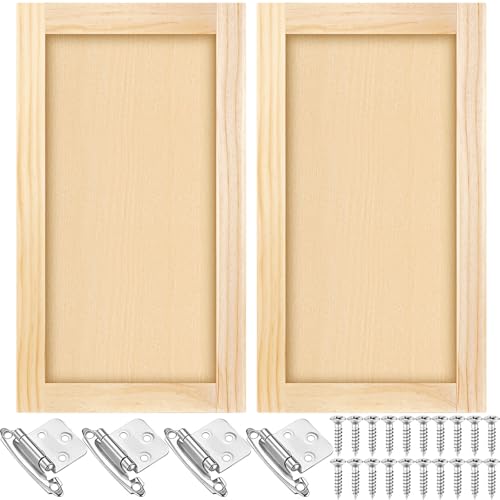
Complete Package: the package includes 2 unfinished pine kitchen cabinet doors and 4 cabinet hinges, providing you with a convenient set for effortless installation; No need to source additional doors
Small Kitchen? Big Kitchen? How Cabinet Construction Changes With Space
Where you cook is as important as how you cook.
Space planning significantly influences the kitchen experience. In tight kitchens, frameless cabinets are my go-to choice; they reclaim 10–15% more interior space. When paired with slab doors and push-to-open mechanisms, they eliminate handle interference while preparing food.
For inset or full-overlay setups, I pay close attention to gaps. Small spaces reveal every flaw, so flush doors help maintain a streamlined appearance.
Here’s what works for me:
- Concealed hardware or integrated pulls—no bumps, no bruises
- Flat surfaces that wipe down quickly
- Smart vertical storage above eye level
In larger kitchens, I can be more flexible. However, compact spaces require every efficient design strategy. Achieving the right balance makes a kitchen feel personalized and functional.

Bohemian Style: Crafted with exquisite hand-woven rattan and paired with wooden toned doors, this buffet cabinet with storage blends vintage charm with modern flair. It complements a wide range of interior styles and adds a touch of understated elegance to your space

【Unique Texture】– This farmhouse Sideboard is handcrafted & unique, the doors is made of hand-spliced solid wood pieces, showcase the artistry of traditional woodworking techniques. Each door is meticulously crafted by skilled artisans, carefully selecting and combining wood grains to create a visually striking pattern that is unique to each cabinet, this buffets & sideboards not only brings nature into your home, but also presents you with a superbly crafted beauty.

【Premium Solid Wood Craftsmanship for Long-Term Durability】 Built around a sturdy solid wood frame, this shaker-style spice drawer base cabinet is designed for homeowners seeking dependable quality and lasting performance. Precision construction and premium materials provide exceptional structural stability for everyday kitchen use while maintaining a refined appearance for years to come. Whether installed in a new home, renovation project, or custom kitchen upgrade, this cabinet delivers the durability expected from professional-grade cabinetry.
Stock, Semi-Custom, Custom: What You Actually Get for Your Money
How much should kitchen cabinets really cost? The answer depends on your needs and the level of customization you require.
Here’s a breakdown of each option:
- RTA cabinets offer solid value with all-wood construction and quick 7–9 day delivery, though you’ll need to assemble them yourself with limited customization.
- Stock cabinets are pre-built and the least expensive, making them ideal for quick installation without needing special sizes or finishes.
- Semi-custom cabinets allow for adjustments in drawer depths and features while maintaining reasonable costs, making them a good middle ground.
- Custom cabinets provide the most design freedom, allowing for any material or style, but they come with longer wait times and higher prices.
For value, RTA cabinets stand out, stock cabinets save time, semi-custom options strike a balance, and custom cabinets fit unique spaces perfectly.

【Multi‑Functional Partitioned Storage】The Living Room Cabinet provides multi‑tier inner shelves, central drawer and open middle area. Enclosed compartments store tableware and dry goods, and open zone holds small kitchen appliances, protecting stored items from dust and maintaining neat arrangement. Product Dimensions: 15.8"L x 27"W x 64.5"H.
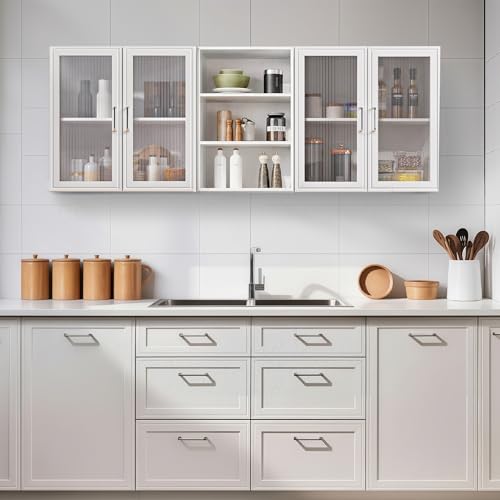
Space-Saving Design: This Kitchen wall-mounted cabinet set includes 2 enclosed cabinets (23.6"W x 11"D x 23.6"H each) and 1 open shelf (15.8"W), offering generous storage without taking up floor space. With acrylic doors and a clean design, these laundry wall cabinets are perfect for organizing detergents, towels, pantry goods.

[Smart LED Light] Illuminate your storage room with our energy-efficient wall cabinets. When the door opens, the intuitive LED lights up automatically. Although a lighting feature is added, it won't cost you ANYTHING, you just NEED TO remember to buy the batteries as they're NOT included the cabient