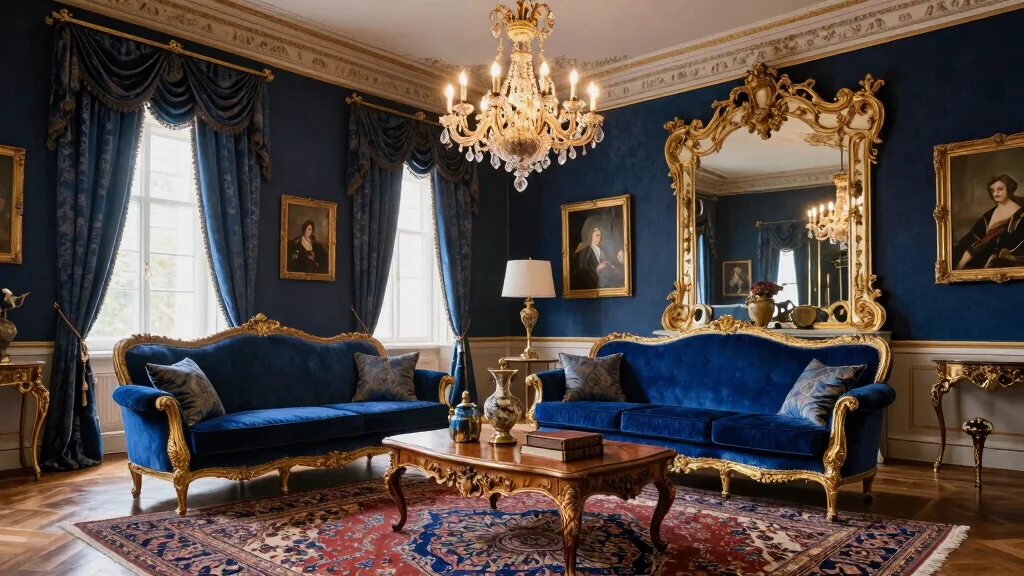
Creating a living room that exudes luxury and drama can feel like a daunting task. If you’ve found yourself craving a space filled with ornate decor and sumptuous textures, you’re not alone. Many of us dream of homes that echo with history and elegance, where every corner tells a story. That’s why I put together this guide to Baroque living room ideas. This style, rich in detail and opulence, can transform your space into a haven of sophistication and comfort.
If you love vintage aesthetics and appreciate the finer things in life, this post is just for you. Whether you are redecorating or starting from scratch, these 16 ideas will ignite your imagination. You’ll find tips on everything from dramatic color schemes to the perfect vintage furniture, ensuring your living room captures the essence of Baroque style.
Expect to walk away with a clear understanding of how to incorporate luxurious textiles, opulent accessories, and classic artwork into your home. With these insights, you can create a cozy yet stunning atmosphere that will impress your guests and make you feel at home every day.
Key Takeaways
– Embrace Dramatic Color Schemes: Utilize bold colors like deep reds or rich golds to evoke a sense of luxury and drama in your living room.
– Incorporate Vintage Furniture: Select unique, vintage pieces that add character and a historical touch to your space.
– Opt for Luxurious Textiles: Layer rich fabrics such as velvets and silks to create a sense of warmth and sophistication.
– Choose Opulent Accessories: Include ornate decor items, like gilded mirrors and intricate sculptures, that enhance the Baroque aesthetic.
– Focus on Architectural Details: Pay attention to moldings, trims, and ceiling designs that can elevate the overall look of your living room.
1. Embrace Dramatic Color Schemes
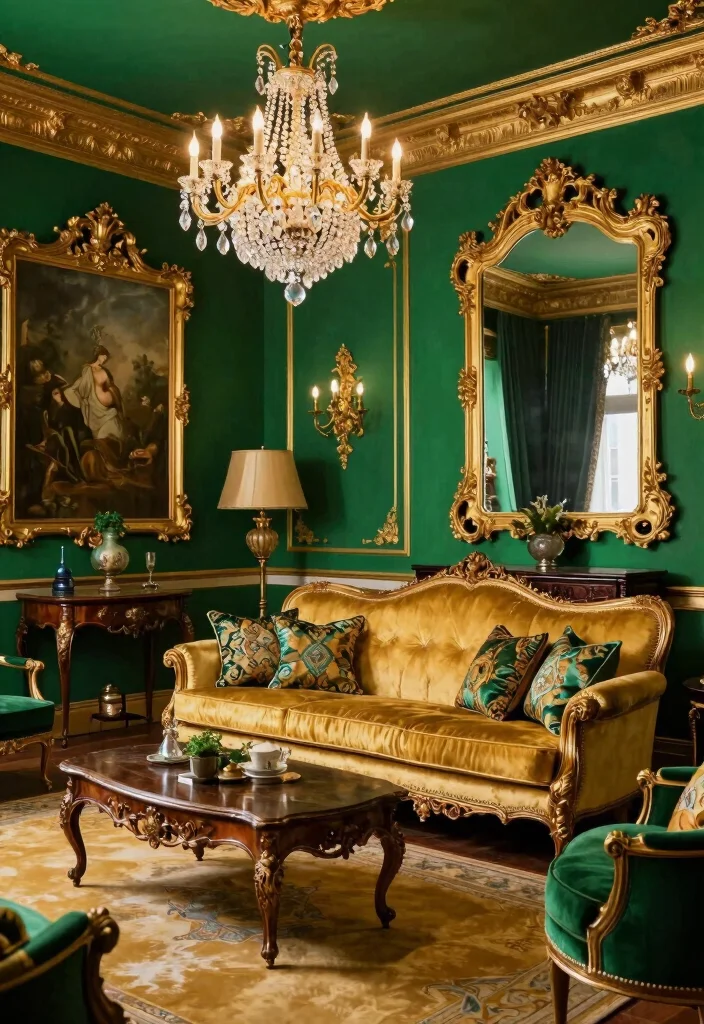
Dramatic color schemes are at the heart of Baroque interiors, infusing your living room with life and intensity. Deep reds, opulent golds, and lush greens evoke grandeur, providing a visual feast that resonates with the rich history of the era. Mixing contrasting shades adds depth and intrigue, allowing elements of the room to stand out beautifully, especially when paired with luxurious fabrics or ornate furnishings.
To implement this striking palette, start by choosing focal points that showcase these colors. Consider budget-friendly options like painting an accent wall in a bold hue or accessorizing with colorful cushions that reflect your chosen theme.
Here are some ideas to bring this concept to life:
– Pair deep red accents with gold-framed mirrors.
– Install emerald green curtains to contrast lighter walls.
– Use rich-colored throw pillows on a neutral sofa.
This approach not only enhances visual appeal but also creates an inviting atmosphere. The interplay of textures and shades elevates your living space, making it feel both warm and sophisticated.

Antique Gold Scroll Frame for Vintage Character: The intricately detailed scroll design frames the oval mirror in antique gold, turning a functional piece into a decorative focal point. The vintage styling works equally well in a bedroom dressing area, bathroom vanity wall, or entryway where a statement accent is needed without overpowering the space.

Necklace: Heart-shaped mirror pendant on gold rope chain delivers dreamy vintage fairy vibe.
2. Vintage Furniture: A Taste of History

Incorporating vintage furniture is essential for achieving an authentic Baroque ambiance. Pieces that bear the marks of time, such as beautifully worn leather chairs or intricately carved wooden tables, bring character and charm to your living room. Look for items that reflect the craftsmanship of the Baroque period, as they often feature ornate details and unique silhouettes.
For effective sourcing, explore local antique shops or flea markets where hidden gems await discovery. Consider reupholstering a vintage piece to fit your color scheme, giving it new life while maintaining its historical essence.
Here are some placement strategies to highlight vintage finds:
– Use a dramatic vintage sofa as the room’s centerpiece.
– Incorporate smaller accent chairs to create a layered look.
These vintage elements not only enhance your decor but also contribute to a sustainable lifestyle, celebrating history while enriching your space.

WELL MADE: Sold as 2 panels, each panel is W52" x L84", and W104" x L84" in total. Can be hung separately, or hung together with sheer curtains in MIULEE.

Package Includes: Set of 2 sage green soft velvet curtains crafted from premium 200g velvet fabric for a luxurious drape. Each panel measures 52 inches wide by 84 inches long, featuring 3 inches rod pocket for easy installation on most standard rods. The dense yet smooth velvet material ensures elegant light filtration and enhanced privacy. Ideal for maximizing window coverage while adding a touch of refined texture to any room.

ELegant Design: Package includes 2 panels set of W 52” x L 84” each, and W 104” x L 84” in total. Craft from super soft and heavy weight velvet which gives a plush and vertical sense. They can easily match with different decor themes, and style up your room with vintage and luxury.
3. Luxurious Textiles
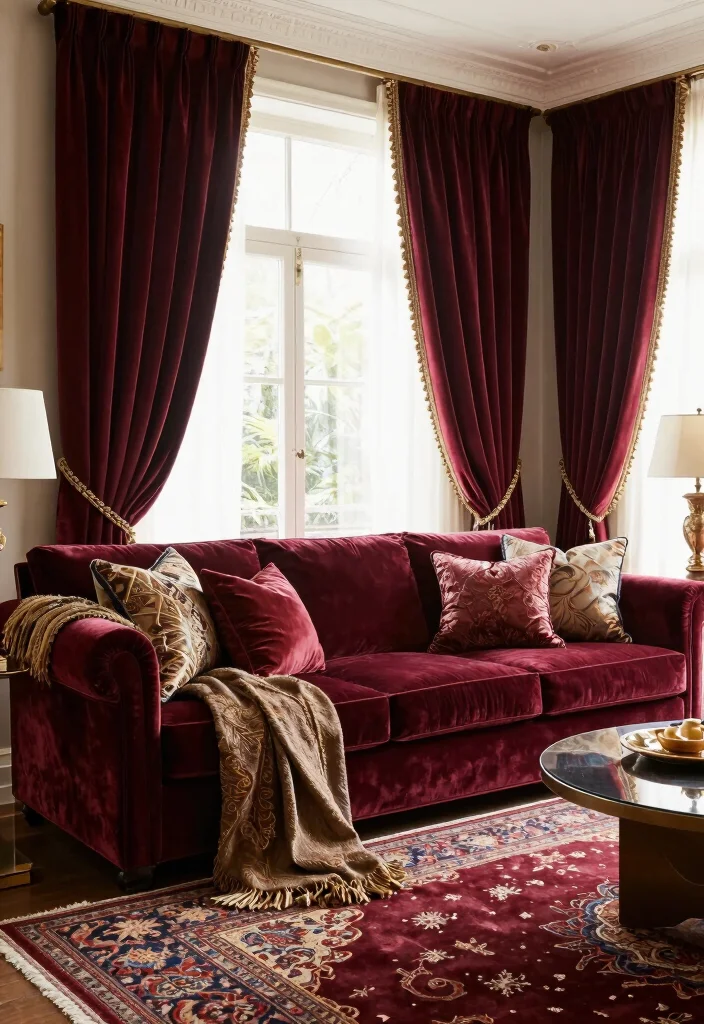
Textiles are vital in crafting a Baroque living room, adding layers of comfort and richness. Imagine heavy drapes, sumptuous upholstery, and plush cushions that invite you to unwind. Fabrics like silk, velvet, and brocade are quintessential, offering a sense of luxury that defines this style.
When selecting textiles, opt for curtains that gracefully puddle on the floor for an elegant touch. Layering different materials, such as a velvet sofa with silk pillows, can enhance texture and visual interest.
Consider these suggestions for integrating textiles:
– Use a mix of prints, like florals and stripes, for depth.
– Choose a dramatic area rug in rich tones to anchor the seating.
By incorporating these luxurious fabrics, you create a cozy yet sophisticated environment. The interplay of textures will enrich the overall aesthetic, making your living room inviting and stylish.

Dimension - Antique Gold Baroque Arched Mirror with frame 48"X30"

Smallest Resin Frame Vintage Oval Mirror;Decorative mirror, the size is very small, the external size of the frame is about the same as the length and width of A4 paper, please buy according to your needs!
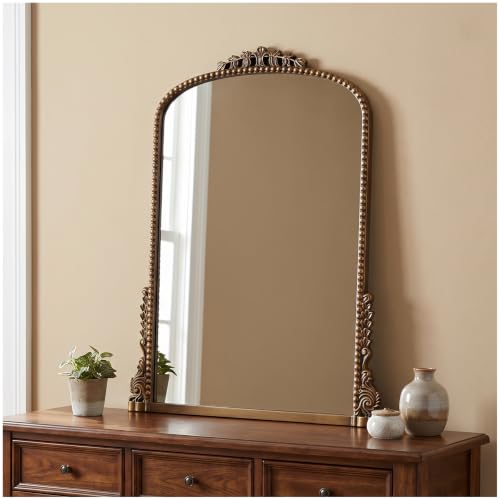
TIMELESS BAROQUE DESIGN – Bring classic European character to your home with an arched silhouette, intricate detailing, and a vintage gold finish. The ornate design creates a refined focal point without overwhelming your décor
4. Opulent Accessories
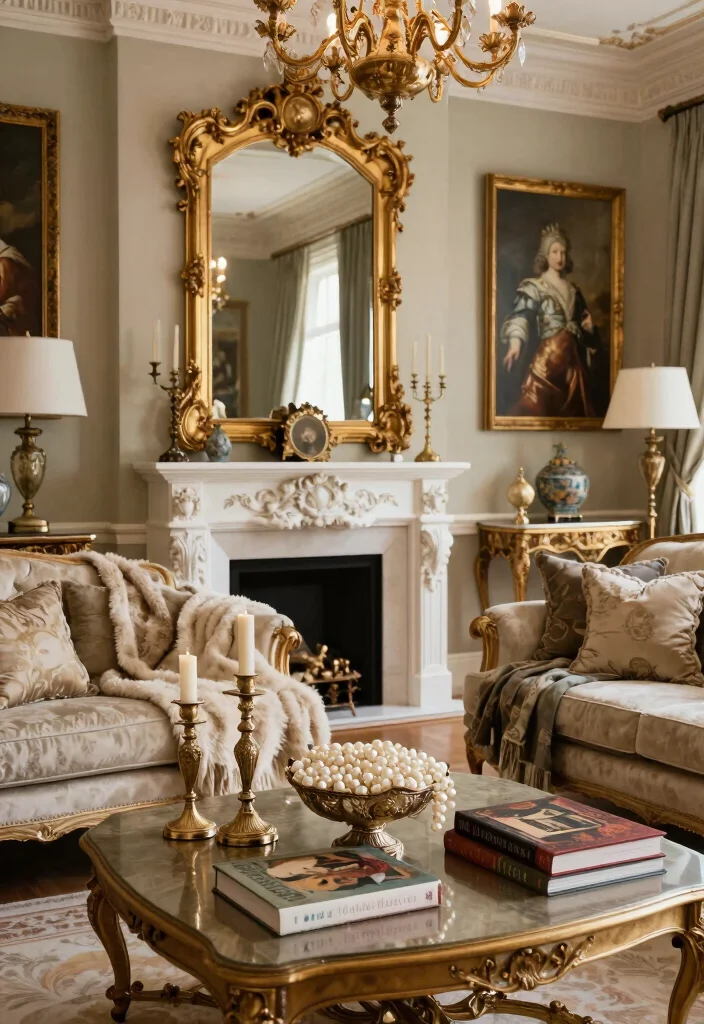
Accessories serve as the jewelry of your living room, and in a Baroque setting, they should dazzle. Think ornate candlesticks, grand mirrors, and intricately designed picture frames that draw the eye and express your personality. These luxurious accents enhance the Baroque aesthetic while creating focal points throughout the space.
For effective accessorizing, layer items of varying heights to add dimension. Mixing metals like gold and silver can create an eclectic feel, while art pieces reflecting the Baroque era can tie the decor together.
Here are some placement strategies for accessories:
– Position a large mirror above the fireplace to reflect light.
– Arrange decorative objects on tables in a thoughtful way.
These luxurious touches define the Baroque style, transforming your living room into a stunning sanctuary filled with character and charm.

SOFT AND LUXURY MATERIAL: Our red sofa pillow covers are made of beautiful velvet, gold leather design and unique fabric process create a new and stylish style, that make pillows more luxury and elegant, more effective for decorating your modern home

Contains: Brand New 2 PCs Square Covers/Shells 18" X 18"(45 X 45cm), No Filler/Insert, Gold & Cream Damask Color

DURABLE AND HIGHER QUALITY: Made of machine washable Polyester, with no bleeding, fading or fraying issue,can be used outdoors.(Insert or filler not included) Material: 100%Polyester.
5. Ornate Lighting Fixtures
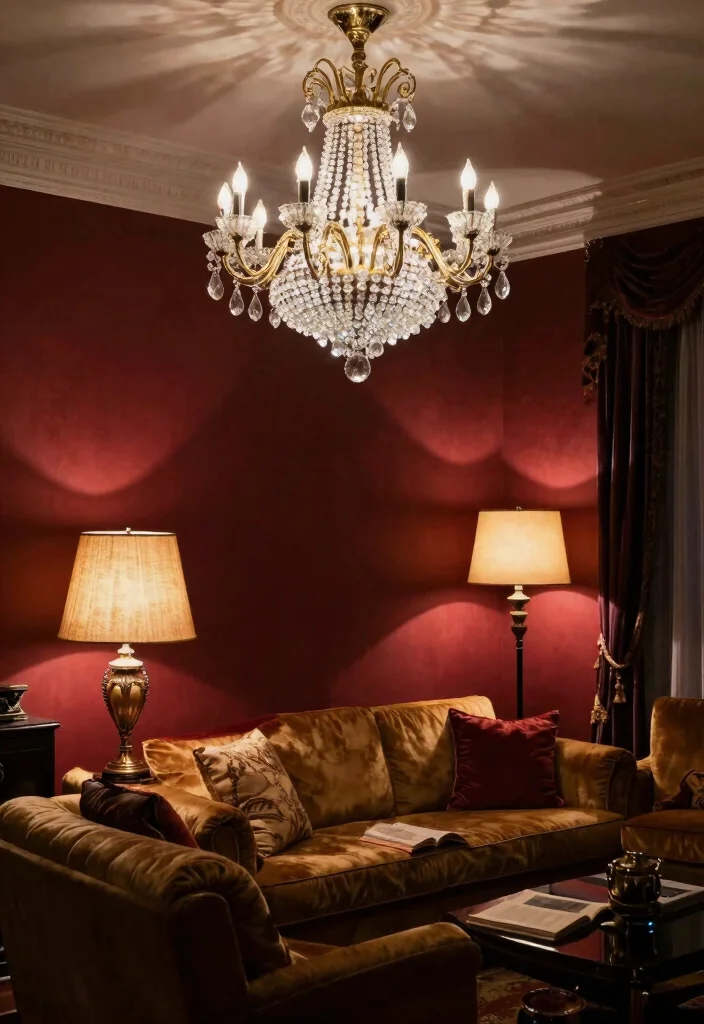
Lighting dramatically influences the atmosphere of your living room, especially in Baroque design, where it should be nothing short of spectacular. Seek out ornate chandeliers or grand pendant lights that serve as statement pieces, adding elegance and sophistication while illuminating the space.
Opt for fixtures with intricate designs, such as crystal accents or wrought iron, to enhance your theme. Incorporating table and floor lamps with rich fabrics can unify the overall look and feel.
Consider these ideas for lighting placement:
– Hang a stunning chandelier in the room’s center for impact.
– Use lamps to create cozy reading nooks that maintain the ornate theme.
These artistic light sources not only provide illumination but also contribute to the overall drama of your design, enhancing the richness of colors and textures in the space.

Lasting appearance: our crown molding trim, corner scroll applique, and european wall decorations are manufactured with durable, faderesistant finish, keeping your space beautiful and minimizing maintenance,decorative wall panels,French style wall decor

【Decorative Corner Molding Set】 Crafted from high-quality French-style corner moldings, this set enhances your living space with timeless European elegance. Perfect for walls, doorways, or furniture corners, instantly adding sophistication and charm to any room

Elegant Baroque Design: you'll receive a package of 4 3D wall molding corner, blending European and modern aesthetics, adding a touch of sophistication to any interior space; Ideal for home renovations and decorating upgrades
6. Classic Artwork
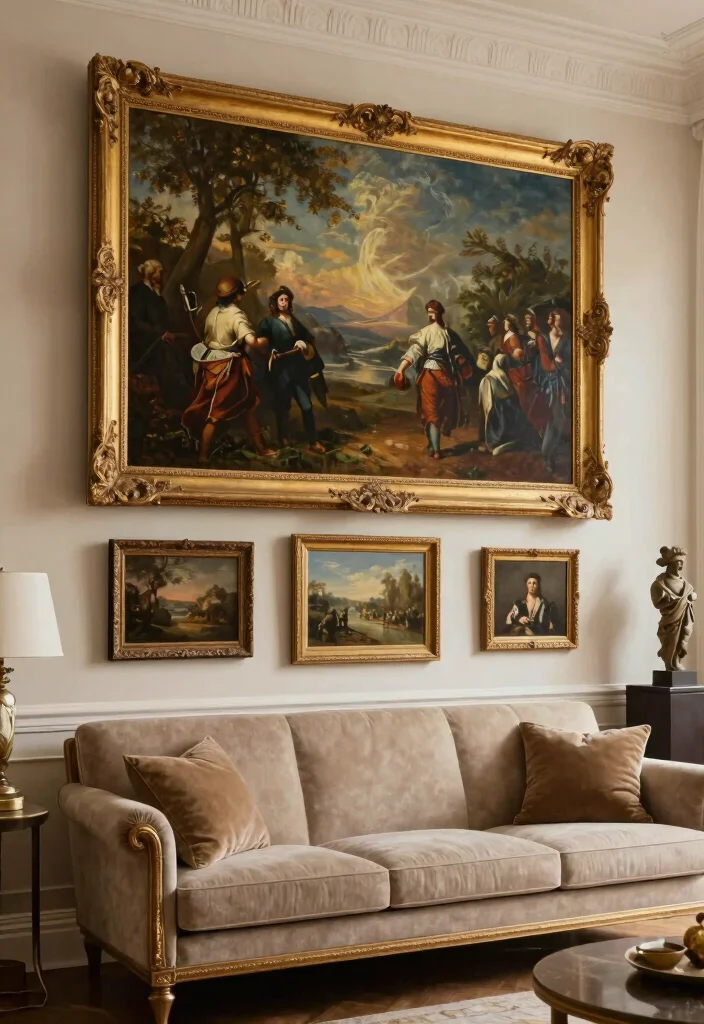
Classic artworks can anchor your Baroque living room, adding layers of sophistication and intrigue. Large oil paintings with dramatic lighting or elegant sculptures embodying the grandeur of the era become focal points that enhance your decor. These art pieces narrate a story, infusing your space with authenticity.
When selecting art, focus on bold, larger pieces that can dominate the room’s visual landscape. Mixing framed art with three-dimensional sculptures can create added depth and interest.
Here are some placement strategies for your artwork:
– Hang pieces above the sofa or mantel for a striking effect.
– Group smaller works to form an eye-catching art wall.
Incorporating classic art elevates your ambiance and makes your living room feel curated and timeless, adding a rich narrative to the space.
Fun fact: In a baroque living room, a single large oil painting can become up to 70% of the room’s visual impact. Pair it with a dramatic sculpture to add depth and storytelling.

Luxury Design: Unique vintage carvings on premium MDF paired with an antique brass gold metal frame create a royal and sophisticated look, making each arched mirror a timeless artwork

Vintage Ornate Desig – Arched silhouette with a sculpted crest and beaded edge in antique gold—adds instant French-inspired elegance to bathrooms, bedrooms, entryways, or over a mantel.

【Elevate Your Decor】This 24x36-inch vintage gold mirror enhances various spaces, perfect for fireplaces, entryways, bathrooms, and bedrooms. Infuse timeless elegance into your decor and create a captivating focal point
7. Architectural Details

Architectural details are essential in defining a Baroque living room, as they create visual drama and height. Think grand moldings, ornate cornices, and ceiling medallions that draw the eye upward. These elements not only enhance style but also add a sense of history and character to your space.
Invest in molding and trim with intricate carvings to elevate your design. Using ceiling medallions can create stunning focal points for your chandeliers, enhancing the grandeur of the room.
Here are some tips for incorporating architectural details:
– Consider wallpaper that complements your moldings.
– Ensure furniture arrangement highlights these beautiful features.
These design elements enrich your living room, creating a sophisticated and inviting environment that reflects the Baroque spirit.

WELL MADE: Package contains 2 panels of 52" width by 84" length (104" wide in total). With pleat tape pocket & tabs on top, back loop (2.3 inch) and rod pocket (3.3 inch) which offer our customers multiple hanging options.

Nobility 4-Piece Curtain Set Includes: 2 Curtain Panels, and 2 Tiebacks

HIGH-GRADE MATERIAL. Silky Velvet Texture – Combines the smoothness of silk with the plush comfort of velvet, offering a high-end tactile experience. Breathable & Temperature-Regulating – Natural moisture-wicking keeps you cool in summer and warm in winter. Eco-Conscious Luxury – Made from botanical Tencel fibers, biodegradable and gentle on sensitive skin.
How To Choose Baroque Living Room Accessories and Accents
When it comes to creating a stunning baroque living room, selecting the right accessories and accents is key. A well-decorated space reflects your personality while embracing the luxurious ornate drama that this style embodies. Here are some useful tips to guide you in choosing the perfect pieces for your baroque living room.
1. Consider the Color Palette
The first step in your selection process is to evaluate the color scheme. Baroque interiors often feature rich, dramatic colors, such as deep reds, golds, and royal blues. Consider fabrics and accessories that complement these shades, creating a cohesive look. For example, you might choose gold-accented accessories to match a burgundy sofa, tying the room together beautifully.
2. Focus on Material Quality
Opt for high-quality materials that resonate with the baroque theme. Think plush velvets, silky satins, and gleaming metals. Vintage furniture can add to the authenticity and grandeur of your space. Always check for durable craftsmanship, which ensures your pieces stand the test of time. For instance, choose solid wood furniture over particle board for a more authentic feel.
3. Emphasize Ornate Details
Baroque style is characterized by intricate details and embellishments. Look for accessories that feature ornate carvings, gilded finishes, or intricate patterns. Decorative mirrors with ornate frames or vases with elaborate designs make stunning focal points. These details add depth and drama to your living room, enhancing the overall atmosphere.
4. Pay Attention to Scale and Proportion
Choosing accessories that are well-proportioned to your space is crucial. Large pieces can overwhelm a smaller room and make it feel cramped, while tiny accents may get lost in a grand space. Use furniture and decor that complement the scale of your living room. For example, a large chandelier can serve as a striking centerpiece in a spacious area, while smaller decorative items can adorn shelves and tables.
5. Mix Vintage and Modern Elements
Don’t shy away from blending vintage furniture with contemporary accessories. This creates a dynamic contrast that keeps the space feeling fresh while honoring the historical roots of the baroque style. For example, pair an antique sofa with modern artwork or a sleek coffee table. Balance is key; ensure that no single style dominates the room.
6. Curate Personal Touches
Incorporate personal items that tell your story. Family heirlooms, travel souvenirs, or custom artwork can add meaningful flair to your baroque space. These elements not only personalize your living room but also enhance its overall character. Consider displaying a curated collection of vintage books or a gallery wall featuring framed photographs and art.
Pro Tip: Always take a step back and visualize how each piece interacts with the others. Walk around the room, and check how the accents create flow and harmony. A well-placed accent can elevate the whole ambiance, making your living room inviting and luxurious.
By following these tips, you can create a baroque living room that is not only luxurious but also uniquely yours. Choose wisely, curate thoughtfully, and enjoy the ornate drama that comes with the baroque style!

1.Elevate Your Space with Timeless Elegance: This vintage oval wall mirror features a beautifully detailed plastic frame in a warm gold finish, instantly adding a touch of inspired, antique charm to your living room, bedroom, or vanity. It's the perfect small mirror for wall decor that transforms any area into a sophisticated focal point.

Unique Design: This gold vintage mirror features an arched silhouette with the top adorned by two carved birds, adding vintage charm to any interior. Its ornate design makes it a striking centerpiece in living rooms, hallways, or bedrooms.

Silver Gothic Scroll Frame For Refined Wall Character: The ornate silver scroll frame wraps the oval mirror in a design that straddles Gothic detail and modern restraint. The antique silver finish reads as elevated and contemporary while the scroll work adds the kind of decorative depth that a plain frameless mirror cannot provide. Making it suited to bedrooms, bathrooms, and entryways where a refined accent is the goal.
8. Rich Flooring Options
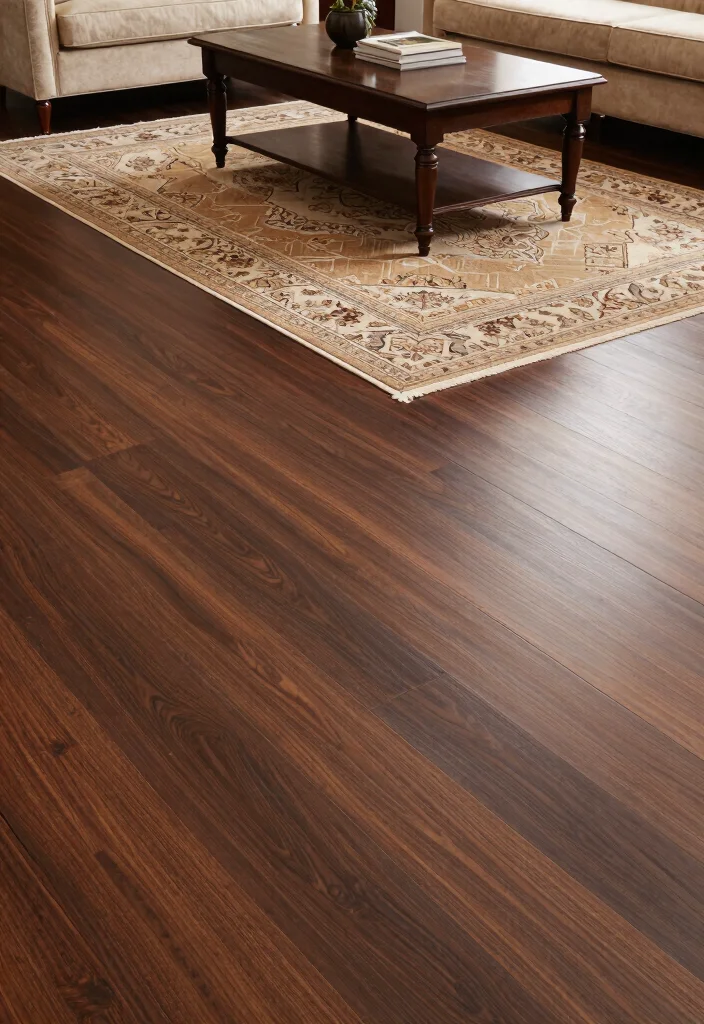
The flooring you choose can dramatically influence the tone of your living room. For a Baroque-inspired design, rich hardwoods, intricate tile work, or plush carpets create a strong foundation. Dark-stained wood floors provide a luxurious base, while patterned tiles can add uniqueness and flair.
If choosing hardwood, opt for darker shades to enhance the opulent feel. Layering rugs can introduce warmth and texture, making the space even more inviting.
Here are some flooring tips to consider:
– Select darker wood for a sophisticated touch.
– Use layered rugs to create a cozy atmosphere.
These flooring choices not only enhance elegance but also unify the various elements of your decor, ensuring a cohesive and inviting ambiance.

【PACKAGE】:It comes in a set of 2 (no pillows insert or filler).The tropical leaves pillow covers can be a great decoration to decorate the home ambitiously,which is a great home decoration,it looks so elegant
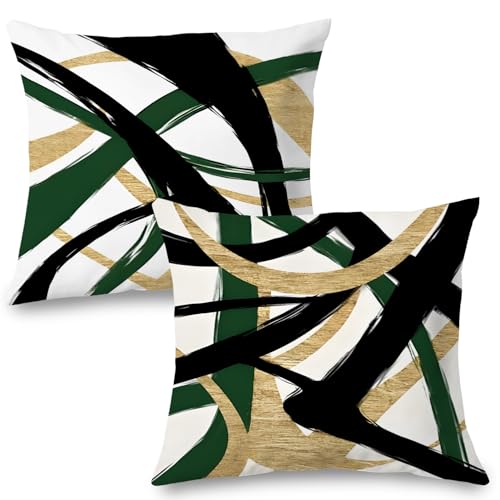
Indulgent Comfort: Dive into luxury with our 100% flannel throw pillow covers, delicately crafted for skin-friendly softness.

Package Includes: Set of 2 throw pillow cover, inserts or fillers are not included,hidden zipper design.To ensure vibrant,long-lasting colors and minimal shrinkage, we utilize a new, premium quality thickened velvet material. This material not only offers a plush softness but also showcases a delicate shimmer,exuding an aura of luxury and sophistication. Due to the fabricis stretchy,the actual length may be slightly inaccurate.
9. Historical Elements

Incorporating historical elements into your living room design significantly enhances the Baroque aesthetic. Vintage books, antique globes, or classical sculptures pay homage to the rich history behind this style, creating a sense of connection between the past and present.
Start by curating a collection of vintage books displayed artistically. Seek unique finds at auctions or estate sales to add character and intrigue.
Here are some ideas for placement:
– Use antique books as decor on tables or shelves.
– Position historical pieces near seating for interaction.
These elements not only enrich your decor but also serve as conversation starters, inviting stories and memories to be shared in your elegant space.

Packaging Includes: you will receive a roll of 2 m milky white ceiling crown molding trim, 5 cm wide, with carefully designed shapes and lines that are optimized for enhancing the visual appeal and elegance of the ceiling, meeting your design needs

Generous Coverage: 14 pcs of molding trim, each 3.9 ft, totaling 55 ft. Solves the common issue of insufficient quantity for full-room projects. Achieve a consistent look across your home without extra orders

【Beautiful Design】The beautiful design of the wall trim makes your home no longer monotonous. The crown molding gives an elegant look.
10. Decorative Trims and Millwork
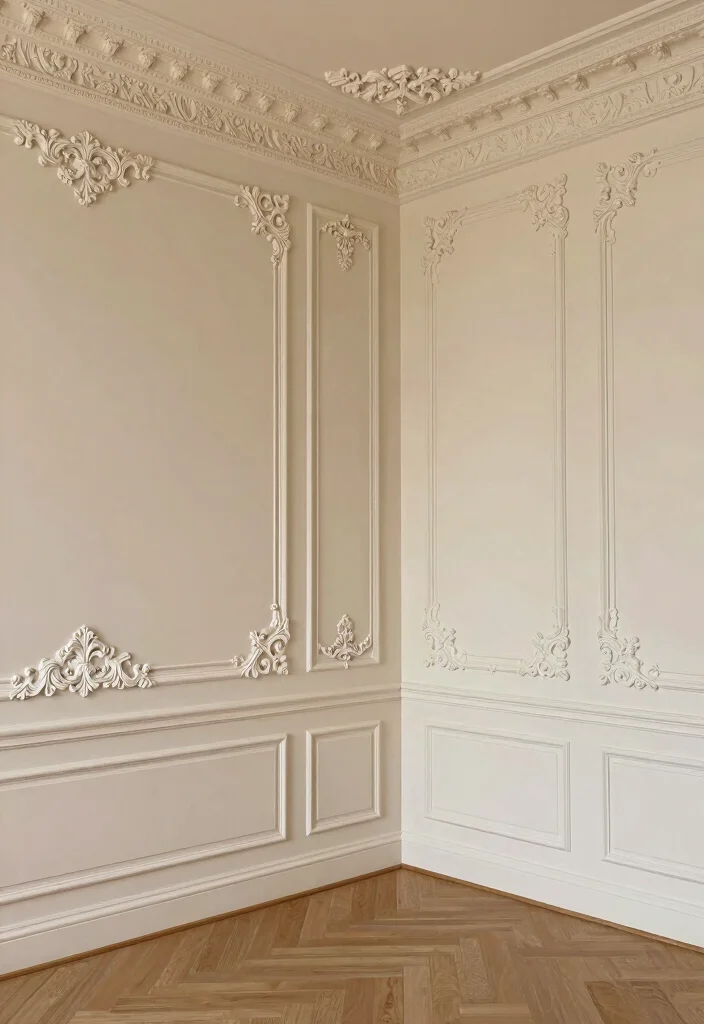
Decorative trims and millwork are pivotal in achieving the lavish Baroque aesthetic. Incorporating elements like chair rails, intricate baseboards, and ornate paneling adds artistry and grandeur to your living room. These features showcase elaborate designs that are quintessentially Baroque.
Choose trims that complement your room’s overall design in style and color. Painted finishes on millwork can add a unique flair, enhancing the visual appeal.
Consider these tips for incorporating trims:
– Select details that match the room’s proportions.
– Ensure a clean finish to highlight the intricate designs.
Integrating these details elevates your overall design, creating a cohesive and refined atmosphere that embodies the essence of Baroque style.
Fun fact: Bold trims and millwork can boost perceived luxury by up to 25% in photos. A single painted finish on ornate paneling can transform a baroque living room in just a weekend.
11. Layering for Depth
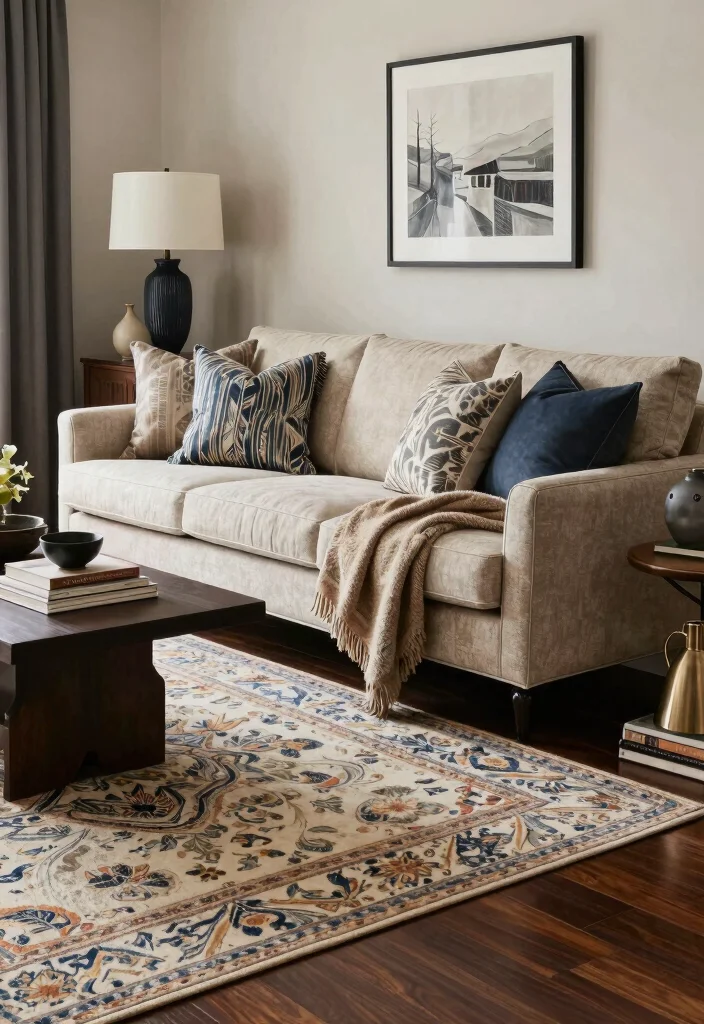
Layering is a key technique in Baroque design, adding depth and richness to your living room. This can be achieved through textiles, colors, and furniture styles, where each layer contributes to the overall opulence and visual interest of the space.
Mix patterns and textures in your textiles, such as combining florals, stripes, and solids. Stacking furniture pieces, like placing a smaller chair alongside a grand sofa, enhances visual intrigue.
Here are some layering techniques to consider:
– Use a variety of textile patterns for a rich tapestry.
– Create visual interest with varying furniture heights.
This strategic layering enriches the design while inviting comfort and warmth, which is essential for relaxation in your living space.
12. Contrast and Balance
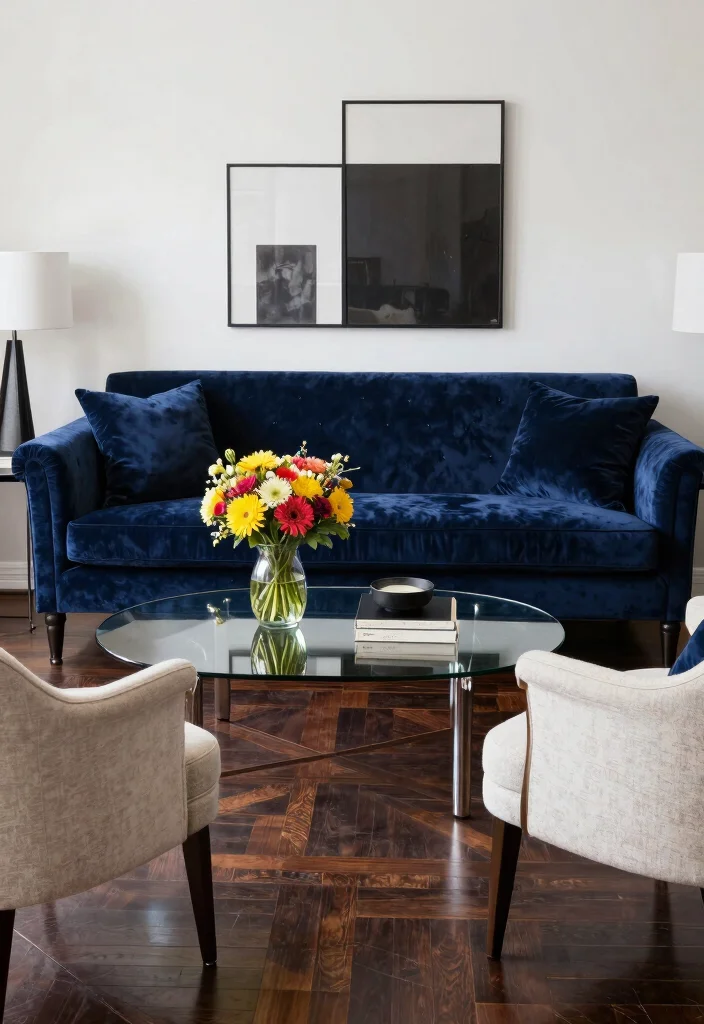
Balancing your living room with contrasting elements creates visual drama, a hallmark of Baroque style. This involves contrasting colors, textures, or furniture styles that keep the room dynamic and engaging.
Utilize a balance of light and dark elements to highlight features in the room. Mixing soft textures like velvet with hard surfaces such as metal or glass fosters a captivating environment.
Consider these contrast tips:
– Use both light and dark elements for visual intrigue.
– Combine soft and hard materials for depth.
Creating contrast enhances the visual appeal and encourages flow within the space, ensuring each element plays a role in the overall design.
13. Personal Touches
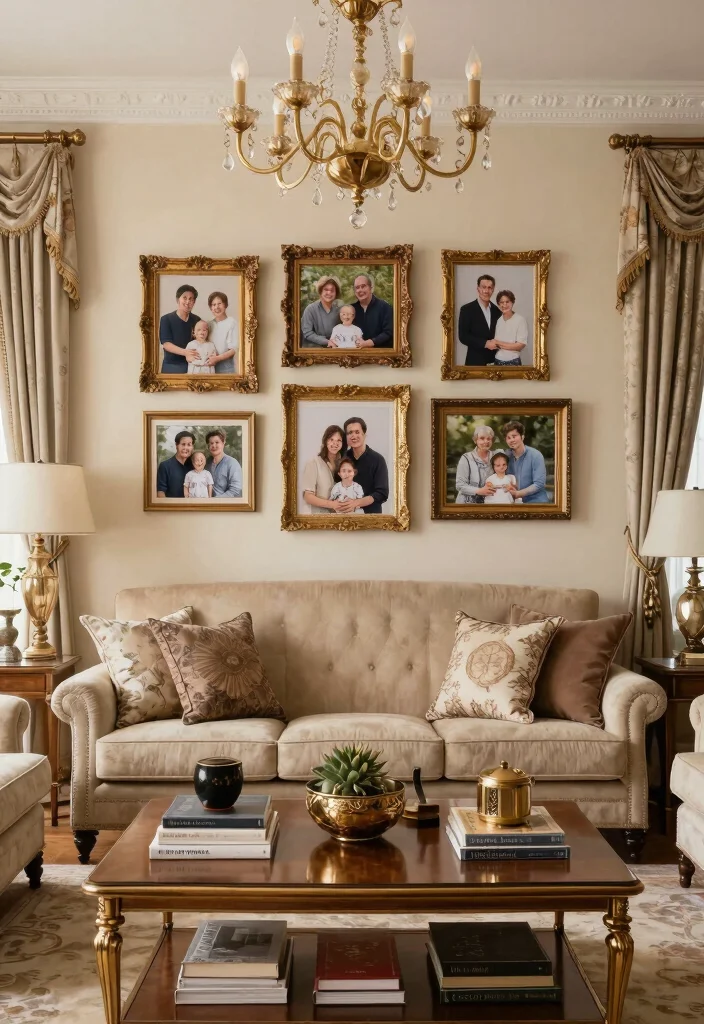
Incorporating personal touches into your living room design is essential for making it feel like home. Family heirlooms, travel mementos, or modern art pieces that resonate with you create a unique blend of personal history and Baroque grandeur.
Display items that hold meaning for you, like photographs or souvenirs, to create a narrative within the space. Curate vignettes showcasing your interests while harmonizing with the Baroque decor.
Here are some tips for incorporating personal touches:
– Create meaningful displays that tell your story.
– Mix modern pieces with vintage finds for unique charm.
Your living room should reflect who you are, blending your journey with the elegance of the Baroque style.
14. Statement Wall

Creating a statement wall in your living room is a fantastic way to embrace the Baroque style. Whether through wallpaper, bold paint, or an art installation, this feature becomes the focal point, drawing the eye and enhancing the overall design.
Use rich, textured wallpaper to add depth and interest, or consider a bold color that contrasts with the rest of the room’s palette. This feature sets the tone for the entire space, making it feel curated and intentional.
Here are some tips for creating a statement wall:
– Opt for wallpaper that reflects your style and enhances the space.
– Ensure it complements rather than competes with your decor.
Being mindful of balance will ensure your statement wall enhances your overall design without overwhelming the space.
15. Focal Points and Symmetry

Creating focal points and symmetry in a Baroque living room is essential for achieving its design. Symmetry offers balance and order, while focal points attract attention and generate visual interest, whether through grand furniture or an eye-catching chandelier.
Arrange seating around a central piece to draw the eye and create a cohesive look. Use symmetry in furniture placement for a polished and harmonious feel.
Consider these focal point tips:
– Highlight a central piece with strategic lighting.
– Ensure furniture arrangement promotes symmetry and balance.
This careful orchestration keeps the room dynamic yet harmonious, embodying the essence of Baroque design.
Fun fact: a central chandelier can increase perceived height by up to 20% in a baroque living room. Pair it with symmetric seating to create instant balance and drama.
16. A Cozy Yet Opulent Atmosphere

Creating a cozy yet opulent atmosphere is the ultimate goal of a Baroque living room. It’s about marrying grandeur with warmth so that the space feels inviting and lavish. Thoughtful layout, rich textures, and personal touches make the room feel lived-in and welcoming.
Layer textiles for warmth, mixing soft throws and plush cushions to enhance comfort. Use ambient lighting to create a welcoming glow that invites relaxation.
Here are some tips for achieving this atmosphere:
– Balance warm and rich textiles for comfort.
– Use layered lighting to enhance the inviting ambiance.
Striking the right balance ensures your space feels inviting without sacrificing the opulence that defines Baroque design.
Conclusion
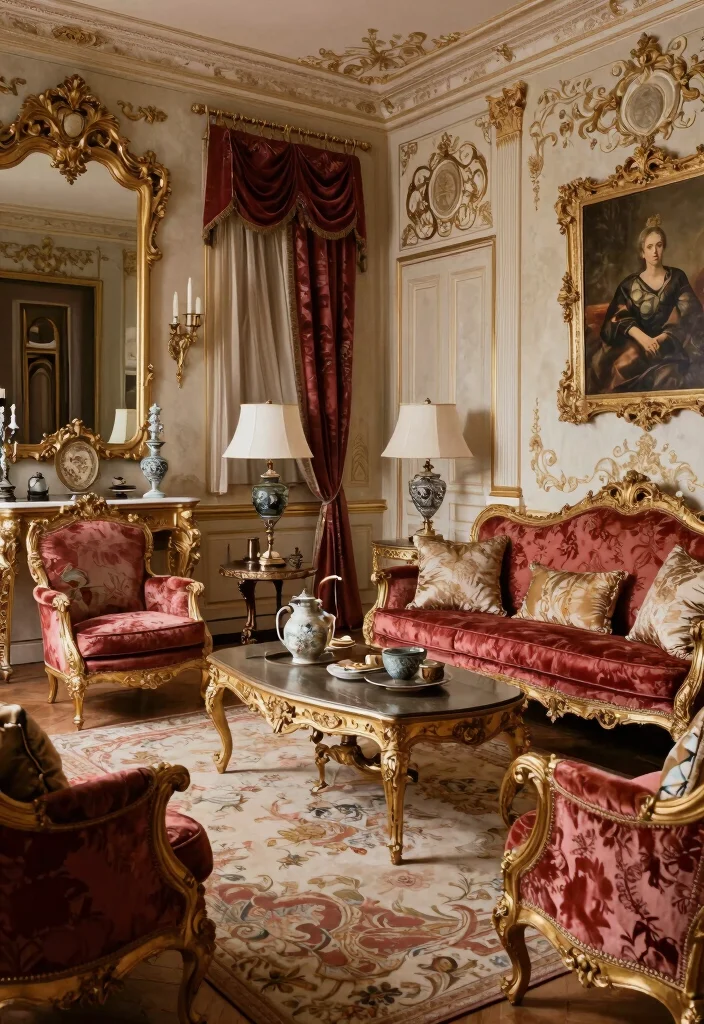
Transforming your living room into a Baroque masterpiece is all about embracing luxury and intricate details while maintaining a cozy and inviting atmosphere. By integrating these 16 ideas, from dramatic color schemes and vintage furniture to opulent accessories and personal touches, you can create a space that truly reflects your personality and style. The Baroque aesthetic is not just a design choice; it’s a statement of elegance and artistry that will captivate all who enter.
Now, it’s time to infuse your living space with the rich and delightful charm of Baroque decor!
Frequently Asked Questions
What defines a baroque living room and where should I start?
A baroque living room feels grand, layered, and theatrical with ornate details, gilded finishes, and sumptuous textiles. To begin, pick a focal piece (like a gilded mirror or a carved fireplace Mantel) and build around it with ornate decor and luxurious textiles.
Choose a dramatic color scheme with jewel tones or rich neutrals, then introduce vintage furniture silhouettes and carved wood accents. Finish with statement lighting to amplify the opulence without overwhelming the space.
How can I achieve luxurious interiors in a baroque living room on a budget?
Start with one high-impact piece as your anchor, such as a tufted velvet sofa or a gilded frame, and supplement with affordable ornate decor items like brass lamps or crystal accents.
Use paint, wallpaper, or fabric with damask or scroll motifs to create texture without buying all-new furniture. DIY options like gilding faux molding or refinishing woodwork can add opulence at a fraction of the cost, while keeping the space cohesive and baroque living room-inspired.
Which dramatic color schemes work best in a baroque living room?
Rich jewel tones—burgundy, emerald, sapphire—paired with gold or bronze accents create instant drama. Balance dark walls with lighter ceilings and upholstery in luxurious interiors fabrics like velvet or satin. Use an accent wall or gilded frames to pull the color story together, and soften the look with warm lighting to avoid the room feeling closed in.
What vintage furniture pieces pair best with baroque accents?
Carved wood pieces, tufted velvet sofas, chaise longues, and ornate coffee tables are ideal starting points. Mix these with cleaner, streamlined pieces to prevent heaviness; the contrast helps the baroque living room feel intentional rather than cluttered. When in doubt, choose scale-consistent items and repeat a single carved motif to unify the space.
How can I accessorize with opulent accessories without cluttering the room?
Use accessories in odd numbers and repeat motifs (scrolls, fleurs, or damask patterns) to create cohesion. Prioritize a few standout pieces—think a crystal chandelier, a pair of gilded mirrors, or a dramatic candelabrum—and keep surfaces tidy with smart storage. Balance opulent accessories with negative space and functional furniture to maintain a comfortable, walkable living room.
Related Topics
baroque living room
ornate decor
luxurious interiors
dramatic color schemes
vintage furniture
opulent accessories
interior design
elegant accents
home decor trends
classic style
sophisticated decor
luxury living