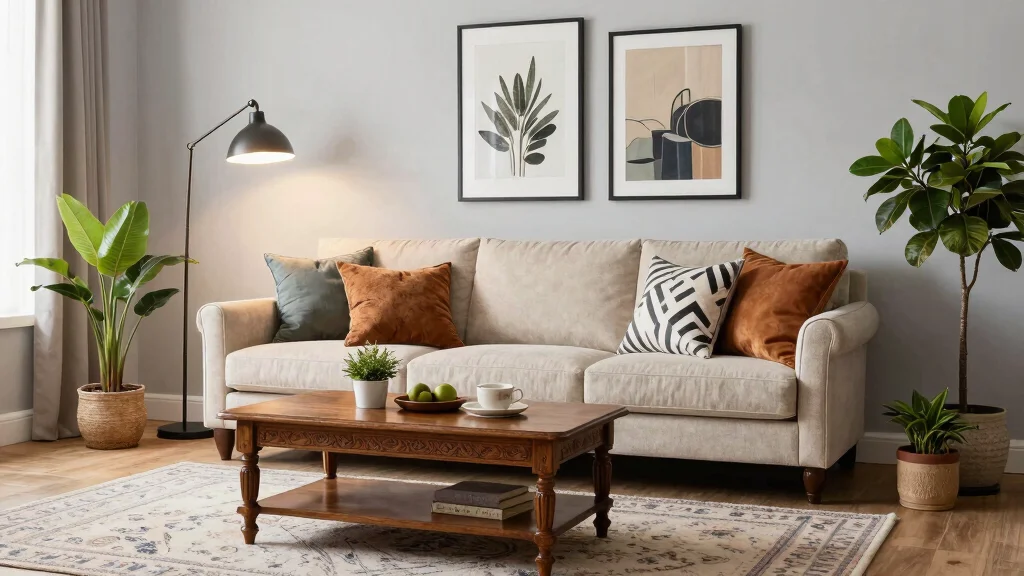
Creating a cozy and inviting space in your home is something we all aspire to. As the heart of the home, your living room should reflect your personality while remaining functional. If you’ve been scrolling through decor blogs or magazines, you might be craving a style that feels balanced and welcoming—this is where transitional living room design comes into play. This post is crafted for those who want to create a living room that blends the charm of vintage accents with modern home accents.
If you’re someone who loves the idea of a cozy living room decor that fuses traditional and contemporary elements, you’re in for a treat! We’ve compiled 18 incredible transitional living room ideas that strike the perfect balance of styles. Whether you’re a seasoned decorator or just beginning, these ideas will inspire you to integrate blended interior styles that truly resonate with your taste. You’ll discover how to arrange functional furniture, choose stylish color palettes, and incorporate cozy textiles that create a warm atmosphere.
Get ready to unlock the potential of your living room! You’ll find actionable tips on how to mix patterns and prints, effectively utilize layered lighting, and much more. By the end of this post, you’ll have a treasure trove of inspiration to transform your living space into a stylish haven that feels uniquely yours.
Key Takeaways
– Explore how a vintage-inspired color palette can set the mood for your transitional living room, creating a warm foundation for your decor choices.
– Learn about blended textures that add depth and interest to your space, combining materials like wood, metal, and fabric for a cohesive look.
– Discover the importance of a functional furniture arrangement that makes the most of your space while allowing for easy conversation and movement.
– Find out how to incorporate smart storage solutions that keep your living room clutter-free while maintaining a stylish appearance.
– Get tips on adding personal touches and unique accessories that reflect your personality, ensuring your living room is not only beautiful but also truly feels like home.
1. Vintage-Inspired Color Palette
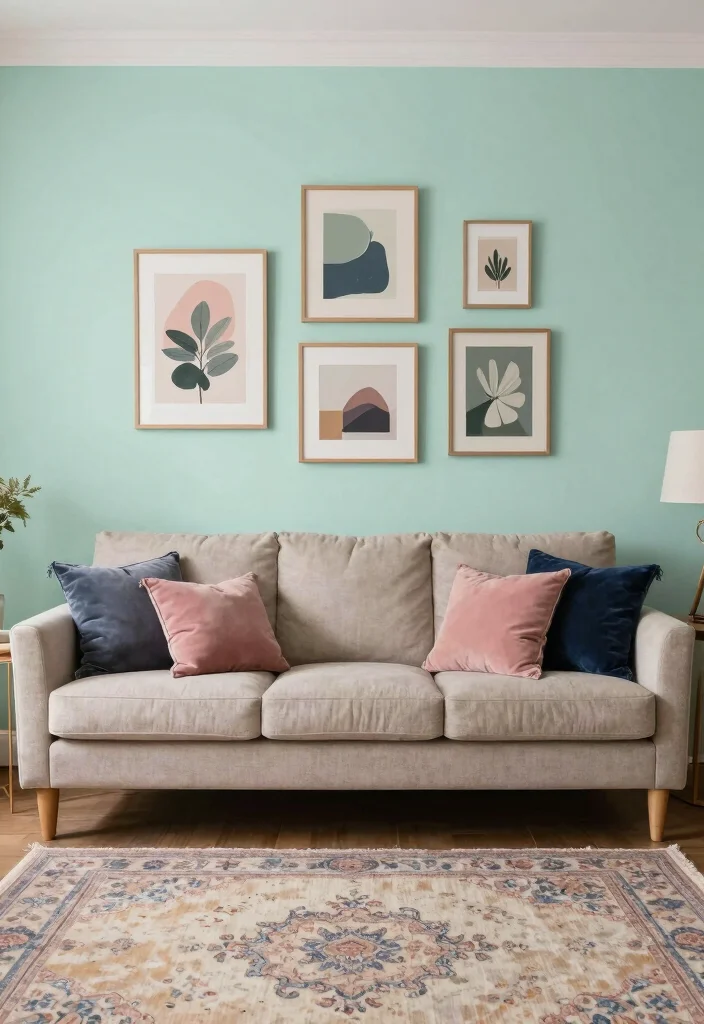
A vintage-inspired color palette can infuse your transitional living room with charm and warmth. Soft pastel hues like mint green, dusty rose, and pale yellow paired with deeper tones such as navy or charcoal create a visually harmonious space. This combination evokes nostalgia while still feeling modern, inviting you to relax and enjoy your surroundings.
To make the most of this color scheme, consider using neutral furniture as your foundation and introduce vibrant accents through decor items such as cushions and artwork. Vintage wallpaper or a bold accent wall can also serve as a striking focal point. Playful mixing of colors adds character while maintaining coherence.
Consider these ideas to enhance your palette:
– Pair mint green walls with a navy sofa
– Install dusty rose cushions on neutral chairs
– Use pale yellow throw blankets for a pop of color
– Incorporate vintage decor pieces to tie the look together
This approach creates a cozy retreat that beautifully balances warmth and style, showcasing the charm of vintage tones in a contemporary setting.

Package & Size: You will receive 1 piece pillow cover only, pillow insert is not included. Standard size 18×18 inch (45×45cm), please allow 1-2cm manual measurement error.

【Exquisite Double-Sided Printing Design】You can enjoy the beautiful vintage style of your pillow from both sides.

PACKAGE INCLUDES: 4 pcs 18x18 inch pillow covers (NO INSERT). Cream, Light Brown, Light Grey, Grey
How To Choose Transitional Living Room Decor
Creating a transitional living room can blend the charm of vintage accents with modern home accents. Choosing the right decor is essential for achieving that perfect balance. Here are some key criteria to consider when selecting decor for your transitional living room:
1. Style Compatibility
Focus on finding pieces that harmonize with both modern and vintage styles. Look for furniture that combines sleek lines with classic designs. For example, a vintage armchair with clean, modern upholstery can bring together both aesthetics.
2. Color Palette
Choosing a stylish color palette can significantly impact your living room’s overall vibe. Consider warm, inviting hues like taupe or soft gray as a base. Accent these with richer tones, such as deep reds or blues, to add depth. When mixing colors, keep in mind how they complement the vintage accents while maintaining a modern feel.
3. Functional Furniture Arrangement
The layout of your room plays a vital role in its functionality. Ensure that your furniture arrangement promotes easy movement and conversation. Try to incorporate multifunctional furniture, like a vintage trunk that doubles as a coffee table. This not only saves space but also adds character to your cozy living room decor.
4. Texture Mixing
Incorporating various textures will add depth and interest to your living room. Combine smooth, modern finishes with rustic, vintage elements. Consider layering plush rugs with wooden floors or combining leather with soft fabrics. This contrast will create a cozy and inviting atmosphere in your space.
5. Personal Touches
Don’t forget to add personal touches that reflect your personality and style. Incorporate family heirlooms or souvenirs from your travels. These items can serve as focal points and conversation starters while seamlessly blending with your chosen decor style.
6. Budget Considerations
Before you start shopping, establish a budget to help guide your selections. Prioritize key pieces that will make the most significant impact, such as a statement sofa or a unique artwork. Remember that some vintage items can be found at thrift stores or online marketplaces for a fraction of the cost of new ones.
Pro Tip: Take your time while curating your transitional living room. Collect items gradually to ensure that each piece resonates with your personal style and complements the overall aesthetic. This approach not only helps you stick within your budget but also creates a more cohesive and thoughtful space.
By considering these criteria, you can effectively choose decor that harmonizes vintage accents with modern home accents, resulting in a stylish and functional transitional living room. Whether it’s through color, texture, or layout, each choice you make contributes to the overall ambiance of your space. Happy decorating!
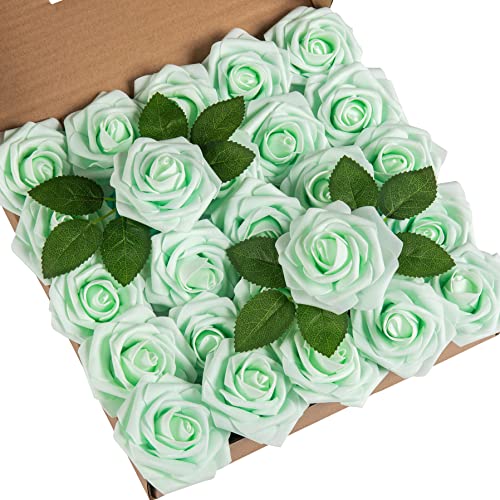
Material: Roses artificial flowers are made of a soft Eco-friendly&high quality PE foam,they come with stems that are easy to work with silk flowers for wedding decoration.

Materials: The artificial flowers are made of soft latex foam, PE material, touches very soft

【Soft Pink & Sage Green Colors for Modern Boho Spaces】Featuring a calming blend of blush pink, sage green, and ivory tassels, this handmade garland adds warmth and texture to nurseries, bedrooms, dorms, offices, and cozy boho-inspired spaces. Versatile pink and green decor that refreshes any room year-round.
2. Blended Textures for Depth
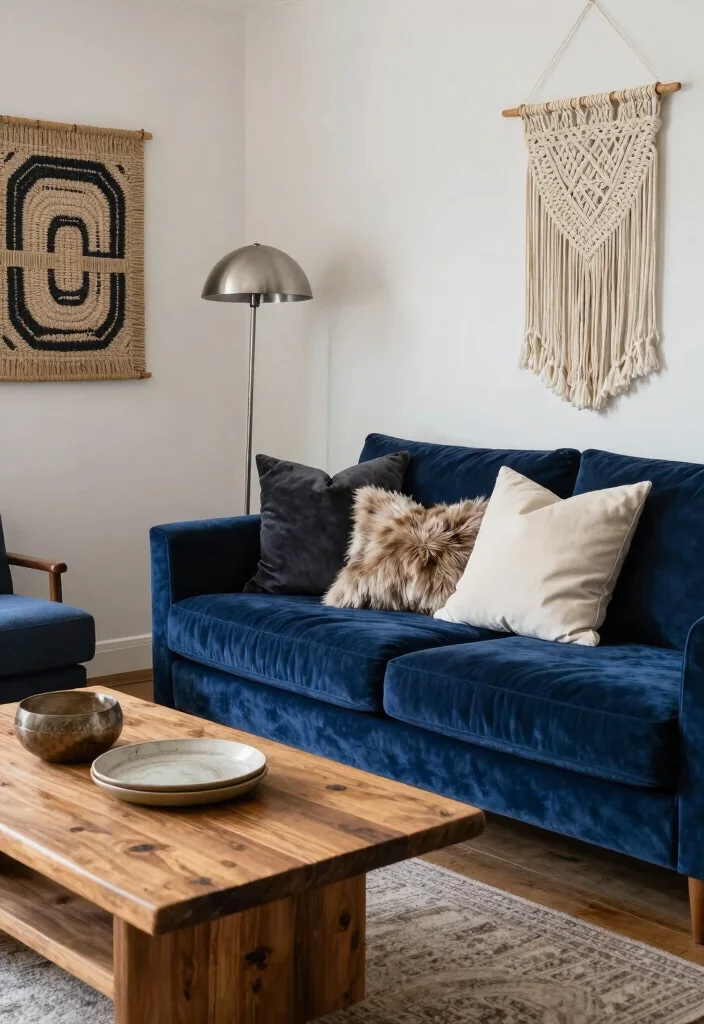
Blending textures is a fantastic way to add depth to your transitional living room, creating a rich sensory experience. Combining soft materials like velvet and linen with harder surfaces such as wood and metal creates a delightful contrast that engages the senses and enhances the room’s character.
To achieve this textured harmony, think about layering furnishings—pair a velvet sectional with a rustic wooden coffee table. Incorporate different cushion materials to create visual interest, and don’t forget to add metal accents for a modern twist. This combination will not only elevate the aesthetic but also invite tactile exploration.
Implement these texture blending tips:
– Incorporate a velvet sofa with a reclaimed wood table
– Use cushions in various fabrics like faux fur and cotton
– Add a metal floor lamp for contrast
– Hang woven art pieces to introduce depth
Striking this balance ensures that while the textures vary, they work together seamlessly, enhancing the overall design of your space.
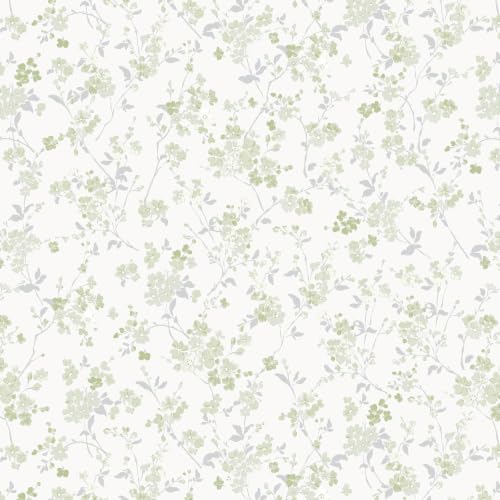
【Organic & Grounded Botanical Charm】Bring a sense of fresh nature into your home with this sage green and silver-gray floral wallpaper. The muted earthy tones and soft blooms on a clean white background create a sophisticated, organic look. This refreshing design instantly makes any study, living room, or bedroom feel more vibrant and natural
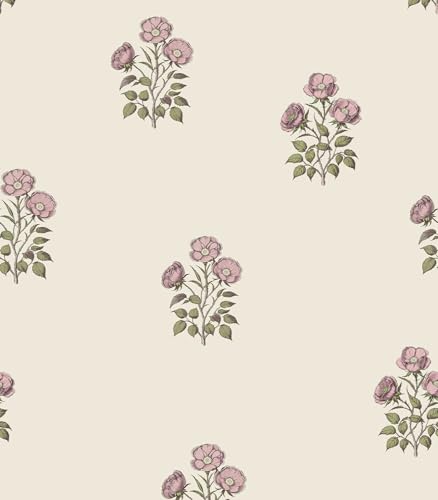
【 SIZE 】 Measuring 17.3in x 78.7in (9.5sq.ft), this upgraded floral peel and stick wallpaper features a thickened vinyl construction with advanced removable adhesive. Its strong grip adheres seamlessly to smooth, dry surfaces and leaves no residue when peeled off

Pattern Design:This wallpaper features a vintage floral pattern inspired by wild roses and lilies. The design employs a soft, low-saturation color palette, presented in a symmetrical yet staggered arrangement against an off-white background, exuding a gentle, rustic, and vintage charm.
3. Functional Furniture Arrangement
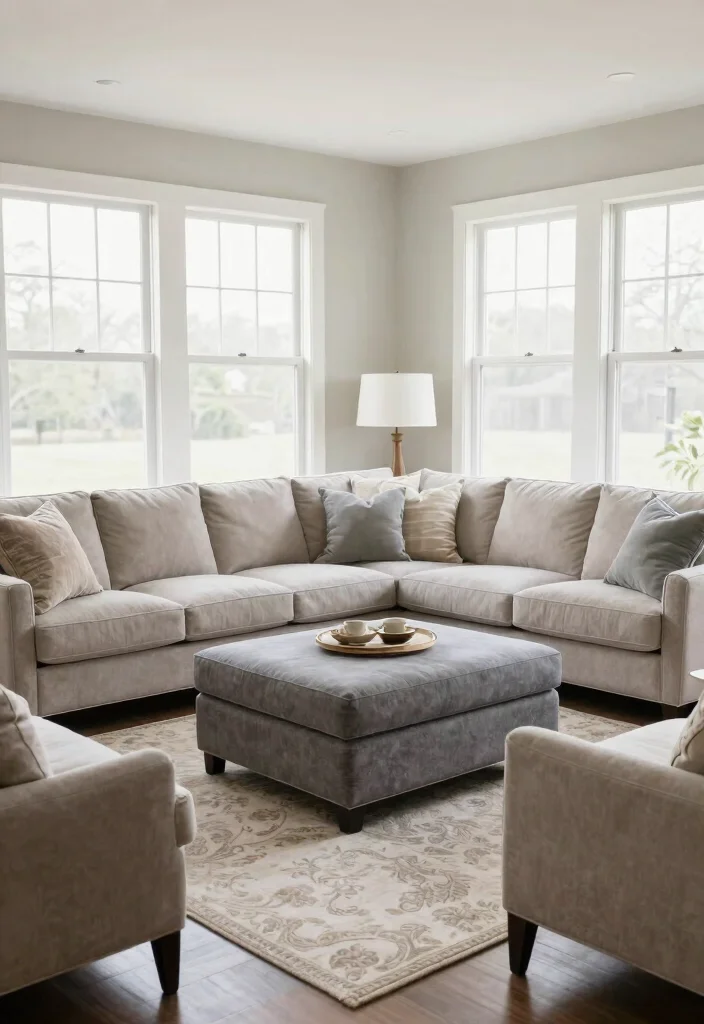
A well-planned furniture arrangement is key to a transitional living room that feels inviting and functional. Positioning your furniture thoughtfully encourages interaction and flow, maximizing the available space for comfort and usability.
To create an inviting layout, consider grouping seating in a U-shape or L-shape to foster conversation. Ensure there are clear pathways to avoid clutter, and include multifunctional pieces like ottomans that provide extra storage. Arranging furniture to capitalize on natural light will enhance the room’s warmth and atmosphere.
Try these arrangement strategies:
– Group seating to create intimate conversation areas
– Maintain clear pathways for easy movement
– Incorporate ottomans with hidden storage
– Position furniture to benefit from natural light
This thoughtful arrangement not only promotes comfort but also enhances the overall functionality, making your living room a versatile space for both relaxation and social gatherings.

Remote Control Torchiere Floor Lamp with Stepless Dimming: Comes with a 9W dimmable LED bulb (E26 base). Adjust brightness from 10%-100% and color temperature from 2700K to 6500K smoothly, create different atmospheres and customize your favorite bedroom floor lamp. This tall lamp with remote (up to 49 ft range) puts the perfect light at your fingertips. Please adjust the rotary switch into ON in advance before.

[Farmhouse Look & Space-Saving] This elegant corner floor lamp features a built-in LED light strip and wooden triangular shelf structure that maximizes space. Its sleek modern floor lamp design ensures every inch of your living room or bedroom is utilized, blending farmhouse style with functionality as a tall floor light.
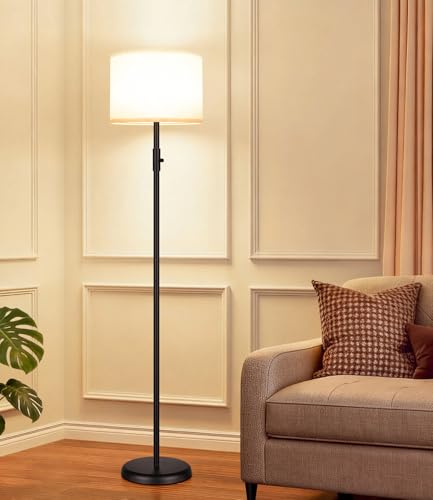
Stepless Dimming (0-100%) : Unlike traditional non dimmable floor lamps, our dimmable floor lamp features fully stepless dimming, making it suitable for various room styles and lighting needs. With a simple turn of the knob, you can easily adjust the brightness to your preference, whether for your living room or bedroom
4. Vintage Accents with Modern Lines
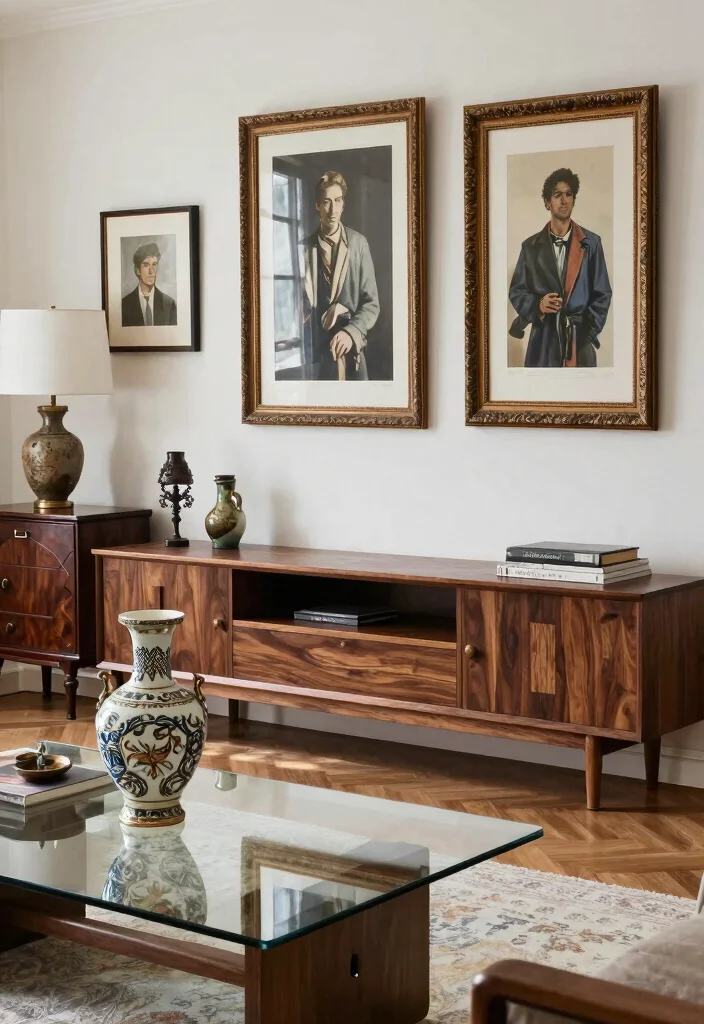
Incorporating vintage accents alongside modern lines creates a striking focal point in your transitional living room. This design approach beautifully juxtaposes historical charm with contemporary flair, resulting in a space full of visual intrigue.
To emphasize this blend, consider using a sleek modern coffee table paired with a vintage vase or lamp. A vintage sideboard can serve as a stylish media console, merging old-world charm with today’s technology. Look for art that combines contemporary styles with vintage frames to seamlessly tie the two aesthetics together.
Enhance this look with these tips:
– Use a modern table with vintage decor pieces
– Introduce a vintage sideboard for contrast
– Choose artwork that fuses old and new styles
This combination not only serves as a conversation starter but also maintains a balance of elegance, adding unique personality to your living space.

Multipurpose Usage: This premium clothes organizer dresser mixes classic and modern designs, allowing it to blend seamlessly with any decor style in your home, and perfectly fit as a Guest dresser, book dresser, bedroom dresser, closet dresser

【 Large Capacity Storage Bedroom Dresser whit 12 Spacious Drawers】 This tall fabric dresser features 12 spacious drawers and a waterproof wood top, providing generous storage for clothes, blankets, and daily essentials. Top 4 drawers organize socks and accessories; bottom 8 large drawers hold T-shirts, jeans, hoodies — each supports up to 22 lbs. No more searching through messy piles.
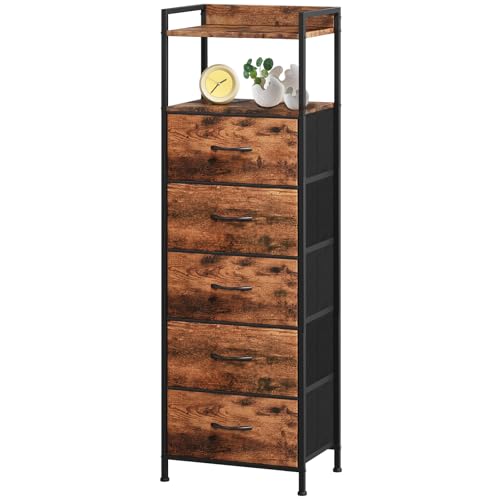
Multi-functional Storage: This fabric dresser features multiple foldable drawers to help organize clothes, toys, socks, underwear, scarves, blankets, and other daily essentials. The lightweight fabric drawers are easy to pull and safe for everyday use
5. Layered Lighting for Ambiance

Lighting plays a crucial role in setting the mood of your transitional living room. Layering different light sources enhances ambiance, making your space feel warm and inviting for both everyday use and entertaining.
To achieve the perfect lighting, combine overhead fixtures with table and floor lamps to create a cozy glow. Dimmable lights allow you to adjust brightness according to the time of day, while accent lighting can highlight artwork or architectural features. This careful layering ensures that your room is always welcoming, regardless of the occasion.
Consider these layered lighting techniques:
– Combine overhead lights with table and floor lamps
– Use dimmable fixtures for versatile lighting
– Incorporate accent lighting to highlight special features
Thoughtful layering can transform your space, ensuring it remains inviting, functional, and beautifully illuminated throughout the day.

High-Quality Chenille: Made from premium chenille fabric, our pillow covers not only provide a soft touch but also enhanced durability, able to withstand daily use and friction. The plush texture of our chenille pillow covers showcases a rich, three-dimensional appearance, adding more fullness to your sofa. 16 x 16 inches. Includes 2 pillow covers without inserts.

Contains: Brand New 2 PCs Square Covers/Shells 18" X 18"(45 X 45cm), No Insert or Filler, Solid Colored

Using polyester for long-lasting use
6. Eclectic Accessories for Personality
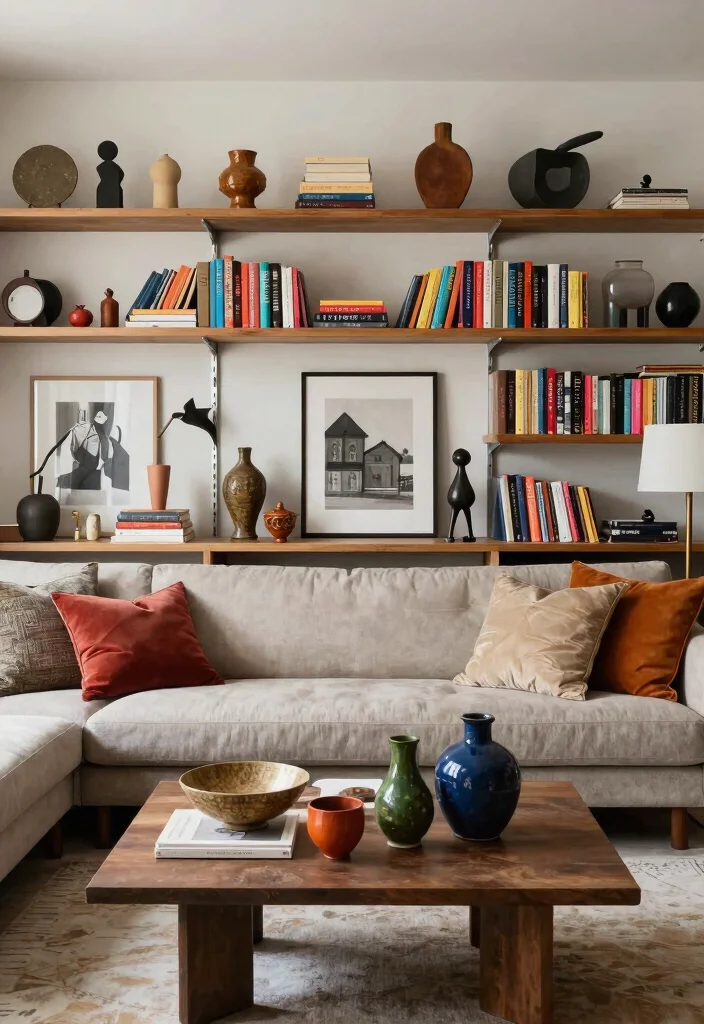
Accessorizing your transitional living room with eclectic pieces is a delightful way to showcase your personality and create a unique atmosphere. Curated collections and distinctive finds tell your story, sparking conversation and adding character to the space.
To achieve an eclectic look, mix decorative objects such as books, sculptures, and vintage treasures. Open shelving provides an excellent platform for displaying your collection while keeping it visually appealing. Balance textures and colors to maintain harmony with your overall decor theme.
Use these accessorizing tips:
– Incorporate diverse decorative objects like books and sculptures
– Use open shelves to showcase your collection
– Maintain a mix of textures and colors for harmony
Eclectic accessories not only enhance visual appeal but also create a welcoming environment that reflects who you are, making your living room feel genuinely inviting.

Material: High quality silk and foam flowers and greenery, and some embellishing accessories.

Luxury Cotton: With the exception of the decorative striping, these towels are made with low-twist combed cotton, the long cotton fibers are strong and allow for superior softness while being highly-absorbent, quick-drying, and delicate on sensitive skin.

A nine-pointed flaming star emits soft light rays within an oval vignette framed by blossom garlands and filigree borders.
7. Mix of Patterns and Prints
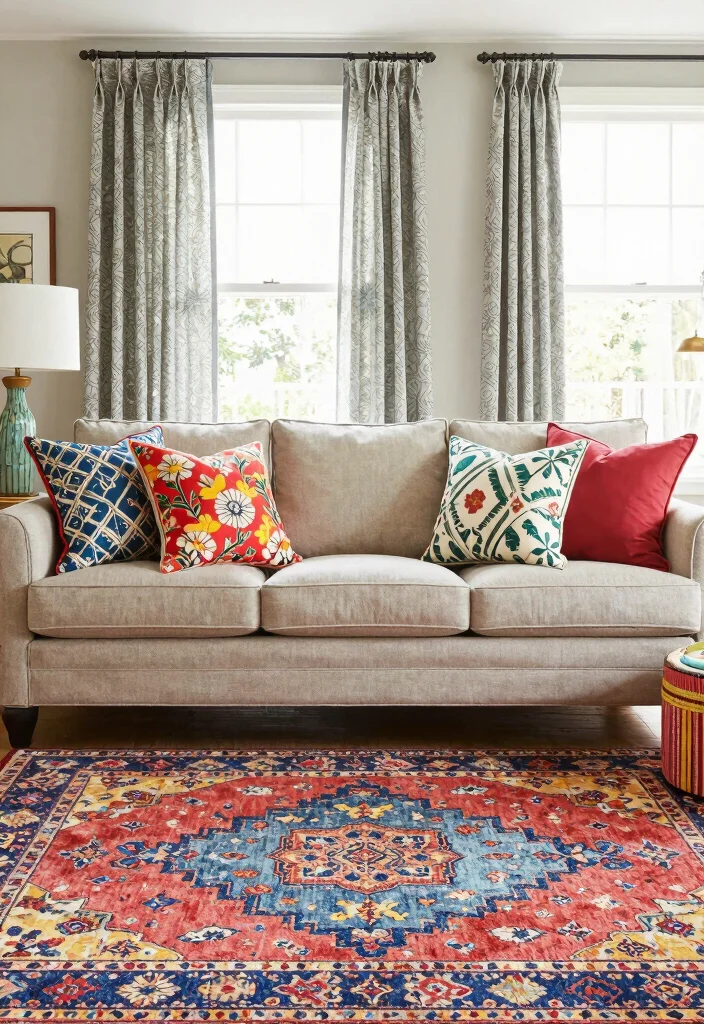
Embracing a mix of patterns and prints in your transitional living room can infuse the space with energy and showcase your creativity. This playful approach transforms a simple area into a vibrant and dynamic environment.
Start with smaller elements like cushions in complementary patterns, gradually introducing larger pieces such as rugs and curtains. Ensure that a unifying color scheme ties the different prints together, and balance bold designs with subtle ones to avoid overwhelming the space.
Try these pattern mixing strategies:
– Start with patterned cushions and build up from there
– Maintain a unifying color scheme to create balance
– Mix bold patterns with subdued ones for harmony
When executed thoughtfully, mixing patterns brings depth and interest, making your living room feel layered and stylish while keeping it visually appealing.
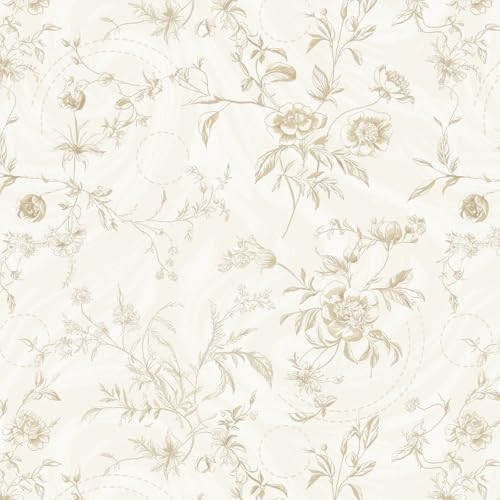
Design: Inspired by French gardens, exuding elegance and romance, a soft beige background features light brown floral branches and leaves in a scattered, natural arrangement. Delicate brushstrokes form varied floral patterns, while the harmonious color scheme captures the romantic essence of a French garden, bringing warmth and an inviting atmosphere into your home

Vintage Ocean Wave Wallpaper - Inspired by traditional Japanese wave art, this wallpaper features dynamic rolling waves with intricate foam details and flowing lines. The layered blue and ivory tones create a sense of movement and depth, bringing a timeless ocean aesthetic to your space. Perfect for living rooms, bedrooms, studies, or creative studios seeking a calm yet dramatic coastal atmosphere.

Vibrant Floral Tile Mosaic Pattern: This peel and stick wallpaper features a vibrant, hand-painted floral tile mosaic design, with a mix of pink, purple, yellow, and teal botanical motifs on a soft neutral background. The rich, bohemian color palette and intricate tile details create a charming, Mediterranean-inspired atmosphere, making it the ultimate statement piece for farmhouse, boho, and eclectic decor enthusiasts.
8. Statement Art Pieces
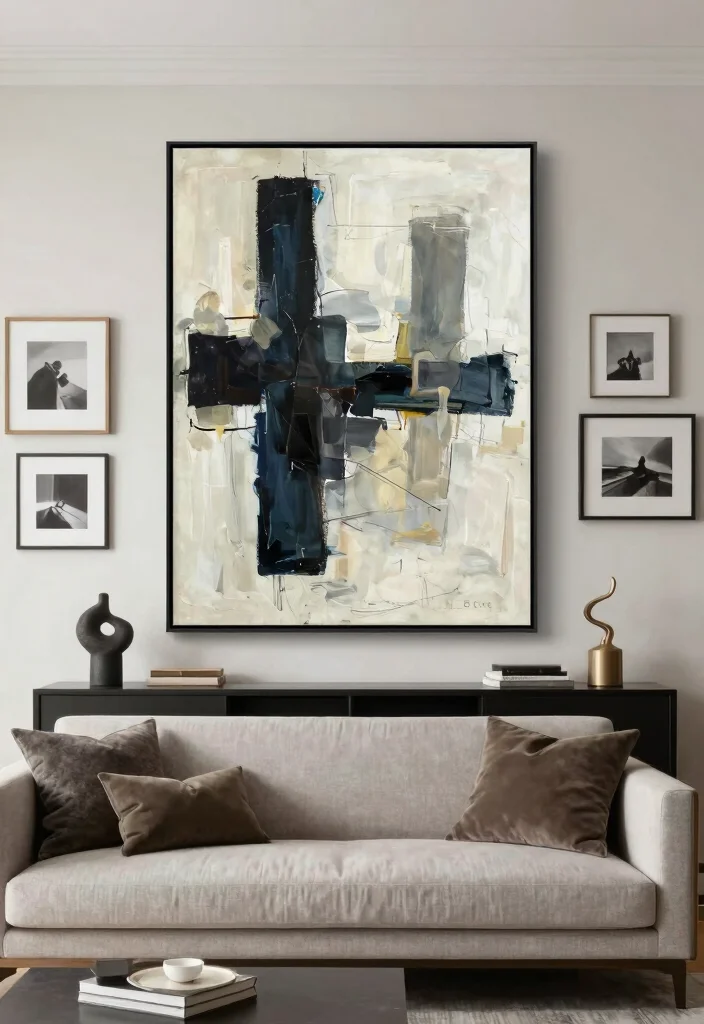
Art has the transformative ability to enhance any living room, making statement pieces a vital component of your transitional design. A large painting or intricate sculpture can serve as a captivating focal point, drawing attention and adding character to the space.
For impactful displays, hang large art pieces at eye level and mix various forms of art—such as paintings, photographs, and sculptures—for a well-rounded aesthetic. Choose pieces that resonate with you and reflect your style, turning art into a conversation starter.
Consider these art placement tips:
– Hang large pieces at eye level for impact
– Mix different art forms for a diverse look
– Choose art that reflects your personal style
Statement art not only elevates your decor but also fosters an emotional connection, making your living room feel more inviting and personal.

Magnetic Remote & Foot Switch: Enjoy dual control convenience. The magnetic remote attaches securely to the pole to prevent misplacement, while the foot switch allows for easy on/off control without bending down

Floor Lamps Set of 2: This floor light fits in any room from industrial to modern or traditional décor. Its simple and elegant design can make it easy to place in any room of the house.

【Eye-Comforting Milky White Frosted Glass Shades】Tired of squinting under blinding vanity lights? Our vanity lights feature high-quality, milky white frosted glass lampshades that diffuse light evenly and eliminate harsh glare, creating a gentle, eye-caring illumination.
9. Warm and Inviting Textiles
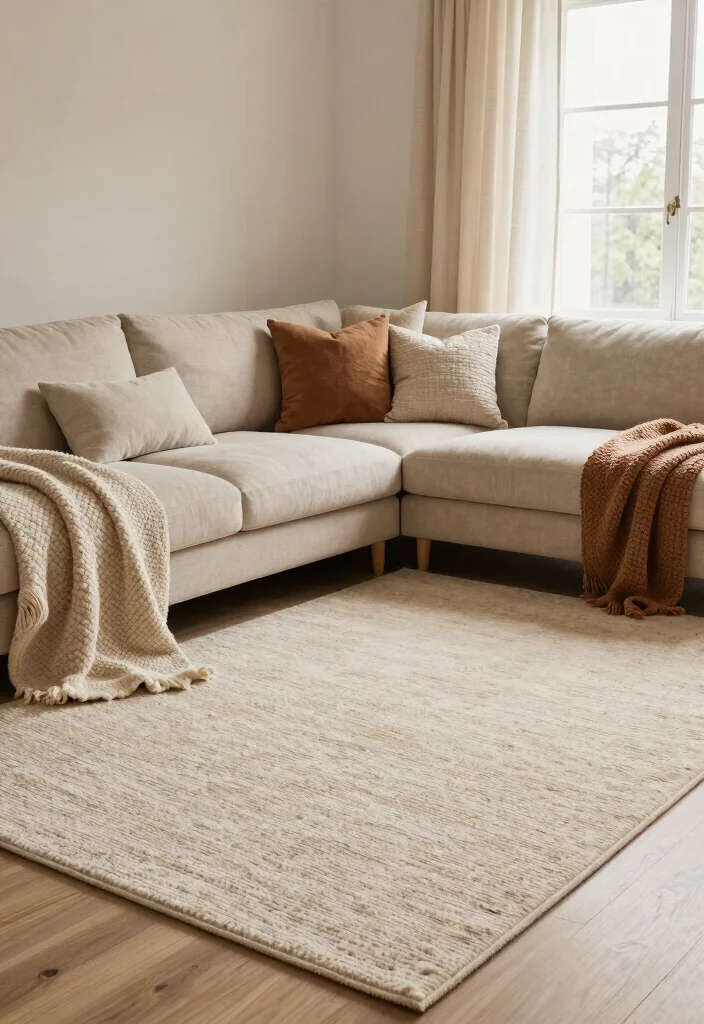
Textiles play an essential role in crafting a cozy atmosphere in your transitional living room. By using a variety of fabrics, you can enhance warmth and comfort while adding visual interest to the space.
To create a layered look, mix different fabric types such as cotton, wool, and linen. Area rugs can define spaces and provide warmth underfoot, while throws and cushions in various materials can enhance both comfort and style.
Implement these textile selection tips:
– Layer different fabric types for texture
– Use area rugs to define spaces
– Incorporate cozy throws and cushions for comfort
Warm textiles soften the hard edges of modern furniture, creating a welcoming environment perfect for relaxation and gatherings with family and friends.


[Textured Panels and Wood Framing] Jute-blend panels bring woven texture within a cappuccino-finished pine frame. The four-panel design creates a decorative room separator that can be repositioned as the interior arrangement changes.

【High-Quality Velvet Fabric & Premium Fillers】 Our dining chairs use high-quality velvet fabric (280g/m²) — noticeably more sophisticated and thicker than ordinary fabrics, making them a perfect upgrade for anyone refreshing their dining room, living room, or bedroom corner. Both the cushion and backrest are overfilled with high-density high-elastic sponge for all-day comfortable seating, whether for a quick lunch or a long dinner gathering.
10. Open Space Concept
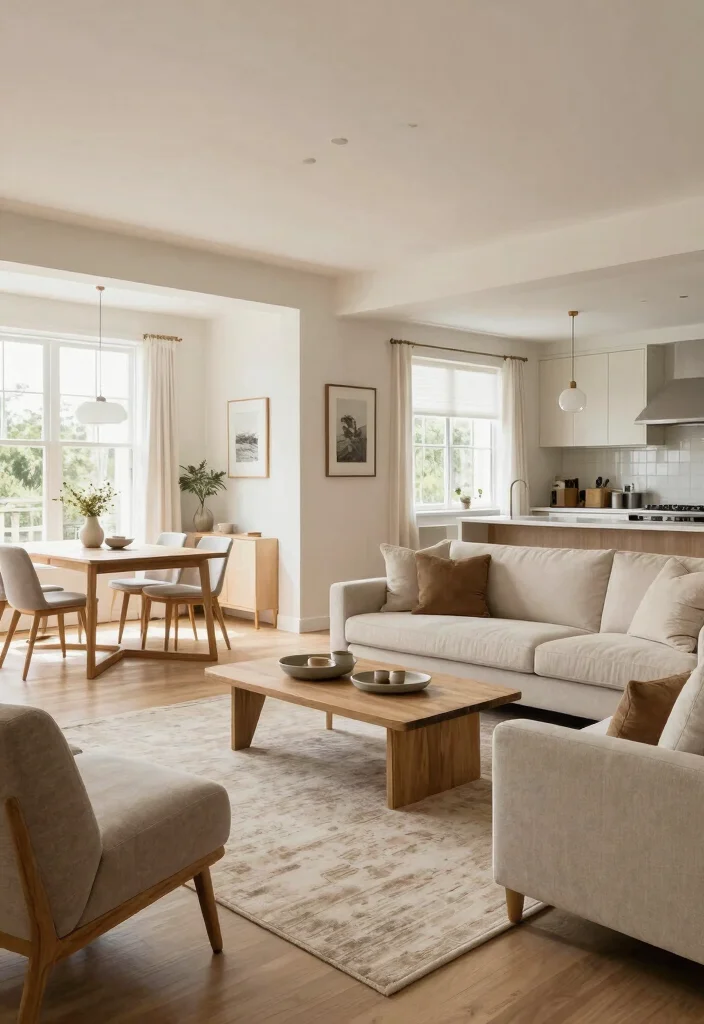
Adopting an open space concept enhances the flow between your living room and adjoining areas, encouraging interaction and connectivity. This layout fosters a welcoming environment, ideal for both family time and entertaining guests.
To create an open feel, keep furniture arrangements low to maintain sightlines and avoid visual barriers. Use area rugs to define spaces while keeping them open, and ensure a cohesive aesthetic throughout to unify different areas.
Consider these open space tips:
– Keep furniture low for better sightlines
– Use rugs to define spaces without closing them off
– Maintain a cohesive aesthetic for harmony
This layout maximizes functionality while providing a sense of togetherness, perfect for gatherings and daily family life.
11. Nature-Inspired Elements

Incorporating nature-inspired elements into your transitional living room evokes a sense of calm and tranquility. This can be achieved through colors, materials, and decor that reflect the beauty of the natural world.
Use earthy shades like greens, browns, and soft neutrals to create a peaceful atmosphere. Adding plants or greenery not only softens the room but also purifies the air. Consider natural materials like wood, stone, and rattan for furniture and decor to further enhance this connection to nature.
Use these nature-inspired tips:
– Incorporate earthy colors for a calming effect
– Add plants to improve air quality and aesthetics
– Use natural materials for a cohesive look
Integrating these elements enhances the overall aesthetic and creates a serene environment that encourages relaxation and a connection to nature.
12. Blending Old and New Furniture
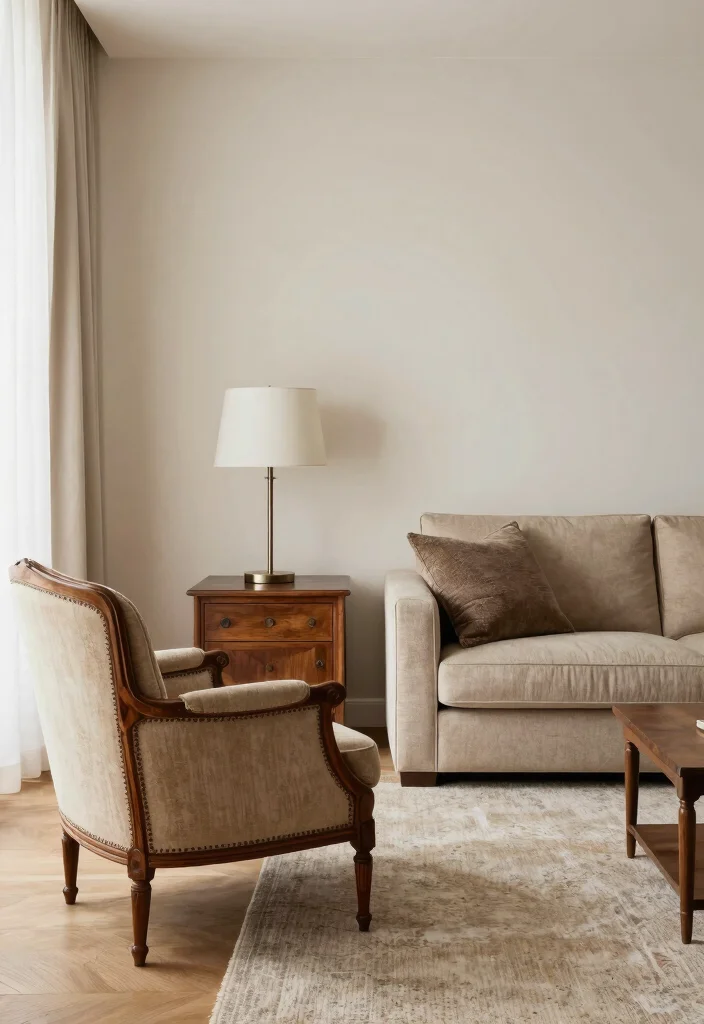
Mixing old and new furniture pieces creates a character-rich transitional living room that tells a story. This blend preserves memories while embracing contemporary style, resulting in a unique and inviting space.
Pairing an antique armchair with a modern sectional creates an eye-catching effect, while a vintage side table can contrast beautifully with sleek new lamps. Maintaining a cohesive color palette helps to unify these diverse styles.
Try these blending tips:
– Pair antique chairs with modern sofas for contrast
– Use vintage tables to complement contemporary lighting
– Keep the color palette cohesive for harmony
This fusion reflects your personal style, ensuring the room feels lived-in and inviting, with each piece adding depth and history to your decor.
Fun fact: mixing 1 antique piece with 1 modern piece can boost a transitional living room’s character by up to 40%. Keep a cohesive color palette to tie old and new together, and the result feels timeless and inviting.
13. Smart Storage Solutions
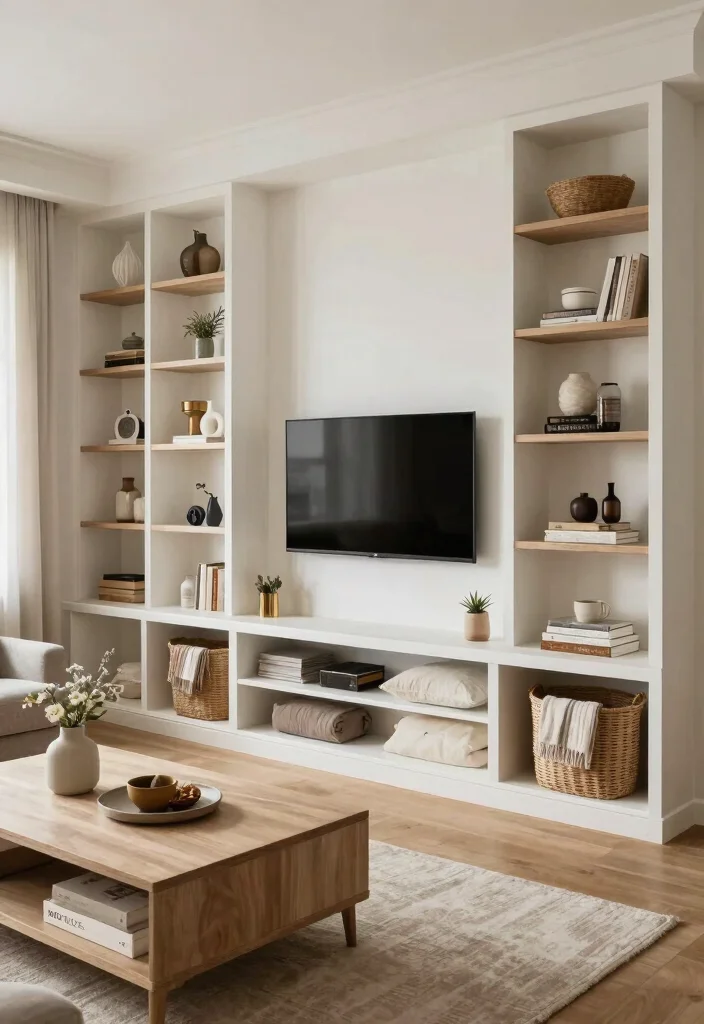
Implementing smart storage solutions is essential in a transitional living room to maintain an organized and functional space. This approach not only manages clutter but also keeps your design aesthetic intact.
Consider built-in shelves or cabinetry for a seamless look, and choose furniture that incorporates hidden storage like ottomans and coffee tables. Decorative baskets or boxes can organize smaller items while enhancing the decor’s visual appeal.
Use these storage solutions tips:
– Opt for built-in shelves for a seamless appearance
– Choose furniture with hidden storage for efficiency
– Organize accessories in decorative boxes for style
By integrating these solutions, you can create a tidy environment that allows your decor to shine while ensuring every item has its place.
14. Cozy Corner Nooks
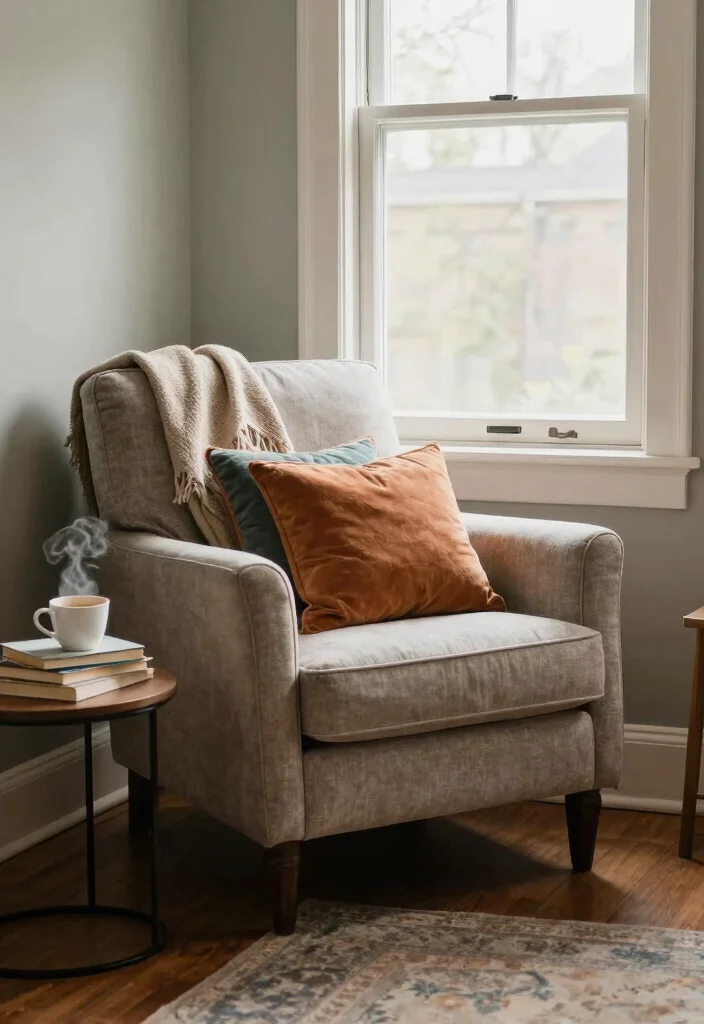
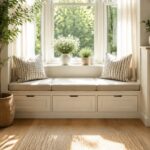
Designing cozy corner nooks in your transitional living room adds an element of charm and intimacy. These inviting spaces are perfect for reading, relaxing, or enjoying a quiet moment with a cup of coffee.
To create a nook, position a comfortable armchair or chaise lounge next to a window to take advantage of natural light. A small side table can hold drinks or books, while layering soft throws and cushions enhances comfort and style.
Consider these cozy nook tips:
– Place an armchair next to a window for light
– Add a side table for convenience
– Layer with soft textiles for extra comfort
These nooks provide a private retreat within your living space, enhancing the overall design while creating visually appealing focal points.
Fun fact: A window-side cozy corner nook can boost natural light usage by 30%. It invites quiet moments, making your transitional living room feel instantly warmer.
15. Personal Touches
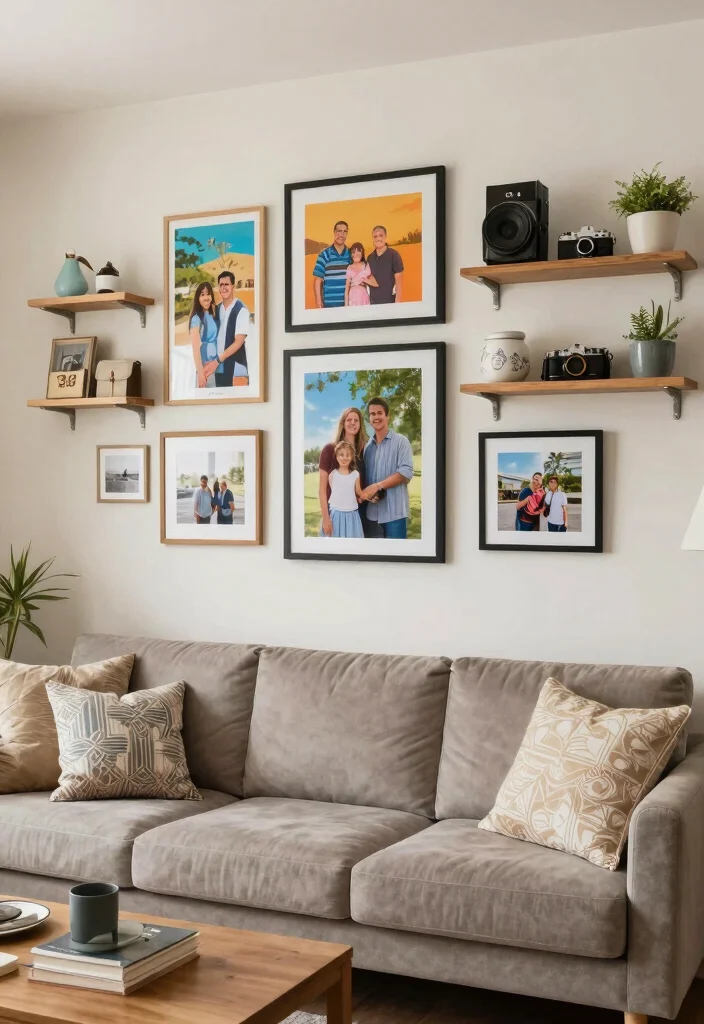
Incorporating personal touches into your transitional living room creates a space that feels uniquely yours. By adding items that reflect your personality and experiences, you enhance the overall ambiance and warmth of the area.
Display family photos in stylish frames or arrange a gallery wall to showcase your memories. Travel souvenirs and mementos can spark joy and serve as conversation starters. Choose textiles and decor that resonate with your personal style to complete the look.
Use these personalization tips:
– Display family photos in stylish frames
– Incorporate travel mementos to spark joy
– Use textiles that reflect your style
These personal touches deliver warmth and character, promoting storytelling and connection in your living space.
16. Harmonious Color Accents
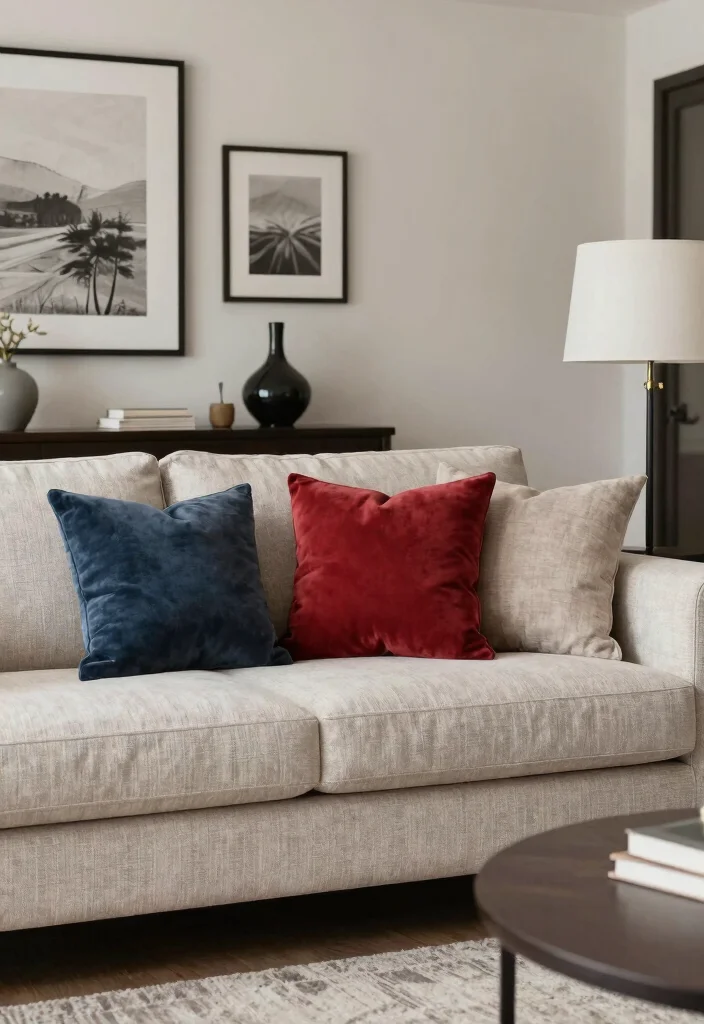
Utilizing harmonious color accents can unify the various elements in your transitional living room, creating a cohesive and inviting atmosphere. By selecting key colors to repeat throughout the space, you enhance the overall flow and connection.
Choose a primary color and two complementary shades for your accessories, ensuring that each piece contributes to the overall aesthetic. Incorporate color in artwork, cushions, and decor while paying attention to larger furniture items to align with the scheme.
Try these color accenting tips:
– Select a primary color and two complementary shades
– Use color consistently in decor items
– Ensure larger pieces align with your color palette
This thoughtful approach to color enhances the serenity and beauty of your space, creating a beautifully coordinated environment.
17. Indoor-Outdoor Connection
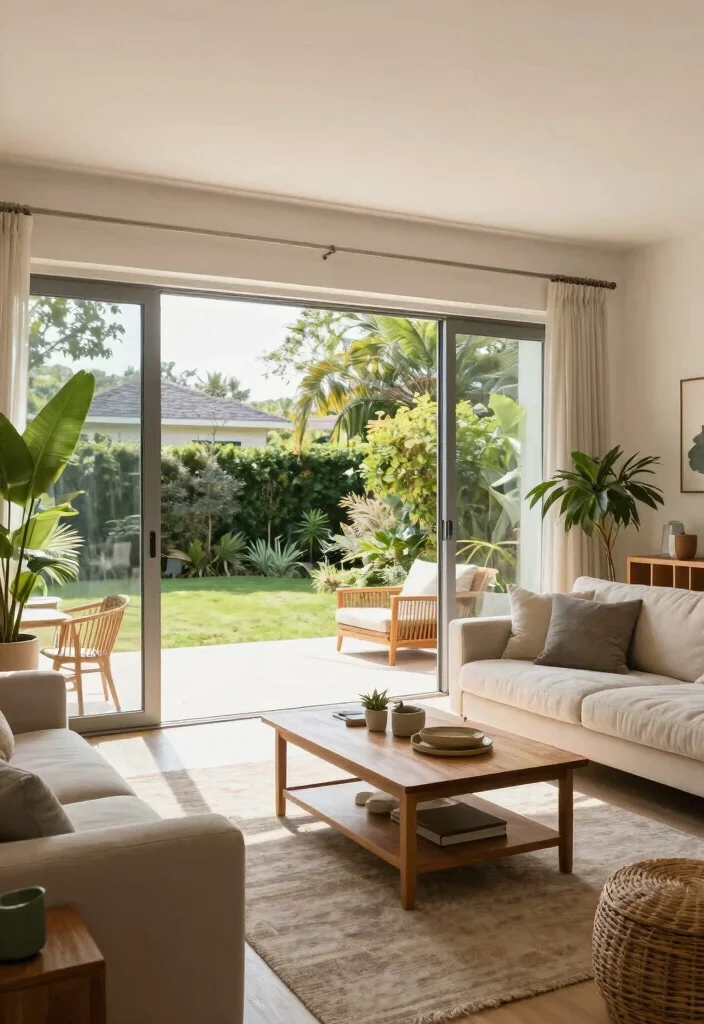
Creating an indoor-outdoor connection in your transitional living room enhances your overall living experience. This seamless flow blurs the boundaries between your interior space and the outdoors, allowing natural light and fresh air to enrich your home.
Using large sliding glass doors can open up to an outdoor patio, while incorporating similar design elements inside and out fosters cohesion. Adding indoor plants enhances the natural feel and strengthens the connection between spaces.
Consider these connection tips:
– Use sliding doors for easy outdoor access
– Incorporate matching elements for cohesion
– Add indoor plants for a natural touch
This design not only beautifies your living space but also promotes a healthy lifestyle by encouraging you to enjoy nature from the comfort of your home.
Making a transitional living room feel like one space with the outdoors is simpler than you think. Add sliding glass doors and a few indoor plants, and the indoor-outdoor connection becomes your daily breath of fresh air.
18. Balanced Symmetry
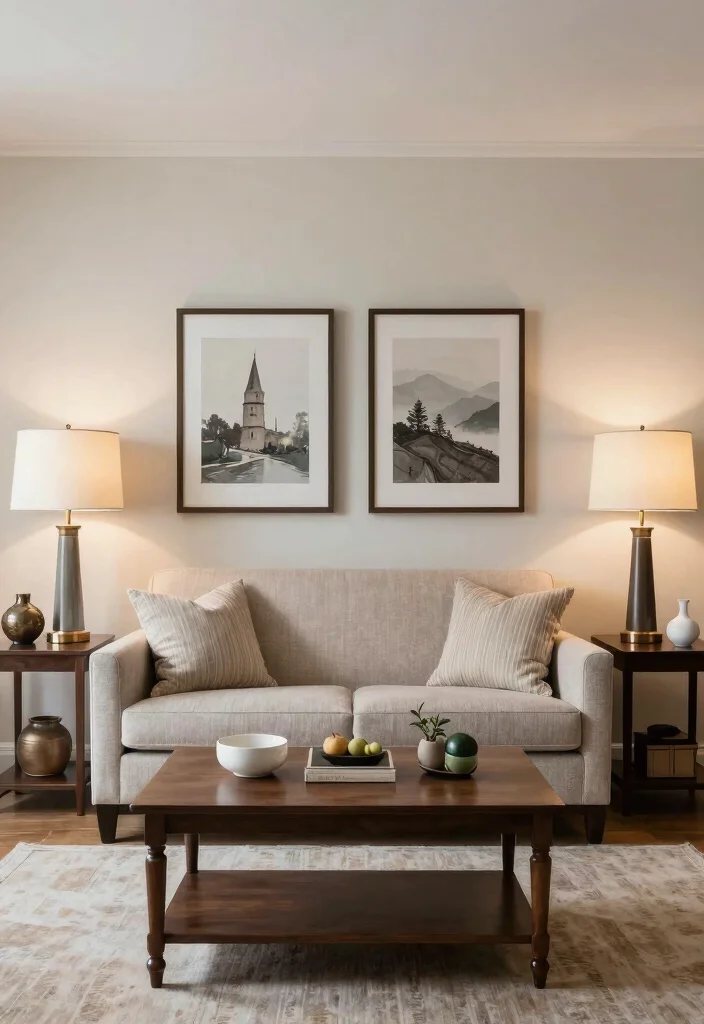
Achieving balanced symmetry in your transitional living room creates a sense of order and harmony. This design principle can be applied in various ways to enhance the visual appeal of your space.
Place matching lamps or furniture pieces on either side of the sofa for visual balance, and use artwork in pairs or symmetrical arrangements to enhance the overall look. Maintaining balance with color and texture throughout the area ensures a cohesive feel.
Try these symmetry tips:
– Use matching lamps or furniture for balance
– Hang artwork in symmetrical arrangements
– Maintain color and texture harmony throughout
Balanced symmetry adds elegance and sophistication to your living space, making it feel well-thought-out and inviting for both daily living and entertaining.
Conclusion
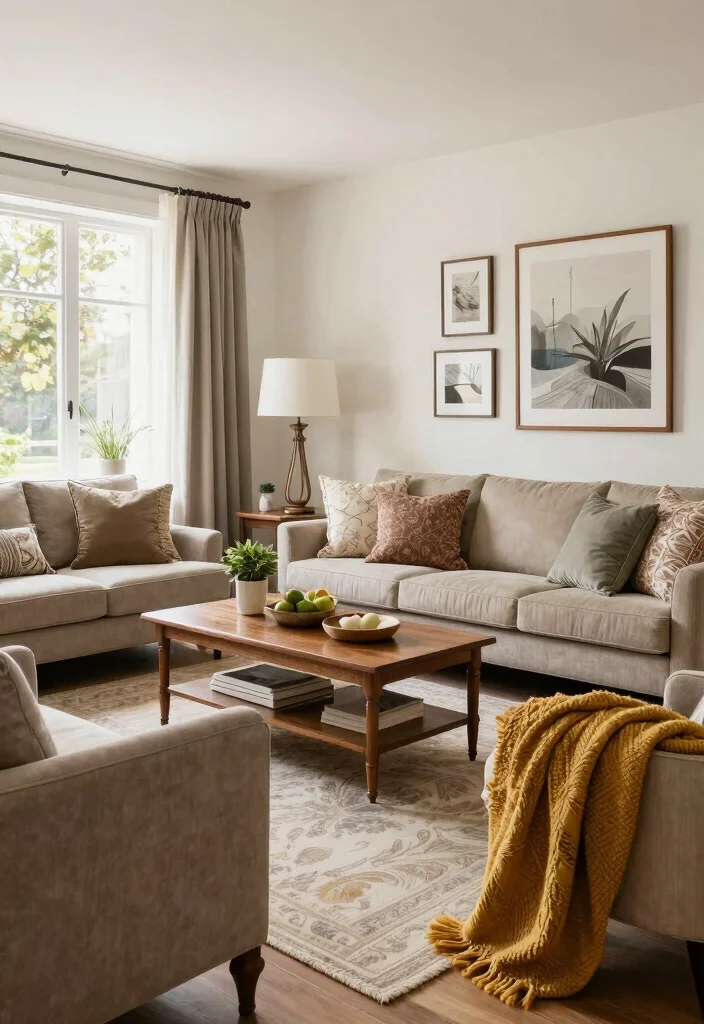
Creating a transitional living room with vintage accents offers endless possibilities for style and comfort. From blended textures to balanced symmetry, each idea showcases how to craft a space that feels both inviting and chic. By putting together your unique mix of modern and vintage elements, you can create a living room that reflects your personal style while remaining functional and welcoming.
Embrace these ideas as you curate your living space—your dream transitional living room is just around the corner!
Frequently Asked Questions
What is a transitional living room and how do I balance modern home accents with vintage touches?
Think of a transitional living room as a balanced blend of clean lines and warm textures. It fuses modern home accents with subtle vintage touches so the space feels current yet timeless. To get it right: start with a neutral base (sofa, rug) to anchor the room; choose one or two statement vintage pieces as focal points; layer cozy living room decor through textiles, throws, and soft lighting; tie everything together with a shared material palette (wood, brass, glass); pick a cohesive stylish color palette and keep furniture shapes streamlined for calm and function, forming a true transitional living room.
How can I incorporate cozy living room decor into a transitional living room without sacrificing style?
Step into comfort without chaos by weaving cozy living room decor into your transitional space.
Start with soft textures: a plush rug, woven throws, and layered lighting to create warmth. Choose furniture with clean lines and warm finishes to keep it approachable for daily living; add vintage accents sparingly so they stand out instead of overpowering. Finally, tie everything together with a unifying palette and natural materials to maintain your transitional living room vibe.
What are practical tips for a functional furniture arrangement in a transitional living room with blended interior styles?
Plan a seating layout that encourages conversation and easy movement. In a transitional living room with blended interior styles, repeat a unifying material or color to tie pieces together. Use a functional furniture arrangement: a comfortable sofa, two chairs, and a coffee table that fits your space; pair with a slim console or storage piece that blends vintage charm with modern practicality; keep traffic lanes clear and leave room for lighting, plants, and decor touches.
Which stylish color palettes work best for a transitional living room that combines vintage accents and contemporary pieces?
Start with a neutral base for walls and larger furniture, then layer color with accessories. A stylish color palette for a transitional living room often uses warm neutrals (creamy whites, taupes, soft greige) with deeper accents like charcoal, navy, or charcoal blue. Bring in warmth with wood tones and metallics (brass or aged bronze) to echo vintage pieces. Tie in modern home accents with pops of color in cushions or artwork, keeping the look cohesive and balanced.
How can I blend interior styles in a transitional living room while keeping it cohesive and clutter-free?
Blending interior styles works best when you define a single through-line for the space. Choose a unifying theme—such as a shared material (aged wood, brass), a color family, or a repeating pattern—to bridge blended interior styles. Limit how many vintage pieces you introduce to keep the space uncluttered and easy to live in. Use functional furniture arrangement principles: pair a statement piece with simpler forms, maintain clear sightlines, and provide smart storage. Finish with balanced textures and a cohesive palette to make the transitional living room feel intentional and calm.
Related Topics
transitional living room
vintage accents
cozy decor
blended styles
functional furniture
stylish palettes
modern accents
home decor trends
easy updates
beginner friendly
interior styling
living room inspiration