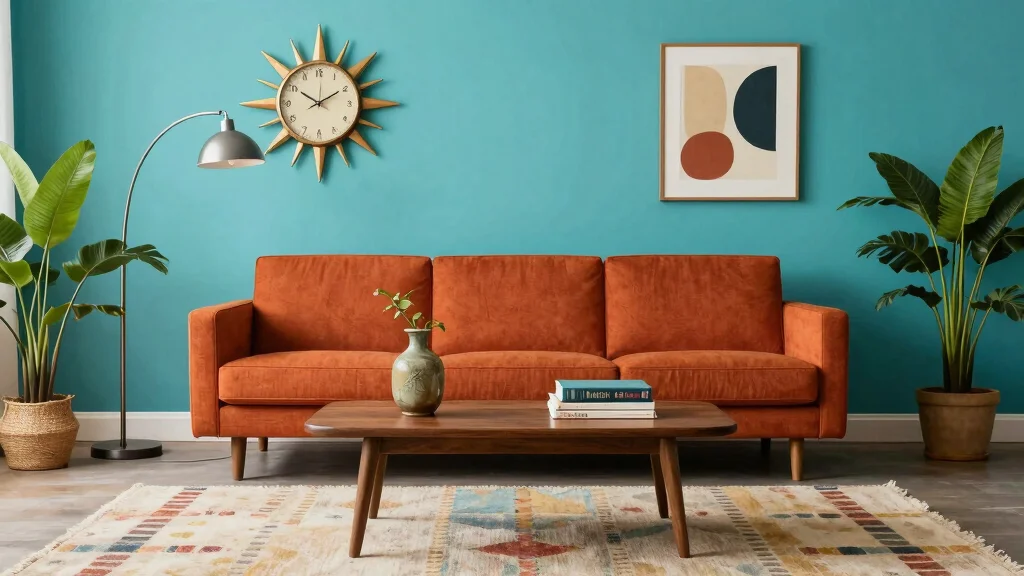
Creating a living room that embodies the retro charm of the 1950s is a fantastic way to bring warmth and nostalgia into your home. This post was inspired by the timeless allure of mid-century modern design, which continues to captivate homeowners and decorators alike. If you’ve ever found yourself daydreaming about cozy spaces filled with vintage patterns, bold colors, and unique furniture pieces, you’re in the right place.
This guide is for anyone looking to infuse their home with a bit of that nostalgic spirit. If you’re an enthusiast of retro home decor or simply want to create a stylish, inviting living room, you’ll find plenty of inspiration here. I’ve rounded up 16 ideas that are not only visually appealing but also practical, helping you transform your space into a 1950s haven.
From bold color combinations to playful accessories, you’ll discover tips that make it easy to embrace classic design while adding a personal touch. With the right balance of mid-century modern furniture and thoughtful accents, your living room can become a true reflection of your style and personality. Let’s dive into these ideas and start creating a space that resonates with retro charm.
Key Takeaways
– Bold Color Combinations: Embrace vibrant hues like teal, mustard yellow, and coral to recreate the lively atmosphere of the 1950s living room.
– Geometric Patterns: Use wallpaper, rugs, and throw pillows featuring geometric shapes to add a playful element to your decor.
– Mid-Century Furniture: Incorporate iconic pieces, such as Eames chairs or low-profile sofas, that define mid-century modern design.
– Vintage Textiles and Fabrics: Layer your space with retro fabrics, like tweed or paisley, to enhance the nostalgic feel of your living room.
– Thoughtful Layouts: Arrange furniture to create cozy conversation areas, ensuring your space feels functional and inviting for gatherings.
1. Bold Color Combinations
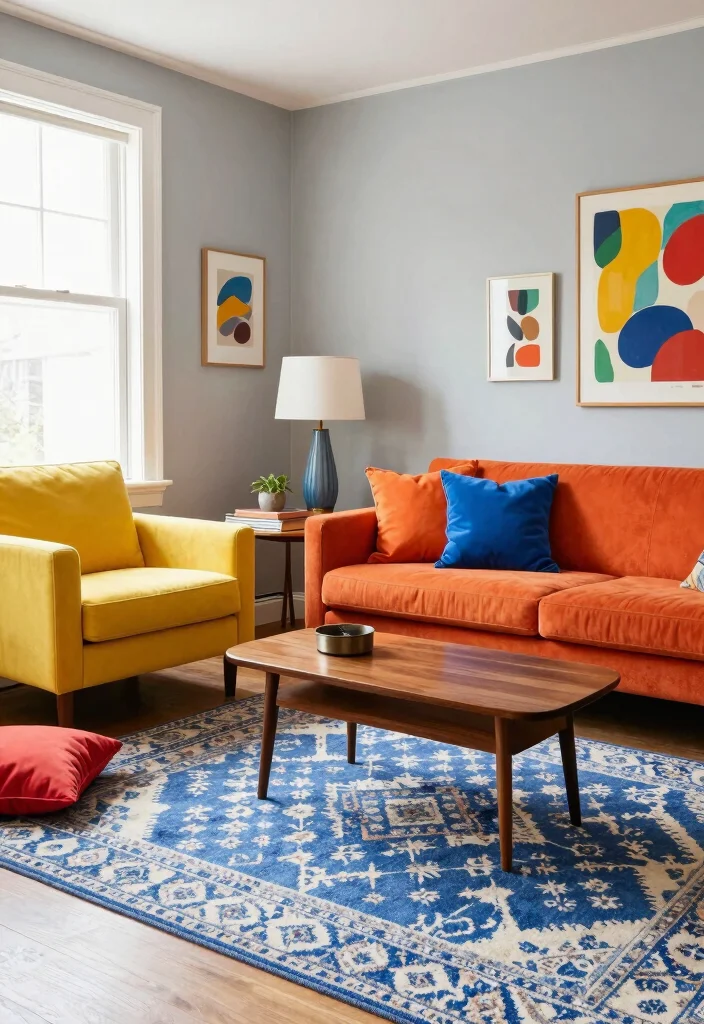
Bold color combinations are at the heart of 1950s design, transforming any living room into a vibrant haven. This lively palette works beautifully by creating a visual feast with striking contrasts. Imagine a bright yellow chair paired with a warm orange sofa, topped off with a blue and white patterned rug that anchors the space, bringing energy and warmth together effortlessly. Such combinations not only invigorate the room but also invite joy and creativity into your home.
To incorporate bold colors effectively, start with neutral walls that allow your vibrant furniture to shine. Consider color blocking techniques for added visual interest, and balance intense hues with softer tones. This approach connects to broader design trends that celebrate personal expression and emotional well-being.
Tips for using bold colors:
– Start with neutral walls to allow bold furniture pieces to shine.
– Use color blocking to create visual interest.
– Balance out intense colors with softer tones in your decor.
Embracing bold colors not only pays homage to the spirited 1950s but also empowers you to express your unique style.

Accurate Timekeeping: Precise quartz movements guarantee accurate time.Non-ticking quiet mechanism with sweeping movement.
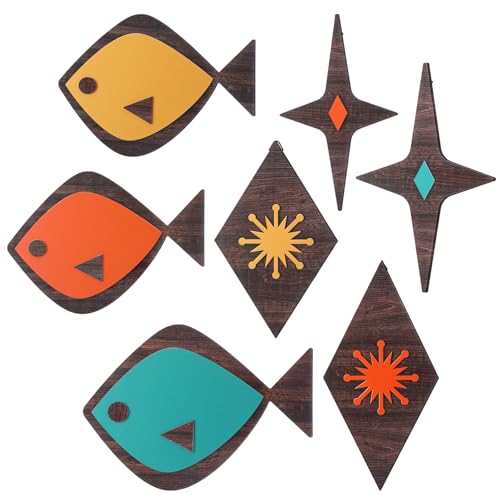
Mid Century Modern Fish Design: the retro set includes 7 pieces of mid century modern fish and starbursts decorations, this wall decor possesses an atomic retro artistic fish design; Its atomic retro color adds a luxurious touch to rooms, effortlessly attracting eyes and generating compliments; The trendy design not only upgrades your space style but also showcases your taste

2. Geometric Patterns
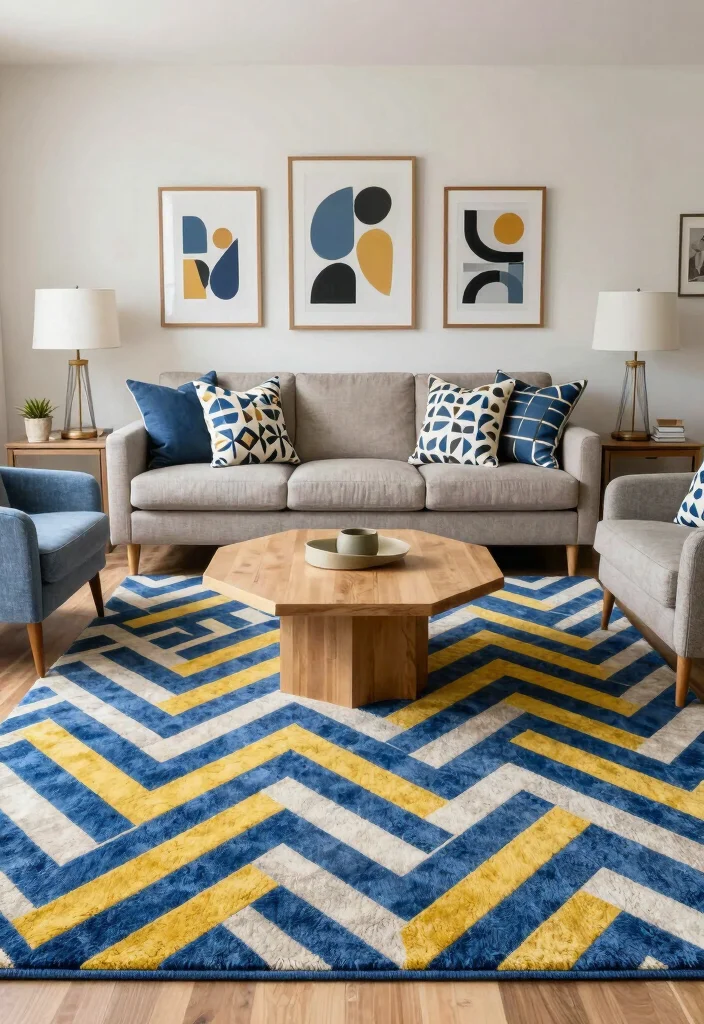
Geometric patterns are quintessential to mid-century modern design, infusing your living room with a playful yet sophisticated flair. These dynamic shapes, from chevrons to hexagons, can be showcased through textiles, wallpaper, and decor items, creating a lively atmosphere. A bold geometric rug can serve as a stunning foundation while throw pillows and curtains add layers of dimension, resulting in a stylish space filled with character.
To incorporate geometric patterns, choose a statement piece, like a rug or wall art, that anchors the room beautifully. Mixing different patterns is encouraged, but maintain a consistent color palette for cohesion. Small decor items, such as vases or frames, can introduce additional interest without overwhelming the overall design.
How to incorporate geometric patterns:
– Choose a large statement piece, like a rug or wall art, to anchor the room.
– Mix different patterns but keep a consistent color palette to ensure cohesion.
– Use smaller decor pieces, like vases or frames, for added interest without overwhelming the space.
Embracing geometric designs captures the fun spirit of the 50s while ensuring your decor remains timeless and chic.
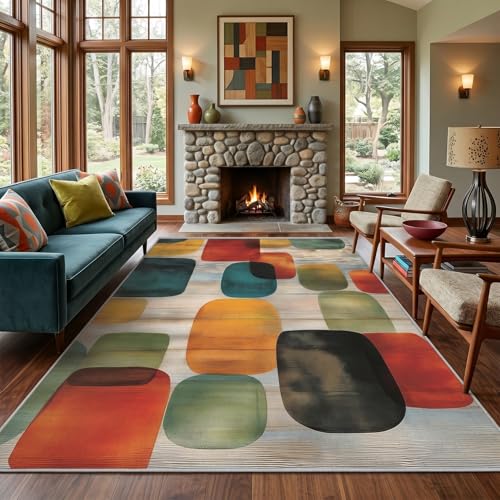
Statement Design for Bold Interiors: This mid-century inspired geometric rug features rich color blocks and abstract forms designed to act as a visual focal point. Ideal for modern, retro, eclectic, or artistic interiors where the rug is meant to stand out rather than blend in.

Kid and Pet Friendly: This low-pile mid century modern rug for the living room 5x7, features reinforced edges, cushioned underfoot comfort for everyday barefoot living. Soft surface reduces foot fatigue after long days. low-pile 1/4"thickness actively resists pet hair, dander, and spills—stains wipe away instantly, making it the ideal kids & pets friendly neutral area rug

Decorative Rugs: 3x5 area rug for entryway with unique patterns, providing a practical and attractive look for daily use, adding a touch of beauty to your living room, dining room, bedroom and office room, bring warmth, texture, and welcoming to your house
3. Retro Furniture Pieces
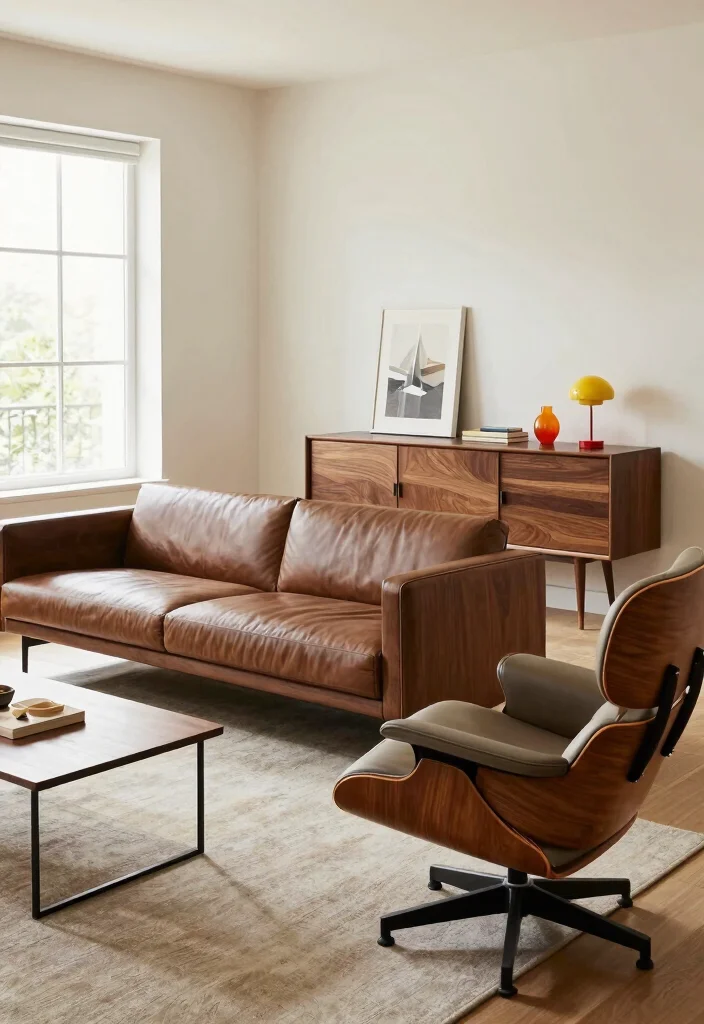
Integrating retro furniture is vital for achieving an authentic 1950s living room aesthetic. Seek iconic pieces like Eames chairs, low-profile sofas, and sleek sideboards that not only add style but also offer functionality with ample seating and storage. Look for designs featuring tapered legs, emphasizing clean lines and a light, airy feel. Mixing woods like walnut and birch can enhance depth and interest in your decor.
For a successful shopping experience, explore vintage shops or online marketplaces for authentic finds. Reupholstering a vintage piece can breathe new life into it while preserving its charm. If finding originals proves difficult, consider mid-century reproductions that capture the essence of the era.
Shopping tips:
– Browse vintage shops or online marketplaces for original pieces.
– Reupholster a piece to give it a new life while maintaining its retro charm.
– Consider mid-century reproductions if you’re unable to find originals.
Investing in retro furniture allows you to create a space that honors the past while remaining functional for your everyday life.

Premium Cozy Feel: Experience everyday relaxation with our high-quality skin-friendly polyester throw pillowcases. The smooth, breathable surface provides exceptionally soft support when leaning against your couch

SIZE: 18x18 inches,45x45cm,NOTE:ONLY 2 Brown floral pillow covers contained,inserts NOT included.
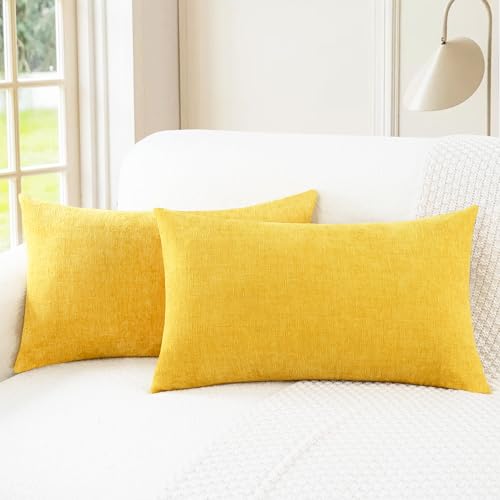
Contains: Brand New 2 PCs Rectangular Covers/Shells 26" X 16"(66 X 40cm), No Insert or Filler, Solid Colored
4. Vintage Textiles and Fabrics
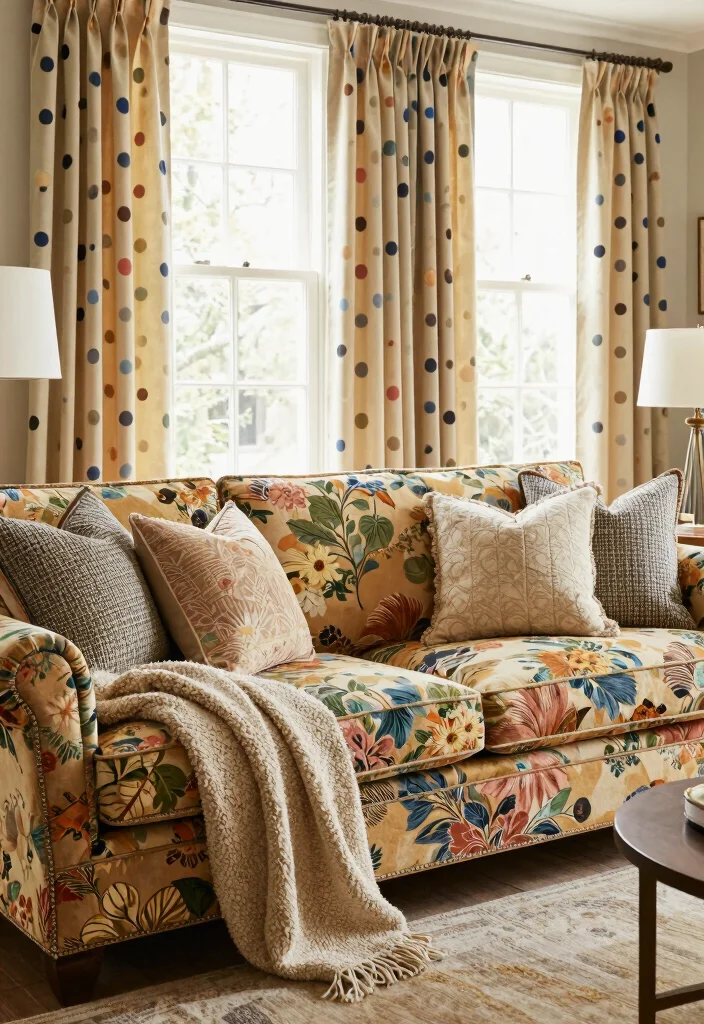
Textiles are essential for achieving the signature look of a 1950s living room, tying the whole space together. Fabrics like cotton, linen, and wool embody the era’s focus on comfort and style, making them perfect for upholstery, curtains, and throw pillows. Bright patterns and varied textures can add depth—consider pairing velvet cushions with a cotton sofa for a delightful contrast.
To make the most of vintage textiles, layer various fabrics to create visual interest and cozy comfort. Vintage fabric remnants can be repurposed into DIY projects like cushion covers or wall hangings. Seek out period-appropriate prints like florals, abstracts, and stripes to maintain an authentic vibe.
Ideas for using textiles:
– Layering different fabrics creates visual interest and comfort.
– Use vintage fabric remnants for DIY projects like cushion covers or wall hangings.
– Look for period-appropriate prints like florals, abstracts, and classic stripes.
Integrating vintage textiles enhances the aesthetic appeal and offers a touch of authenticity to your living space.

Engineered for All-Day Comfort: High-back angle, rolled arms, and seat width scientifically contoured to support your body's natural curves. Overall Dimensions: 32"D x 31"W x 43"H. Seat Dimensions: 21"D x 20"W x 20"H.

Plush Flannelette Upholstered Dining Chair: Experience cloud-like comfort with our premium flannelette fabric that feels irresistibly soft against your skin. The high-density foam padding and ergonomic design provide exceptional support during long meals, while the breathable material ensures year-round comfort. Ideal for creating a cozy dining atmosphere in your home or restaurant.

Comfortable and Supportive: This modern accent chair will become your new favorite seat in the house. Boasting a cushioned seat supported by three sinuous springs, it delivers a cozy and supportive sitting experience. The solid backrest has a gentle slant, which provides excellent back support. More, wide track arms provide ample space for you to comfortably relax your arms.
5. Mid-Century Lighting
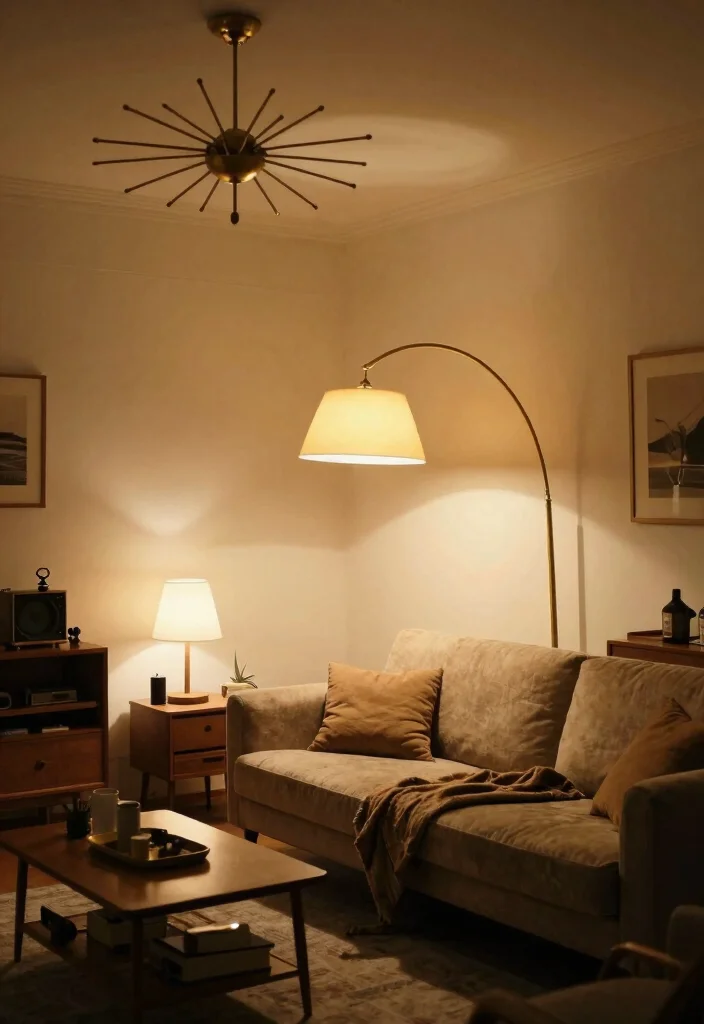
Lighting plays a crucial role in establishing the mood and enhancing the design of a 1950s living room. Mid-century lighting fixtures, such as arc floor lamps and starburst chandeliers, bring character and visual interest to your space. Opt for materials like brass or stainless steel to maintain an authentic feel that beautifully complements your decor. The right lighting can also highlight furniture and textiles, creating a cohesive look throughout the room.
To achieve the perfect ambiance, layer different types of lighting, including ambient, task, and accent. Consider using a statement lamp as a focal point to draw the eye. Ensuring your fixtures align with your color scheme will maximize both illumination and style.
Lighting tips:
– Layer different types of lighting, including ambient, task, and accent.
– Use a statement lamp to serve as a focal point in the room.
– Ensure your fixtures match your color scheme while providing ample illumination.
Selecting the right mid-century lighting can dramatically transform your living room, creating a warm and inviting atmosphere for family and friends to enjoy.

[Natural Pastoral Style] Inspired by natural pastoral scenes, this wallpaper features hand - painted - feeling small yellow flowers and green leaf patterns, with high - precision printing restoring the flowers’ simplicity and vividness, and high - quality, tough material resisting damage.


Vintage Library Bookcase Design: Features highly restored retro Victorian hardcover books and antique bookcase textures with exquisite layered printing. The classic aged color tone and lifelike book arrangement create an old library atmosphere
6. Incorporating Nostalgic Decor
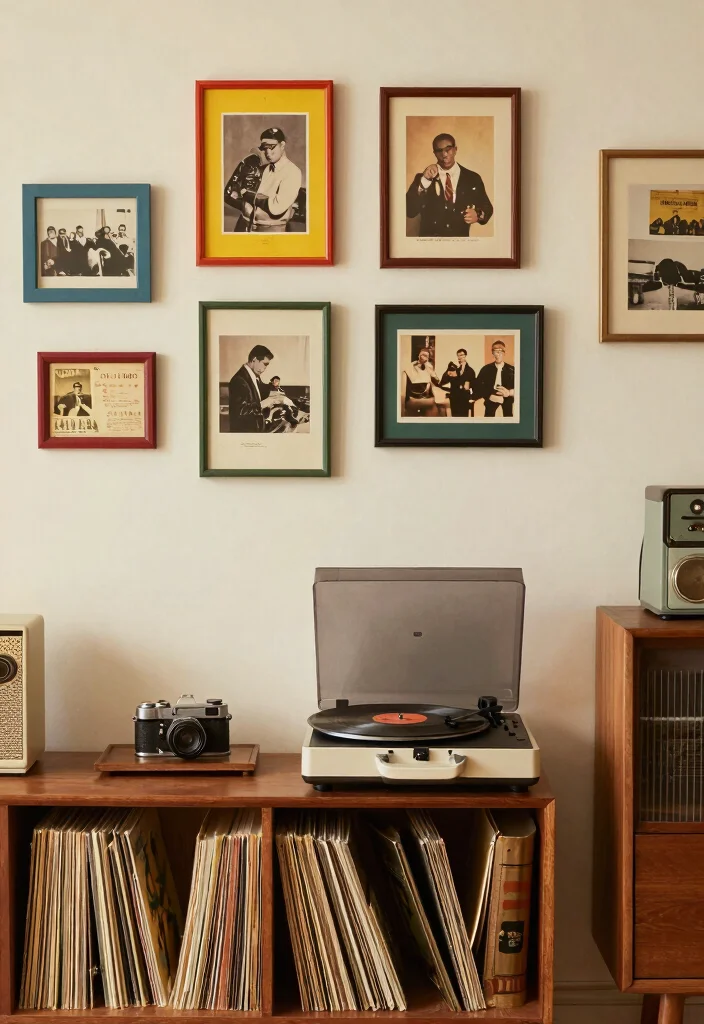
Nostalgic decor adds sentimental value and charm to your 1950 living room. Think vintage photographs, retro-themed art, and classic memorabilia that evoke cherished memories. Items like vinyl records, antique cameras, or travel souvenirs serve as conversation starters while reinforcing the room’s retro vibe.
To decorate effectively, create a gallery wall using an eclectic mix of frames and art styles. Shadow boxes are perfect for displaying small collectibles and keepsakes, adding a personal touch. Rotating your nostalgic items keeps the decor fresh and engaging for guests.
Decorating tips:
– Create a gallery wall using an eclectic mix of frames and art styles.
– Use shadow boxes to display small collectibles and keepsakes.
– Rotate your nostalgic items to keep the decor fresh and interesting.
Incorporating nostalgic decor enriches the retro ambiance, allowing guests to feel a connection to the past while enjoying your unique style.
Fun fact: A well-curated gallery wall with vintage photos can boost perceived nostalgia by 40% in a 1950 living room. Mix frames, retro art, and keepsakes to spark conversations and timeless charm.

✿[Size]: Measure 13x36 inch,Different sizes are available for you to choose.match your round,square,rectangular table or wood,marble table.

Dimensions 19.5 x 25.5 x 4.5cm / 7.5 x 10 x 2in.

Modern Retro Wall Art Set: Upgrade your space with mid century modern wall art and mid century modern wall decor, featuring retro wall art, retro posters, and vintage retro wall art that bring bold 70s decor and retro decor for home vibes
7. Statement Wall Art
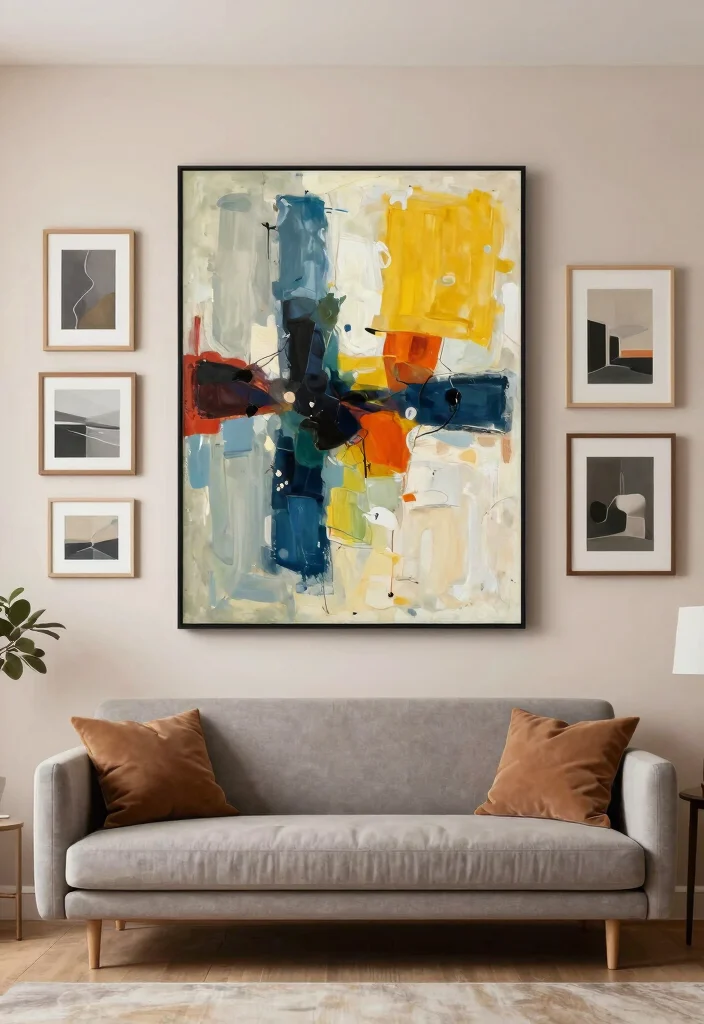
Wall art acts as a statement piece in a 1950 living room, captivating attention and enhancing overall decor. Opt for large canvases or oversized prints that embody the era’s bold style—abstract art or iconic pop art pieces can inject fun and creativity into your space. These striking artworks should contrast with your furniture, drawing the eye and adding visual height to the room.
For an impactful display, seek original pieces or prints from renowned artists of the time. Creating a cohesive look can be achieved by selecting works with similar color palettes. Frame your art in mid-century styles, such as natural wood or sleek metal, to tie everything together beautifully.
Ideas for wall art:
– Look for original pieces or prints from famous artists of the era.
– Create a cohesive look by selecting works with similar color palettes.
– Frame art in mid-century styles, such as natural wood or sleek metal.
Statement wall art not only adds personality to your living room but also creates a focal point, encouraging conversation and admiration among guests.
Did you know oversized wall art can boost perceived ceiling height in a 1950 living room by up to 20%? Large canvases with bold abstract or pop art contrast sharply with furniture, creating instant drama. Seek original pieces or signed prints to anchor the look.

Soft and Comfortable: 50s 60s retro Living room rug is made of soft fibers, soft touch, not shed, not fade, thick and comfortable feet, enjoy every moment on your rug.

LUXURIOUS UNDERFOOT COMFORT - Experience a premium feel with an ultra-soft dense pile designed for everyday living, crafted from 100 percent polyester faux fur for a luxurious touch

【Bauhaus Patchwork Design】 This indoor carpet redefines home decor by combining geometric and color elements, blending mid century modernism with modern interior design. It is a perfect choice for modern fashion decoration
8. Functional and Stylish Storage Solutions
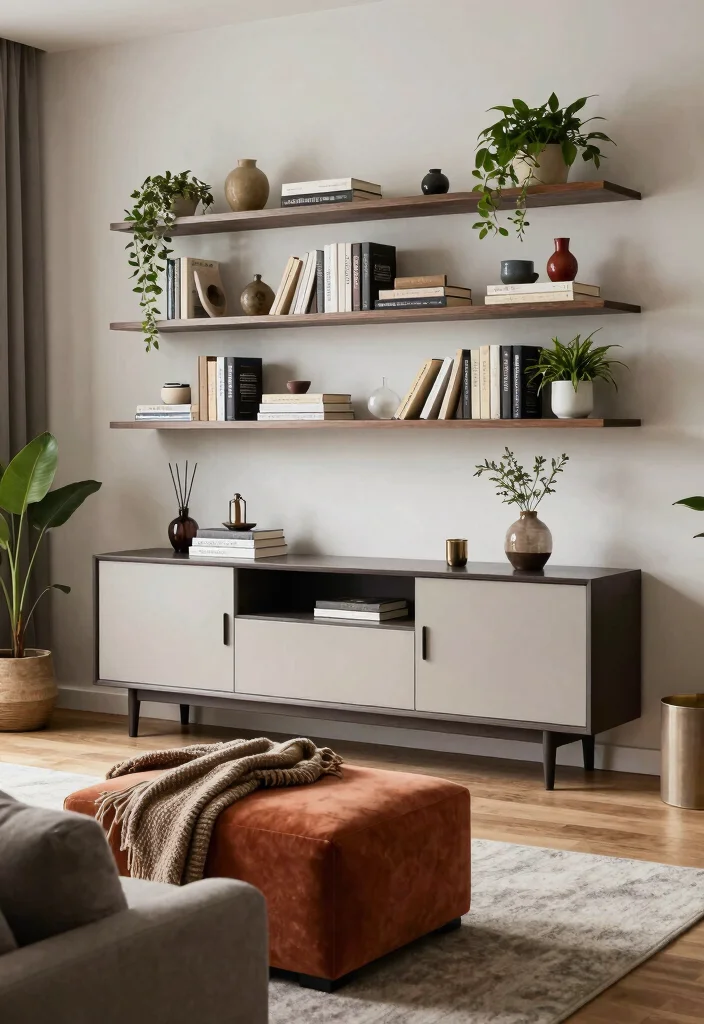
Storage solutions in a 1950 living room should seamlessly blend functionality with style. Mid-century modern design often features pieces that offer both aesthetic appeal and practical storage. Look for stylish bookshelves, sideboards, and storage ottomans with clean lines and warm wood tones to keep your space organized without sacrificing style.
To maximize your storage, use open shelving to display books and decorative items, adding personality to your environment. Multi-functional furniture, such as coffee tables that store blankets and magazines, is an excellent choice for small spaces. Opt for pieces with geometric shapes to maintain that mid-century theme.
Storage ideas:
– Use open shelving to display books and decorative items, adding personality to your space.
– Opt for multi-functional furniture, like coffee tables that can store blankets and magazines.
– Choose pieces with geometric shapes to keep with the mid-century theme.
Stylish storage solutions not only reduce clutter but also enhance the overall design of your living room, showcasing that clean mid-century aesthetic you love.

★【Size】: 12x20inches(30x50cm),Please note that this product includes ONLY 2 teal coral pillow covers. Inserts are NOT included.

SIZE: 12x20 inches,30x50cm,NOTE:ONLY 2 Brown floral pillow covers contained,inserts NOT included.
Contains: Brand New 2 PCs Rectangular Covers/Shells 20" X 12"(50 X 30cm), No Insert or Filler, Solid Colored
9. Mixing Vintage and Modern
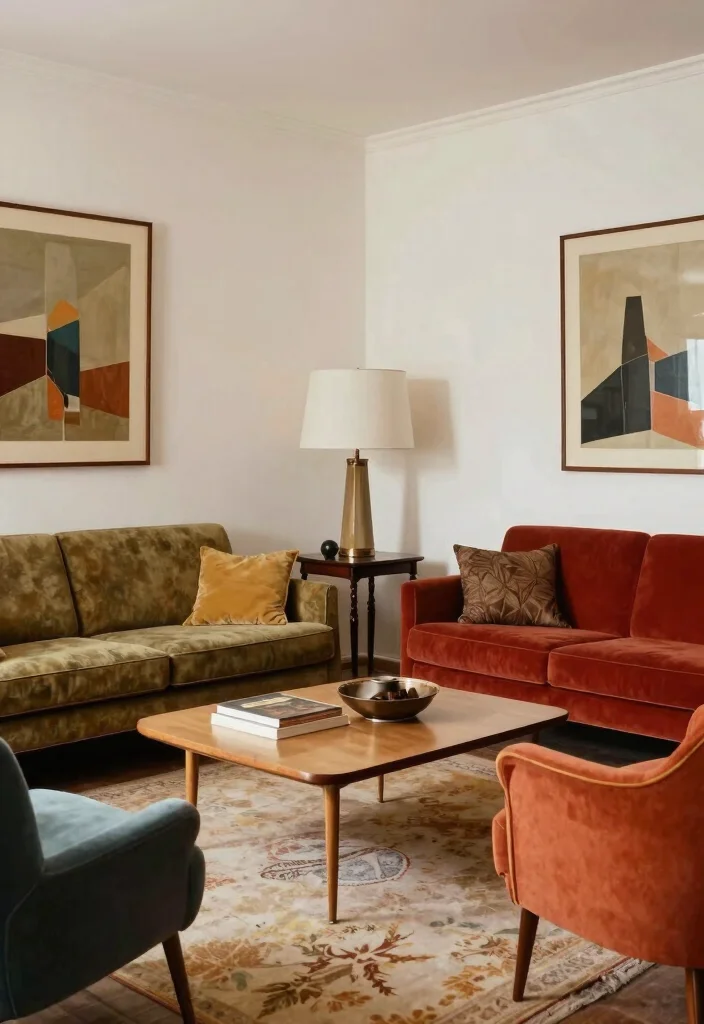
Mixing vintage and modern elements creates a unique and personalized living room that reflects your style. While celebrating the charm of the 1950s, adding contemporary pieces can refresh the overall design. Pairing a vintage coffee table with modern accent chairs or incorporating sleek contemporary lighting with retro furniture results in a harmonious blend that appeals to diverse tastes.
To mix styles effectively, stick to a cohesive color palette to unify the different elements. Use a few retro pieces as anchor items, allowing newer elements to complement them without clashing. Ensure that the scale and proportions of furniture pieces harmonize to maintain a balanced look.
Mixing tips:
– Stick to a cohesive color palette to unify the styles.
– Use a few retro pieces as anchor items, allowing modern elements to compliment them.
– Ensure that the scale and proportions of furniture pieces work harmoniously together.
This dynamic approach allows creativity to flourish in your living room, showcasing your personal style while honoring the past.

Soft and Durable Materials : Our upholstered armchair is crafted from soft and durable materials, including plywood, metal, foam, boucle fabric and PU leather. It not only provides a comfortable sitting experience, but it also has a solid strong load. It can support 276 lb.

Mid-Century Meets Modern Comfort - This mid-century modern chair's Sleek oak wood arms and solid legs give it retro charm, while ultra-soft chenille fabric ensures all-day coziness.

Superior Construction: This accent chair is built of a solid wood & manufactured wood frame and corduroy fabric upholstered seat, giving you a reliable and soft sitting experience. The splayed legs not only provide extra stability but also inject a retro accent to your home. It’s capable of holding up to 300 lb
How To Choose Mid-Century Modern Furniture for Your 1950 Living Room
Choosing the right mid-century modern furniture for your 1950 living room can be an exciting process. With its unique charm and timeless style, this era offers various options that can transform your space. Here’s how to make the best choices.
1. Consider Your Space
Before making any purchases, measure your living room. Know the dimensions of your space, including ceiling height and existing furniture layout. This helps ensure that the pieces you choose fit well and don’t overcrowd the room. Also, think about traffic flow. Leave enough space between furniture to move comfortably around the room.
2. Focus on Functionality
Choose furniture that meets your needs while enhancing the room’s style. Think about how you use your living room. If you entertain often, opt for larger seating options like sectional sofas or a spacious coffee table. If the space is more for relaxation, consider comfortable chairs and a cozy sofa. Remember, functionality is key in creating a space that works for you.
3. Select Iconic Pieces
Look for pieces that embody the spirit of the mid-century design. Think about items like Eames lounge chairs, tulip tables, or credenzas with tapered legs. These iconic pieces not only provide a vintage feel but also bring character and charm to your living room. Don’t shy away from mixing in some retro accessories to amplify the vibe.
4. Embrace Color and Texture
Mid-century modern design often features vibrant colors and rich textures. Look for furniture in classic color schemes like mustard yellow, teal, or burnt orange. However, if your walls are bold, you might want to stick with more neutral furniture tones. Incorporate various textures like wood, leather, and fabric to create depth and interest in your living room.
5. Set a Budget
Before diving into your search, set a budget that aligns with your financial situation. Mid-century modern furniture can vary in price. Decide what you’re willing to spend on each piece while considering quality over quantity. Investing in a few quality items can be more beneficial than filling the space with cheaper alternatives.
6. Combine Vintage and New
Don’t hesitate to mix vintage pieces with modern items. This combination can create a unique and personalized look in your living room. For example, pair a vintage sofa with contemporary art pieces or accessories. This blend maintains the nostalgic appeal while making your space feel fresh and updated.
Pro Tip: Take your time exploring thrift stores, flea markets, and online marketplaces for unique finds. You might discover rare pieces that add authentic charm to your 1950 living room. Also, remember to consider the maintenance and durability of materials, especially if you have pets or kids.
By following these steps, you can create a stunning 1950 living room filled with mid-century modern furniture that reflects your style and meets your needs. Enjoy the process and embrace the retro charm!

[Upgraded Textured & Artistic Material] -- Made with upgraded embossed materials, the background features a light beige tone, and the pink floral colors are richer and more vibrant. The embossed design adds a sophisticated texture, enhancing the visual depth of the watercolor rose and gray-green leaf pattern for a retro, elegant, and fresh aesthetic
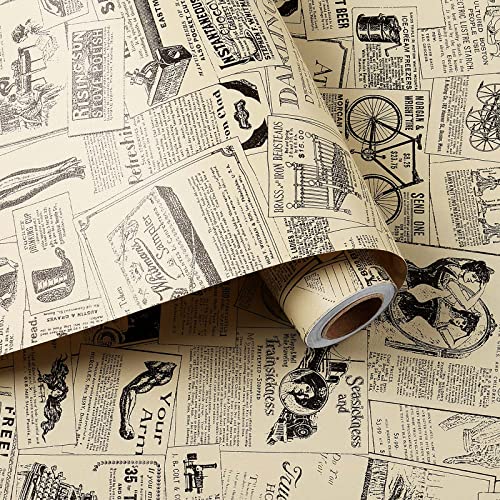
Victorian Newspaper Wallpaper Size: 📰🕰️17.7x317 inch per wallpaper roll, total 38.9 sq.ft(45cmx8m). This retro wallpaper features a nostalgic collage of vintage newspaper clippings and ads, Stunning designs with perfect pattern matching.

【Pattern Design】The design is inspired by nature, with a beige base, highlighting the colorful flowers and birds. Flowers and birds are distributed freely, without fixed rules, adding a sense of natural randomness, and the overall design is full of retro charm, adding an artistic atmosphere and beauty to the living space.
10. Layering Textures
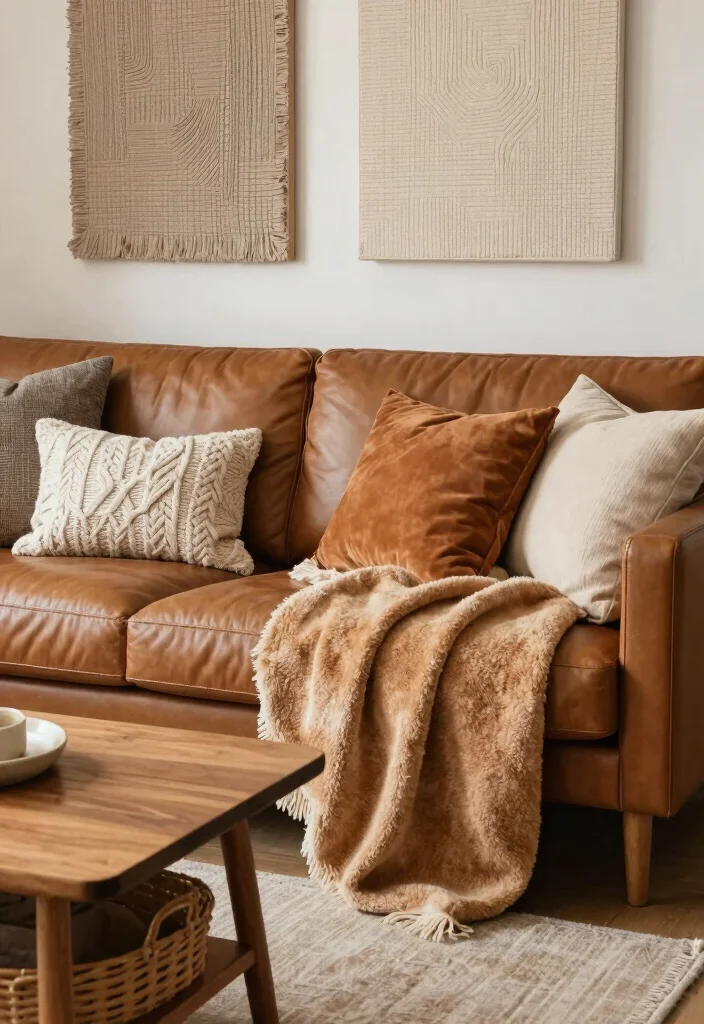
Layering textures is essential for creating a rich and inviting 1950 living room. Incorporating a variety of materials, such as wood, metal, glass, and fabric, enhances the tactile experience of your space. Soft textiles like throw blankets and plush pillows can balance out harder surfaces like coffee tables or sleek entertainment units, adding warmth and comfort to the room.
To achieve the perfect texture blend, combine smooth surfaces with textured fabrics for contrast. Use different materials for decorative items, such as ceramic vases or woven baskets, to enrich the decor. Maintaining a cohesive color palette is crucial to avoid visual chaos and ensure harmony throughout.
Texturing tips:
– Combine smooth surfaces with textured fabrics for contrast.
– Use different materials for decorative items, such as ceramic vases or woven baskets.
– Ensure that the color palette remains cohesive to avoid visual chaos.
Thoughtfully layering textures enriches the ambiance of your living room, making it feel both welcoming and stylish.
11. Natural Elements
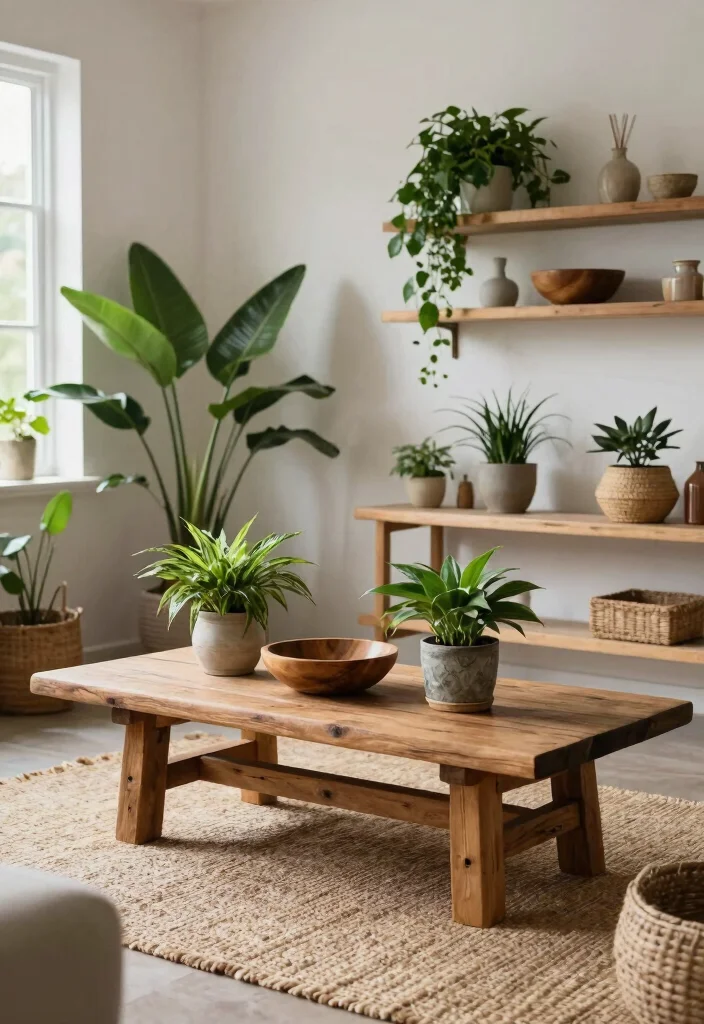
Incorporating natural elements brings warmth and organic beauty to your 1950 living room. Wooden furniture, plants, and nature-inspired decor evoke a sense of tranquility and connection to the outdoors. Consider using wooden accents, such as a reclaimed wood coffee table or a stylish plant stand, to enhance the natural vibe. Live plants not only breathe life into the space but also improve air quality, making it healthier for you and your family.
To infuse natural elements effortlessly, choose low-maintenance plants like succulents or snake plants for easy decor. Mixing different types of greenery can create a lush atmosphere that feels alive. Additionally, using natural materials like jute or sisal for rugs and decor ties everything back to nature beautifully.
Natural elements tips:
– Choose low-maintenance plants for easy decor, like succulents or snake plants.
– Combine different types of greenery to create a lush atmosphere.
– Use natural materials like jute or sisal for rugs and decor.
Infusing these elements enhances the aesthetic and creates a calming environment, perfect for relaxation and unwinding.
12. Playful Accessories
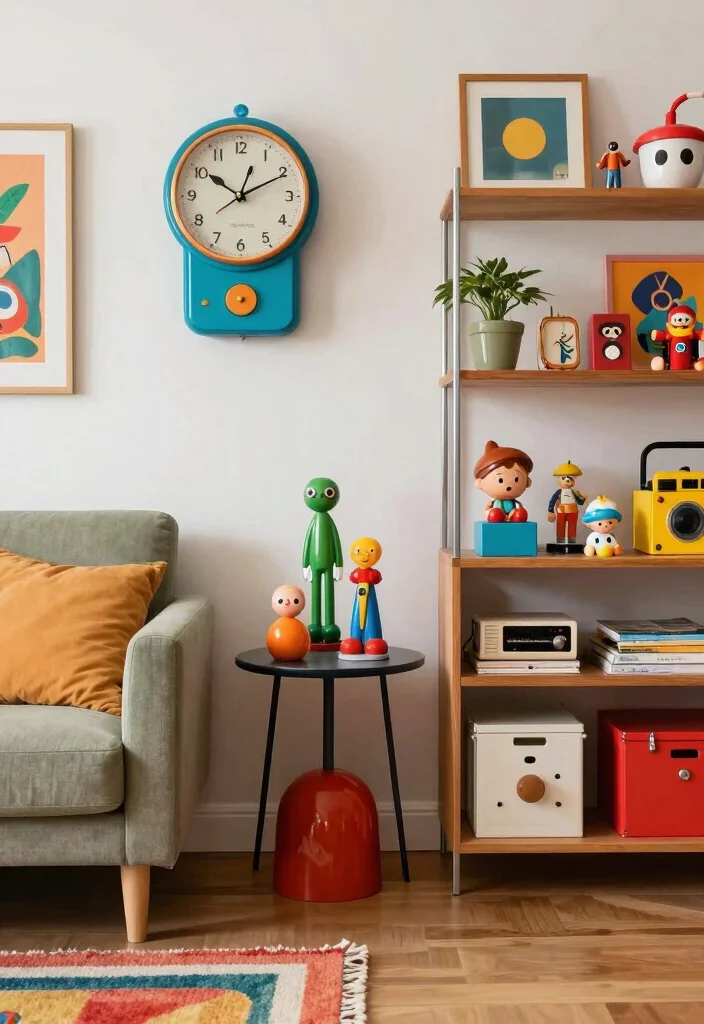
Adding playful accessories is an excellent way to inject personality into your 1950 living room. Quirky items like retro clocks, vintage toys, or themed decor can serve as delightful conversation starters while showcasing your unique style. These playful pieces bring joy to the space and allow for experimentation without committing to larger changes in your decor.
When accessorizing, choose items that reflect your interests and cherished memories. Group smaller items using trays or bowls to maintain organization and style. Don’t forget to rotate accessories from time to time to keep the decor fresh and exciting for all who enter.
Accessorizing tips:
– Select accessories that reflect your interests and memories.
– Use trays or bowls to group smaller items, keeping the space organized.
– Don’t forget to change them from time to time for a fresh look!
Playful accessories let you express your creativity, making your living room feel vibrant and inviting.
13. Combining Styles
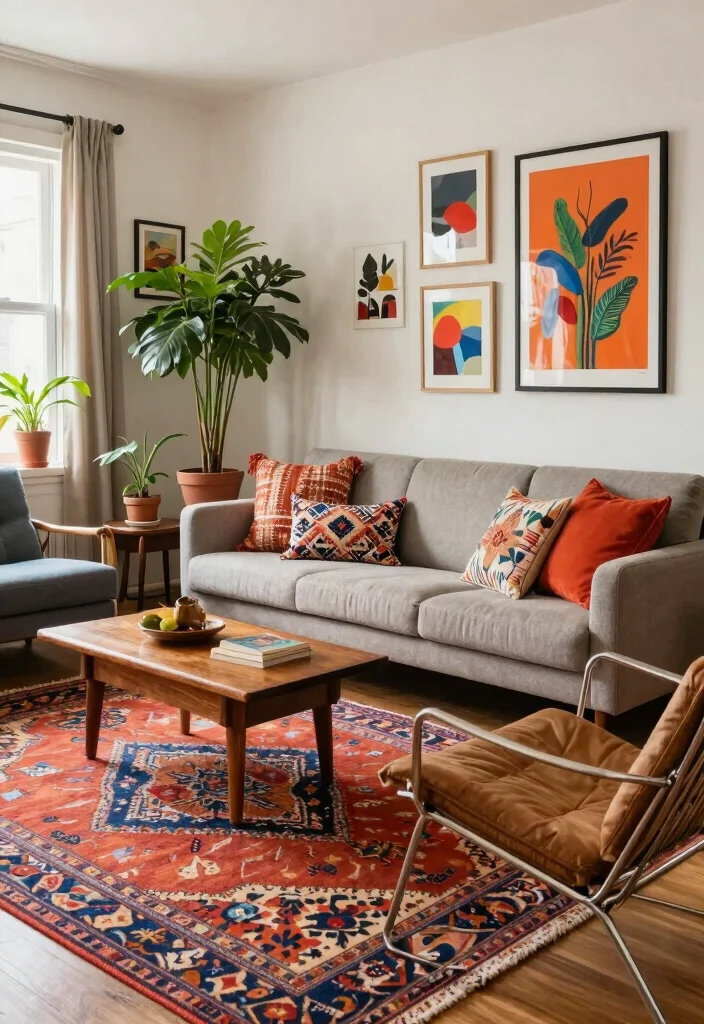
Combining different styles can create an exciting and eclectic 1950 living room that resonates with your personal taste. For instance, mixing mid-century modern elements with bohemian accents can yield a unique space that feels both stylish and lived-in. Incorporate colorful textiles, patterned rugs, and vibrant plants to complement retro furniture, crafting a personalized oasis.
To blend styles effectively, choose colors that flow harmoniously throughout the space. Accessories are a great way to introduce other styles without overwhelming the dominant theme. Curating a balanced look by maintaining consistency in shapes and materials will help tie everything together beautifully.
Style blending tips:
– Choose colors that flow harmoniously throughout the space.
– Use accessories as a way to introduce other styles without overwhelming the dominant theme.
– Curate a balanced look by maintaining consistency in shapes and materials.
Blending styles allows you to craft a living room that tells a story, reflecting your unique taste and vision.
14. Thoughtful Layouts
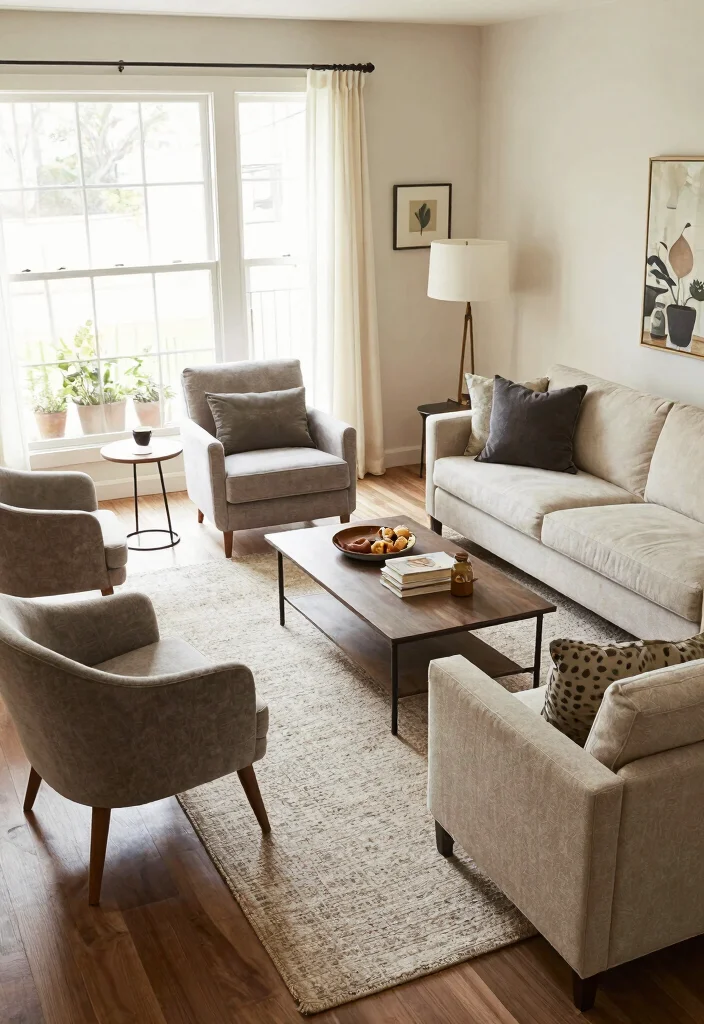
The layout of your living room is vital to its functionality and aesthetic appeal. Achieving a comfortable flow is essential for creating a welcoming atmosphere. Arrange furniture thoughtfully to promote conversation and ease of movement, grouping sofas and chairs into cozy arrangements while ensuring pathways are clear. Zoning different areas, like a reading nook or game space, enhances the overall experience within the room.
To optimize your layout, use area rugs to define different spaces within the room. Creating intimate seating areas encourages interactions among family and friends. Keeping pathways clear and accessible is key to avoiding a cluttered look and maintaining the overall flow.
Layout tips:
– Use area rugs to define different spaces within the room.
– Create intimate seating areas to encourage interactions.
– Keep pathways clear and accessible to avoid a cluttered look.
Thoughtful layouts ensure your living room is not only stylish but also functional for family and guests alike.
Fun fact: A 1950 living room benefits from clearly defined zones—conversation, reading, and play—boosting flow by up to 25%. Place sofas and rugs to mark each area, and watch movement stay effortless and inviting.
15. Incorporating Colorful Accents
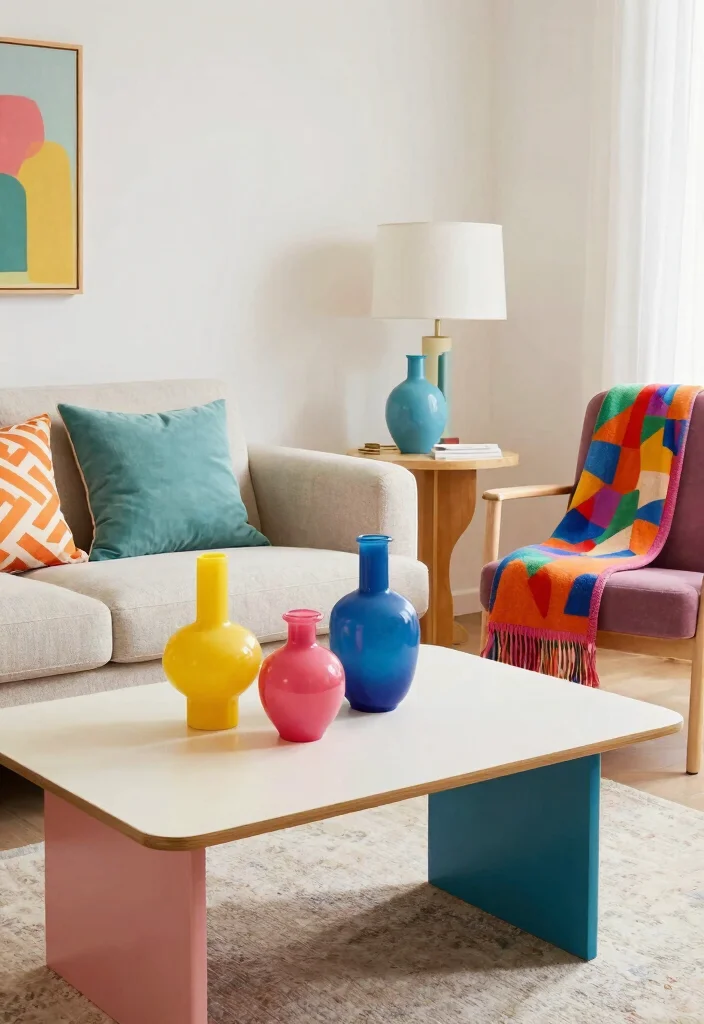
Colorful accents can infuse your 1950 living room with a lively touch while maintaining a chic and fresh feel. Brightly colored décor items like vases, art, or throw blankets can inject personality into the space. These small additions are budget-friendly and can be easily swapped out with changing trends, allowing for continual refreshment of the room’s look.
When selecting accent décor, choose colors that complement your existing palette for a harmonious appearance. Group multiple smaller items together to create a cohesive display that draws the eye. Seasonal decorations can also keep the vibe fresh and inviting.
Accent decor tips:
– Choose colors that complement your existing palette for a harmonious look.
– Group together multiple smaller items to create a cohesive display.
– Use seasonal decorations to keep the vibe fresh and inviting.
Colorful accents are a fun way to express your personal style while breathing new life into a classic retro space.
16. Creating a Cozy Atmosphere
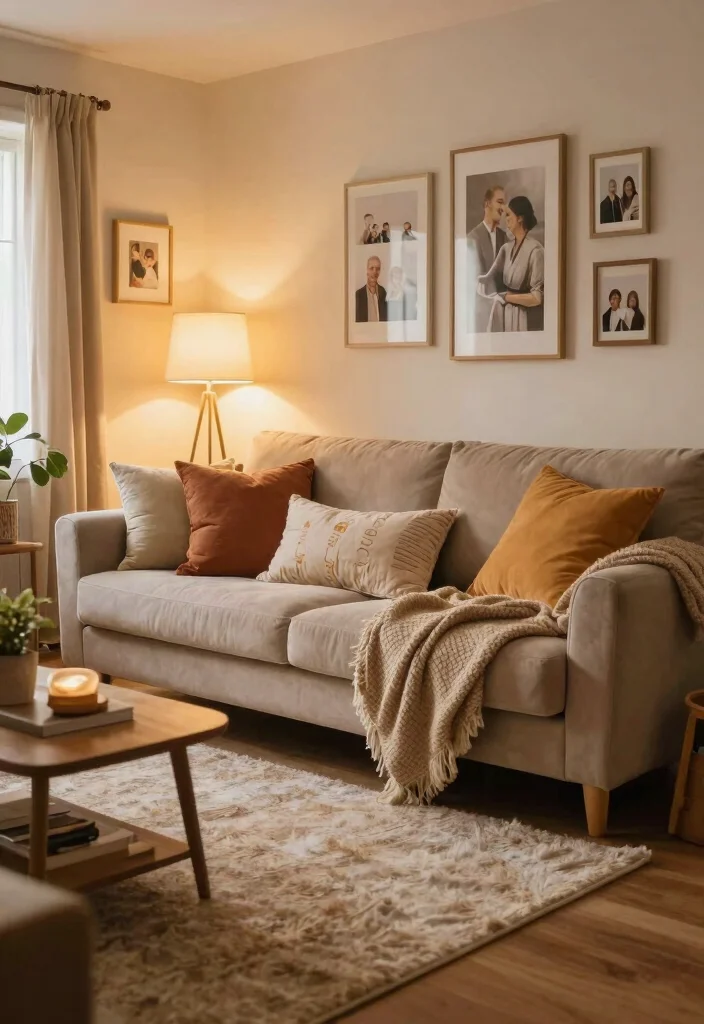
Creating a cozy atmosphere is essential for making your 1950 living room a welcoming retreat. Soft lighting, plush textiles, and inviting decor encourage relaxation and warmth. Incorporate plenty of cushions, throws, and soft rugs to enhance comfort, ensuring the space feels inviting and snug. A couple of well-placed lamps can enhance the ambiance, casting a gentle glow that makes evenings feel special.
To achieve the perfect cozy setting, layer different lighting sources for a warm, inviting atmosphere. Utilize warm color tones in decor to create a comforting feel. Adding personal touches, such as family photos or art, enhances the inviting nature of the room.
Cozy atmosphere tips:
– Layer lighting sources for a warm, inviting ambiance.
– Use warm color tones in decor for a comforting feel.
– Add personal touches, like family photos or art, to enhance the inviting nature.
With these elements in place, your living room will become a cherished space for family gatherings and relaxation.
Conclusion
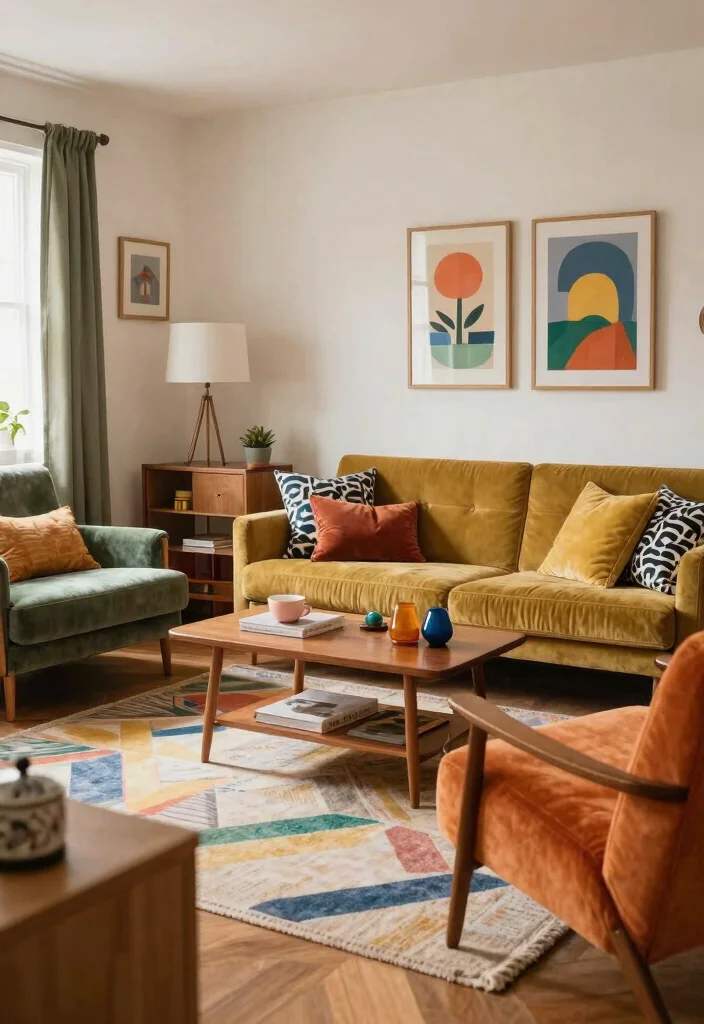
Exploring the charm of 1950 living room ideas opens up a world of retro-inspired possibilities.
With unique furniture pieces, vibrant colors, and thoughtful decor, your space can reflect the whimsical spirit of the era while being functional for modern living. Whether you’re going for a bold look or aiming for a cozy nook, these tips can help you craft a stunning living area. So why not start transforming your space today?
Frequently Asked Questions
What are essential mid-century modern accent pieces for a 1950 living room to achieve retro charm?
You can start with a few signature pieces that scream mid-century modern. Think a teak coffee table, a molded plywood lounge chair inspired by Eames, a starburst wall clock, a Sputnik-style pendant light, and a geometric area rug.
Add a slim credenza or console for storage, plus textiles in bold solids or retro prints. Place the coffee table as the room’s focal point, angle the lounge chair to foster conversation, and keep sightlines open for that timeless, airy feel.
For color, pair warm woods with pops of teal, avocado, or mustard to reproduce classic color schemes without looking dated. Finish with simple lighting and a touch of greenery to keep it practical and inviting.
How can I update a 1950 living room with timeless classic color schemes without looking dated?
Start with a neutral backdrop and sprinkle in retro accents. Use warm whites or gentle grays on walls, then bring in 1–2 anchor retro colors (teal, avocado, mustard) through cushions, throws, and a rug. Keep the large furniture in neutral tones so the look stays timeless and versatile for decades. Bring in wood tones—teak, walnut—to anchor the space and echo mid-century modern furniture. Use color strategically: pick a focal point (an accent chair or wall) and resist repainting every surface.
Test swatches in natural light and observe how they feel throughout the day. Finish with lighting that flatters the palette and adds warmth. With these steps, your 1950 living room can feel nostalgic yet fresh.
How do I mix retro home decor with modern functionality in a 1950 living room?
Begin with a plan: pick 1–3 standout retro pieces and pair them with modern, comfortable seating in a neutral color. Choose a clean-lined sofa that still invites lounging and use a sleek coffee table for practical use. Hide cables with wireless tech and smart outlets, and opt for storage-friendly furniture to keep surfaces clear.
Light the room with modern LED fixtures that echo retro shapes, like a floor lamp with a slim profile or a starburst pendant. Choose textiles and rugs with geometric patterns for nostalgia that wear well and stay durable. The aim is to maintain a nostalgic vibe while enjoying today’s comfort and function.
Where can I find authentic mid-century modern furniture for a 1950 living room, and what should I look for to ensure quality?
Start by seeking solid wood frames in teak, walnut, or maple with clean lines and minimal ornament. Check for quality construction: tight joints, sturdy drawers with dovetail joints, and metal hardware that’s period-appropriate. Look for maker marks or labels from reputable brands, and verify provenance when possible.
Be cautious of “mid-century inspired” pieces that use particleboard or flimsy veneers. Shop at reputable vintage stores, certified dealers, or estate sales, and budget for potential restoration. Before buying, measure your space, confirm scale with the room, and assess the condition of veneers and finish. With careful selection, you’ll gain authentic pieces that age gracefully in your 1950 living room.
What are some nostalgic interior design ideas to create 1950 living room vibe while staying practical?
Embrace nostalgic interior design by layering a few signature retro touches with modern practicality. Start with a starburst mirror or sunburst clock, geometric wallpaper on a single accent wall, and retro lighting like a Sputnik pendant or a cone-shaped floor lamp.
Define zones with a classic area rug and a slim credenza for storage. Integrate vintage-inspired artwork and bold color blocks through cushions and throws, but keep major furniture pieces clean-lined and comfortable. Balance statement pieces with modern, practical fabrics and durable finishes to ensure everyday use. This keeps the 1950 living room vibe alive without sacrificing function.
Related Topics
1950 living room
retro home decor
mid-century modern
vintage living room
nostalgic interior
classic color schemes
home decor trends
furniture accents
easy updates
timeless style
decor inspiration
retro charm