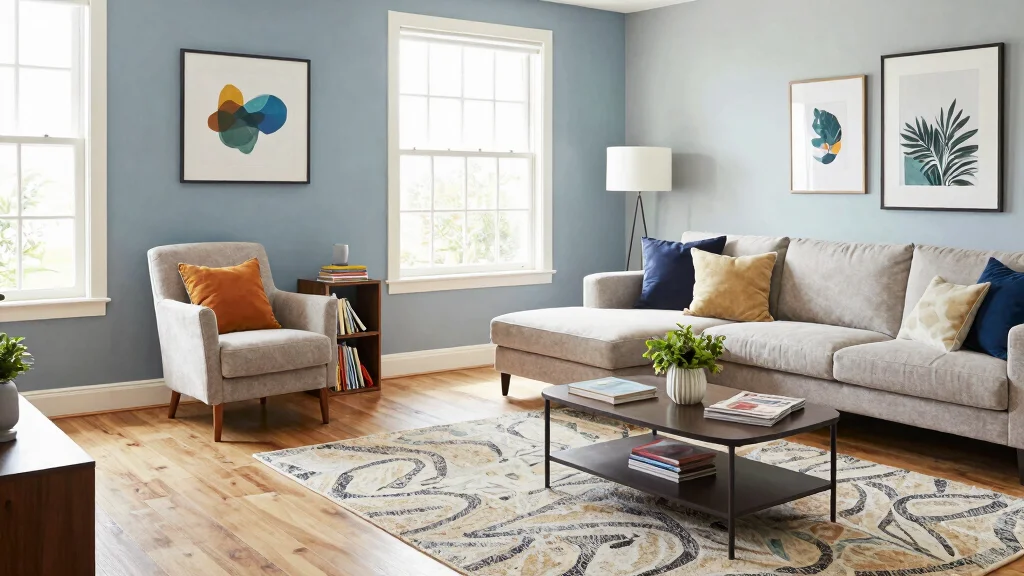
Creating a cozy, functional space in your home can feel like a puzzle, especially if you’re working with a split living room. The truth is, finding ways to define areas without sacrificing style can be challenging. That’s why I’ve put together this list of split living room ideas that emphasize zoning and functionality. These ideas will help you maximize your space while still creating a welcoming environment.
If you love home decor and find joy in crafting the perfect living space, this post is written just for you. Whether you live in a small apartment or a larger home with an open layout, these tips will help you transform your split living room into a well-organized haven. You’ll discover creative solutions that are not only practical but also stylish, so your home reflects your personality while serving your everyday needs.
Get ready to explore 15 exciting ways to zone your living room effectively. From using rugs to create separate areas to incorporating multifunctional furniture, these ideas are designed to make your space feel more cohesive and intentional. You’ll gain insights that help you make the most of every square foot, all while keeping your living room functional and beautiful.
Key Takeaways
– Define Spaces with Rugs: Use area rugs to visually separate sections of your living room, making each area feel distinct.
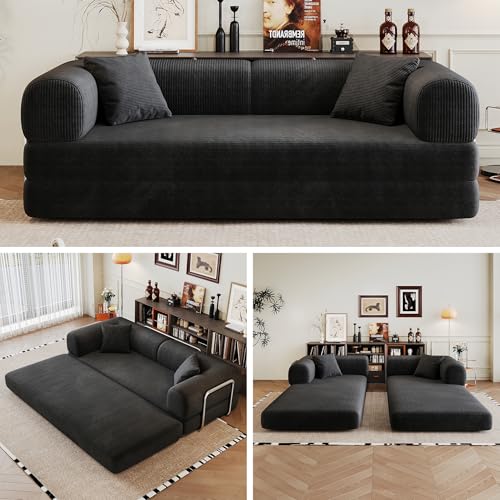
– Incorporate Multifunctional Furniture: Choose pieces that serve multiple purposes, like a sofa bed or an ottoman with storage, to maximize space utility.
– Utilize Color for Zoning: Different colors can help define areas within your room, creating a sense of separation without physical barriers.
– Layer Lighting for Functionality: Employ various lighting options to enhance each zone, ensuring every area feels inviting and serves its purpose.
– Add Personal Touches: Accessories like artwork, plants, and unique decor can help personalize your space while enhancing its functionality.


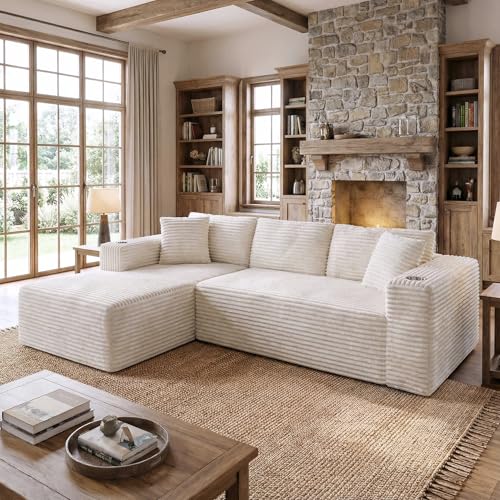
1. Define Spaces with Rugs
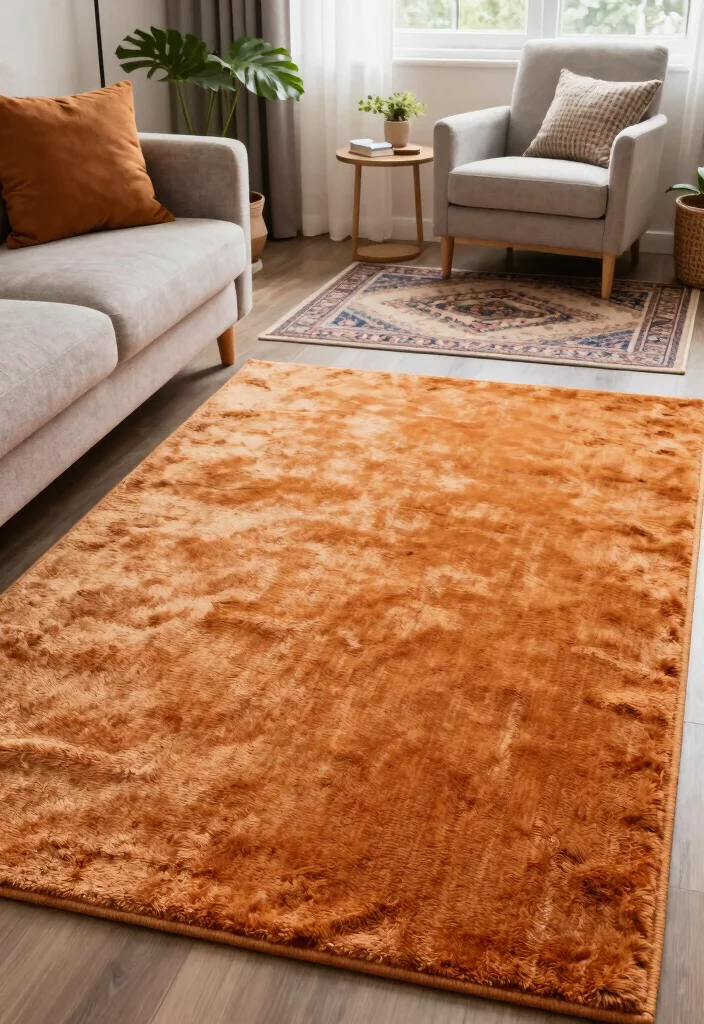
Using area rugs is a fantastic way to define zones in a split living room. These pieces not only add comfort but also create visual harmony. For example, a large, bold rug can anchor your seating area, while a smaller, patterned rug can beautifully highlight a cozy reading nook. This thoughtful placement enhances the open-concept feel without losing the sense of separation between spaces.
To get the most out of your rugs, think about colors and textures that complement your existing decor. Soft textures invite relaxation, while vibrant designs can energize the room. Here are some tips to maximize your rug choices:
– Opt for various sizes to clearly define different areas
– Choose colors that blend yet distinguish each zone
– Layer rugs for added warmth and depth
– Ensure furniture partially sits on the rugs for cohesion.
Rugs not only add style but also absorb sound, making your living space feel cozier and more inviting.
2. Use Shelving as Room Dividers
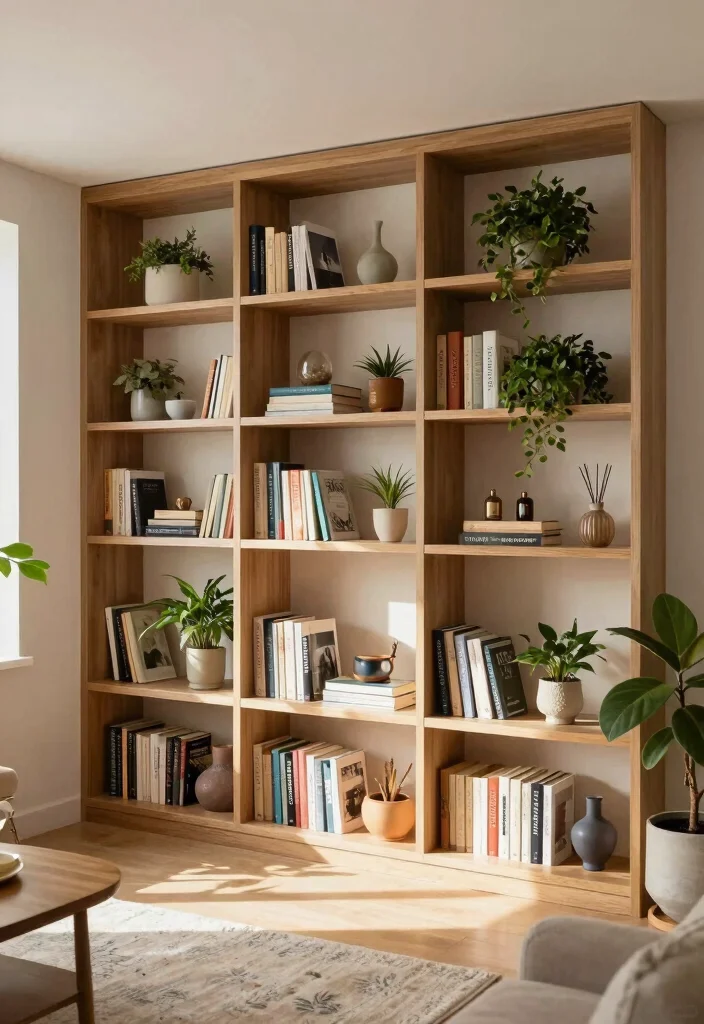
Open shelving serves as a stylish room divider while providing essential storage. This approach allows light to flow through, creating an airy atmosphere. By displaying books, decorative items, or plants, you can add both functionality and flair to your living space.
Adjustable shelves can be tailored to your needs, whether for books or decorative displays. To effectively use shelving in your design, consider these clever ideas:
– Position the shelf at an angle for visual interest
– Use the top for additional decor
– Select a unit that matches your color scheme
– Coordinate the shelves with nearby furniture for a cohesive look.
This strategy allows your shelves to serve multiple purposes, enhancing both style and storage.
Fun fact: open shelving as a room divider can boost perceived space by up to 20% while keeping light flowing—a top tip for split living room ideas. Display books, plants, or decor to add function and flair without crowding the room.
3. Multifunctional Furniture is Key
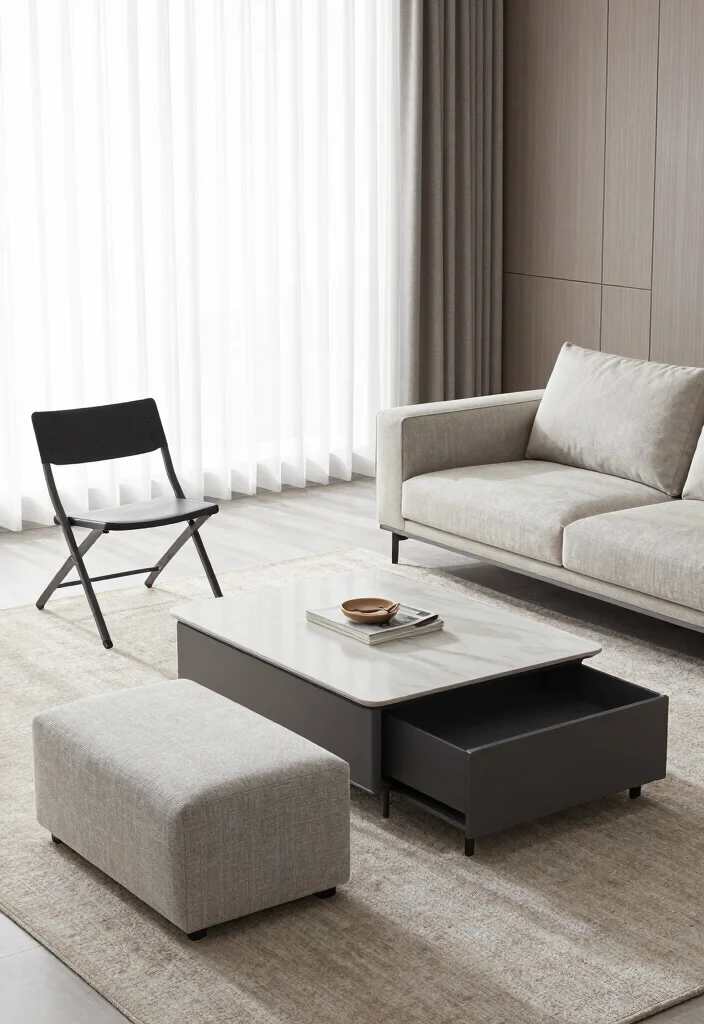
In smaller spaces, multifunctional furniture is a game-changer. Pieces that serve multiple purposes help maximize utility without cluttering your living area. For instance, a coffee table that doubles as storage or ottomans that provide extra seating can transform your space.
This approach not only conserves space but also keeps your living area organized. Here are some multifunctional furniture ideas to explore:
– Use sofa beds for accommodating guests
– Incorporate storage benches for blankets and toys
– Choose nesting tables for flexible surface options
– Opt for foldable chairs to add extra seating when necessary.
Prioritize stylish yet practical pieces to ensure comfort while meeting your lifestyle needs.


4. Create a Cozy Nook
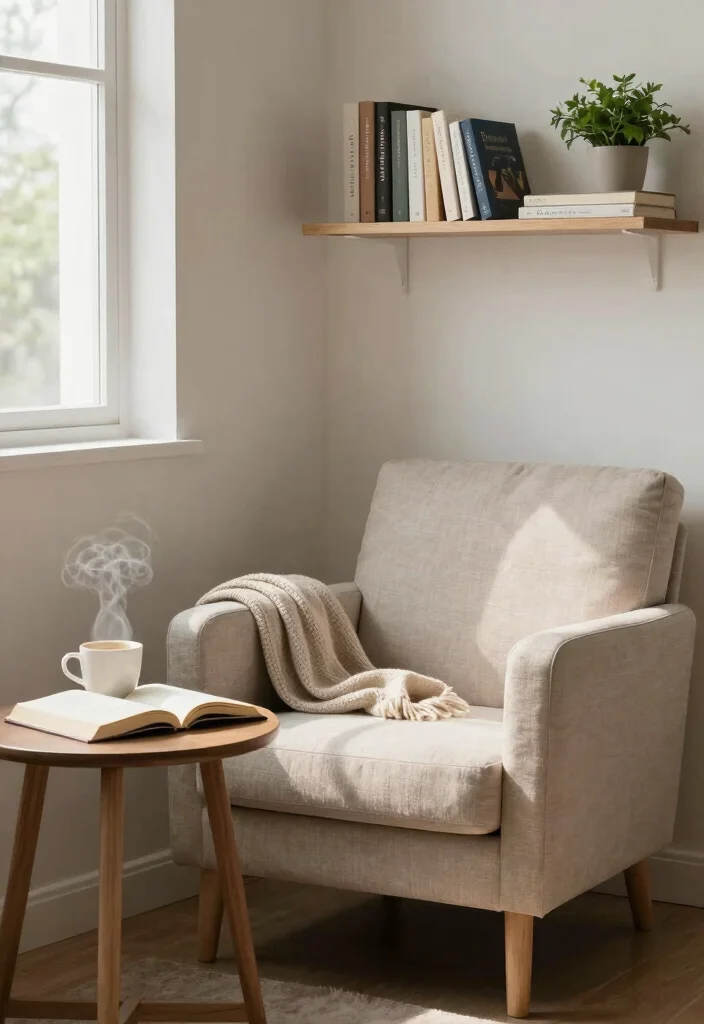
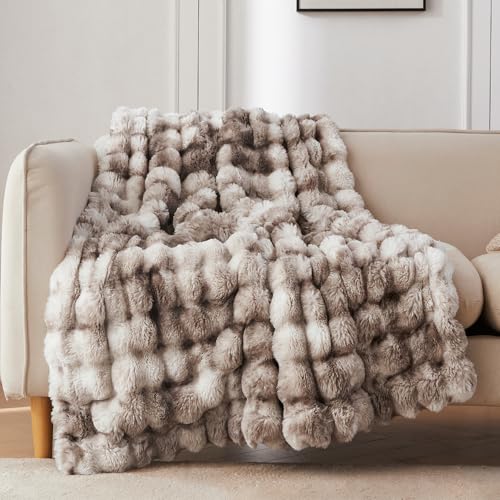
Turn a corner of your living room into a cozy reading nook for ultimate comfort. A plush chair, a side table, and a soft throw blanket create an inviting retreat for enjoying a good book or a warm beverage.
To elevate this cozy nook, consider these thoughtful suggestions:
– Position your chair near a window for natural light
– Include a small bookshelf or wall-mounted shelf for easy access to your favorite reads
– Choose soft, calming colors to enhance tranquility
– Add ambient lighting, like a table lamp, for evening use.
This dedicated nook not only enhances functionality but also offers a peaceful escape from daily life.
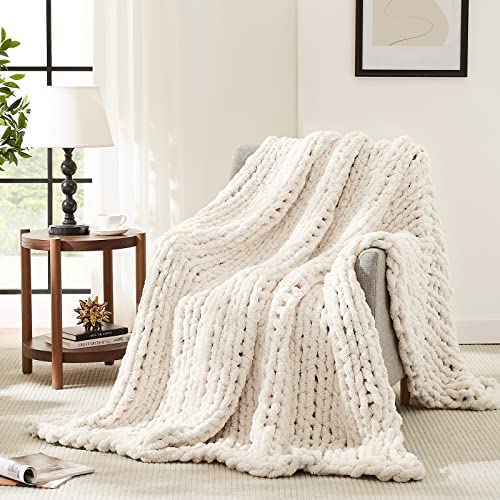


How To Choose Functional Home Decor for Your Split Living Room
To make the most out of a split living room, you need to choose home decor that not only looks good but also serves a purpose. Here are some key factors to consider when selecting functional decor for your space.
1. Define Your Zones
Think about how you want to divide your living room. Are you looking to create a relaxing reading nook, a vibrant entertainment area, or a cozy workspace? Knowing your intended uses will guide your decor choices. Use rugs, furniture placement, or color schemes to visually separate these zones. For example, a soft area rug can define a seating area, while a different color palette can enhance a workspace.
2. Consider Space-Saving Furniture
In a split living room, every inch counts. Look for furniture that is multifunctional. Sofas that convert into beds or coffee tables with storage are great options. Additionally, nesting tables can provide extra surface space when needed and tuck away when you don’t. Measure your room to ensure the selected furniture fits well without blocking pathways.
3. Choose the Right Materials
Materials play a significant role in the functionality and aesthetic appeal of your space. Opt for durable yet stylish materials that suit each zone. For example, a soft fabric for your reading nook can create comfort, while sleek surfaces for your entertainment area can add a modern touch. Look for materials that are easy to clean, especially if you have pets or kids.
4. Prioritize Lighting
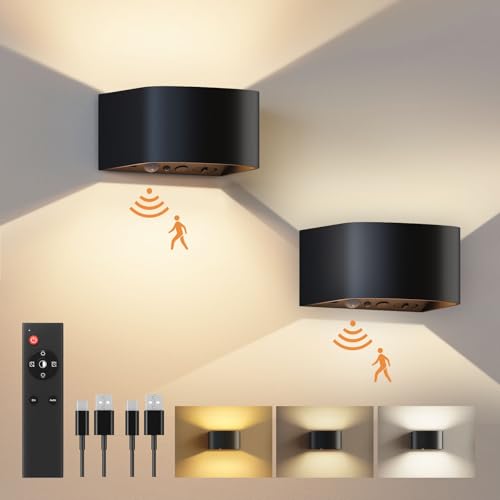
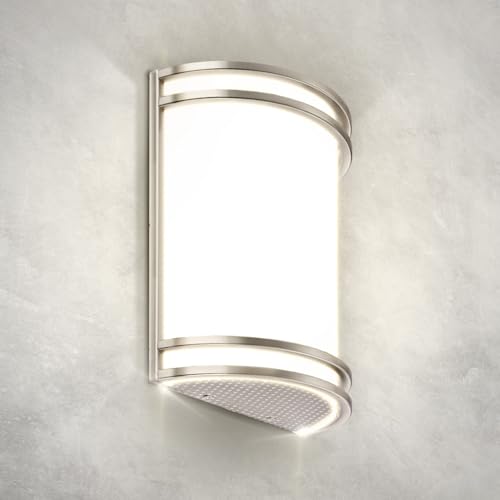
Good lighting can transform your split living room. Use a mix of ambient, task, and accent lighting to create a warm atmosphere. For instance, floor lamps can brighten up a reading corner, while wall sconces can highlight artwork. Consider dimmable options to adjust the mood based on the time of day. Don’t forget natural light; keep curtains lightweight to let in sunshine during the day.
5. Personal Touches Matter
Personalizing your space makes it feel like home. Choose decor items that reflect your personality and interests. This could be art pieces, family photos, or decorative items that tell a story. Arrange these accents thoughtfully to maintain a cohesive look while still expressing individuality. For example, a gallery wall can be a stunning focal point that separates spaces visually.
6. Keep Flow in Mind
Consider the flow of movement throughout your living room. Ensure furniture is arranged to allow easy access and create a natural pathway from one zone to another. Avoid overcrowding any area, which can make the space feel cramped. Leave enough room for walking and transitioning between zones comfortably. This makes your split living room not only functional but also inviting.
Pro Tip: Before making any purchases, sketch your layout or use design software to visualize how your chosen pieces will fit together. This can save you time and money in the long run by preventing impulse buys that may not work in your space.
By considering these factors, you’ll be able to create a split living room that is both functional and stylish. Each decision will contribute to a harmonious design that meets your lifestyle needs while enhancing the room’s overall appeal.


5. Use Color to Define Areas
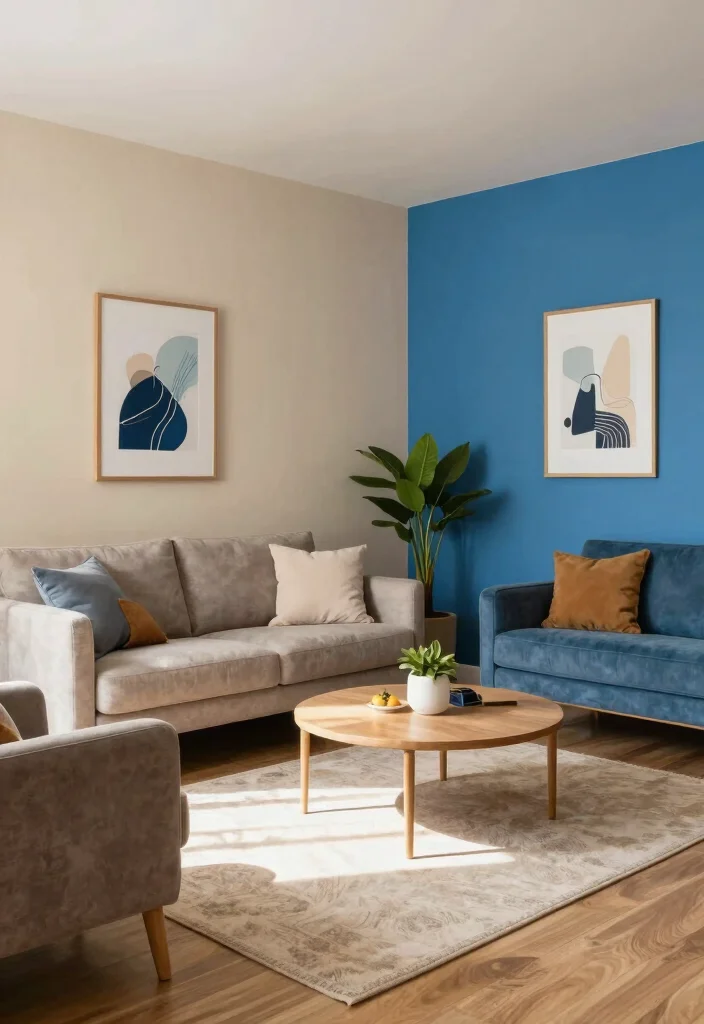
Colors can dramatically influence the zoning of your living room. By applying different paint colors or wallpaper patterns, you can clearly distinguish various sections within one space. For instance, a subtle change in wall color can signal the transition from a lounge area to a workspace.
When implementing colors, keep these tips in mind:
– Maintain a cohesive main color palette for harmony
– Use lighter shades in smaller areas to create an illusion of spaciousness
– Incorporate bolder colors in social spaces to energize the room.
This colorful approach not only adds visual interest but also fosters organization in open layouts.
6. Incorporate Built-in Furniture
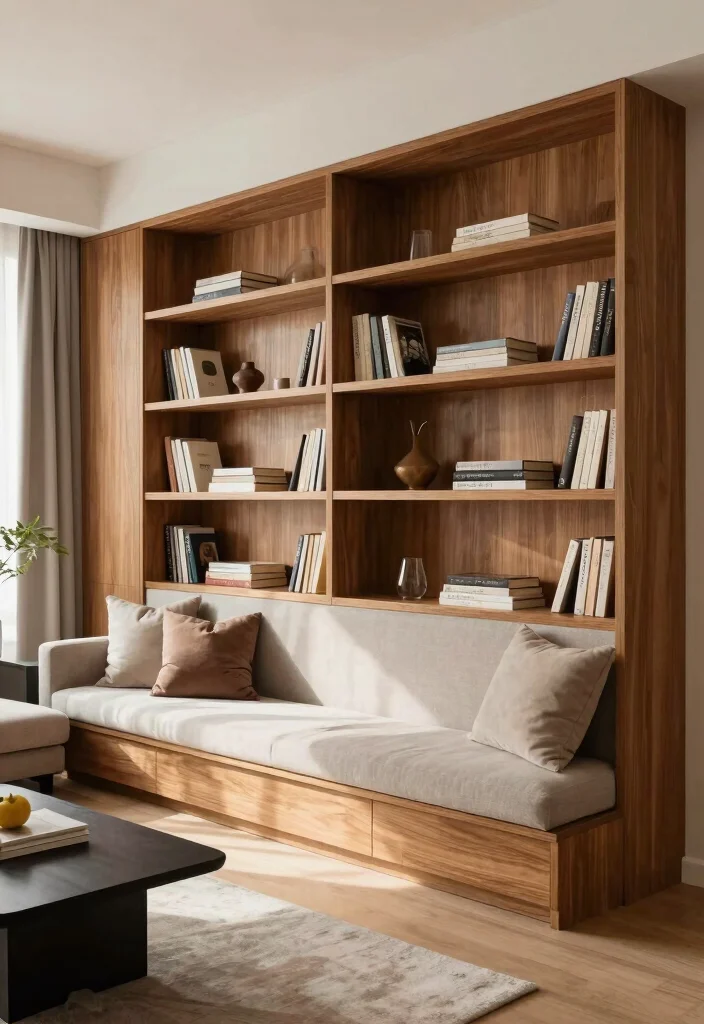
Built-in furniture can significantly enhance the functionality of a split living room. Custom pieces like benches, shelves, or desks can fit seamlessly into your space, eliminating wasted corners while maximizing storage.
When considering built-ins, think about these ideas:
– Utilize vertical space for additional shelving and storage
– Create a built-in bench with hidden storage for extra seating
– Design a small desk nook that blends into the living area.
These tailored pieces not only boost utility but also give your space a cohesive and polished look.

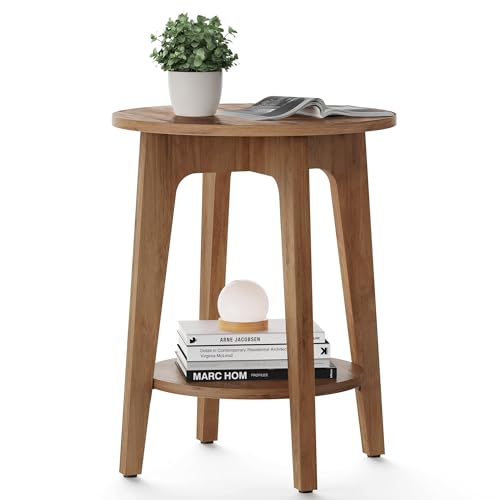


7. Layer Lighting for Functionality
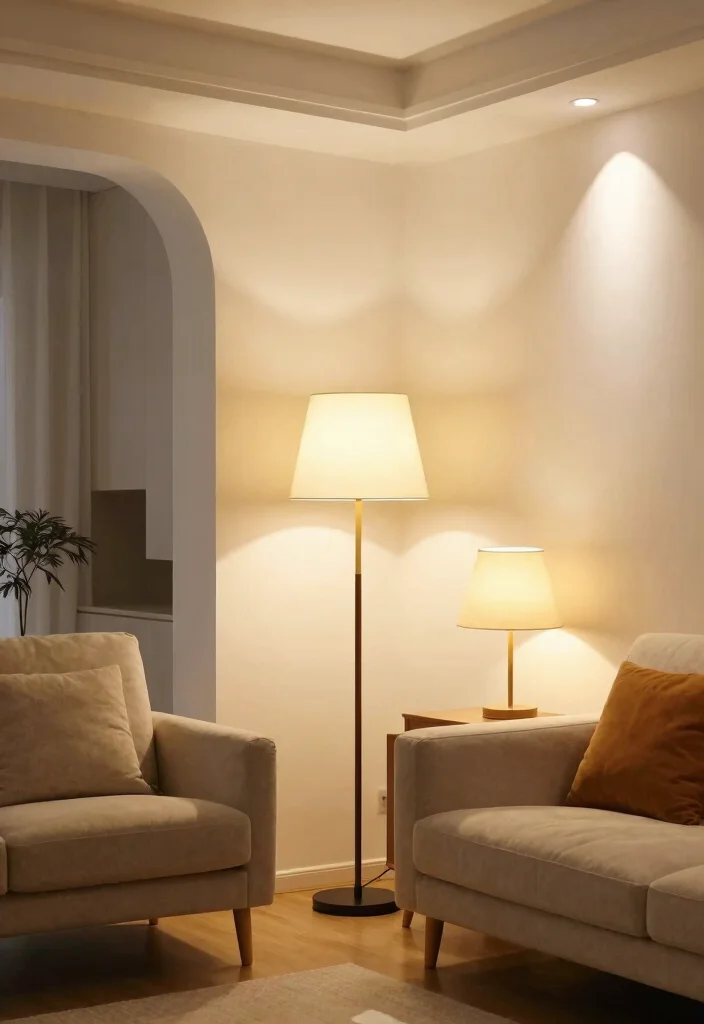
Proper lighting is crucial in a split living room to create distinct zones. Using multiple light sources allows you to set the mood for various activities, from bright overhead lights for games to softer, ambient lighting for movie nights.
Layer your lighting with these elements:
– Add floor lamps to illuminate reading areas
– Use table lamps on side tables for warmth
– Consider dimmable overhead lights for versatility.
Experimenting with different lighting types can make your space feel more dynamic and inviting, ensuring every activity has the right ambiance.
Fun fact: For split living room ideas, layering three lighting types—ambient overhead, task floor lamps, and warm table lamps—can boost perceived room size by up to 30%. Add dimmable overheads and side lamps to flex the mood for work, then movie nights.
8. Flexible Room Layouts
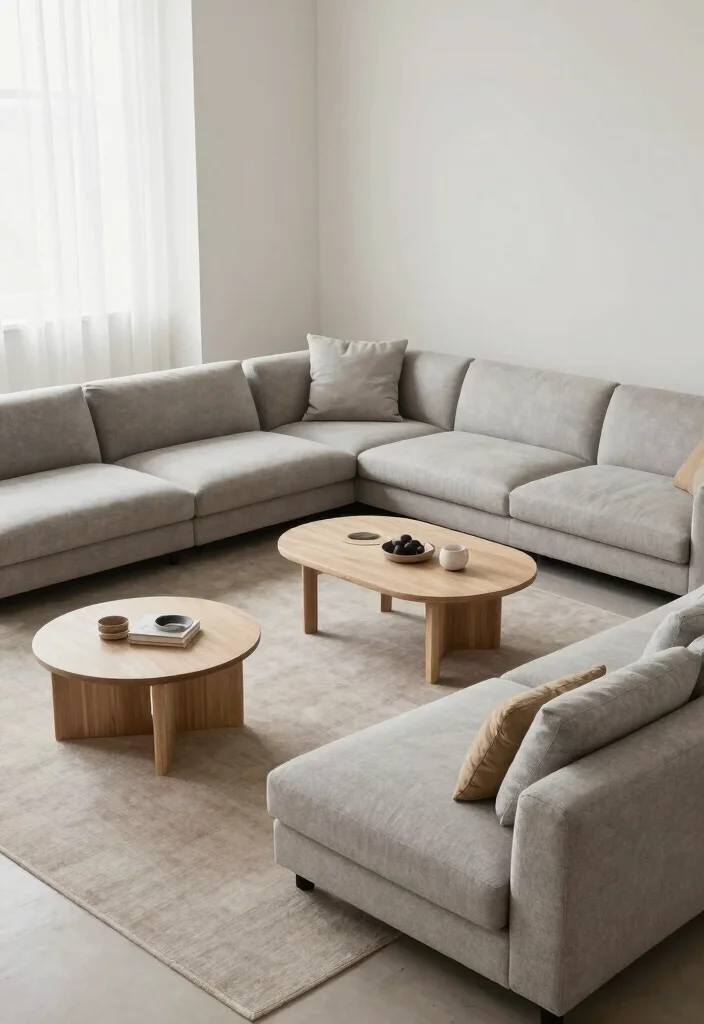
A flexible room layout allows you to adapt your living space to suit your needs. Modular furniture that can be easily rearranged, such as sectional sofas or movable tables, gives you the freedom to modify the layout for different occasions.
When planning for flexibility, keep these points in mind:
– Arrange furniture to facilitate easy movement throughout the space
– Select lightweight pieces that can be easily shifted
– Incorporate multifunctional items that can adapt based on your needs.
This adaptability enhances your living area’s functionality while maintaining a stylish appearance.


9. Add Plants for Natural Partitioning
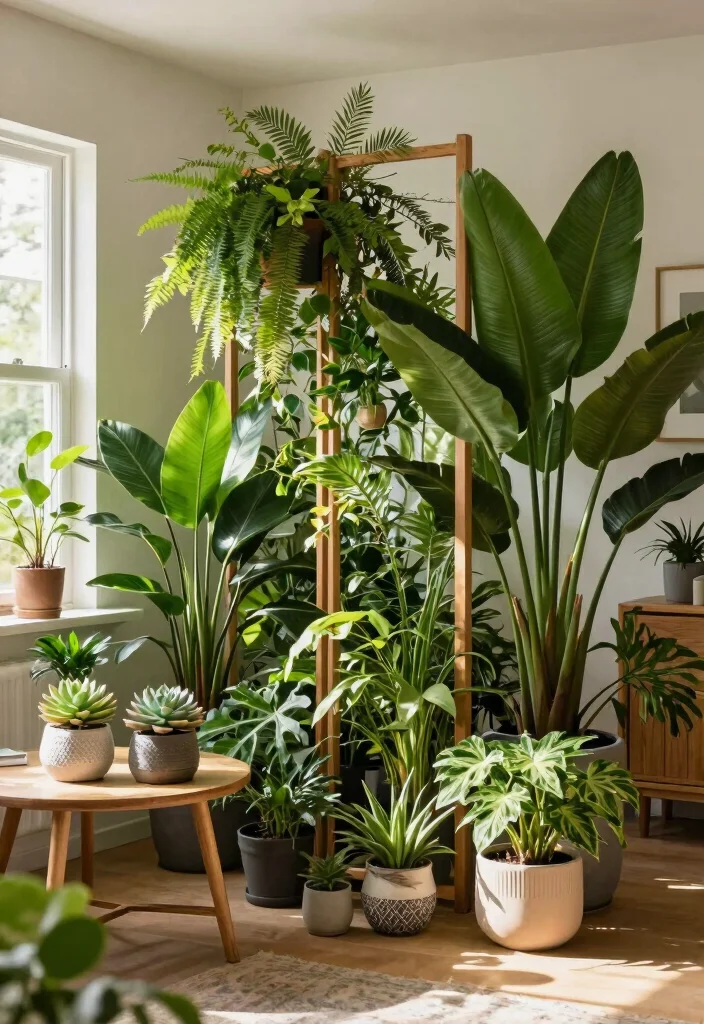
Bringing plants into your living room not only livens up the space but can also act as natural dividers. Tall plants like fiddle leaf figs or monstera provide a gentle barrier between zones, creating a divided feel without the need for walls.
Additionally, plants improve air quality and enhance aesthetics. Consider these tips:
– Use a variety of plant heights to add dimension
– Group smaller plants for visual interest
– Choose decorative planters that complement your decor.
Integrating nature into your home enriches your living space while contributing to a healthier environment.
10. Create a Gallery Wall for Separation
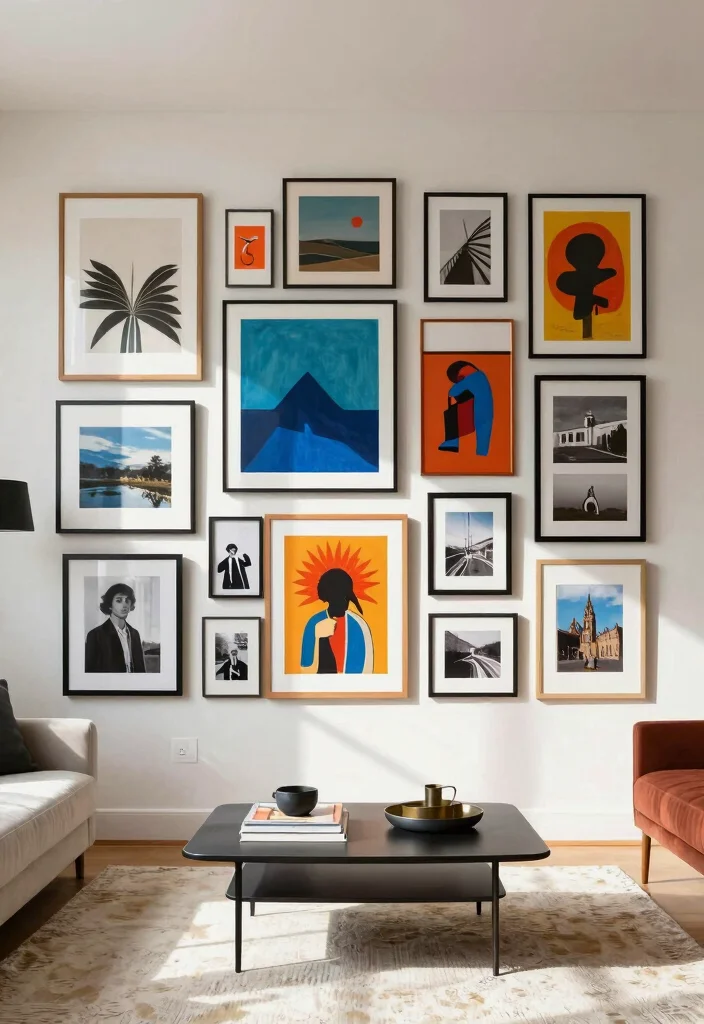
A gallery wall provides an artistic way to visually separate areas in your living room. Displaying framed photos, artwork, or collections can create a striking focal point that delineates different zones beautifully.
This technique works especially well in larger spaces where you want to achieve separation without physical barriers. When designing your gallery wall, keep these tips in mind:
– Choose a mix of frame styles and sizes for variety
– Arrange pieces in a grid or asymmetrical layout for a modern touch
– Use color to unify the pieces with your decor.
This creative approach adds personality and charm while effectively defining spaces.
11. Install Folding Doors for Flexibility
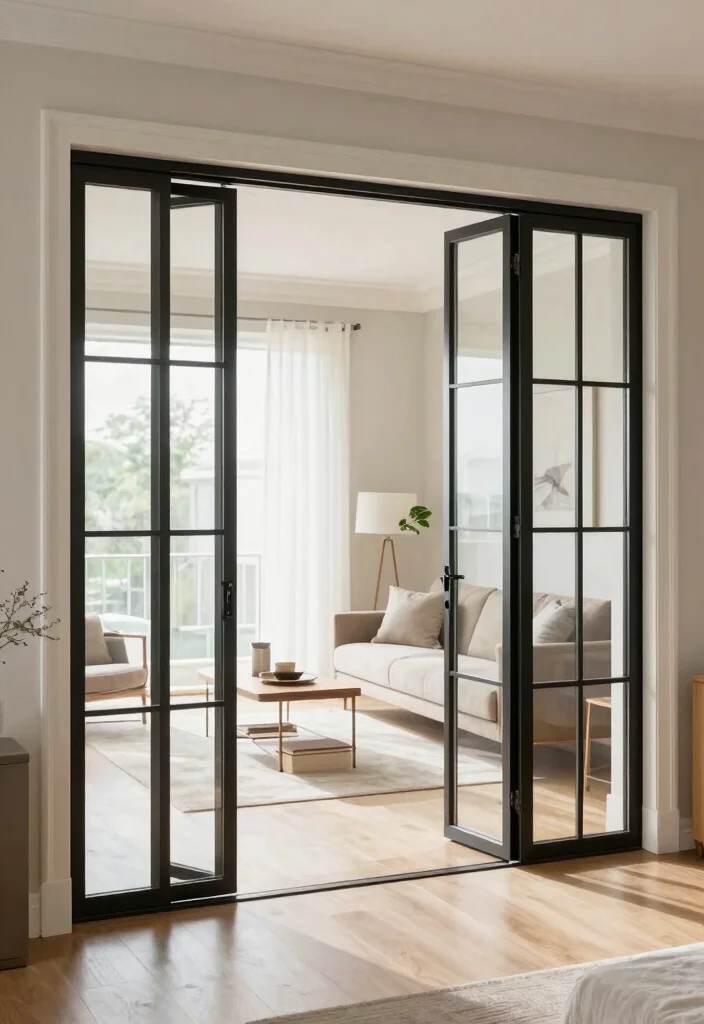
Folding doors are a practical solution for creating flexible spaces in a split living room. When open, they allow for an airy, open-concept feel, while closed, they create distinct areas. This feature is particularly beneficial in smaller homes where every inch counts.
Considerations for installing folding doors include:
– Selecting styles that harmonize with your decor
– Using glass panels for a light, open feel
– Ensuring smooth operation for easy access.
Folding doors enhance versatility and organization, making them an excellent choice for compact living spaces.


12. Utilize Wall Space with Hooks and Pegboards
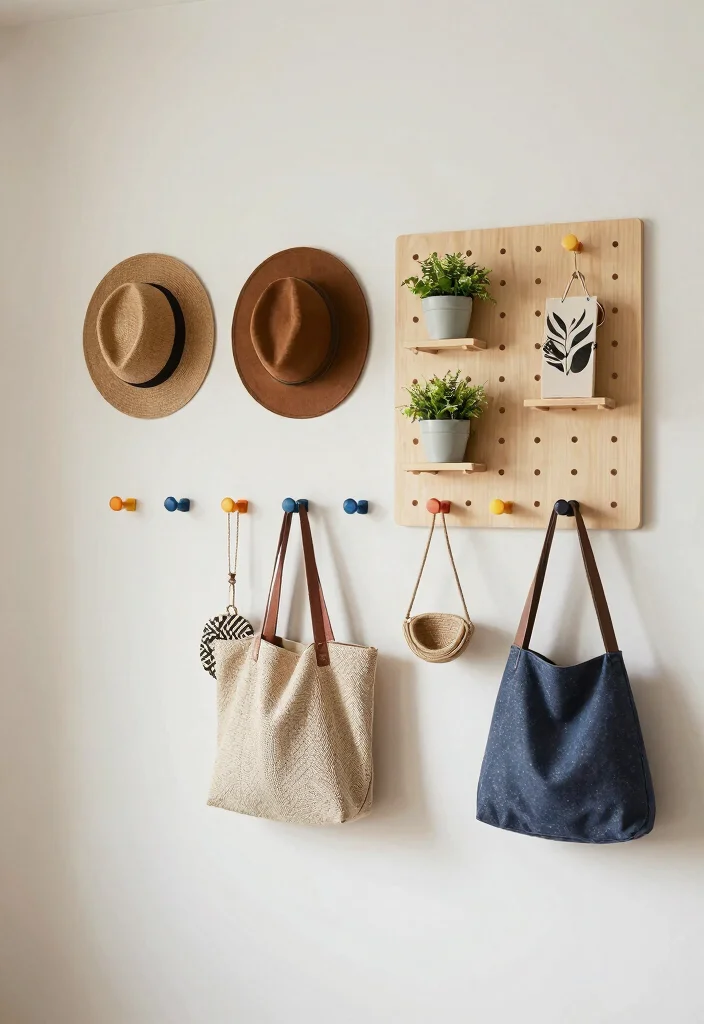
Utilizing wall space with hooks or pegboards is a clever way to keep a split living room organized while adding style. These elements are perfect for storing items like bags, hats, or decorative plants, freeing up valuable floor space.
Consider these ideas:
– Use a pegboard in a fun color for a pop of interest
– Arrange hooks in a visually pleasing pattern
– Incorporate textiles or small baskets for a tidy look.
This method not only maximizes storage but also introduces a unique touch to your decor.
13. Focus on Textures for Zoning
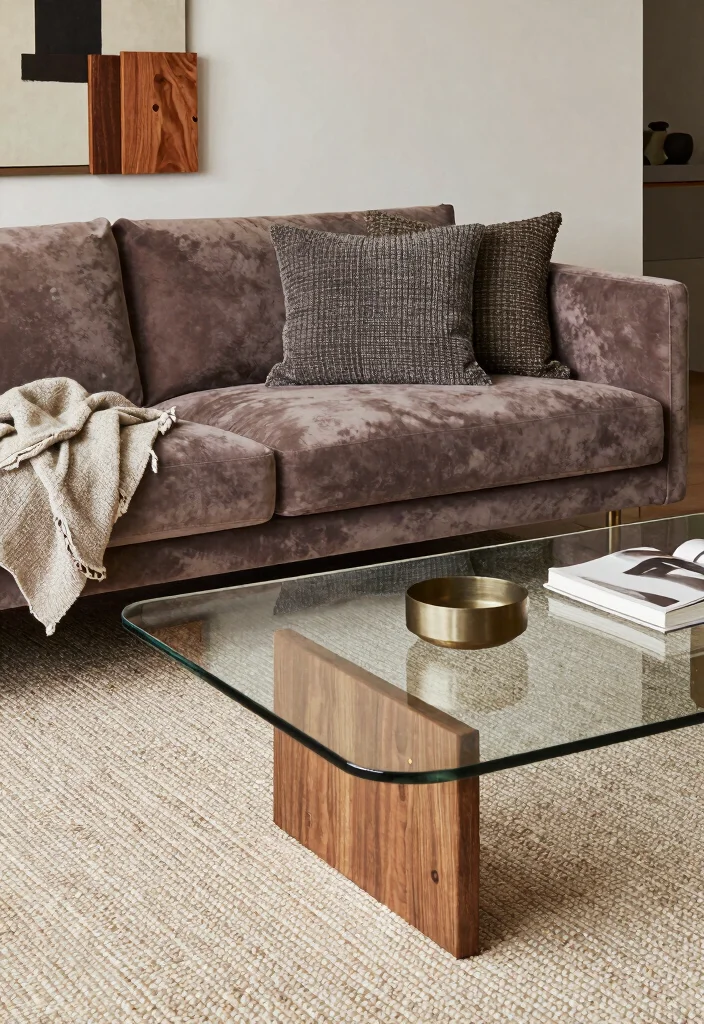
Textures can play a significant role in defining spaces within your living room. Mixing materials like wood, metal, and fabric creates visual boundaries that separate zones without walls. For example, a soft velvet sofa can contrast beautifully with a sleek glass coffee table.
To enhance this effect, consider:
– Layering different textures through pillows, rugs, and throws
– Incorporating wooden elements for warmth
– Adding metallic accents for a modern touch.
This thoughtful mix enriches the visual appeal and adds depth to your living area.
14. Consider the Flow of Movement
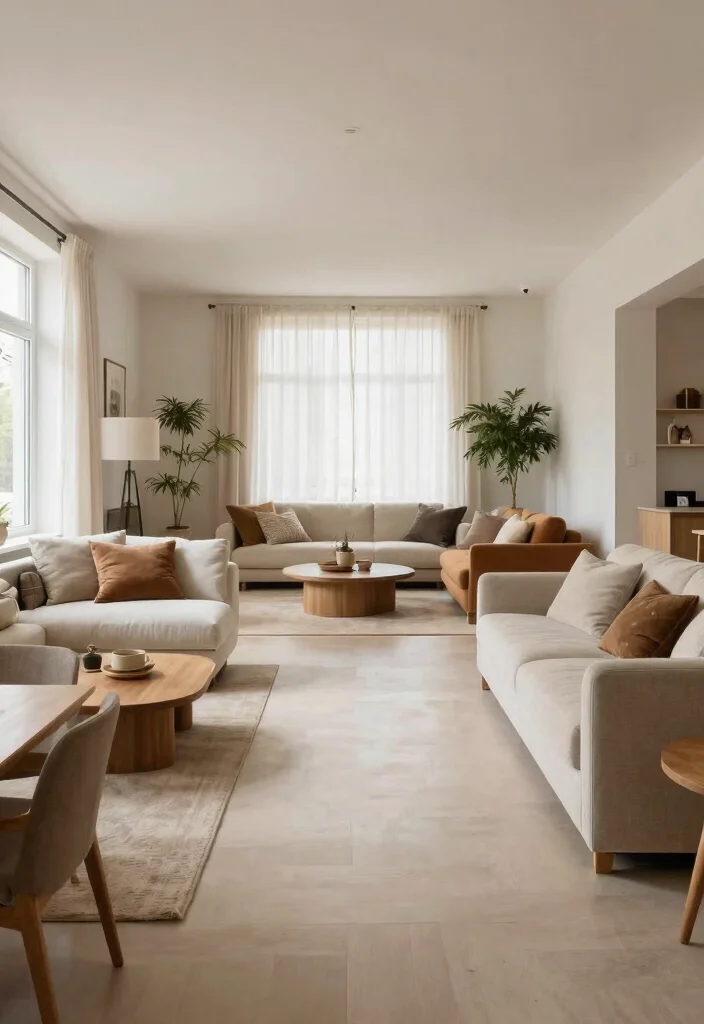
When planning your split living room layout, consider the flow of movement throughout the space. Arranging furniture to promote easy navigation allows individuals to move comfortably between different areas.
For optimal flow, focus on:
– Keeping pathways clear of obstructions
– Arranging furniture to encourage conversation
– Creating cozy clusters for inviting gatherings.
This intentional design enhances functionality while maintaining a harmonious atmosphere in your living space.
Design your split living room ideas with movement in mind: clear paths, furniture arranged for easy chats, and cozy clusters. It just works, making small spaces feel bigger and gatherings more inviting.
15. Personalize with Accessories
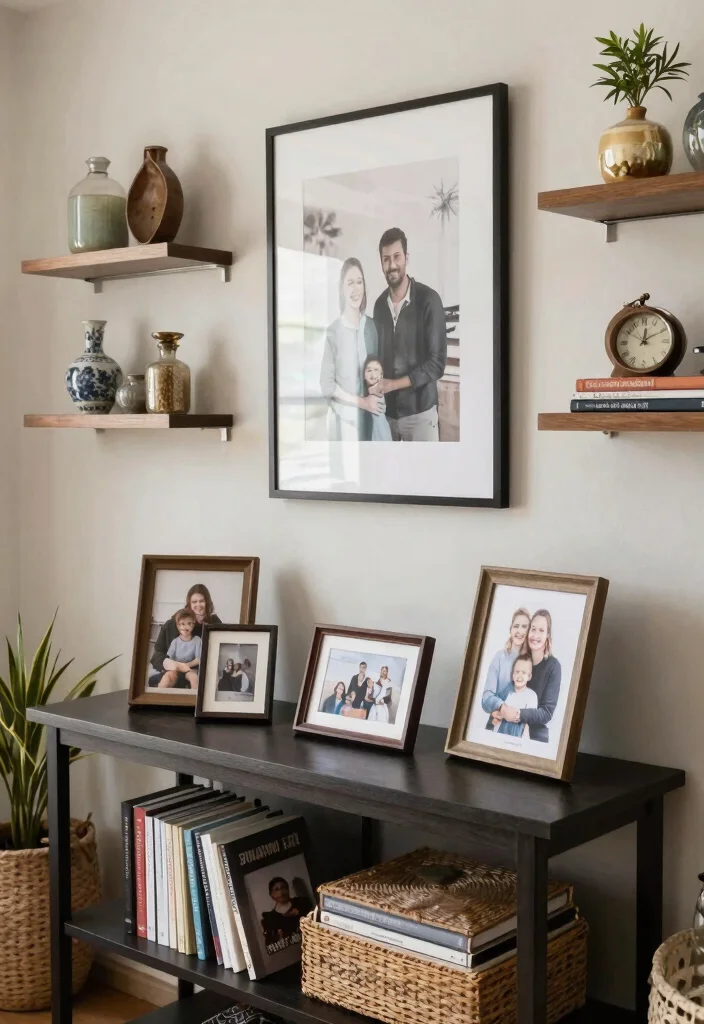
Accessories are the finishing touch that makes your split living room feel like home. Incorporating personal items like family photos, cherished artwork, or unique decor pieces allows you to express your personality while retaining functionality.
When selecting accessories, keep these guidelines in mind:
– Choose items that reflect your personal style
– Avoid overcrowding spaces; sometimes less is more
– Mix and match to create visual interest.
Personal touches enhance the overall aesthetic, making the space warm and inviting.


Conclusion
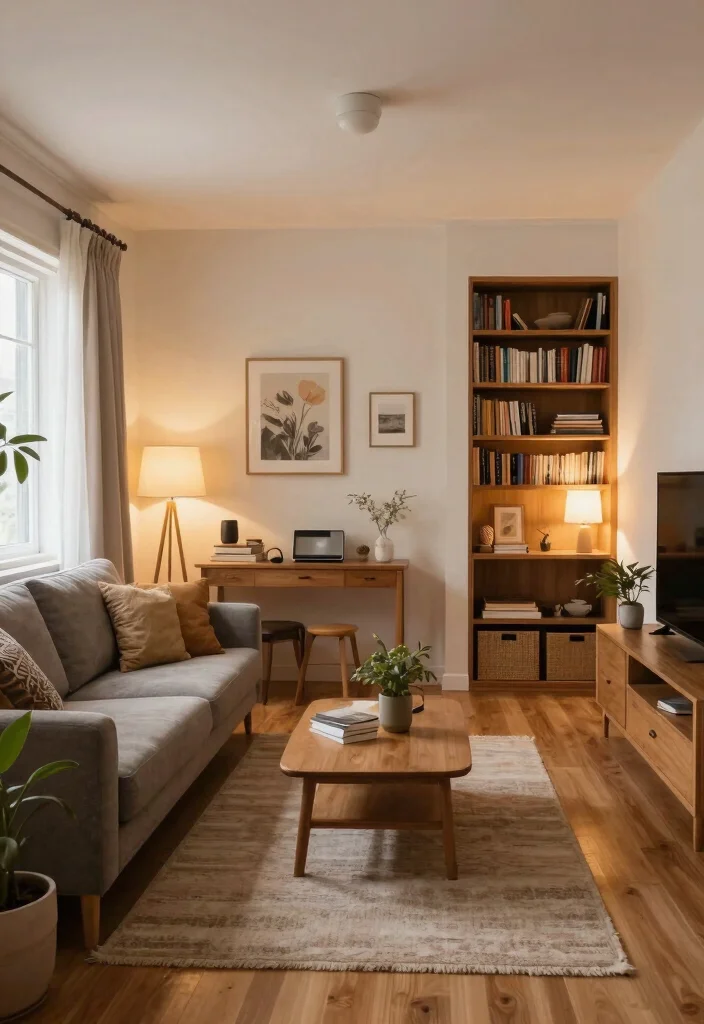
Zoning your living room can provide both function and style, especially in small spaces.
From clever furniture choices to creative use of color and accessories, these 15 split living room ideas offer plenty of inspiration to help you create a space that meets your needs without sacrificing aesthetics. Embrace these trends and start designing a living area that feels distinctly yours.
Frequently Asked Questions
What are the best practices for creating distinct zones in a small space split living room?
In small spaces, apply zoned living room design by using rugs, furniture placement, and low-profile dividers to carve out areas without walls. Place a compact sofa and a primary seating cluster to anchor the main area, then tuck a slim desk or breakfast nook on a separate footprint to define another zone. Use color blocking and layered lighting to help each zone feel distinct within an open concept living spaces feel. Choose space-saving furniture that fits the footprint and leaves clear sightlines.
Bonus tip: plan traffic flow so you can move between zones without crossing dense furniture.
Which space-saving furniture pieces really shine in a split living room?
Look for furniture that does double duty: a sofa with built-in storage, ottomans that open, nesting coffee tables, wall-mounted desks, and slim bookcase partitions. Pick pieces that are narrow in depth to preserve walkways while offering function. A bench or storage ottoman at the end of a sofa can act as extra seating and a spot to stash throws. This is space-saving furniture that keeps the split living room ideas practical in open concept living spaces.
Tip: choose modular pieces that can be rearranged as your needs change.
How can I keep a cohesive look in a split living room while keeping it highly functional?
Create a cohesive look by sticking to a limited color palette and recurring materials (wood, metal, fabric) across zones. Choose a modern room layout that flows, with aligned furniture heights and balanced focal points. Use the same or complementary textiles (rugs, cushions) to tie zones together, and keep clutter off surfaces so each area feels calm. In other words, balance functional home decor with a unified design language.
Quick win: repeat a signature accent color in each zone.
What lighting strategies help define zones in a split living room?
Layer lighting to define zones: a central ceiling light for overall brightness, task lighting for work or reading nooks, and softer ambient light to soften transitions. Use floor lamps or wall sconces placed at the edge of each zone to draw the eye and guide movement. Consider pendant lighting over a dining or work area to emphasize its function, and add dimmers to switch moods in open concept living spaces.
Bonus: use under-shelf lighting to highlight functional decor pieces.
Are there easy, affordable ways to apply these split living room ideas in open concept living spaces?
Yes—start with budget-friendly moves like defining zones with contrasting area rugs and a flexible divider screen. A lightweight screen or a row of tall plants can visually separate spaces without heavy construction, while color and art anchors each zone around a central theme. Choose modular, space-saving furniture that can reconfigure as needs change, and keep your layout adjustable to support split living room ideas in real homes.
Tips: measure your space carefully and test sightlines before buying bigger pieces.
Related Topics
split living room ideas
zoned living room design
functional home decor
small spaces
space-saving furniture
open concept living
modern room layout
decorating on a budget
easy home updates
beginner friendly
DIY room dividers
trending decor styles